Performing a cardiovascular requires a meticulous approach where surgeons delve into the intricacies of the cardiovascular system. This involves a comprehensive examination of the complexities of the cardiovascular system. Surgeons need to possess a significant degree of expertise and precision to navigate the cardiovascular system with precision and accuracy and achieve optimal results. The procedure relies on advanced surgical techniques and equipment to ensure the highest precision and success.
Before cardiovascular surgery, the surgeon thoroughly evaluates the patient's condition, using MRI or CT scans, specific tests, and a medical history review to assess their suitability for the procedure. The surgeons might recommend nonsurgical interventions such as medication and physical therapy depending on the patient's condition.
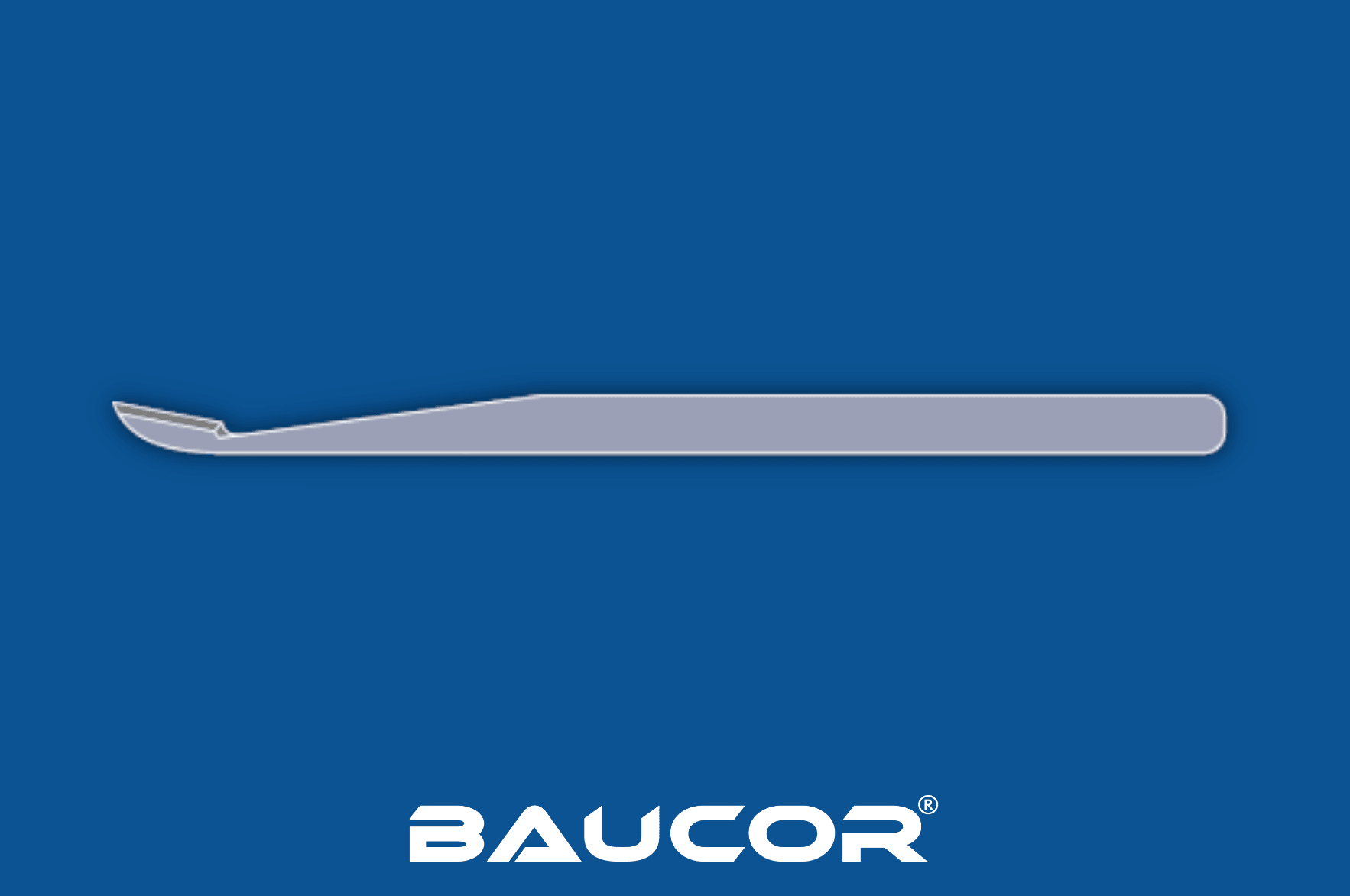
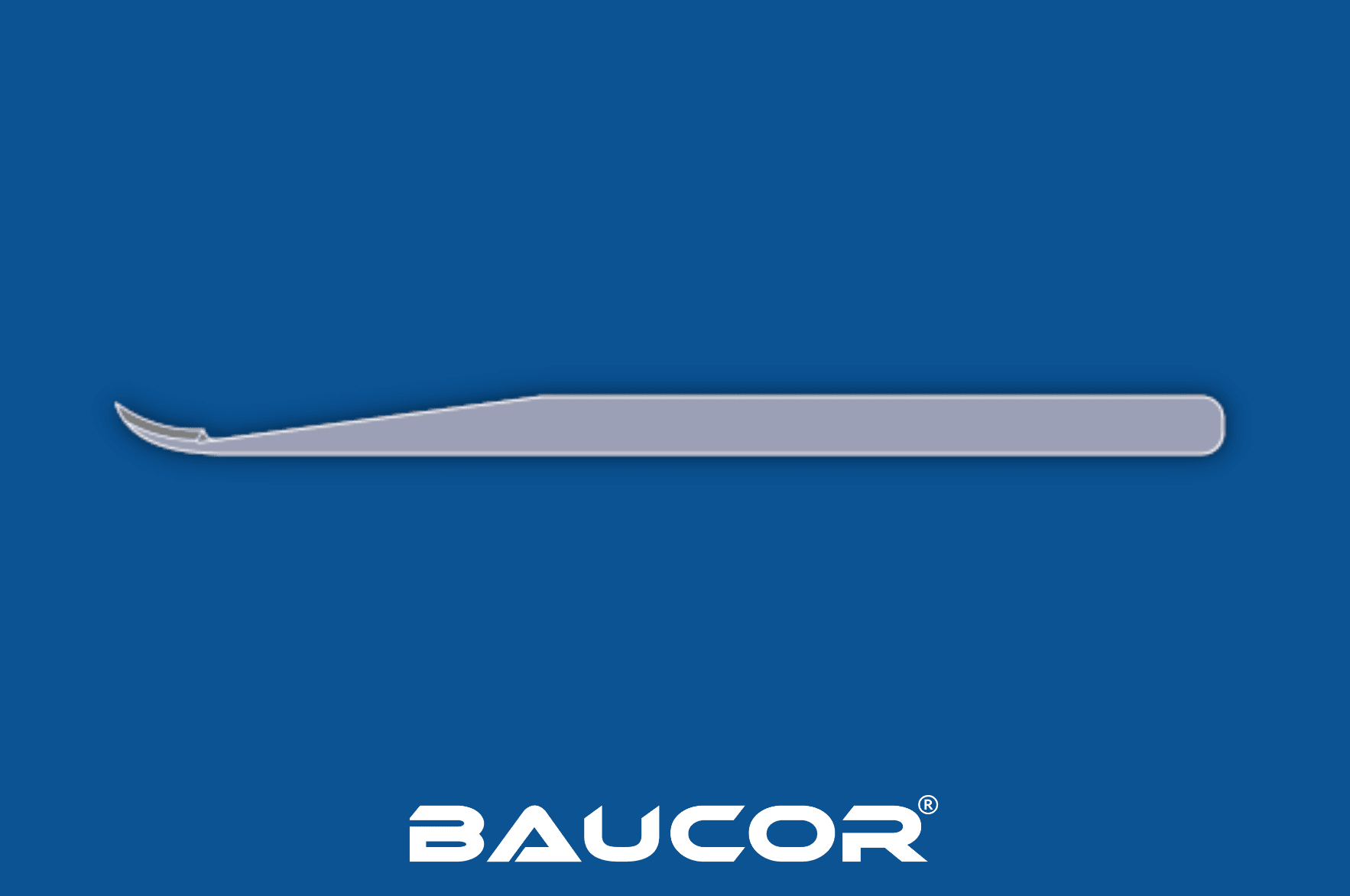
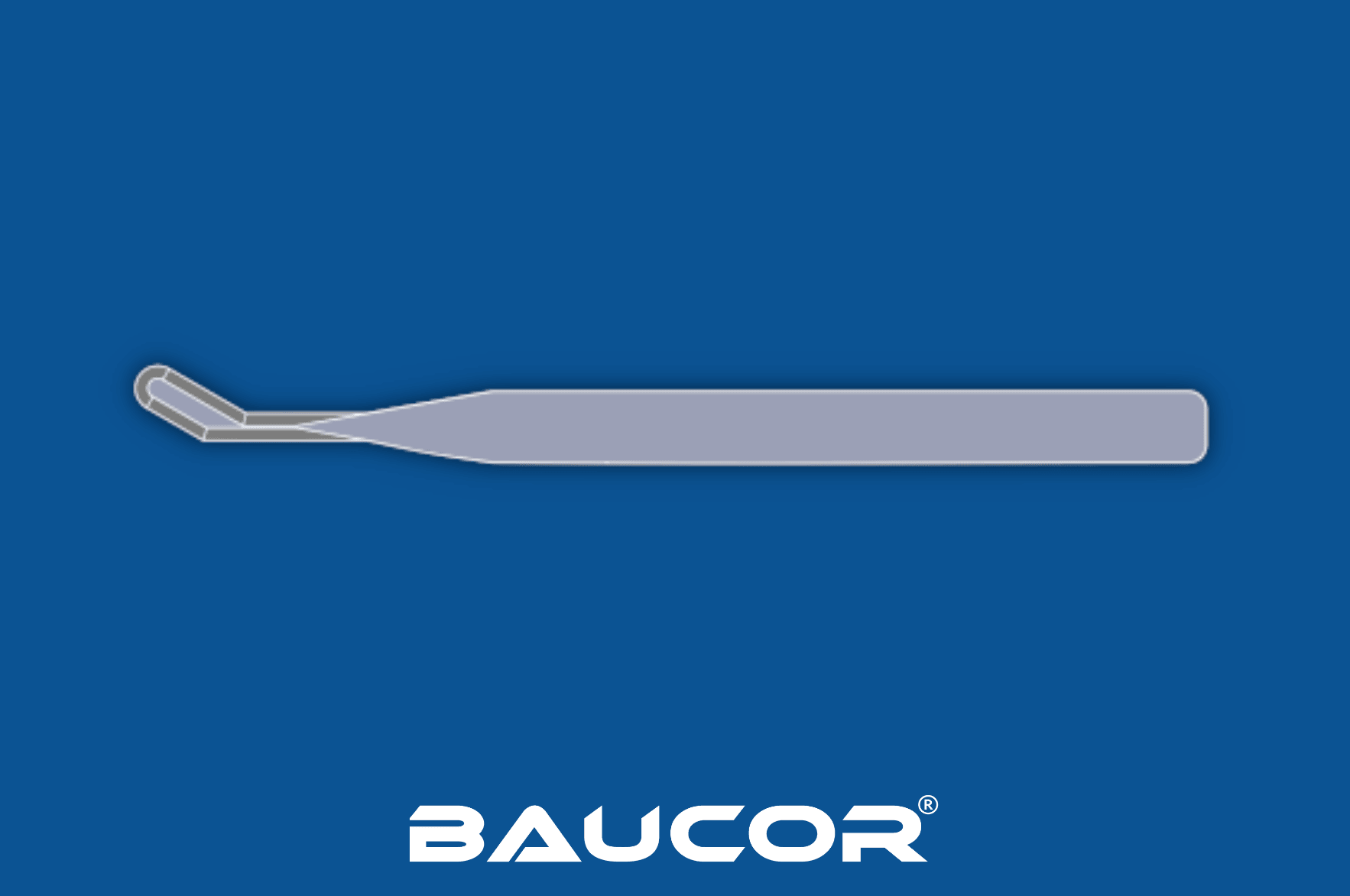
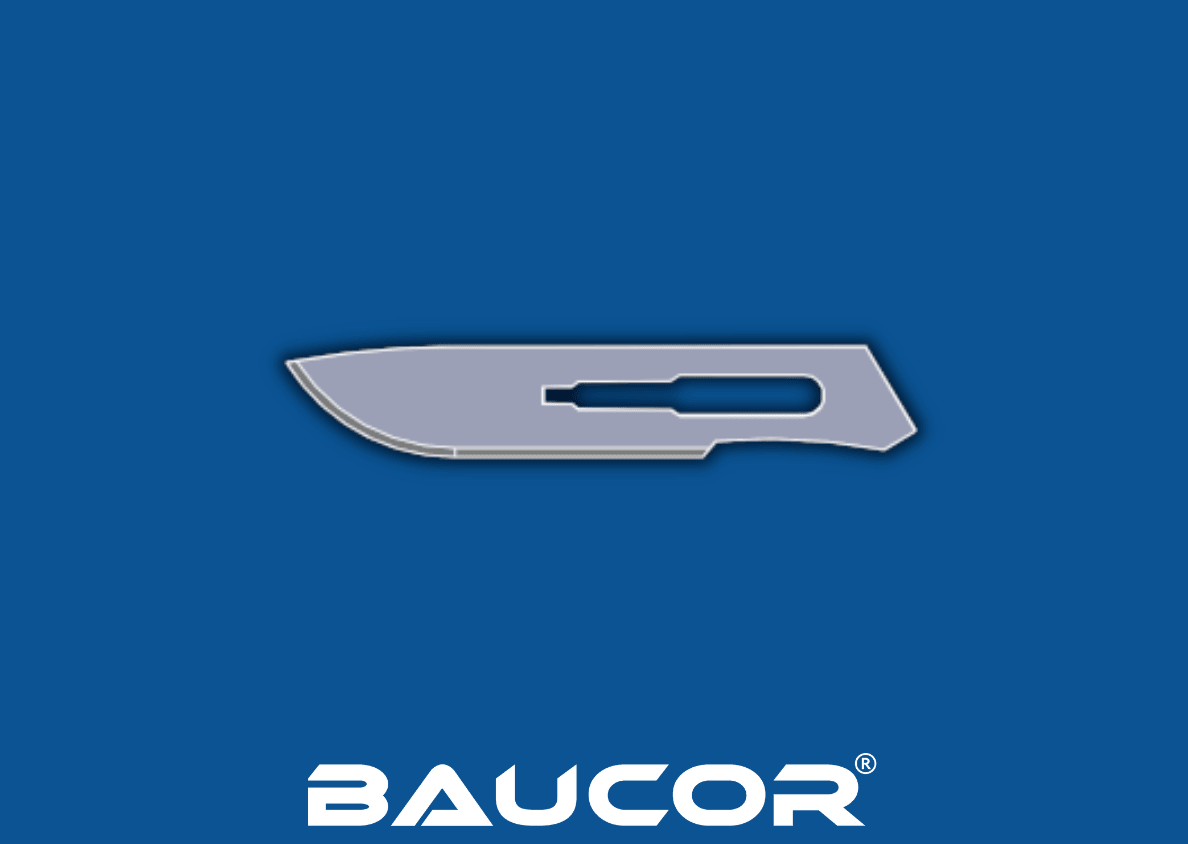
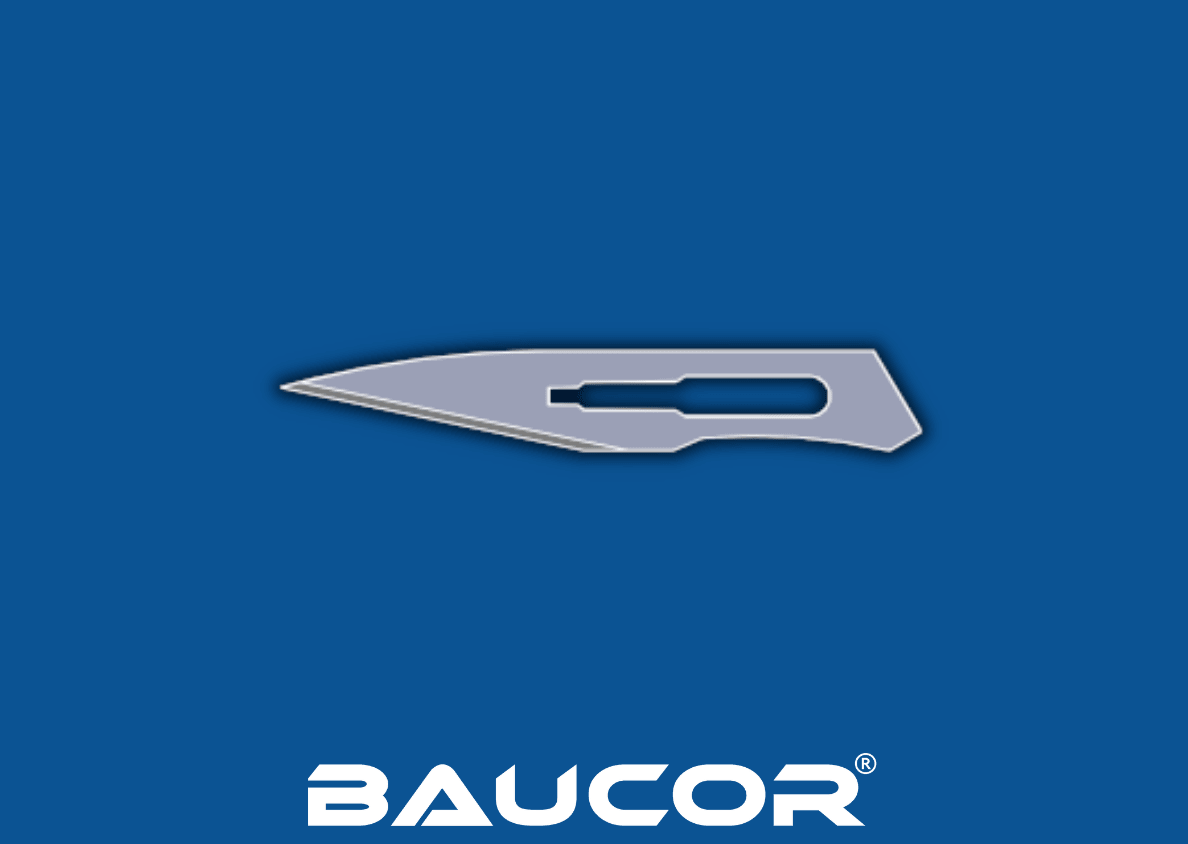
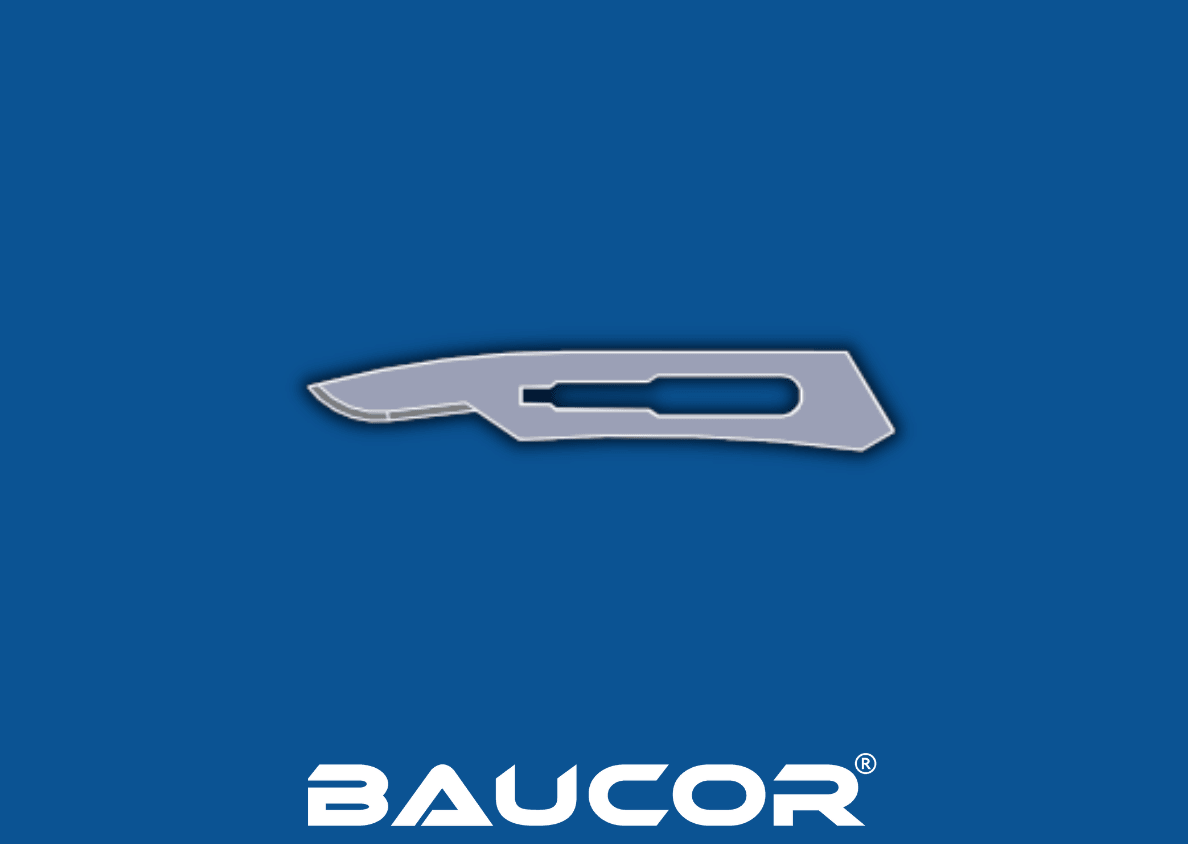
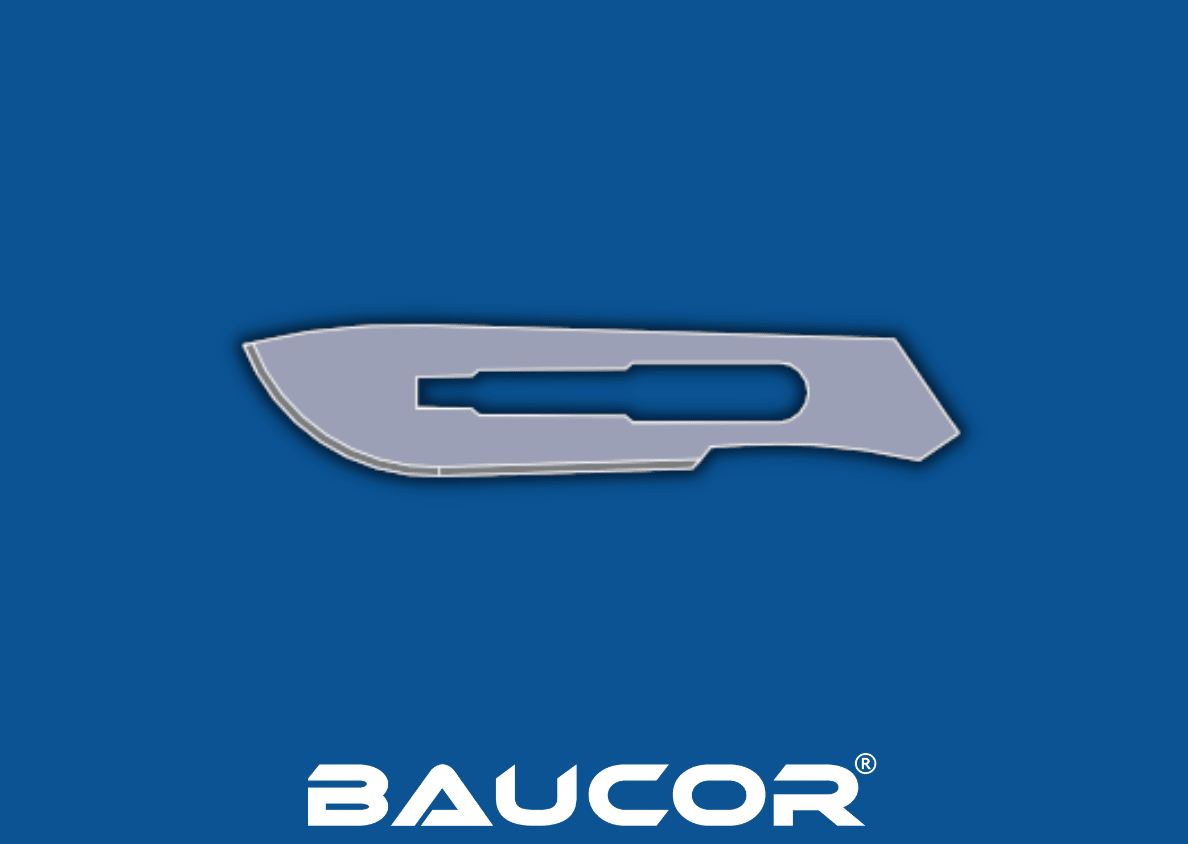
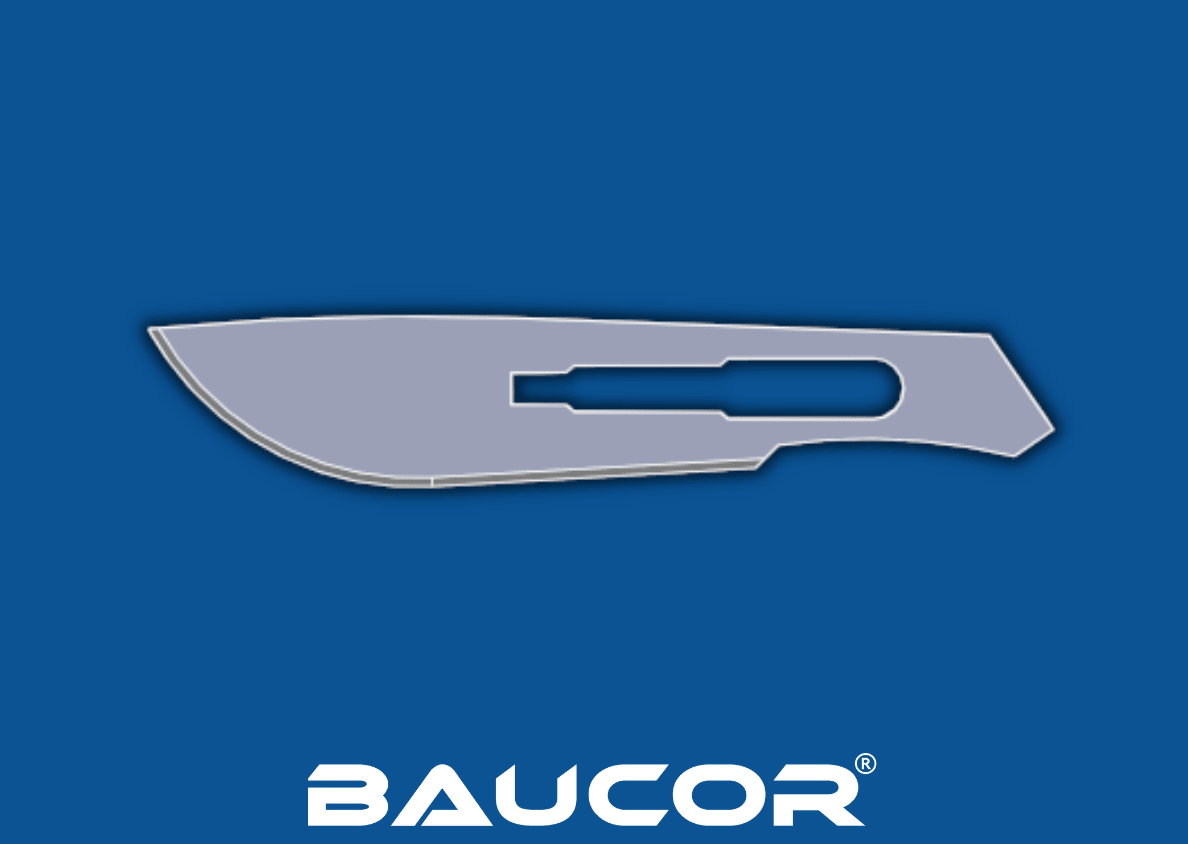
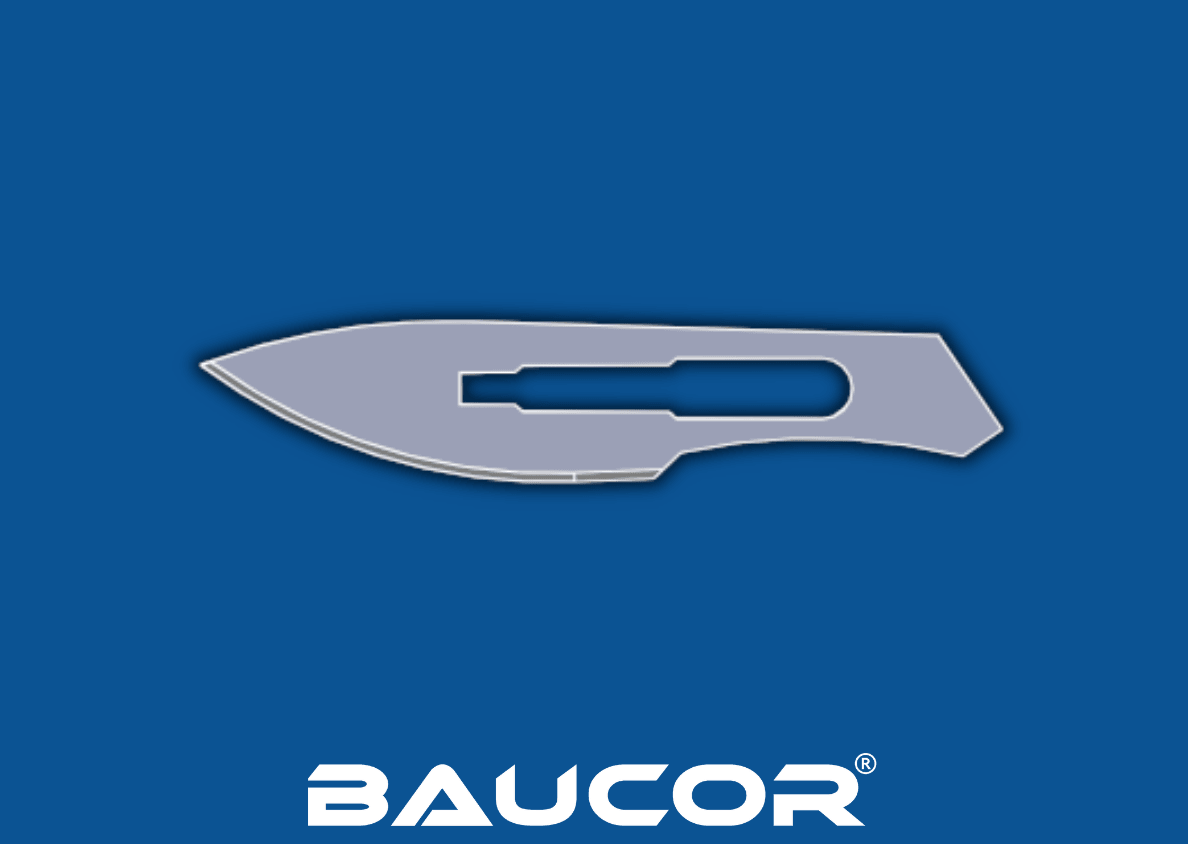
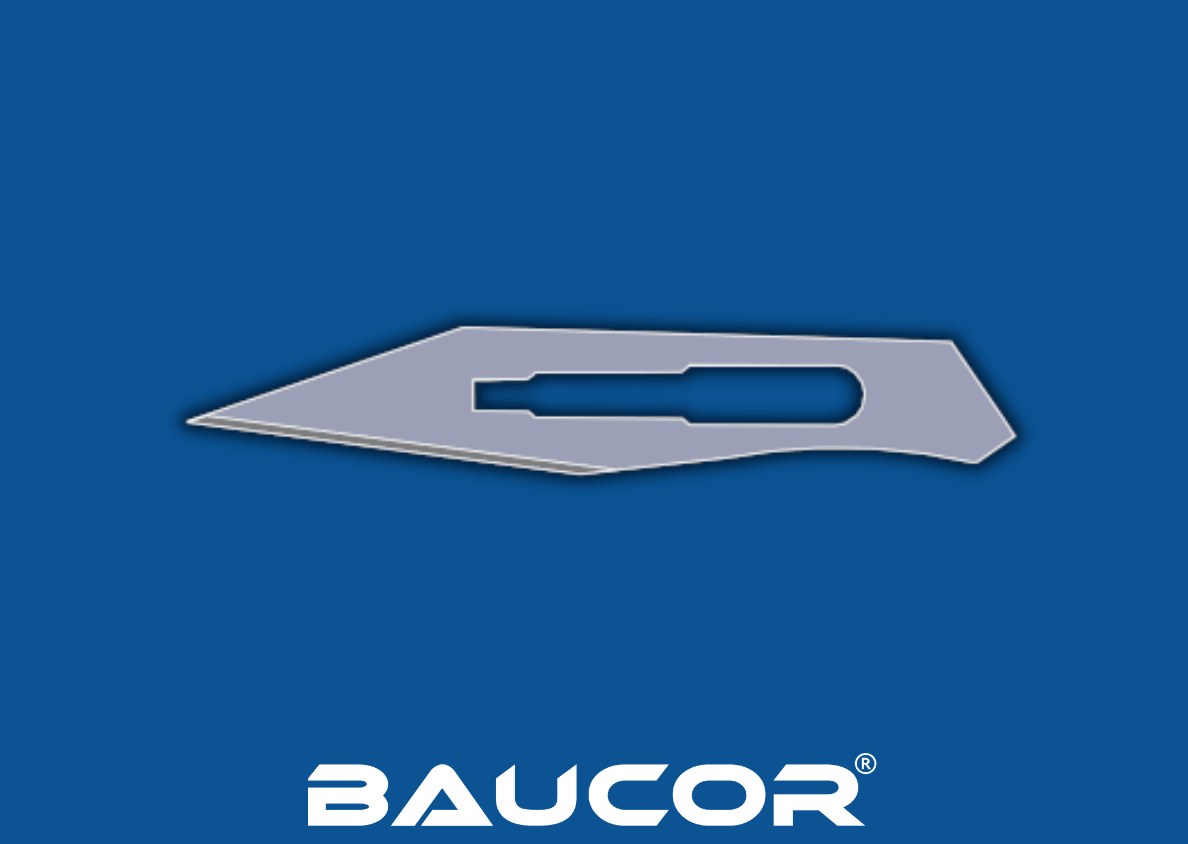
The patient is given general anesthesia during the surgery to ensure comfort and safety. The cardiovascular surgeon then uses surgical blades to create an incision to access the targeted area and perform the necessary treatment. Cardiovascular surgery depends on the specific nature of the cardiac condition.
Below is an overview of standard cardiovascular surgical procedures:
1. Minimally Invasive Procedures:
Advancements in cardiovascular surgery allow for less invasive approaches to certain cardiovascular surgeries. Minimally invasive procedures often involve smaller incisions, specialized instruments, and advanced imaging technologies. These procedures aim to reduce postoperative complications and recovery time.
2. Aneurysm repair:
Aneurysm repair addresses damaged areas in the blood vessels, preventing the risk of rupture. This procedure can use open surgery or endovascular techniques such as stent grafts, which reinforce or replace weakened vessel walls. It is a critical procedure in preventing life-threatening complications associated with vessel ruptures.
3. Valve Replacement or Repair:
Valvular surgery involves the replacement of a damaged heart valve with a prosthetic valve or repairing the existing one. Depending on the complexity of the valve condition, the surgeon may use open-heart surgery or minimally invasive techniques. This surgery is crucial for patients whose heart valves are not functioning correctly, as it can help enhance their quality of life and prevent further complications.
4. Coronary Artery Bypass Grafting (CABG):
Coronary artery bypass grafting improves the heart muscle by bypassing narrowed or blocked coronary arteries. During this procedure, the surgeon transplants a healthy blood vessel from the chest or leg to redirect blood flow. It is crucial in treating coronary artery disease and reducing the risk of heart attacks.
5. Congenital Heart Defect Repair:
Surgery is often required to correct structural abnormalities present from birth. The approach used to correct the condition varies depending on the specific congenital disability and may involve repairing heart chambers, closing septal defects, or reconstructing abnormal blood vessels. Congenital heart defect repair aims to improve overall heart function and address potential complications associated with congenital heart defects.
6. Heart transplant:
If the patient experiences severe heart failure, surgeons may recommend a heart transplant as a treatment option. Heart transplantation is a life-saving option reserved for patients with end-stage heart failure. In this procedure, surgeons replace the patient's heart with a healthy donor heart.
After the surgical procedure, the incision is carefully sealed, and sterile dressings are applied to the treated area to promote faster healing and prevent infections.