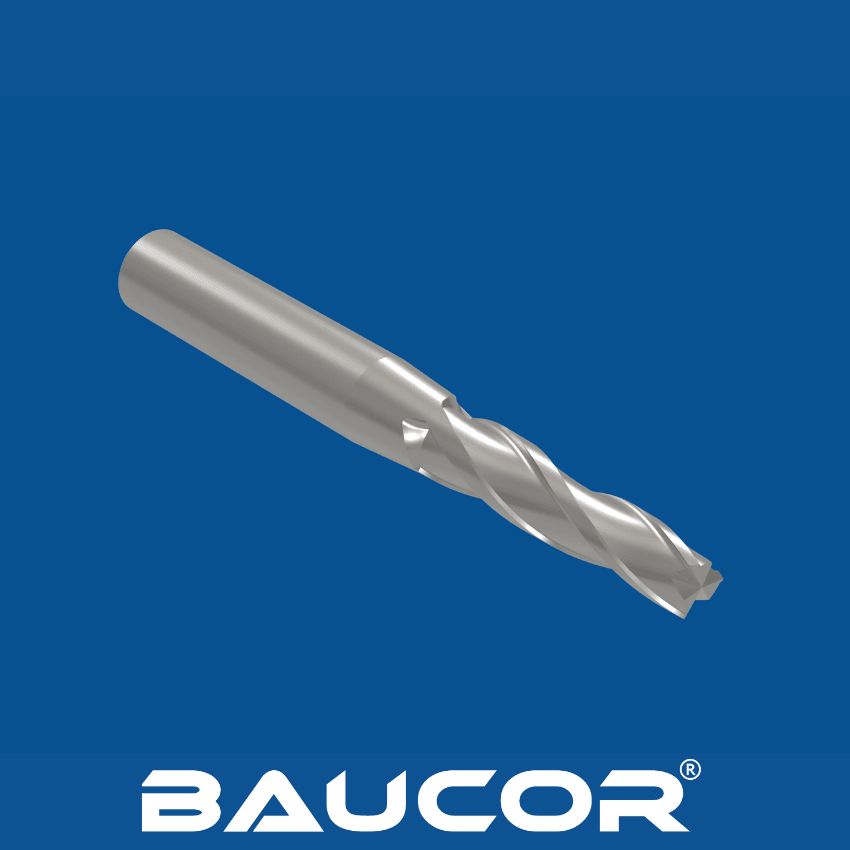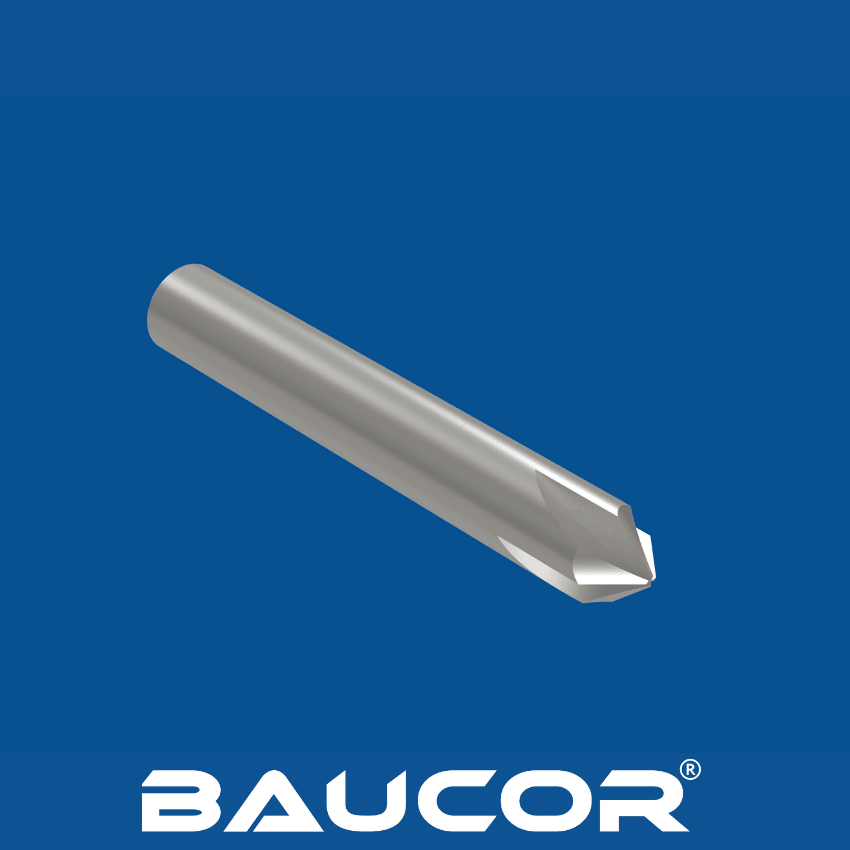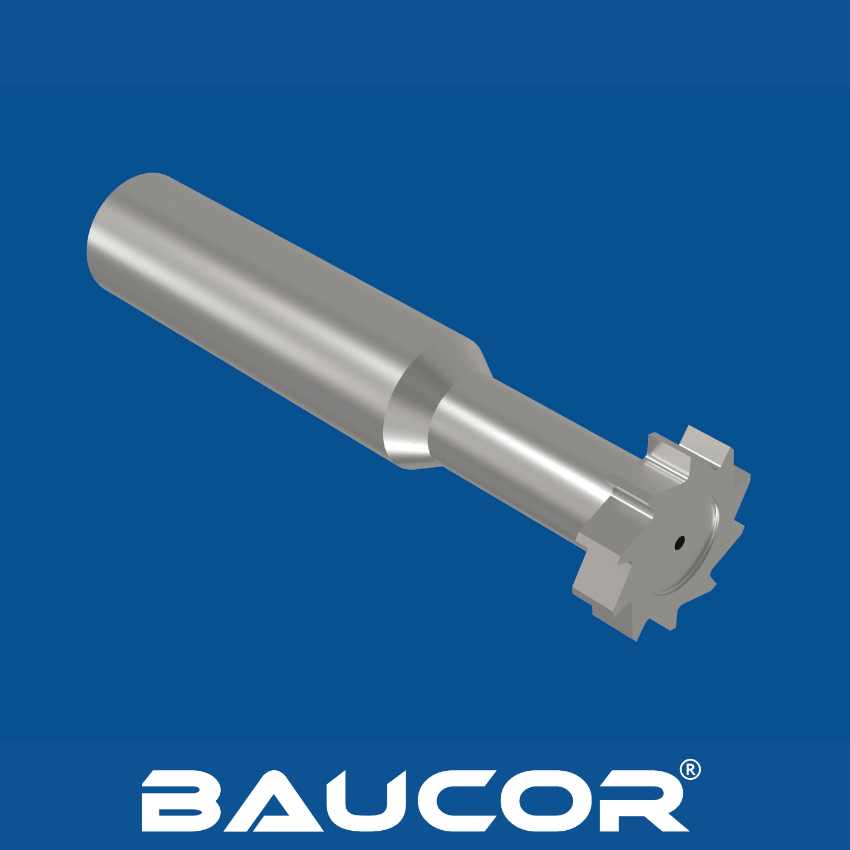
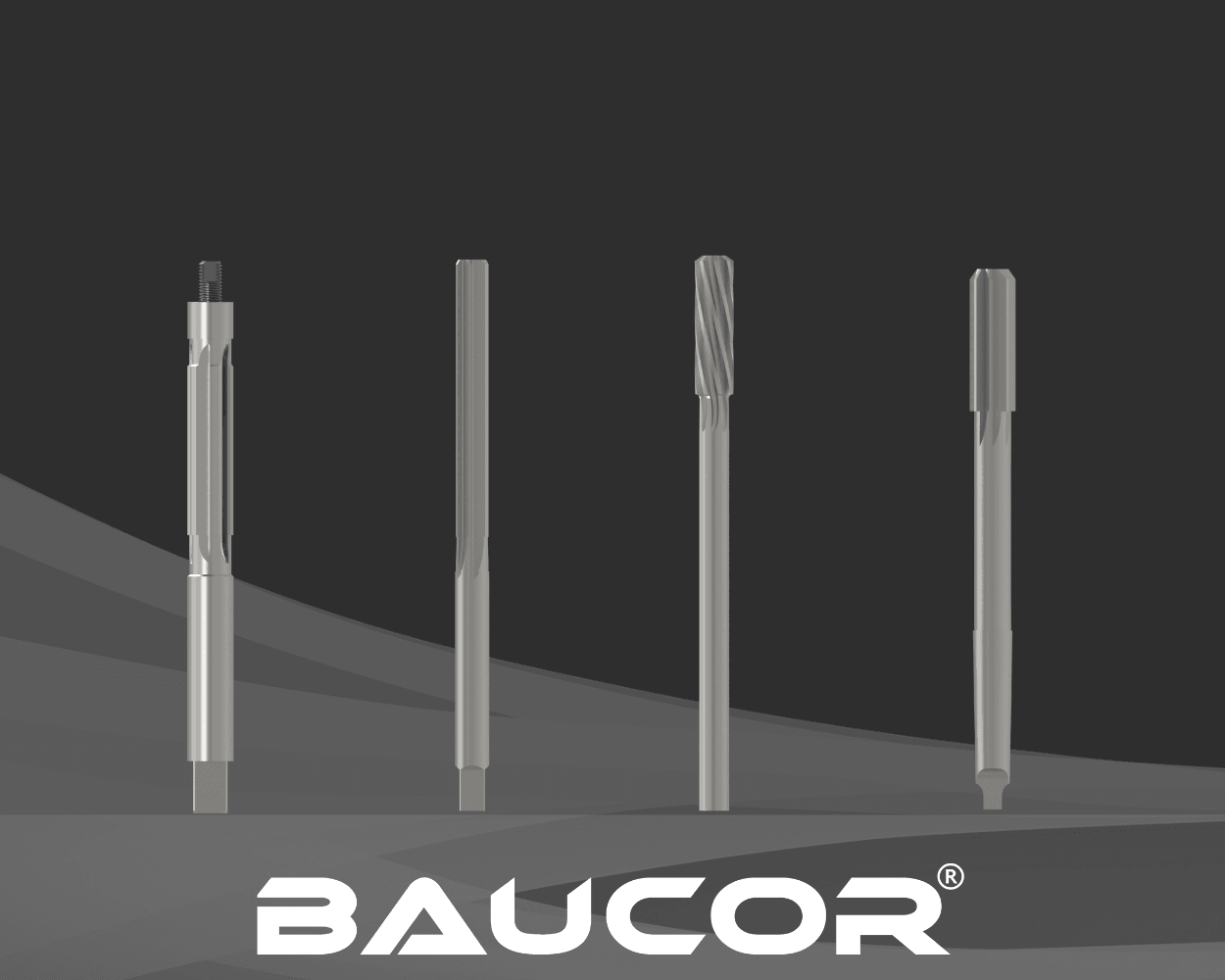

Turning and Milling
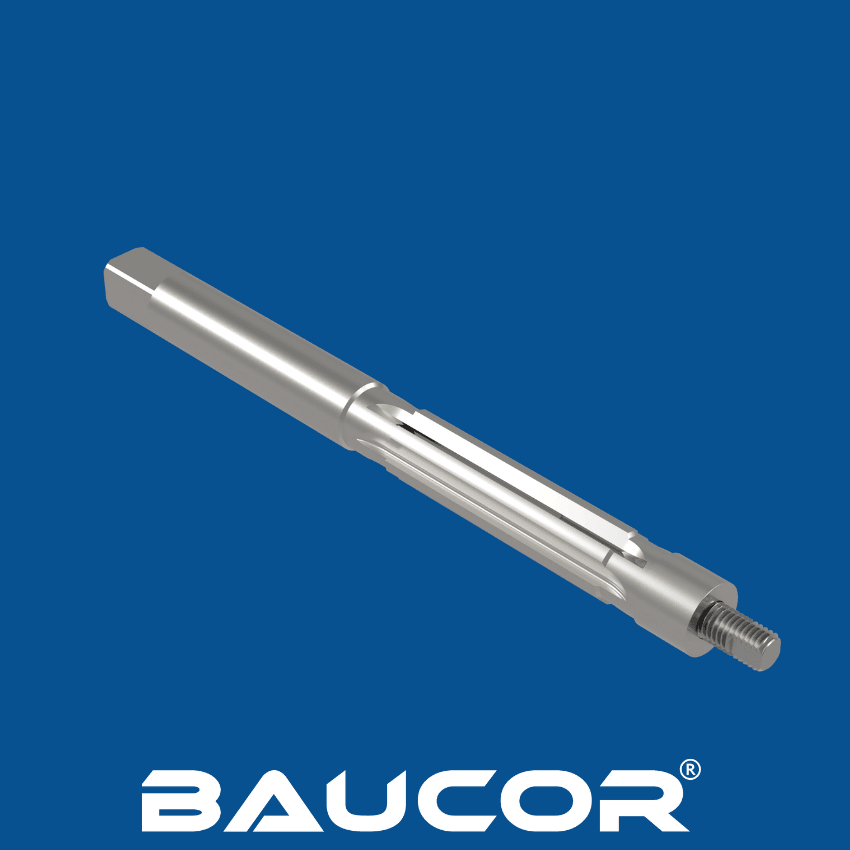
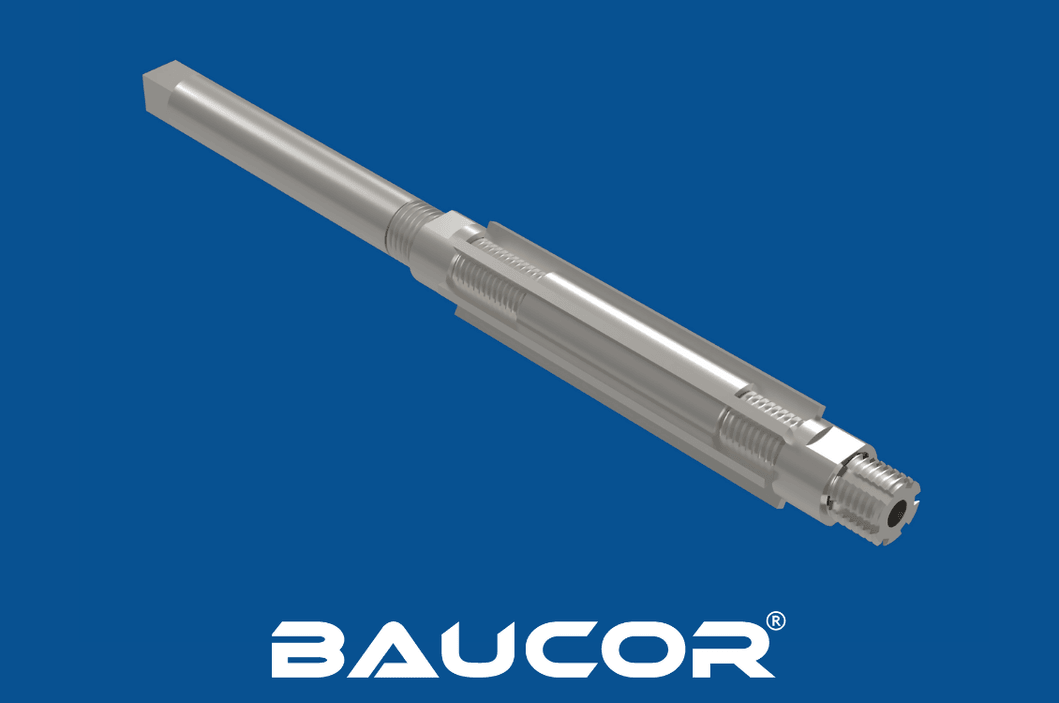
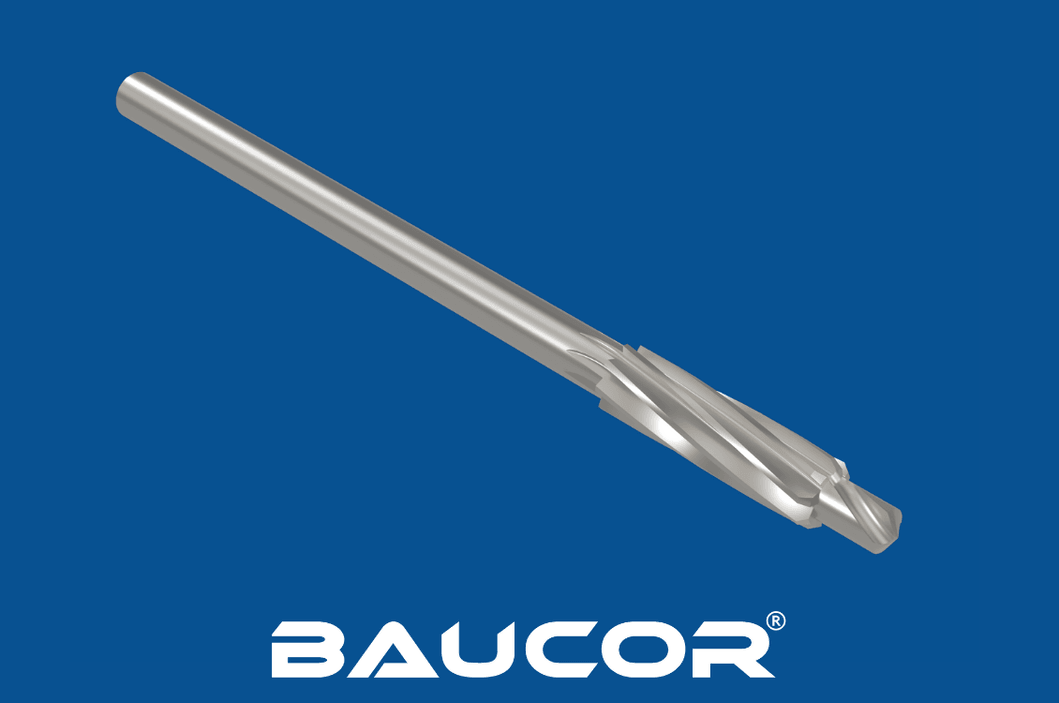
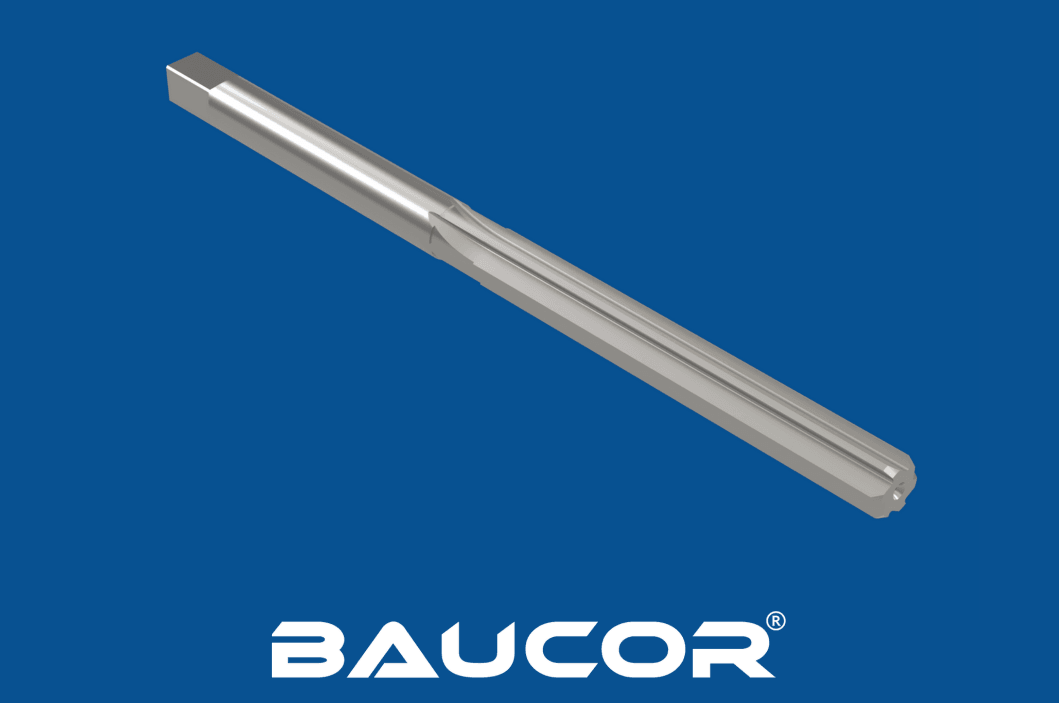
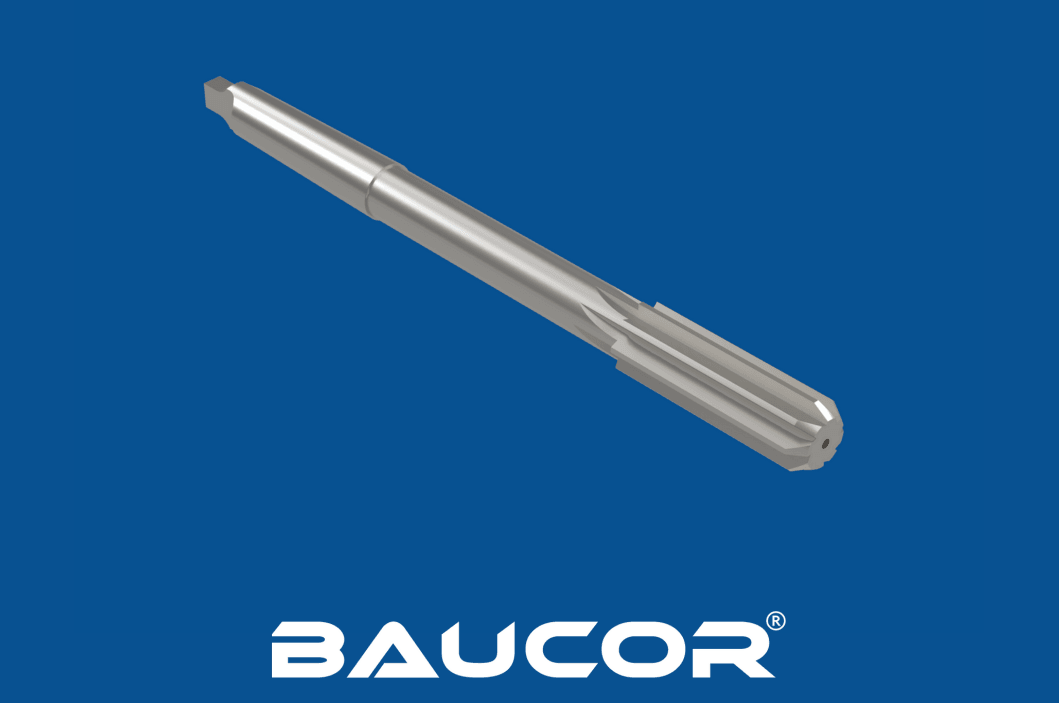
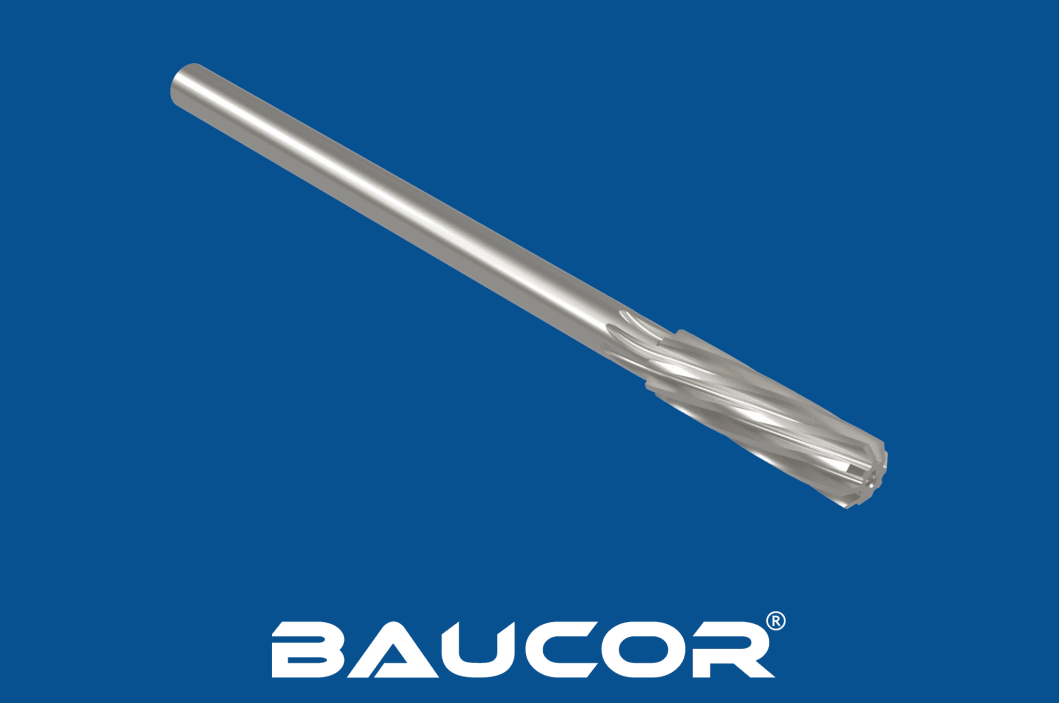
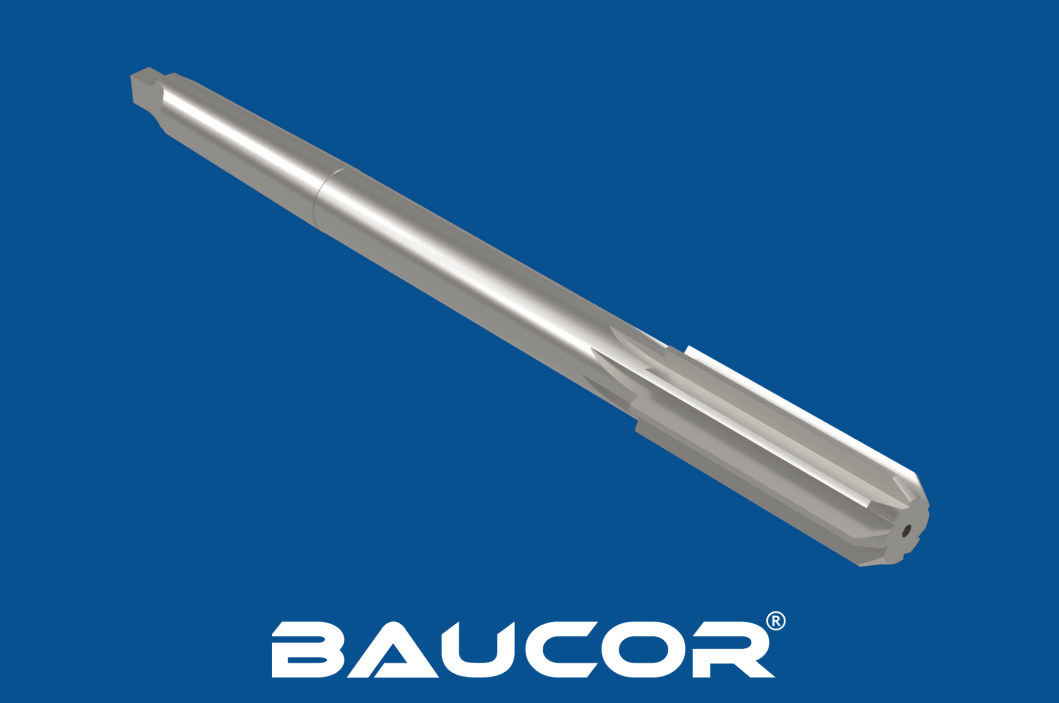
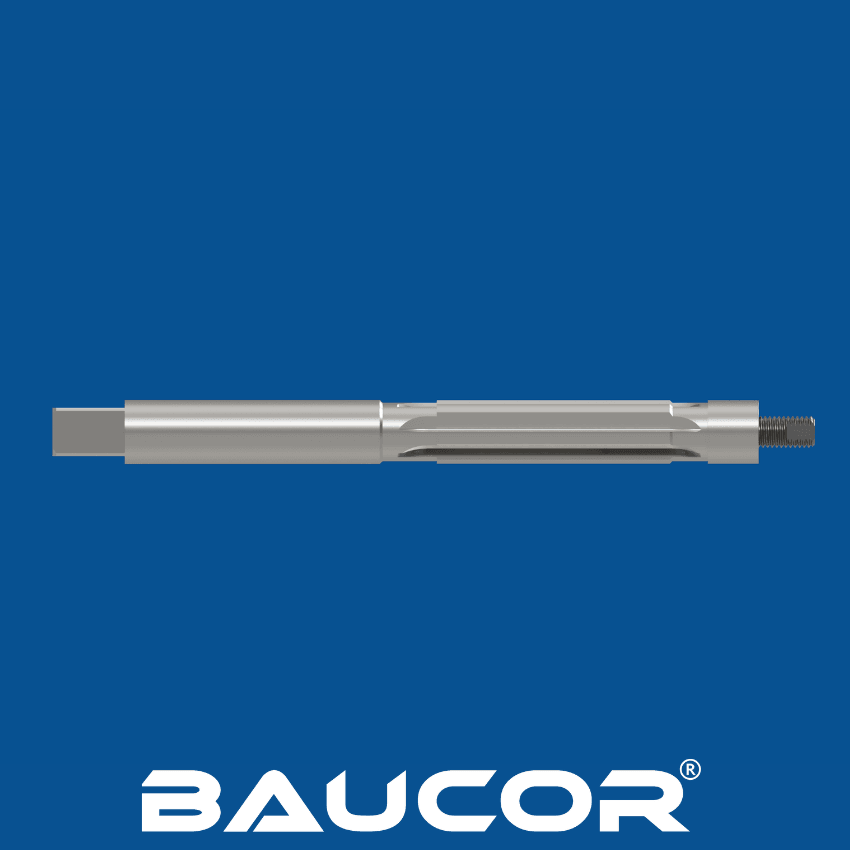
The blanks are mounted on a lathe or CNC machine for turning operations to create the external profile, including the tapered shank and body.
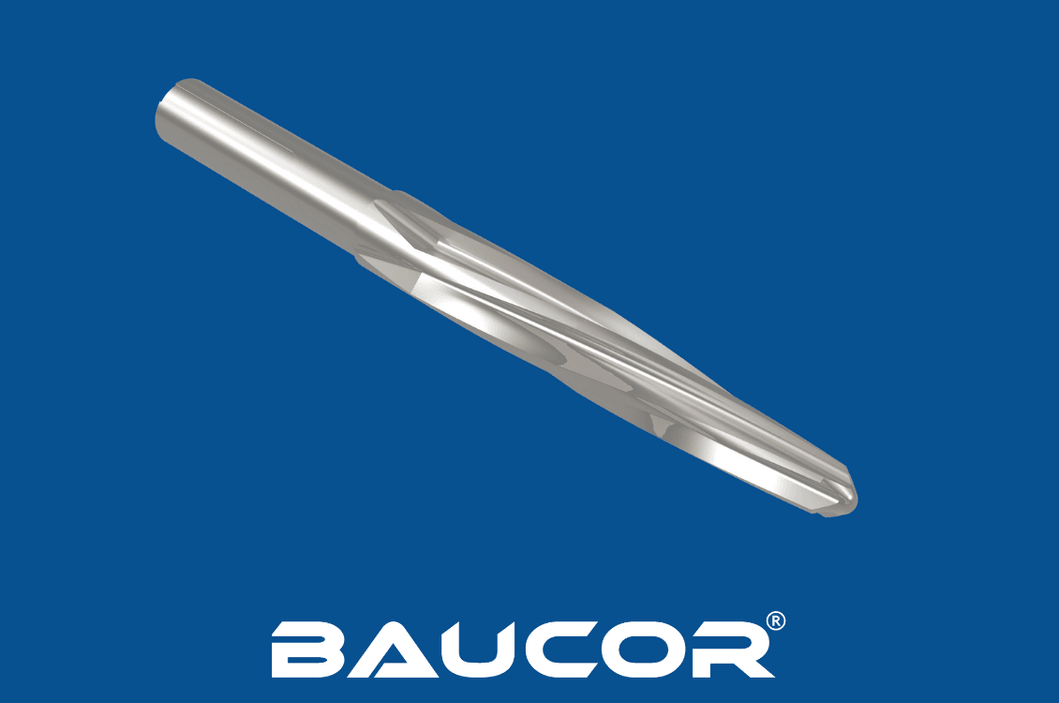
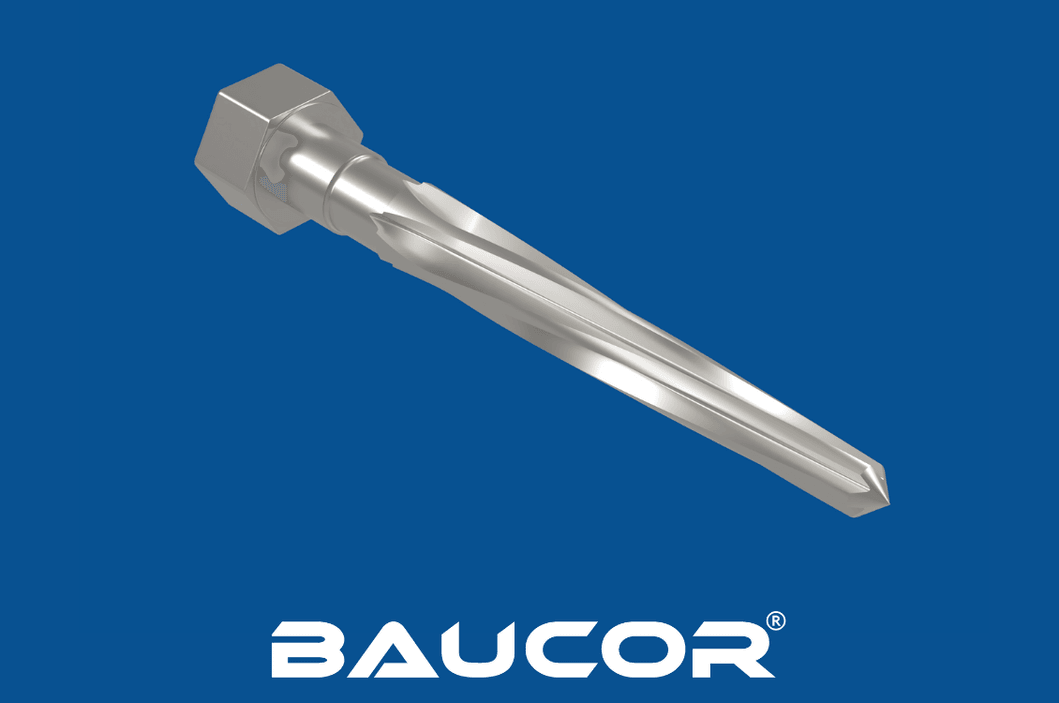
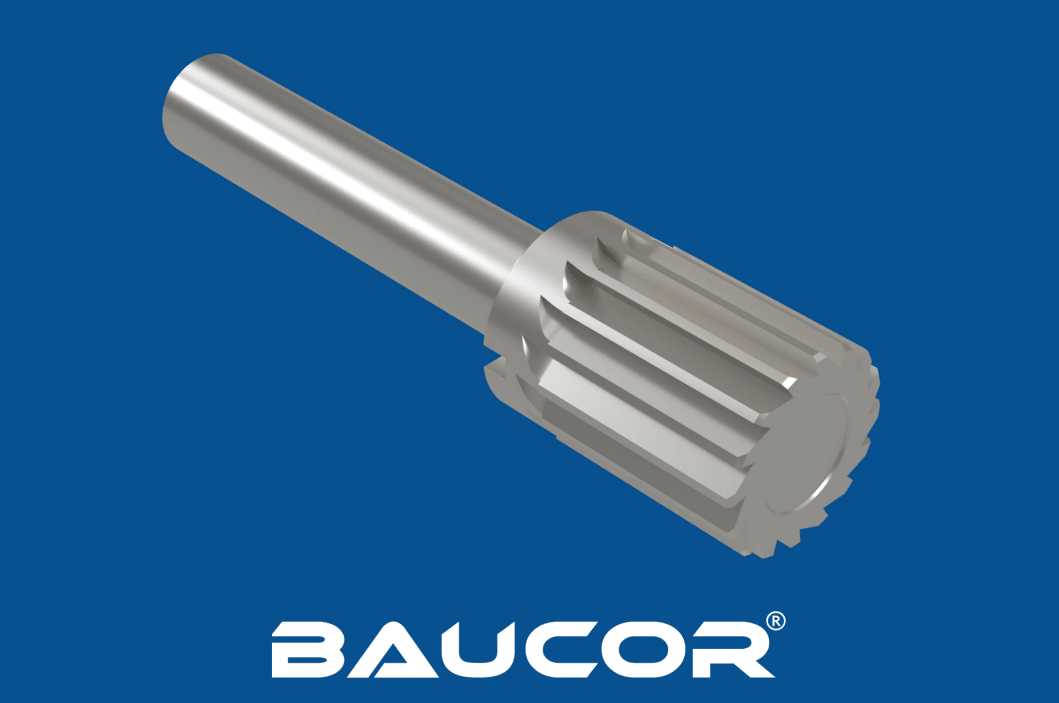
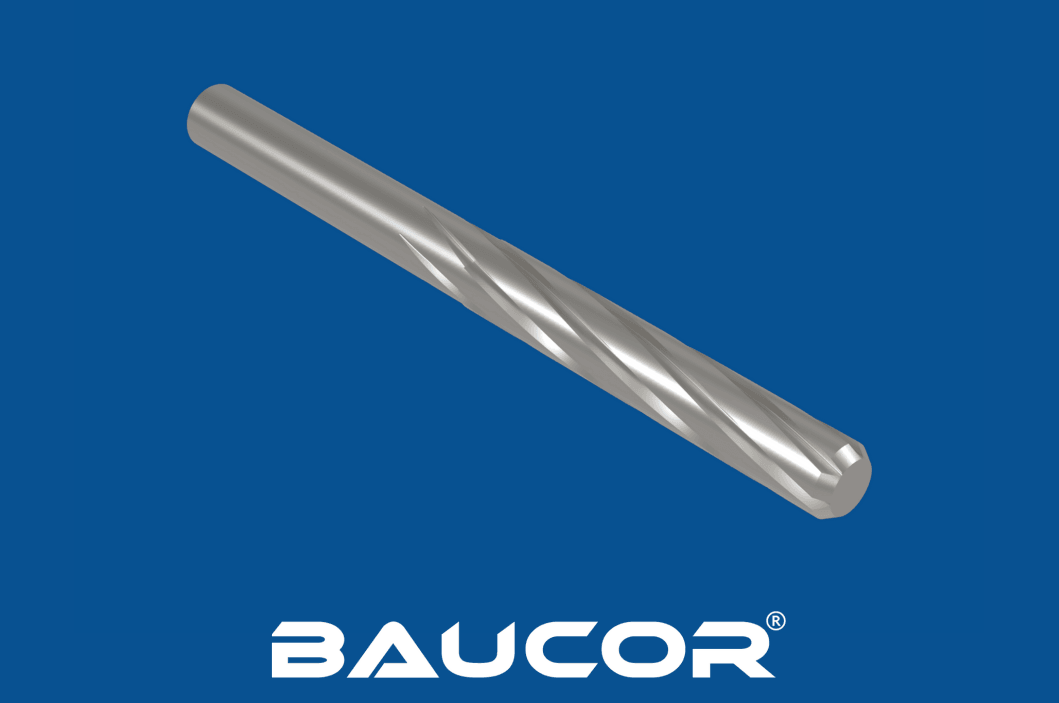
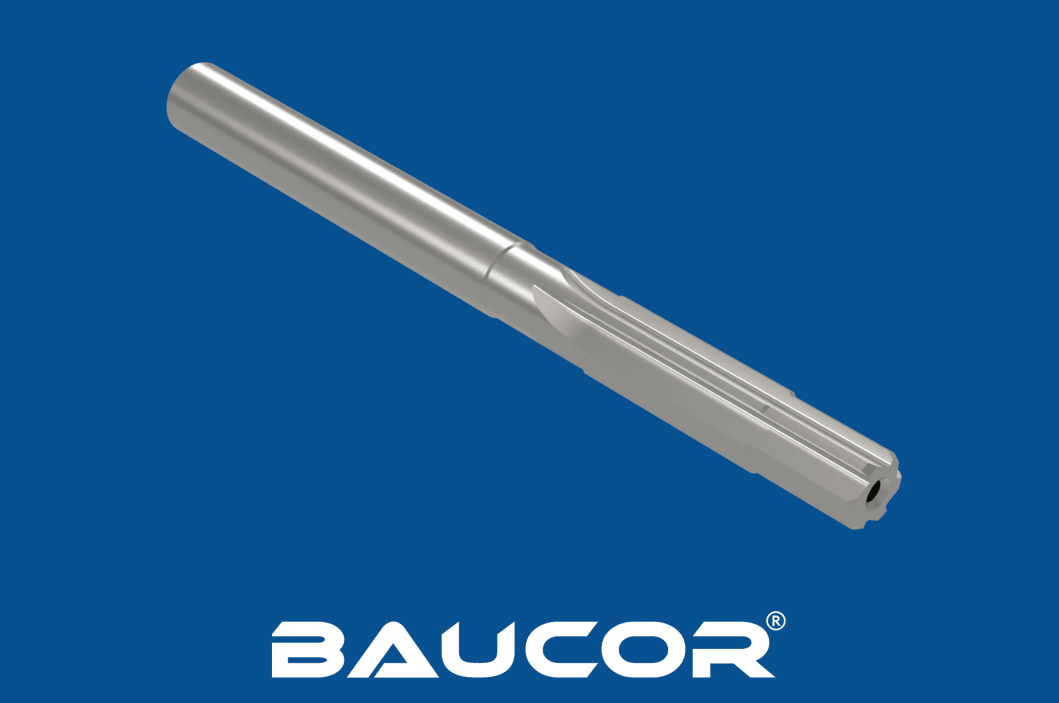
Milling operations are used to create the flutes (cutting edges) and the adjusting screw mechanism.
Heat Treatment:
The reamers undergo hardening and tempering processes to achieve the desired hardness and toughness.
Hardening involves heating the reamer to a high temperature and then rapidly cooling it to create a martensitic structure, increasing hardness.
Tempering involves reheating the reamer to a lower temperature and then cooling it slowly to reduce brittleness and improve toughness.
Grinding and Finishing:
Precision grinding operations are performed to achieve the final dimensions and surface finish of the reamer.
The flutes are ground to the correct angles and clearances for optimal cutting performance.
The adjusting screw mechanism is also ground to ensure smooth and accurate expansion.
Inspection and Quality Control:
Each reamer undergoes rigorous inspection to verify its dimensions, cutting geometry, and surface finish.
They are also tested for functionality and cutting performance to ensure they meet the required standards.
Marking and Packaging:
The reamers are marked with relevant information such as size, material, and manufacturer's identification.
They are then packaged for distribution and sale.
The manufacturing process of expansion reamers requires specialized knowledge, precision machining capabilities, and stringent quality control measures to ensure the production of high-quality tools that deliver accurate and reliable performance in various applications.