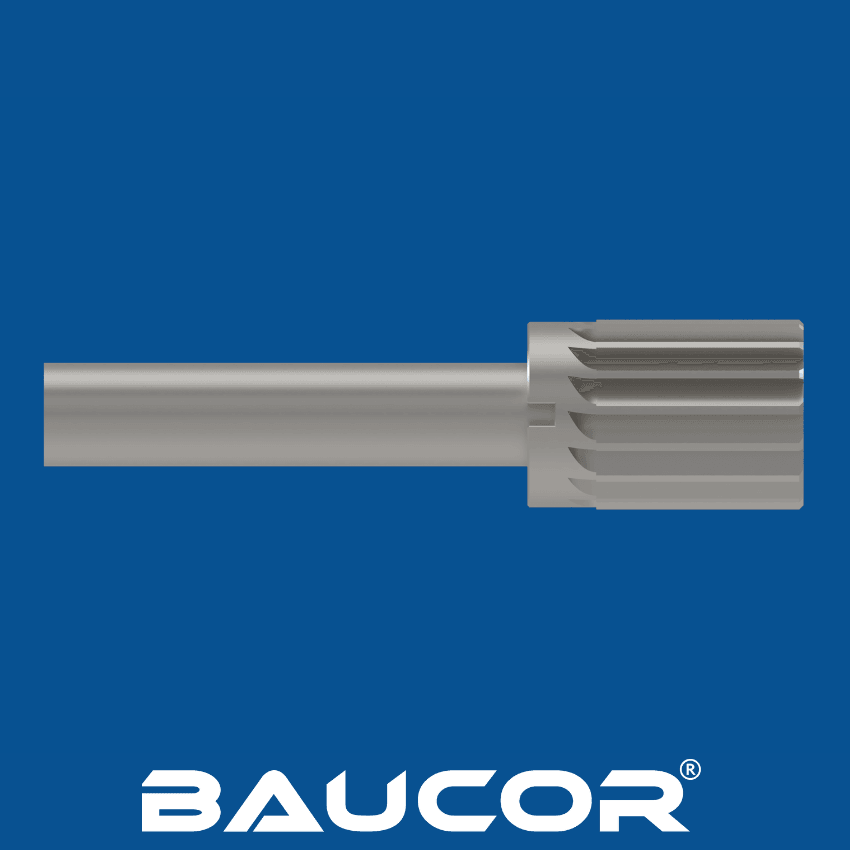
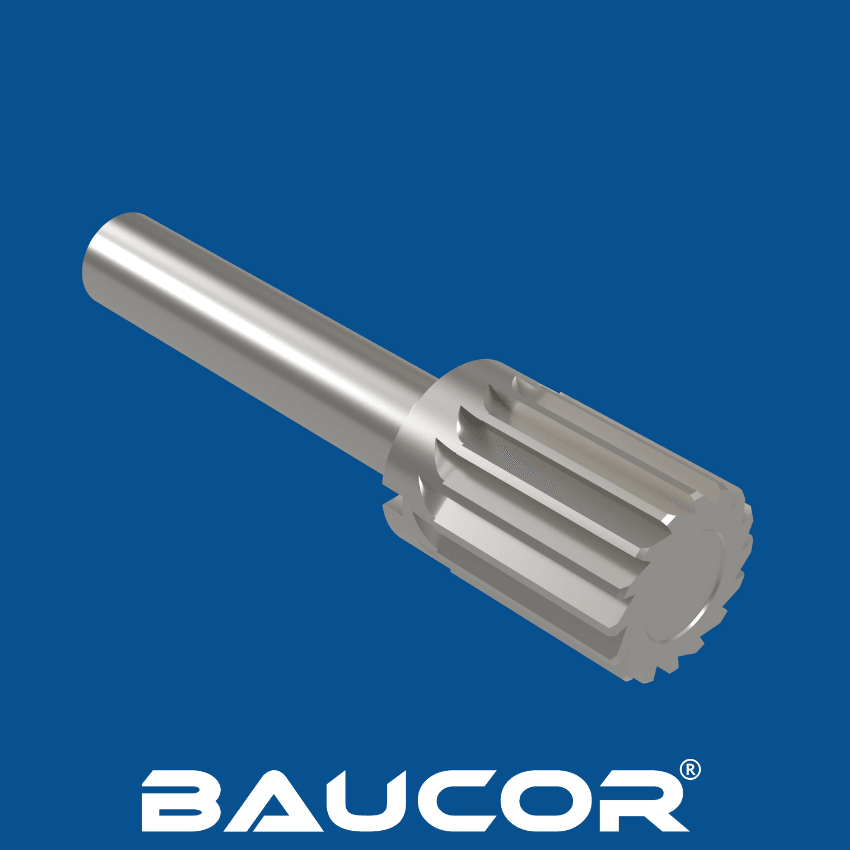
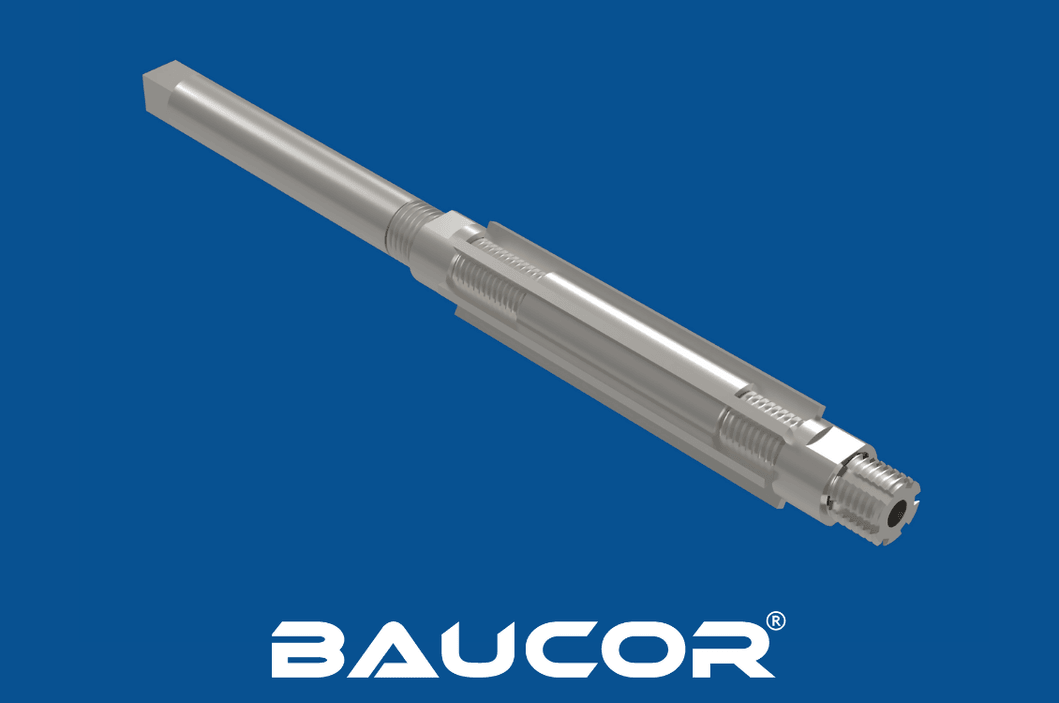
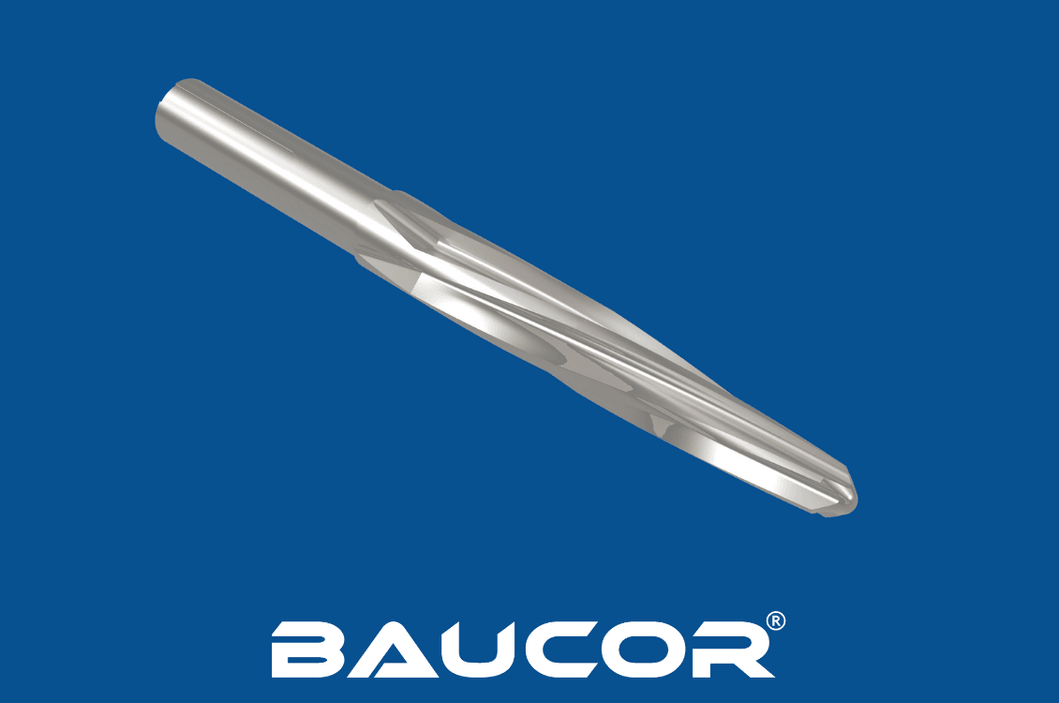
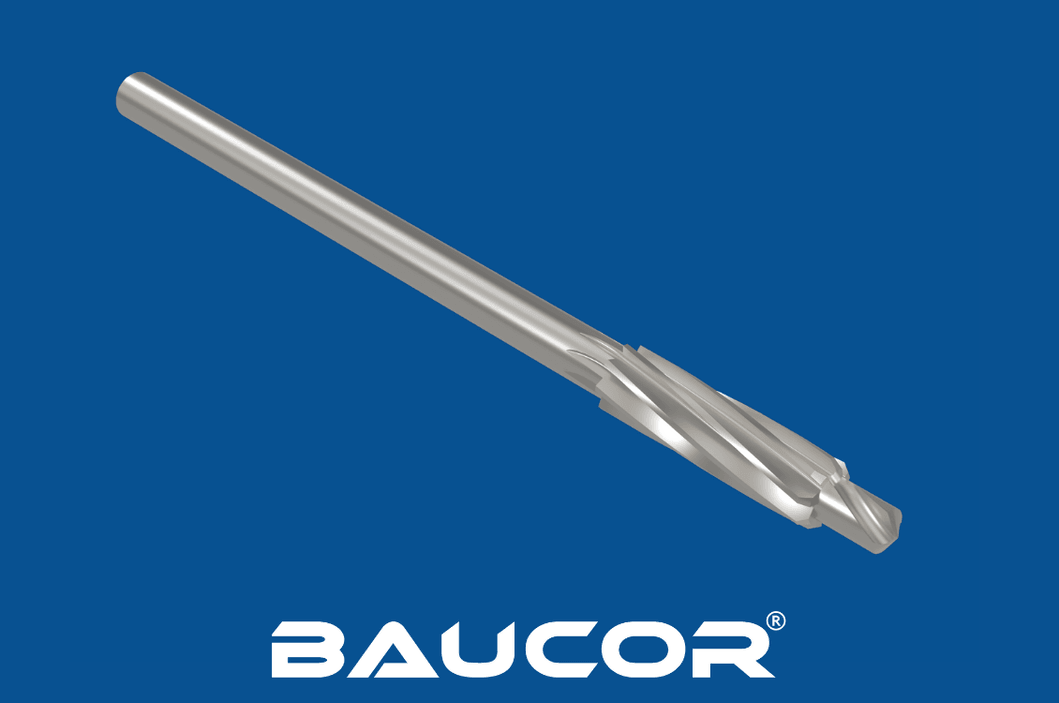
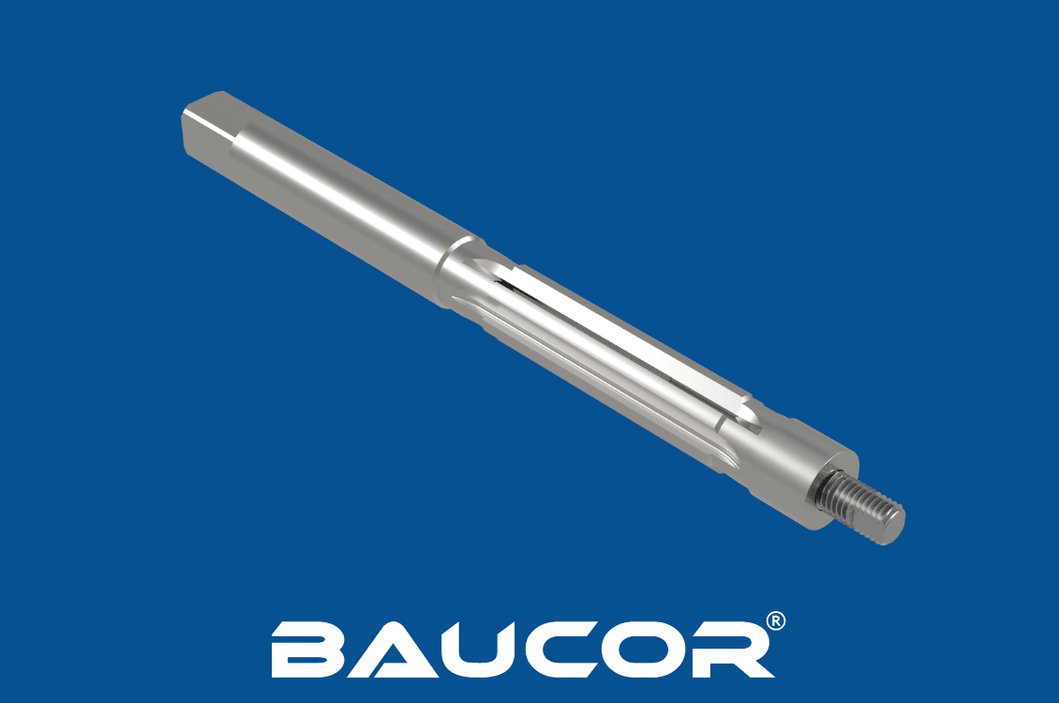
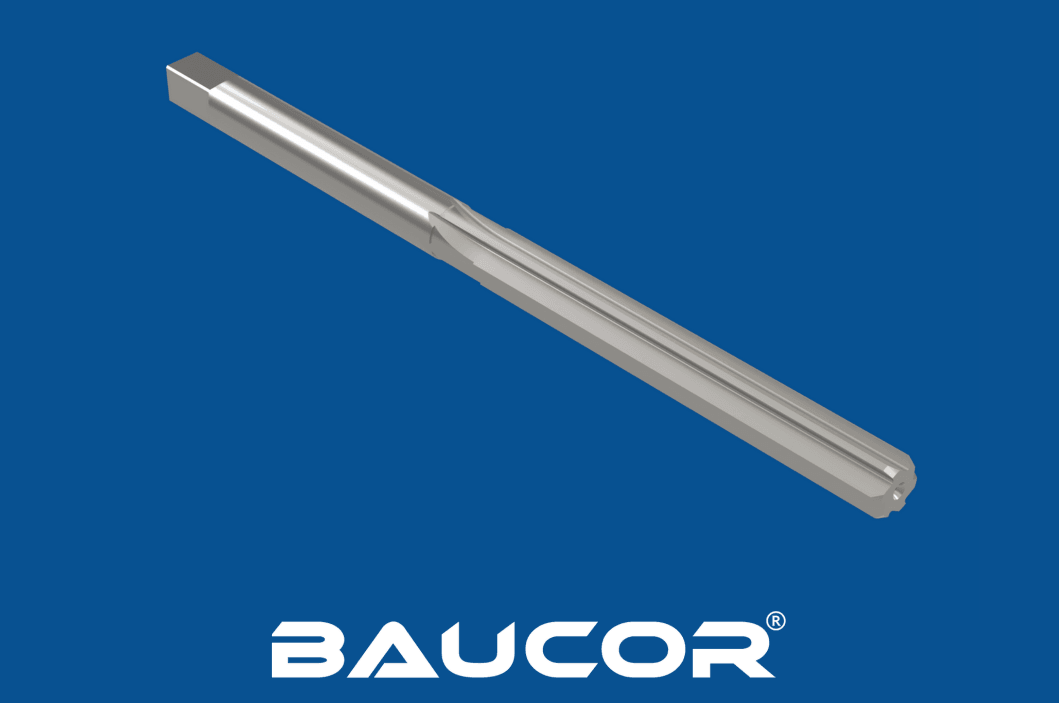
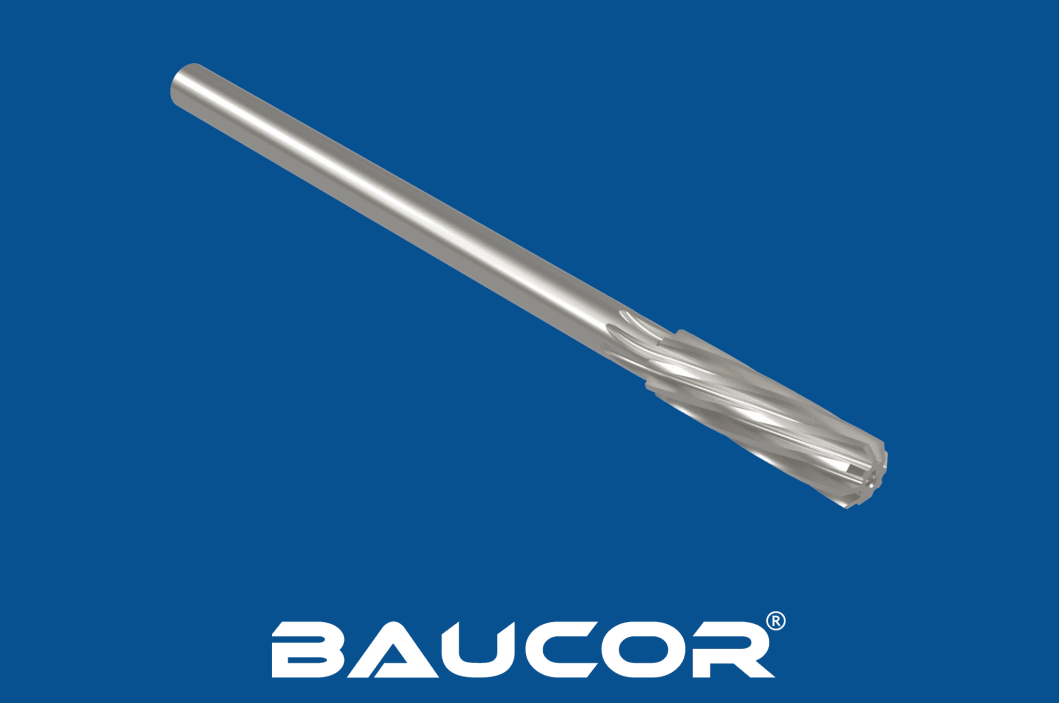
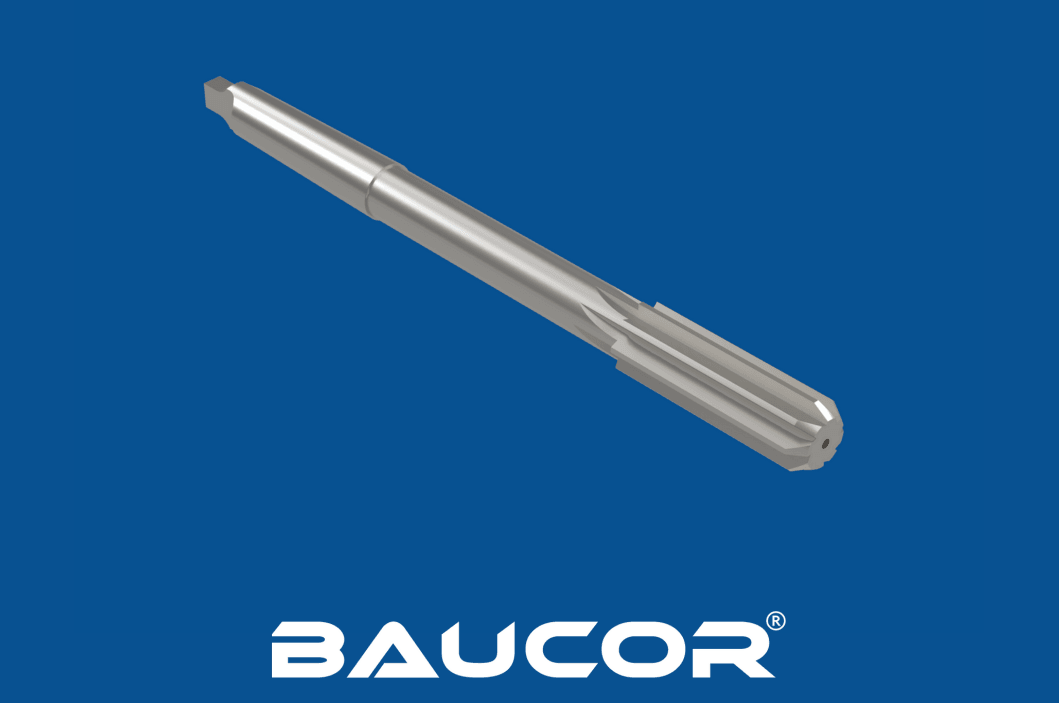
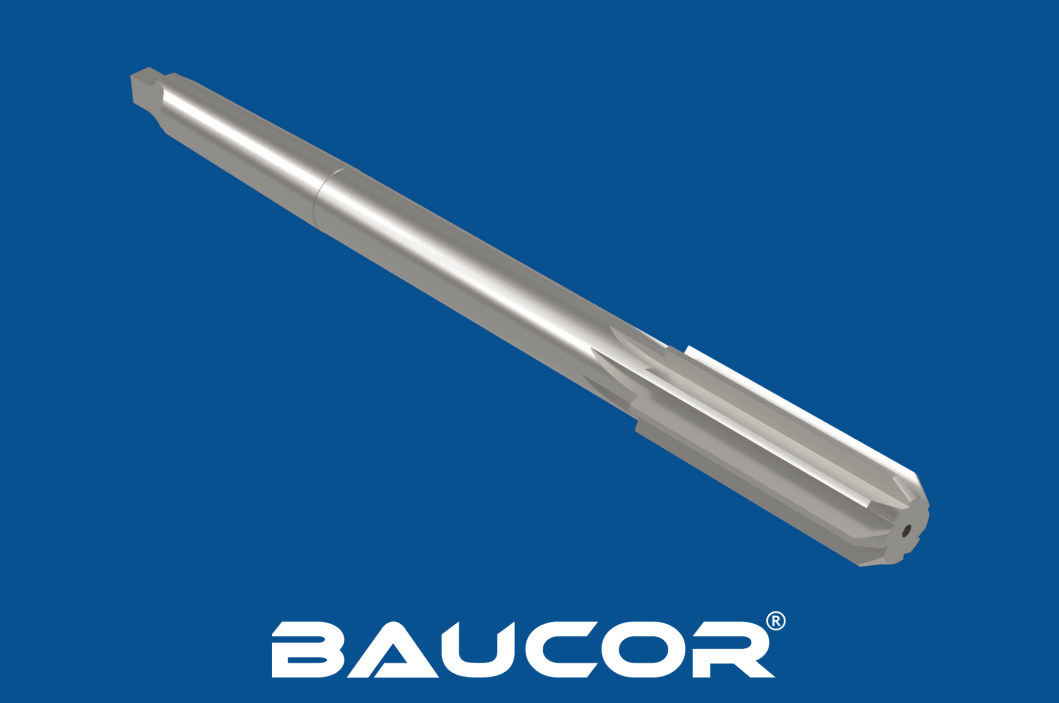
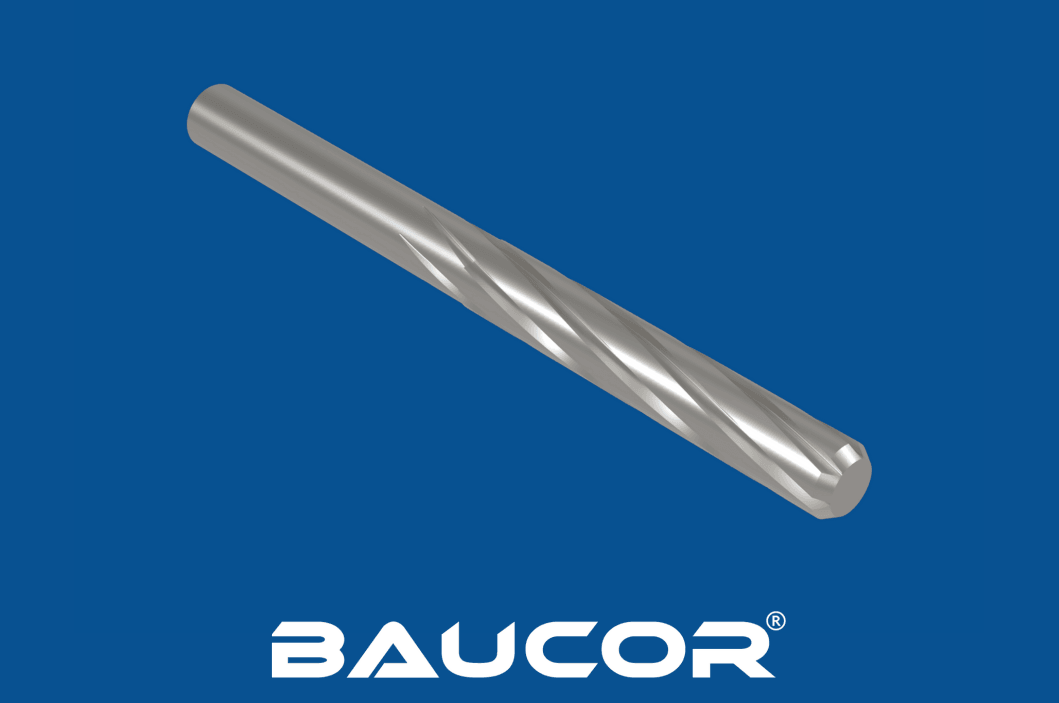
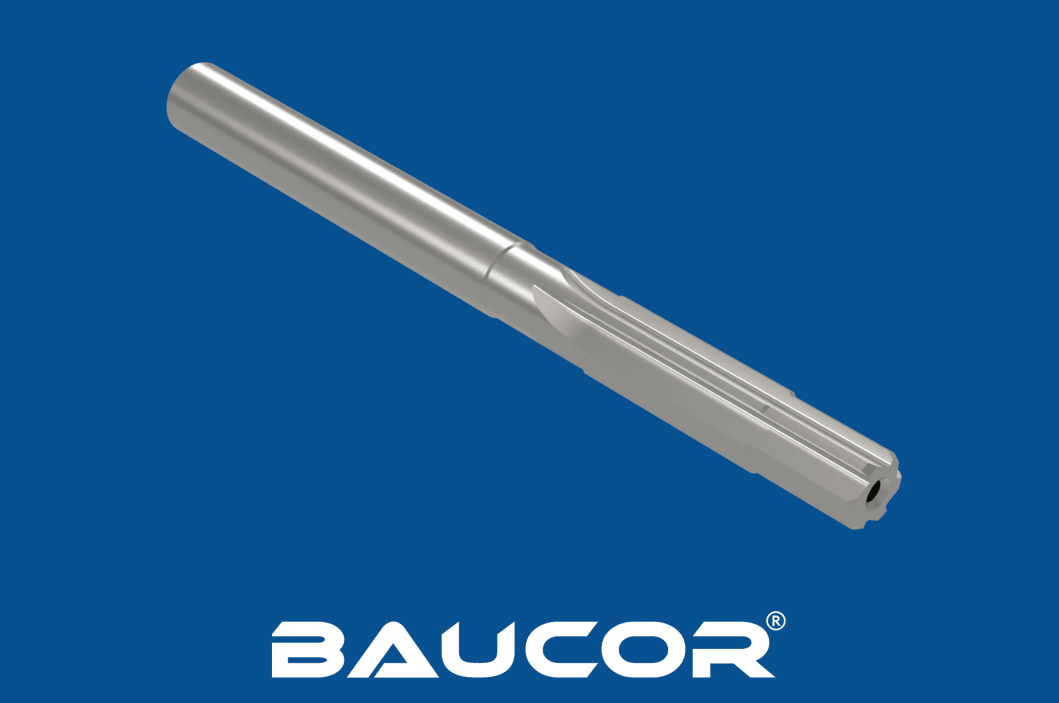
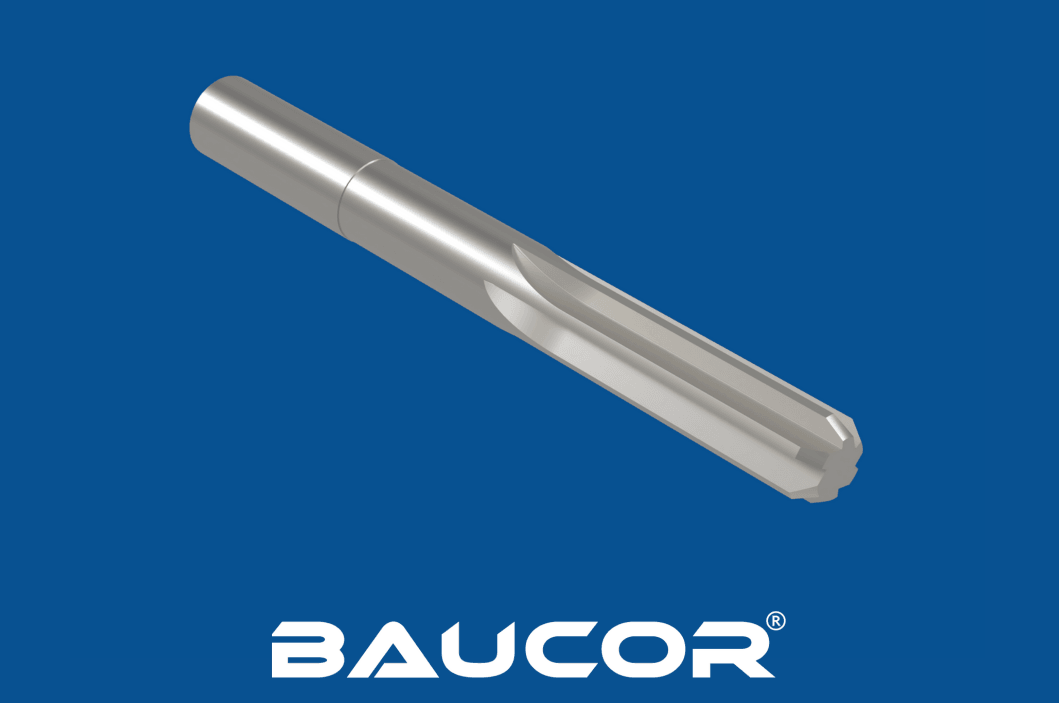
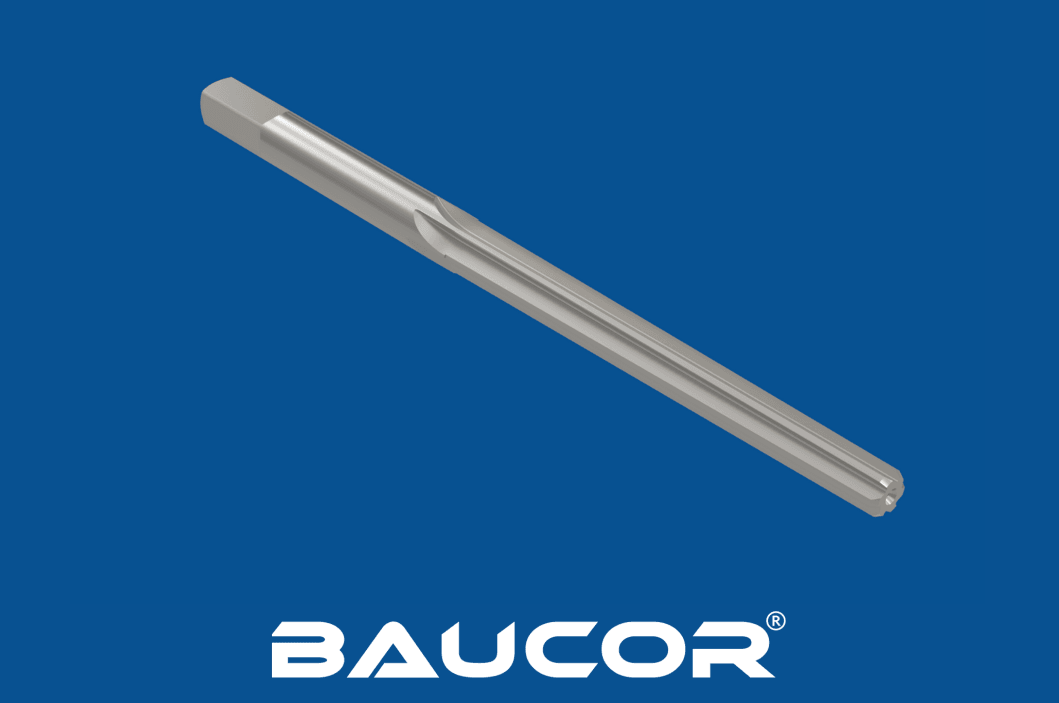
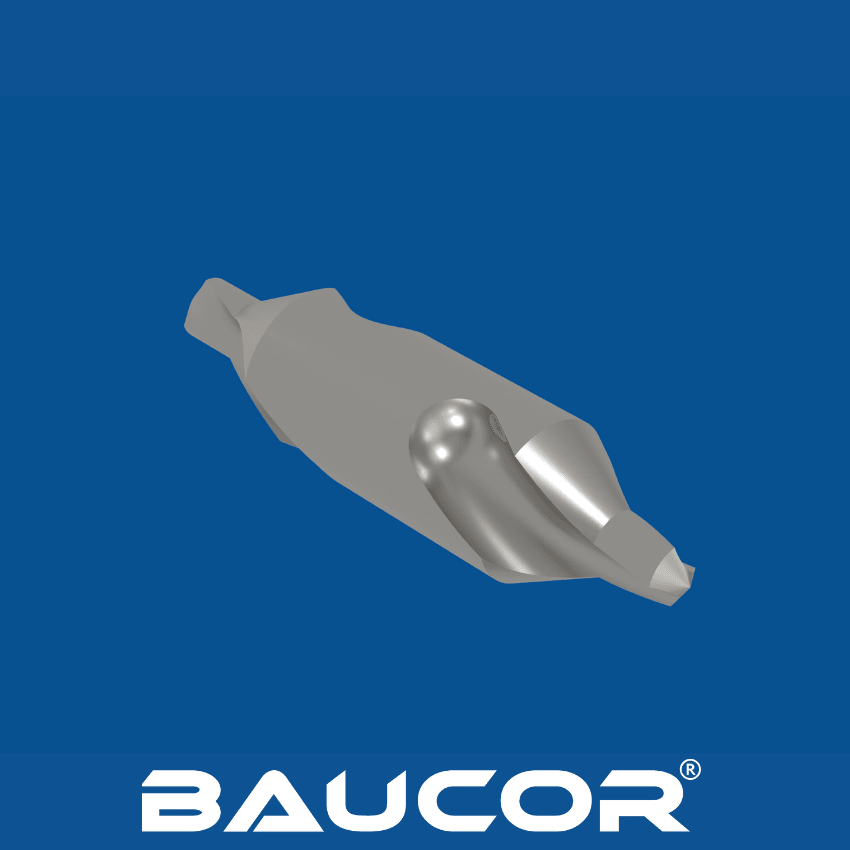
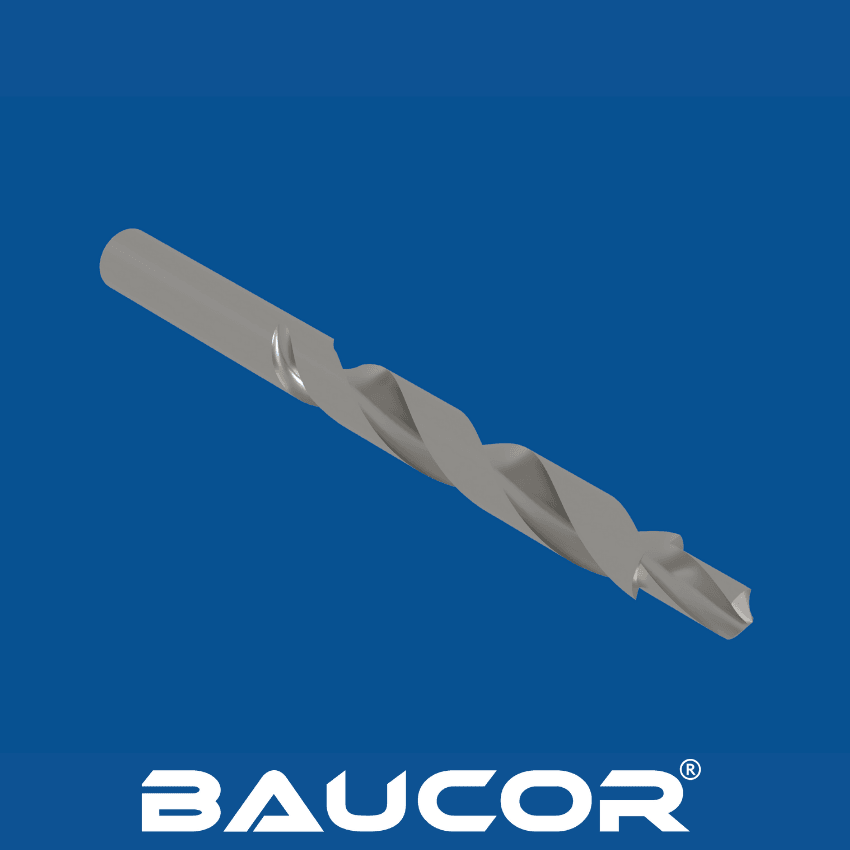
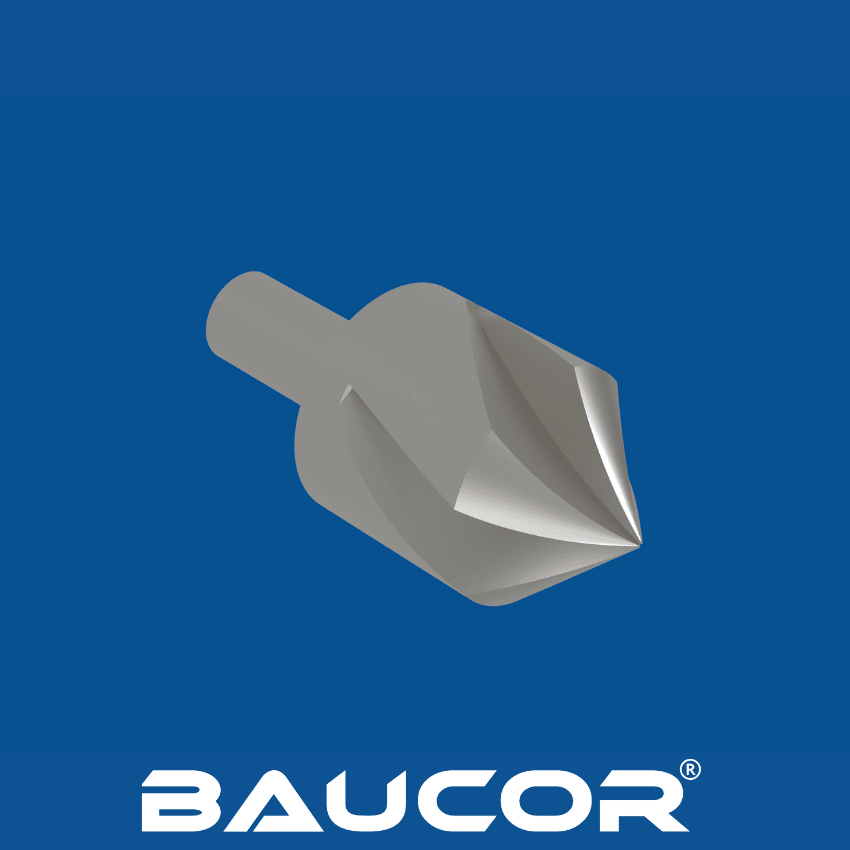
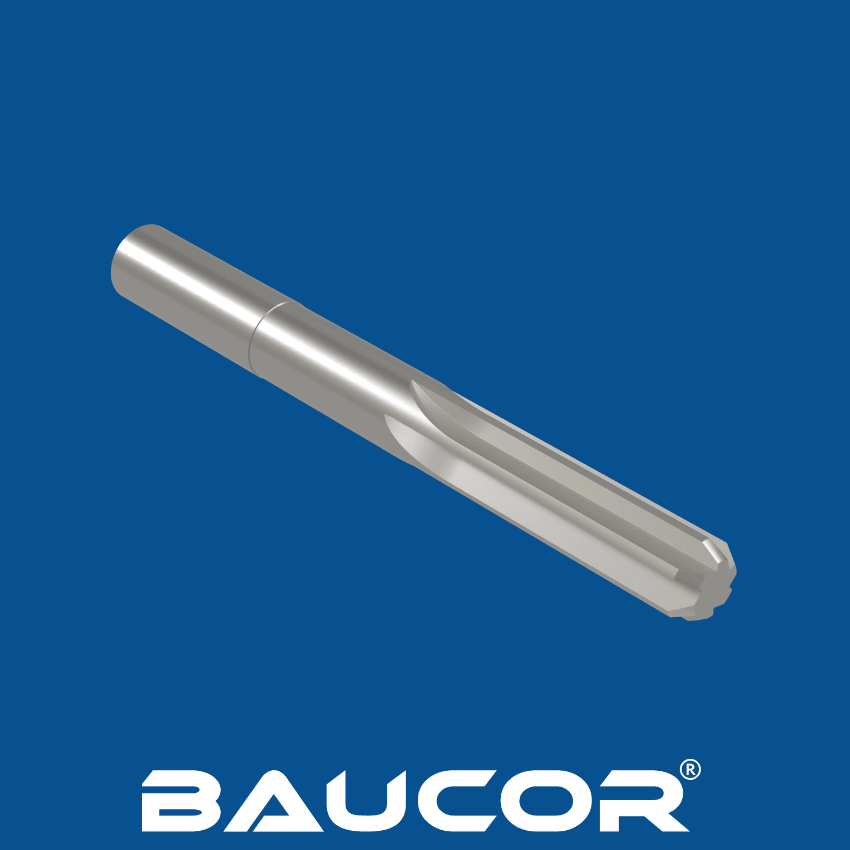
Coating shell reamers can significantly enhance their performance, tool life, and overall effectiveness. These coatings provide a protective layer that reduces friction, increases wear resistance, and improves heat dissipation. Here's a comprehensive list of coatings commonly used on shell reamers:
PVD Coatings (Physical Vapor Deposition):
Titanium Nitride (TiN):
- The most common coating for general-purpose reaming.
- Offers excellent hardness, wear resistance, and reduced friction.
- Provides a gold-colored finish.
- Suitable for reaming most common materials, including steel, cast iron, aluminum, and plastics.
Titanium Carbonitride (TiCN):
- Harder and more wear-resistant than TiN.
- Provides a silver-gray or dark gray finish.
- Ideal for reaming abrasive materials, hardened steels, and stainless steel.
Titanium Aluminum Nitride (TiAlN):
- Offers superior hardness and heat resistance compared to TiN and TiCN.
- Exhibits a violet or purple color.
- Ideal for high-speed reaming, dry reaming, and reaming of difficult-to-machine materials.
Aluminum Titanium Nitride (AlTiN):
- Provides excellent thermal stability and oxidation resistance.
- Exhibits a light gray or dark gray color.
- Ideal for high-temperature reaming applications and reaming of titanium alloys.
- Chromium Nitride (CrN):
- Offers good adhesion to the substrate and excellent corrosion resistance.
- Exhibits a silver-gray color.
- Suitable for reaming corrosive materials and wet reaming applications.
CVD Coatings (Chemical Vapor Deposition):
- Aluminum Oxide (Al2O3):
- Provides excellent wear resistance, thermal stability, and chemical inertness.
- Exhibits a clear or white color.
- Suitable for high-speed reaming, dry reaming, and reaming of abrasive materials.
Other Coatings:
- Diamond-Like Carbon (DLC):
- Offers extremely low friction coefficient and excellent wear resistance.
- Exhibits a black or dark gray color.
- Ideal for reaming non-ferrous materials, plastics, and composite materials.
- Polycrystalline Diamond (PCD):
- The hardest known material, offering unmatched wear resistance.
- Used for reaming extremely abrasive materials like graphite, fiberglass, and ceramics.
Choosing the Right Coating:
The selection of the optimal coating for your shell reamer depends on several factors, including:
- Workpiece Material: Different coatings are suitable for different workpiece materials. Consider the hardness, abrasiveness, and reactivity of the material being reamed.
- Reaming Conditions: Cutting speeds, feeds, coolant usage, and the presence of abrasive contaminants will influence the coating's performance and longevity.
- Cost Considerations: The cost of the coating and its expected benefits in terms of tool life and productivity should be weighed against the overall cost of the operation.
By carefully evaluating these factors and choosing the appropriate coating, you can significantly enhance the performance, durability, and cost-effectiveness of your shell reamers.