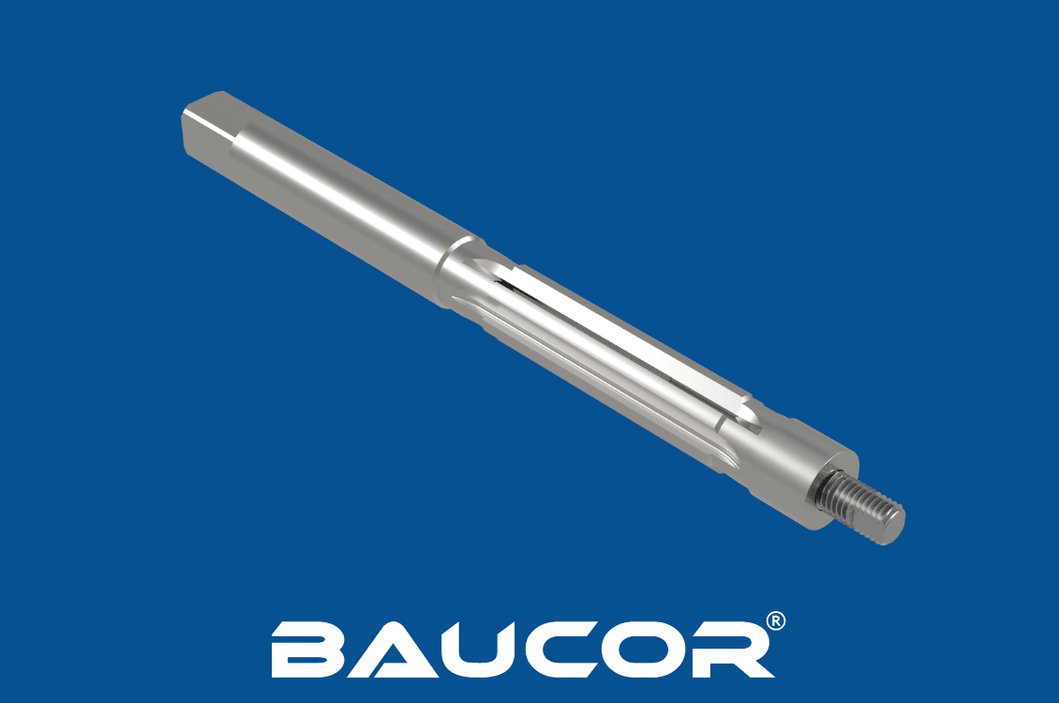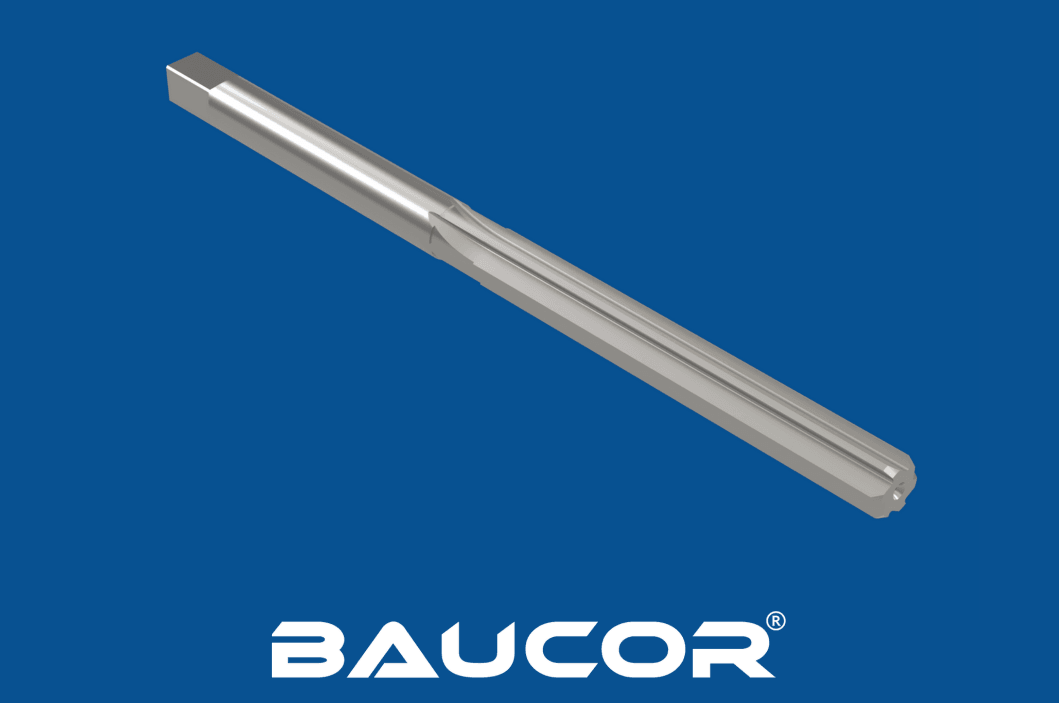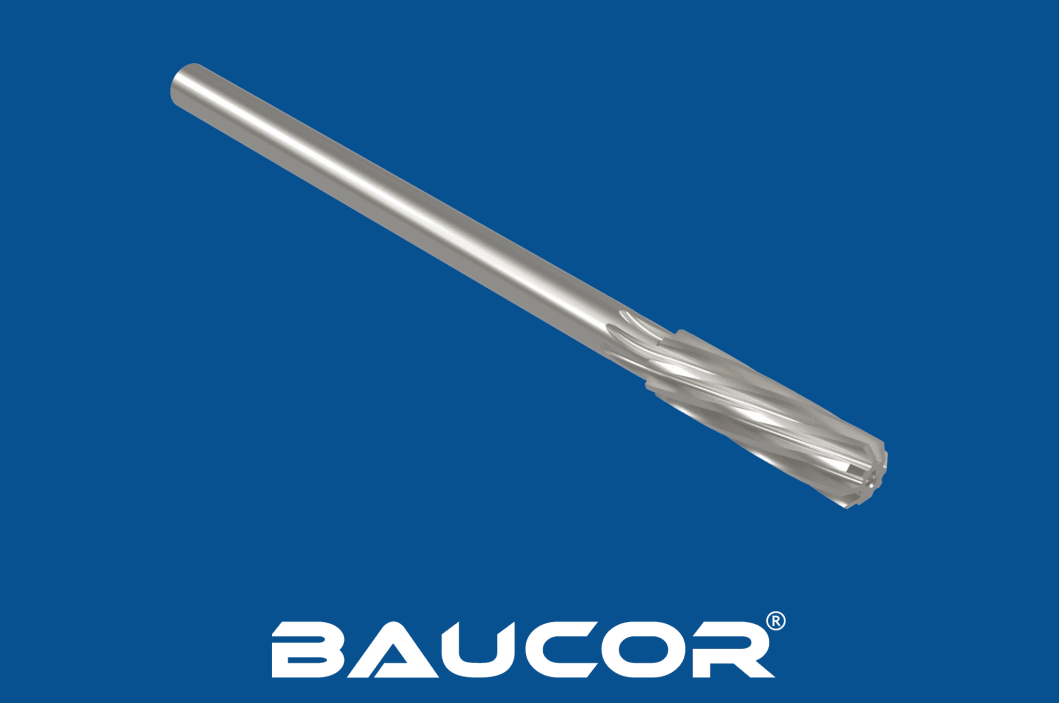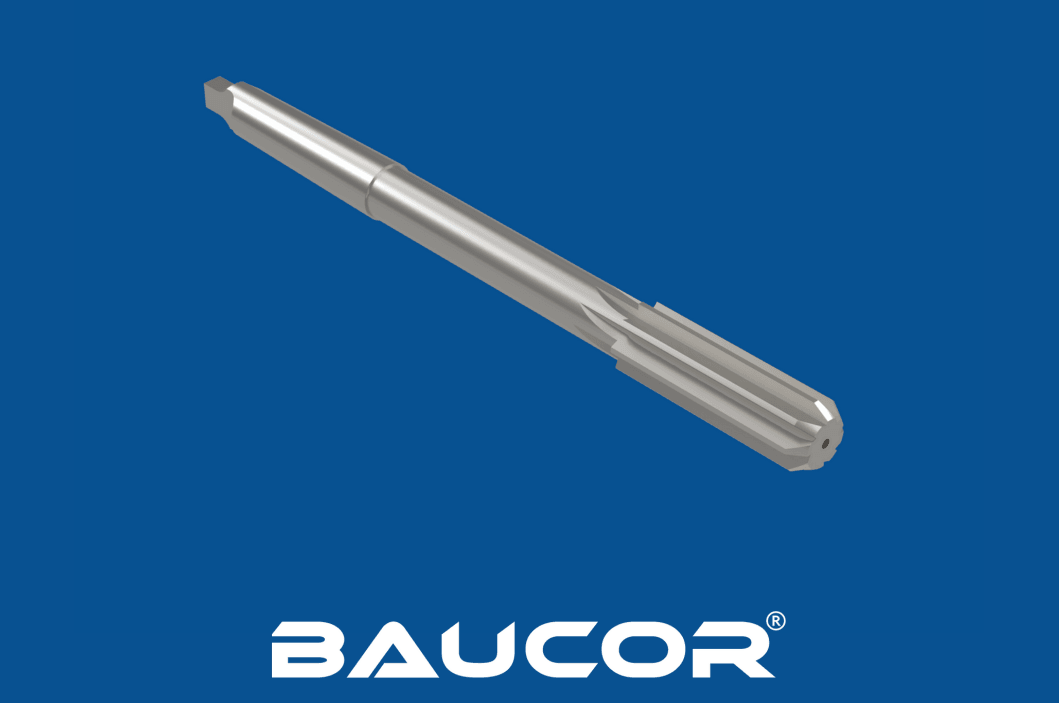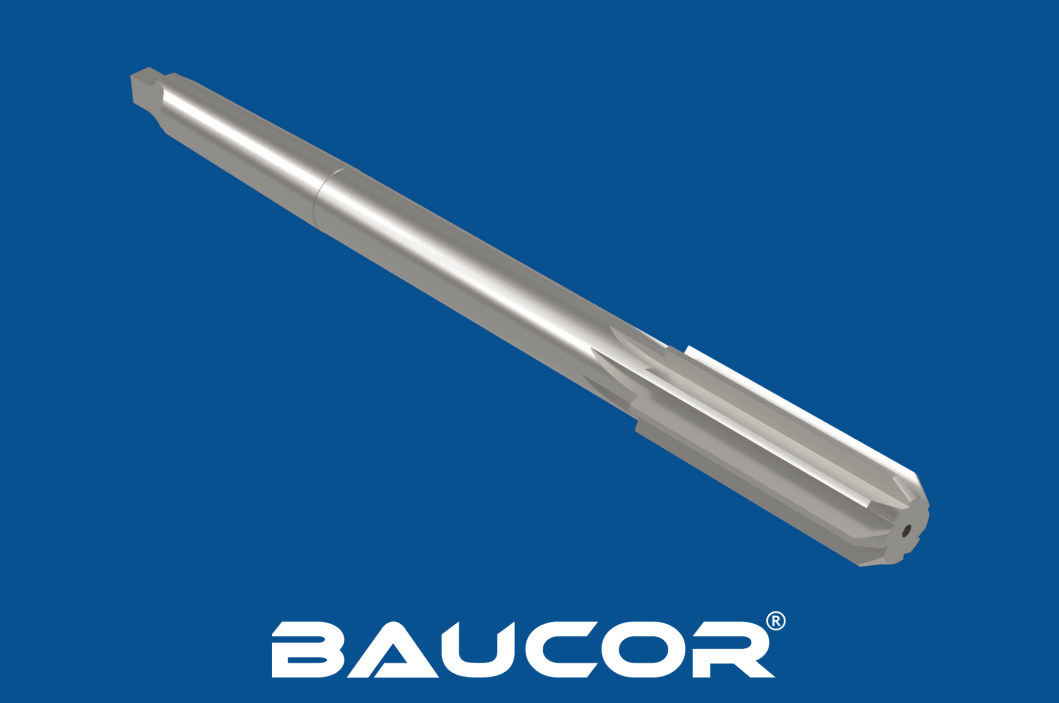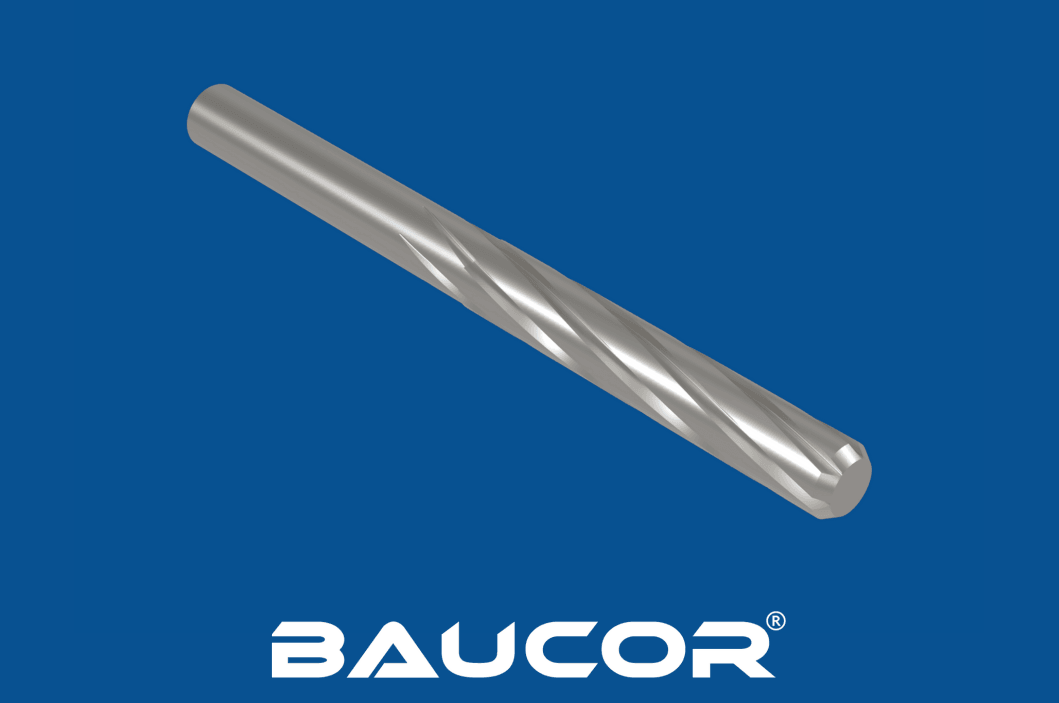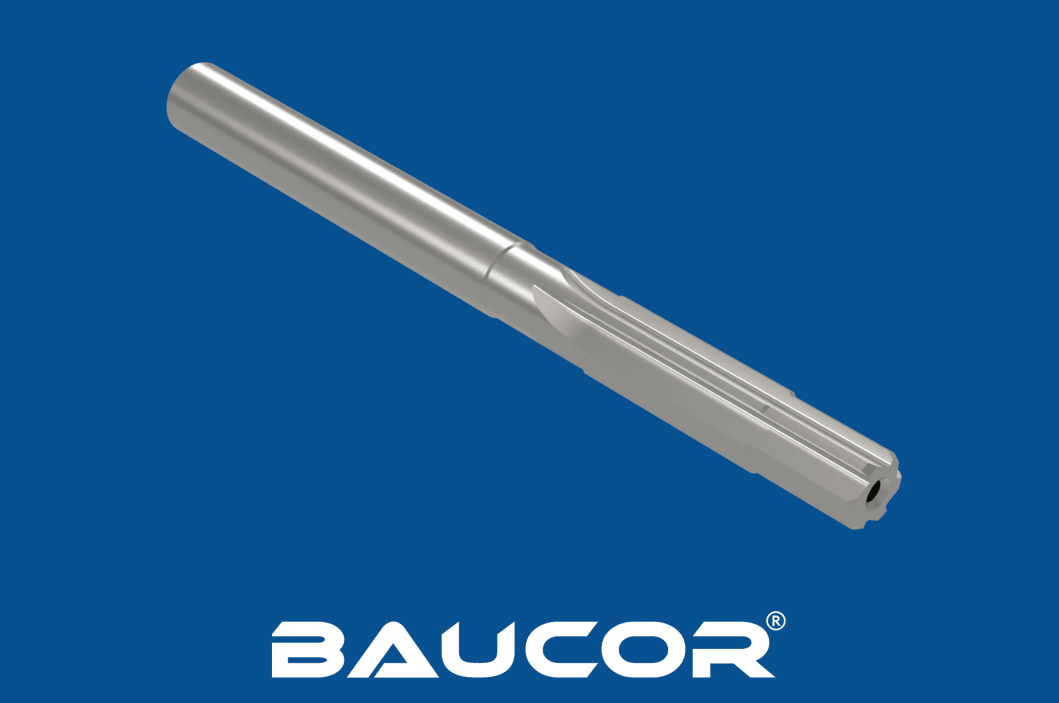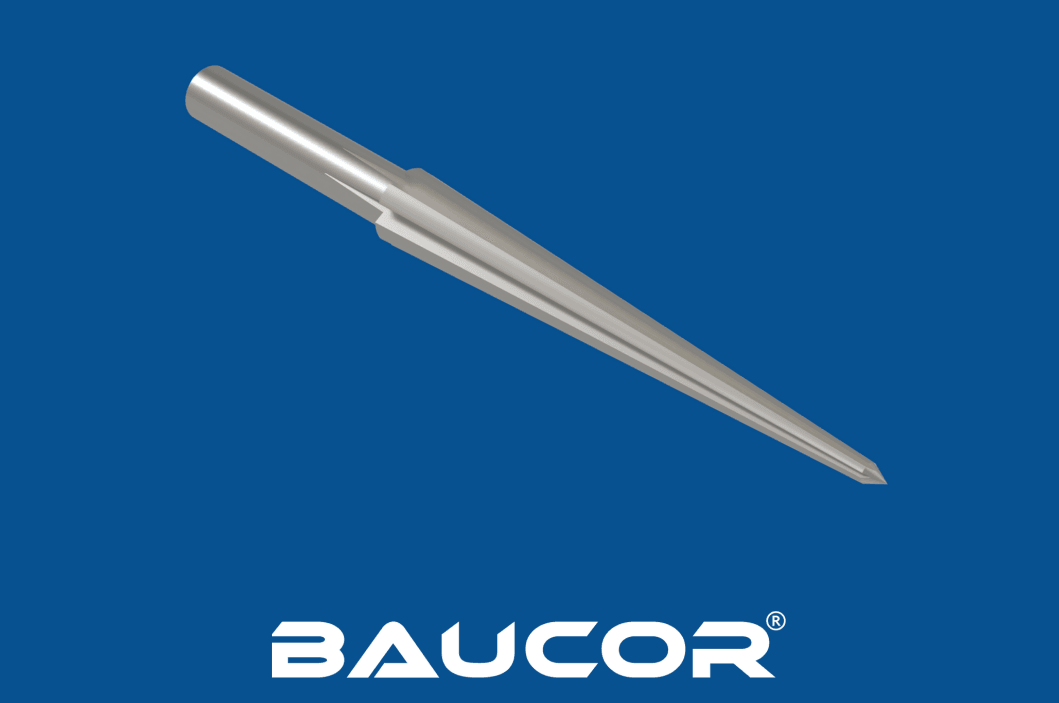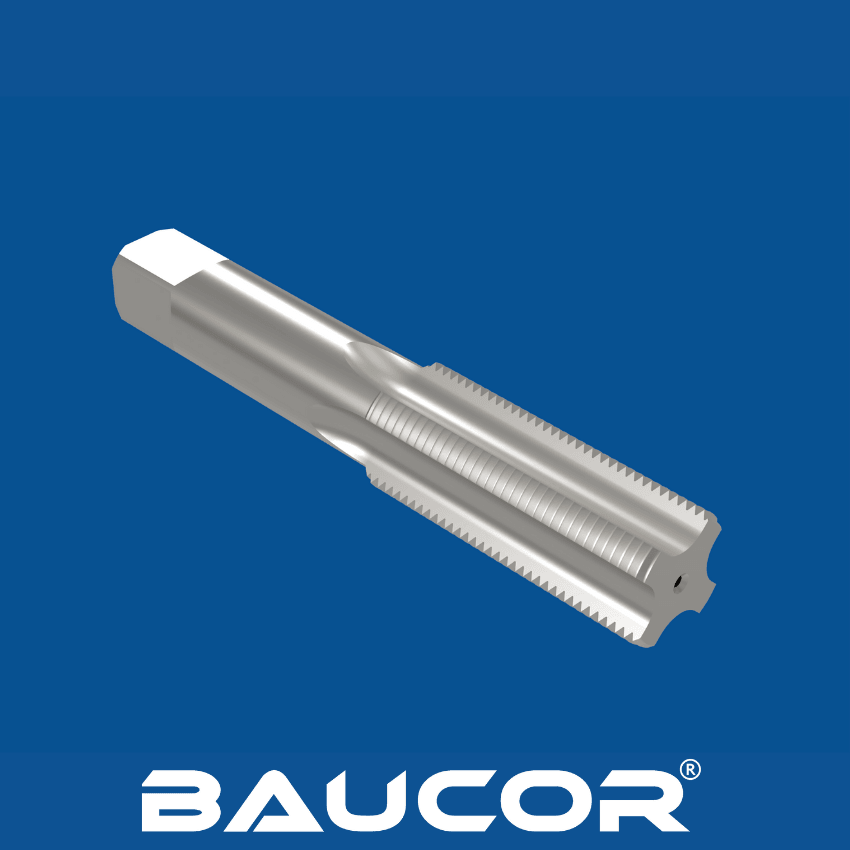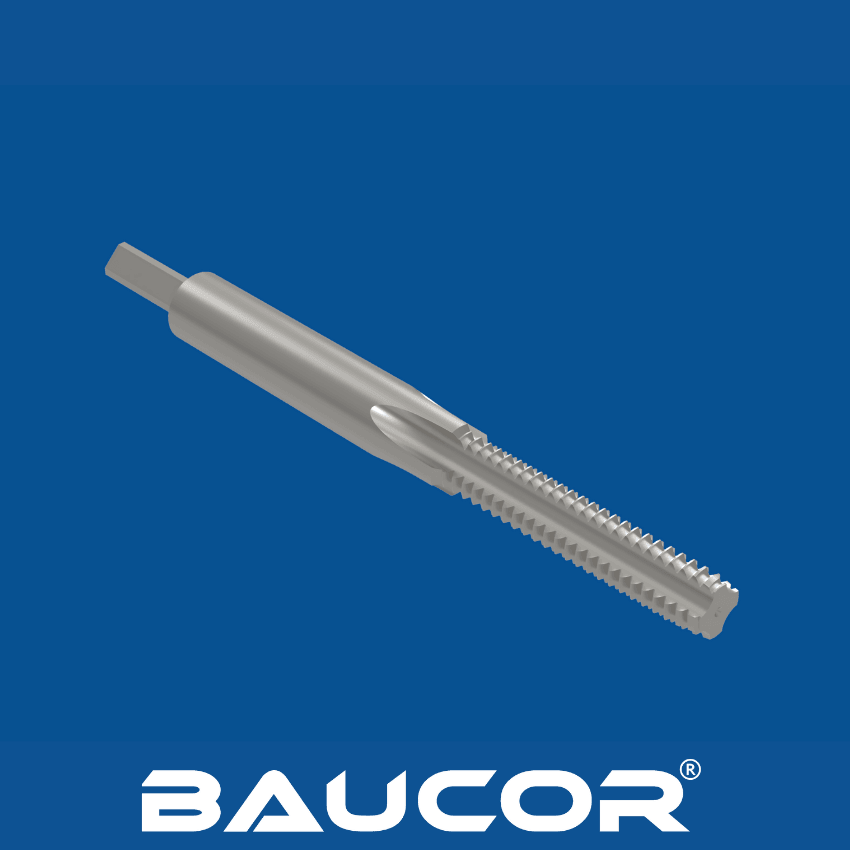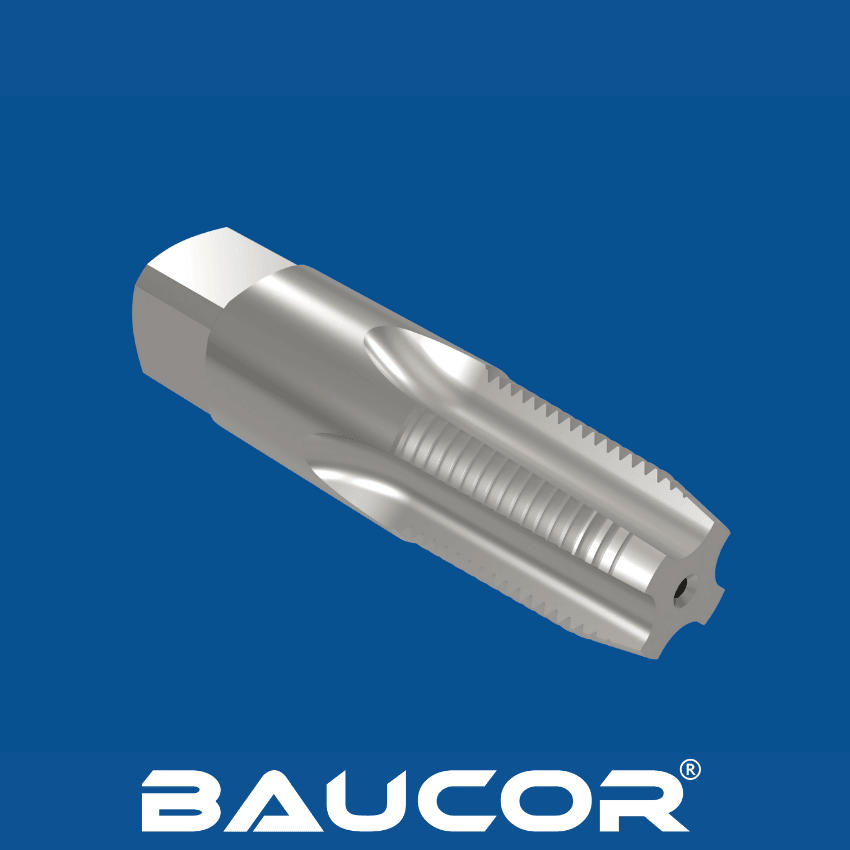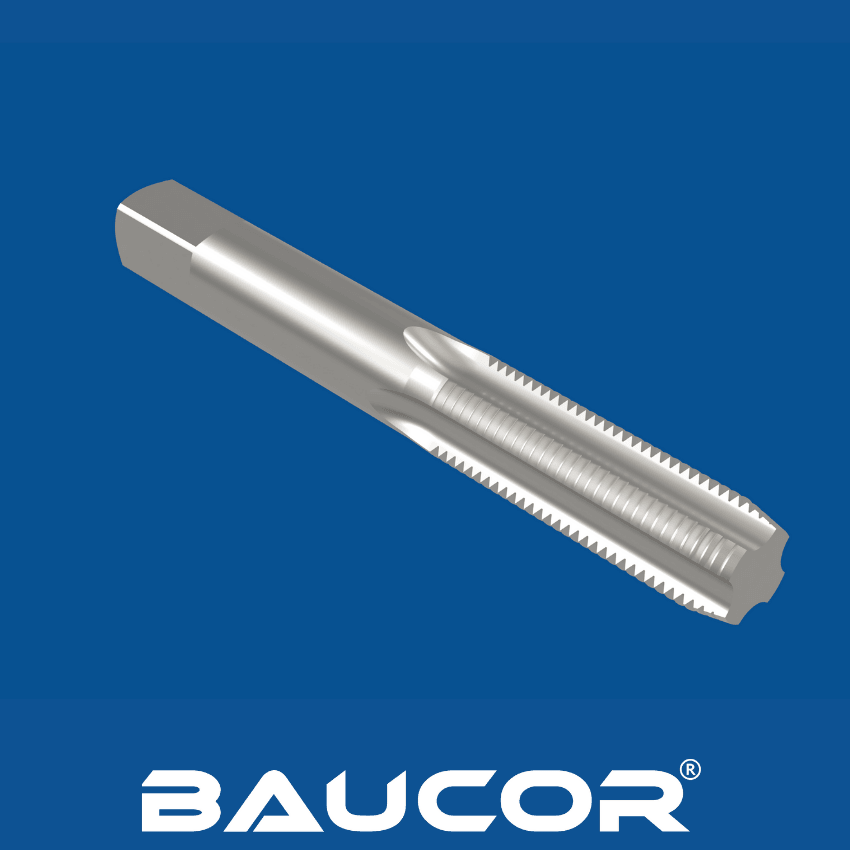


How are Straight Flute Reamers manufactured?

The manufacturing of straight flute reamers involves several steps, combining precision engineering and material selection to create a high-quality cutting tool:
Material Selection:
- High-Speed Steel (HSS): A common choice for general-purpose reamers, offering good wear resistance and affordability.
- Cobalt Steel: Provides enhanced hardness and heat resistance for more demanding applications.
- Carbide: Offers superior wear resistance and cutting performance, especially for high-volume production or tough materials.
Blank Preparation:
- The selected material is cut into cylindrical blanks of the desired length and diameter.
- The blanks are then heat-treated to achieve the desired hardness and toughness.
Fluting:
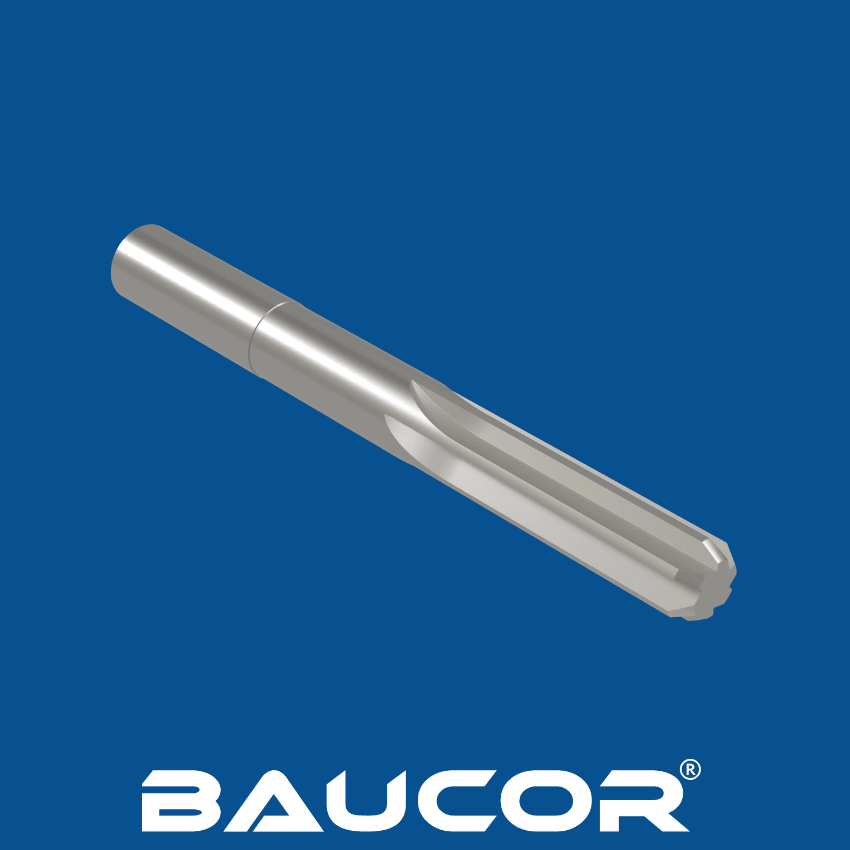
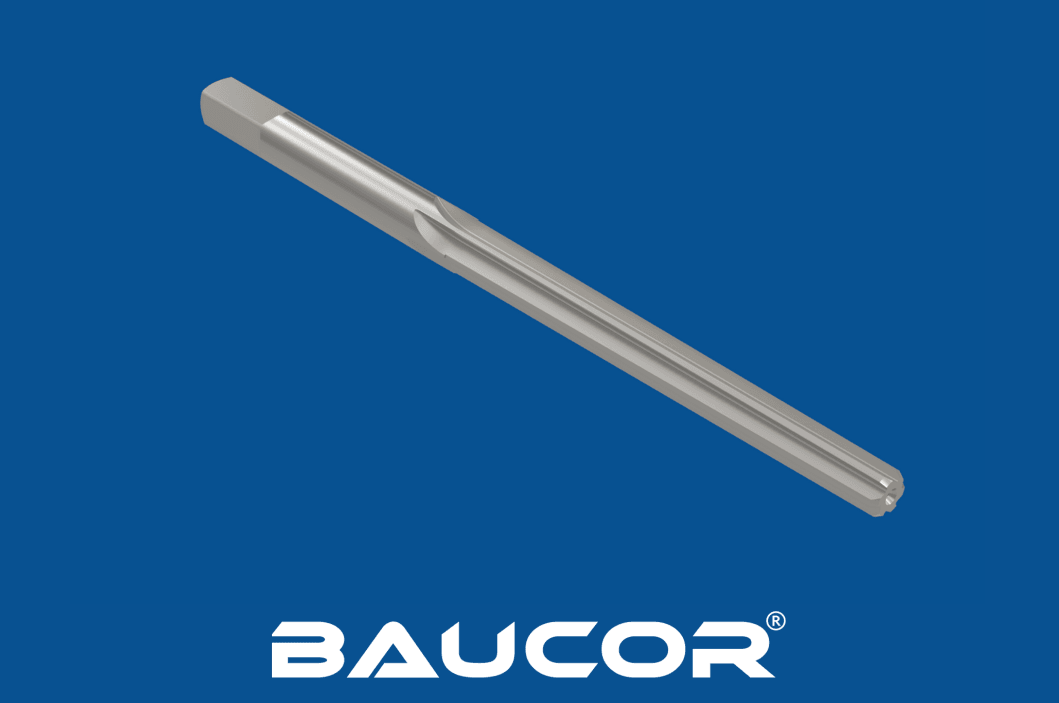
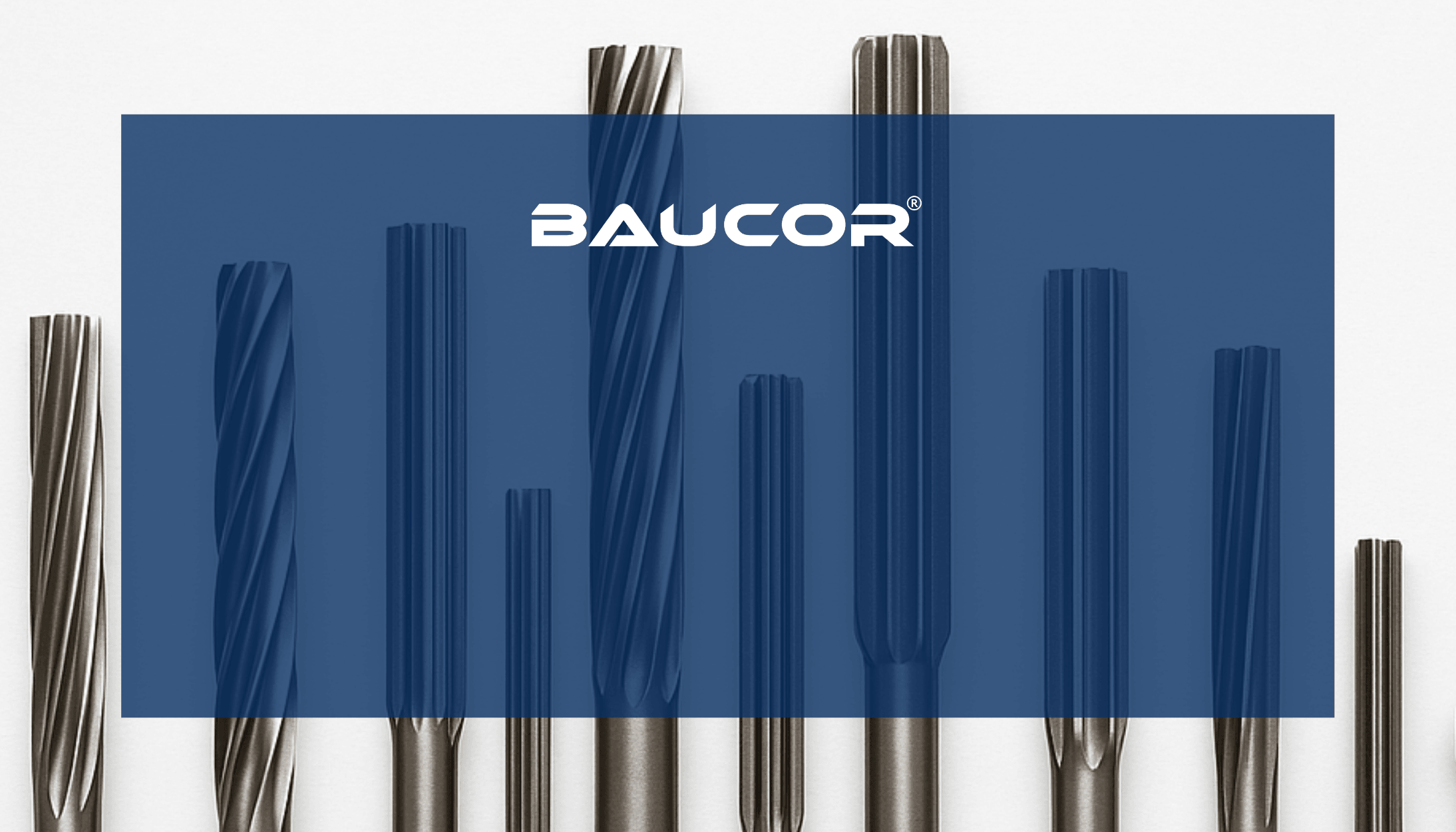
- Flutes (grooves) are ground along the length of the blank using specialized grinding machines.
- The number of flutes can vary, typically ranging from 4 to 12, depending on the reamer's diameter and intended application.
- Straight flutes are ground parallel to the reamer's axis, ensuring efficient chip evacuation.
Chamfering:
- The leading edge of each flute is chamfered (beveled) to provide a smooth cutting action and prevent chipping.
- The chamfer angle is typically around 45 degrees.
Grinding:
- The cutting edges of the flutes are precisely ground to achieve the desired diameter and cutting geometry.
- The diameter is often slightly tapered towards the shank to facilitate entry into the hole.
Finishing:
- The reamer is polished to remove any burrs or imperfections, ensuring a smooth surface finish.
- Some reamers may be coated with materials like titanium nitride (TiN) to further enhance wear resistance and cutting performance.
Quality Control:
- The reamer undergoes rigorous inspection and testing to ensure it meets the required dimensional tolerances and cutting performance standards.