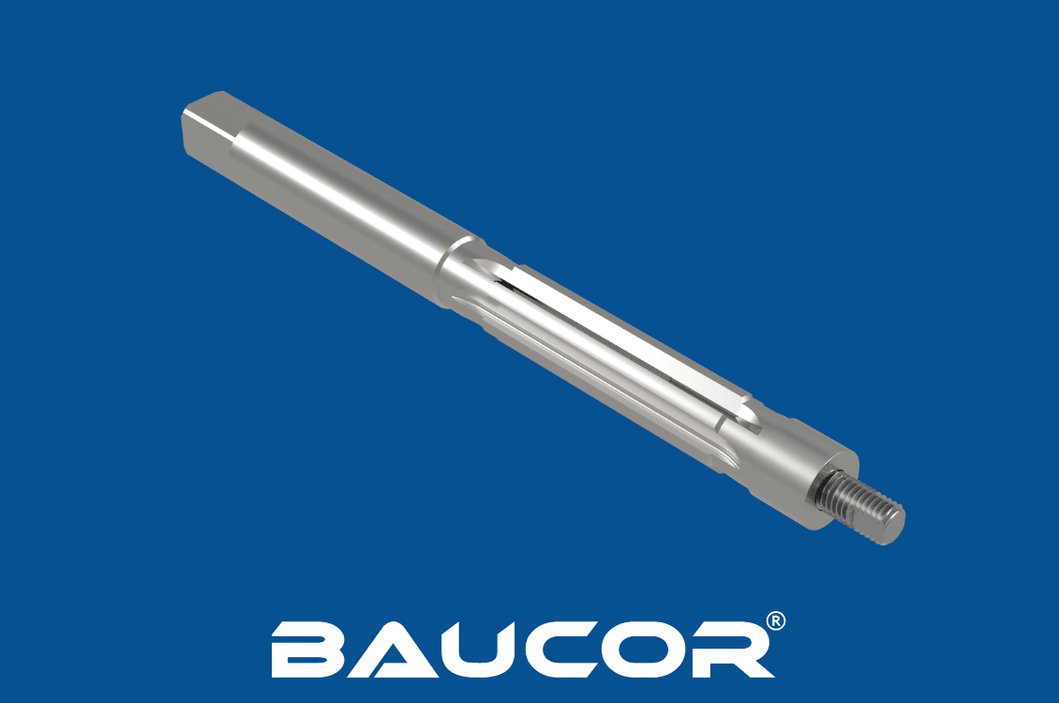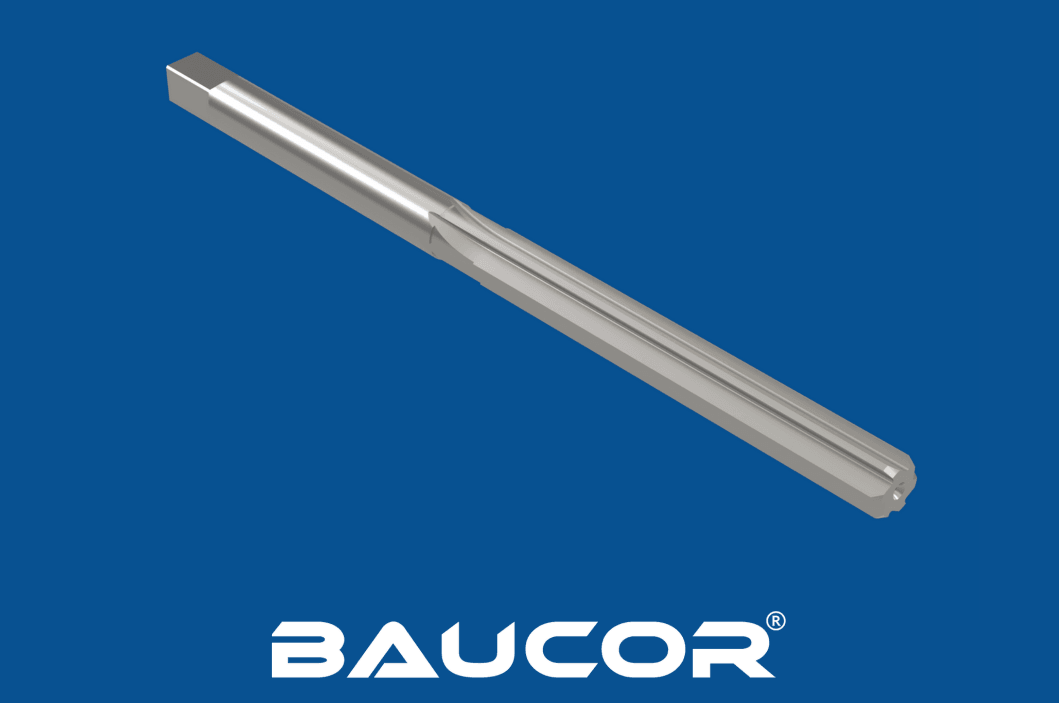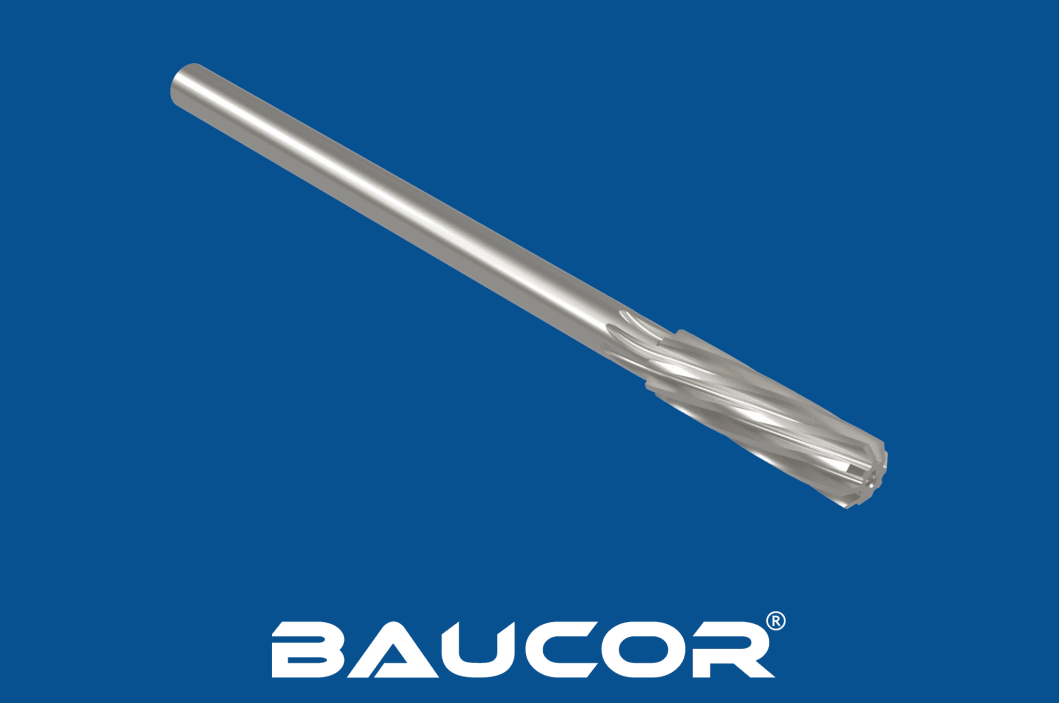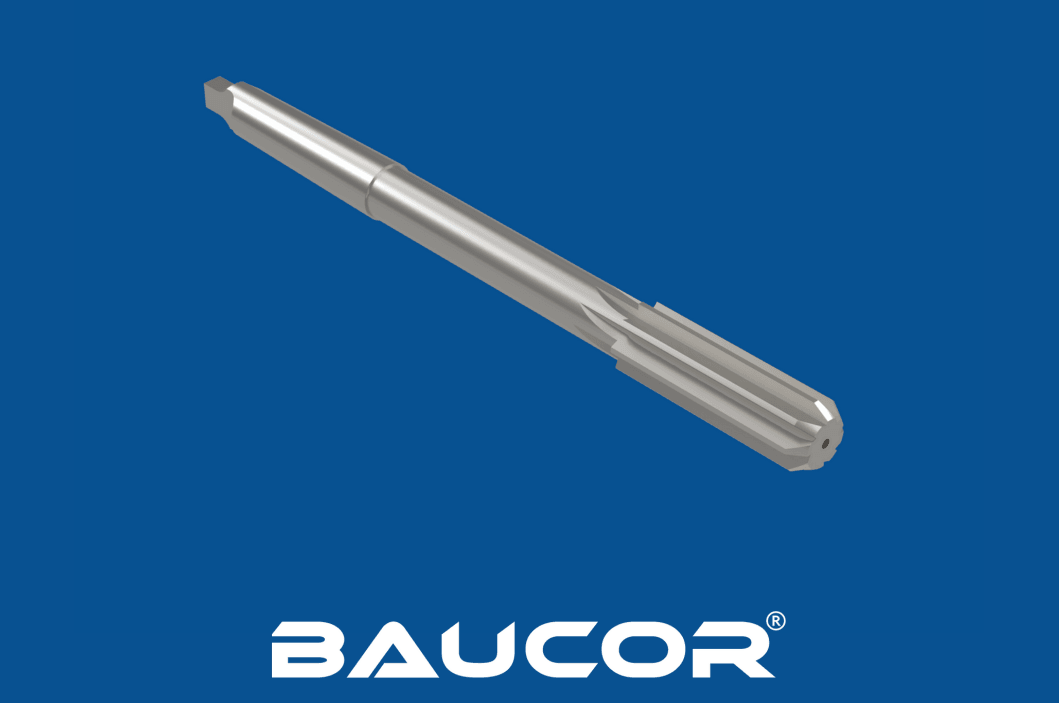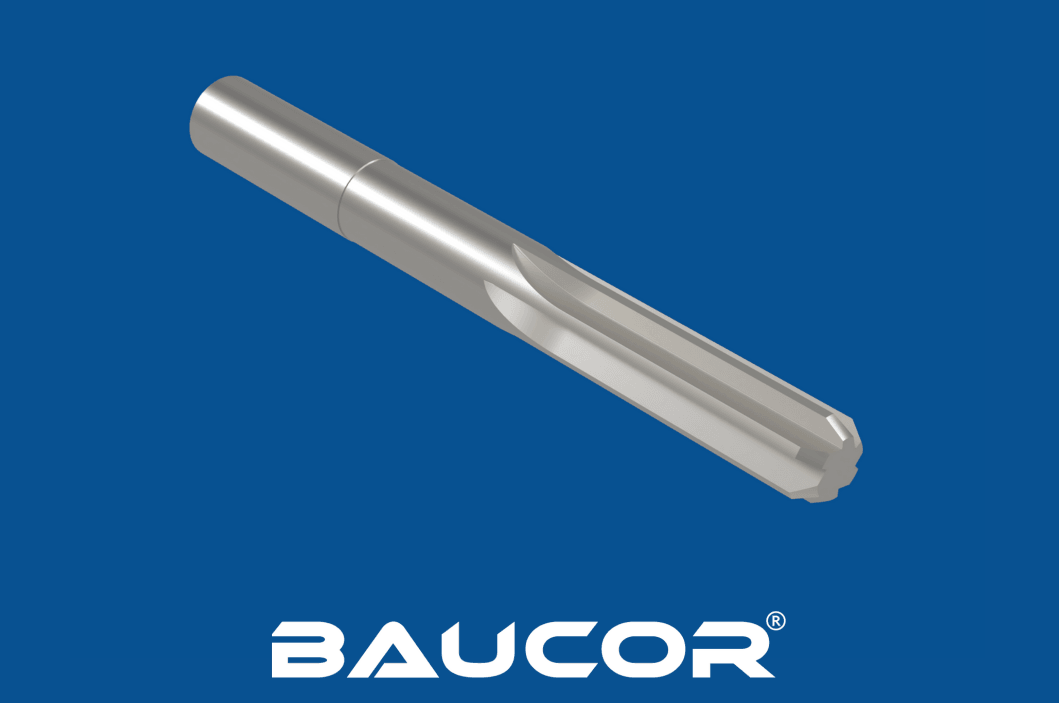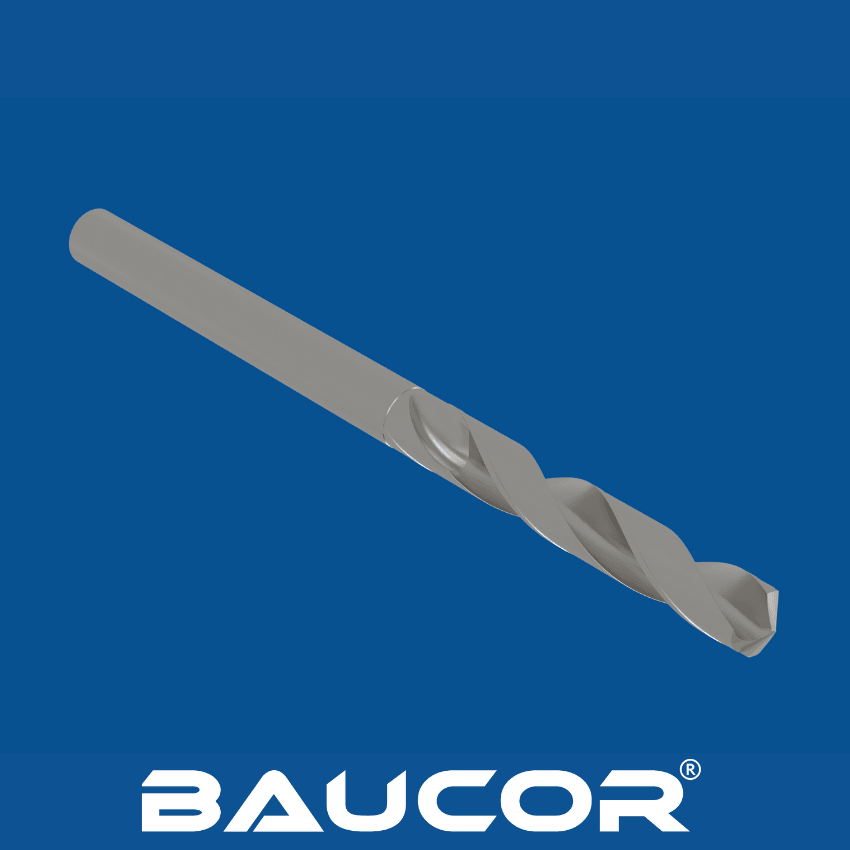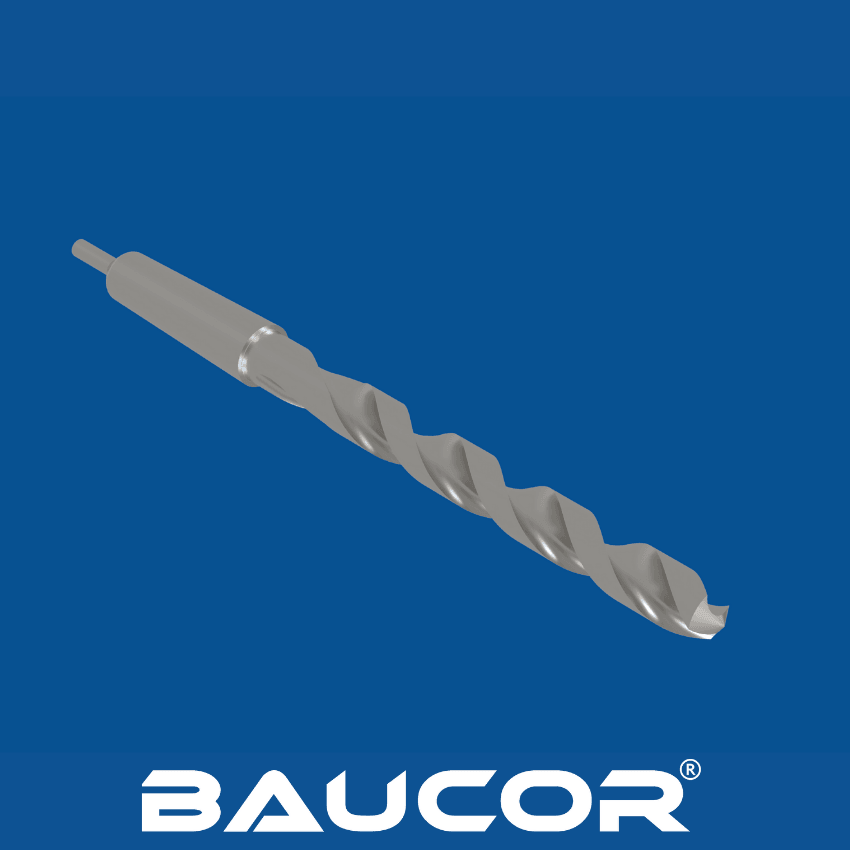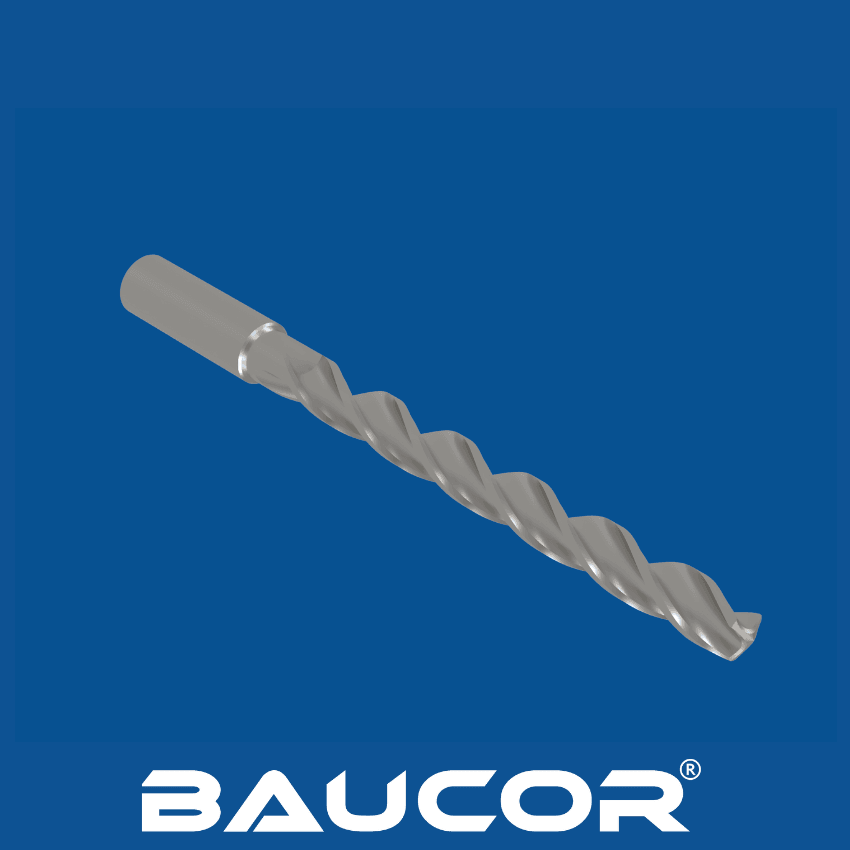


How are Taper Shank Reamers manufactured?
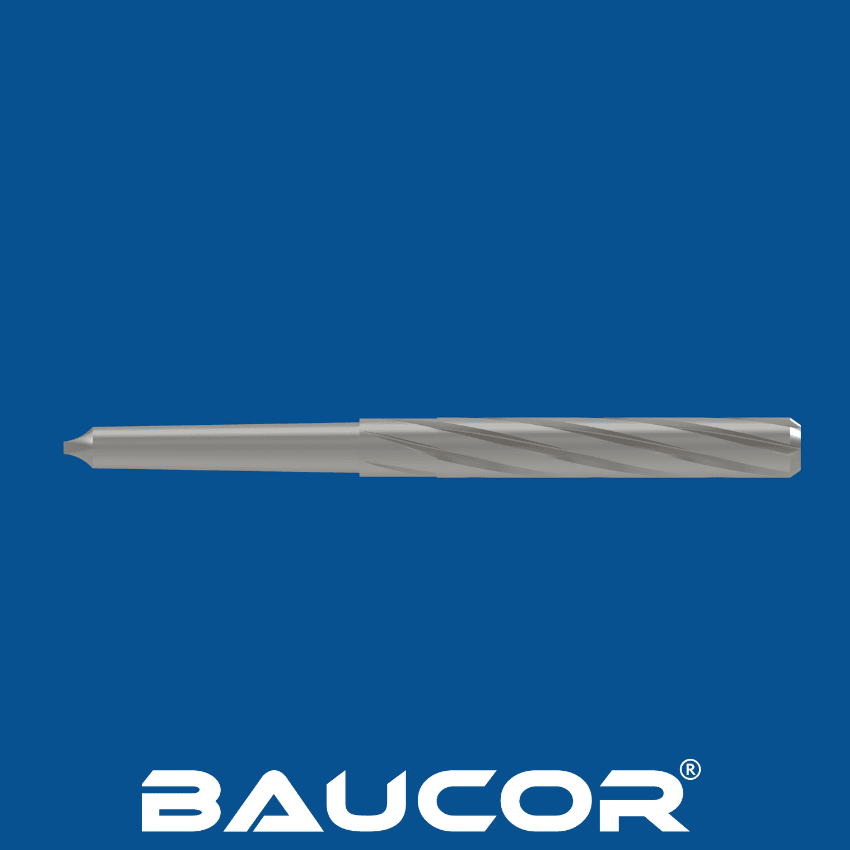
The manufacturing process of taper shank reamers involves several steps, combining precision machining, heat treatment, and surface finishing techniques to produce a high-quality cutting tool.
Material Selection:
- High-Speed Steel (HSS): The most common material due to its hardness, wear resistance, and ability to maintain a sharp cutting edge at high temperatures.
- Cobalt High-Speed Steel (HSS-Co): Contains cobalt for enhanced hardness and wear resistance, suitable for cutting harder materials.
- Carbide: Extremely hard and wear-resistant, ideal for high-volume production and cutting abrasive materials.
Blanking:
- The chosen material (HSS, HSS-Co, or carbide) is cut into blanks, which are cylindrical pieces of the required length for the reamer body.
Turning and Milling:
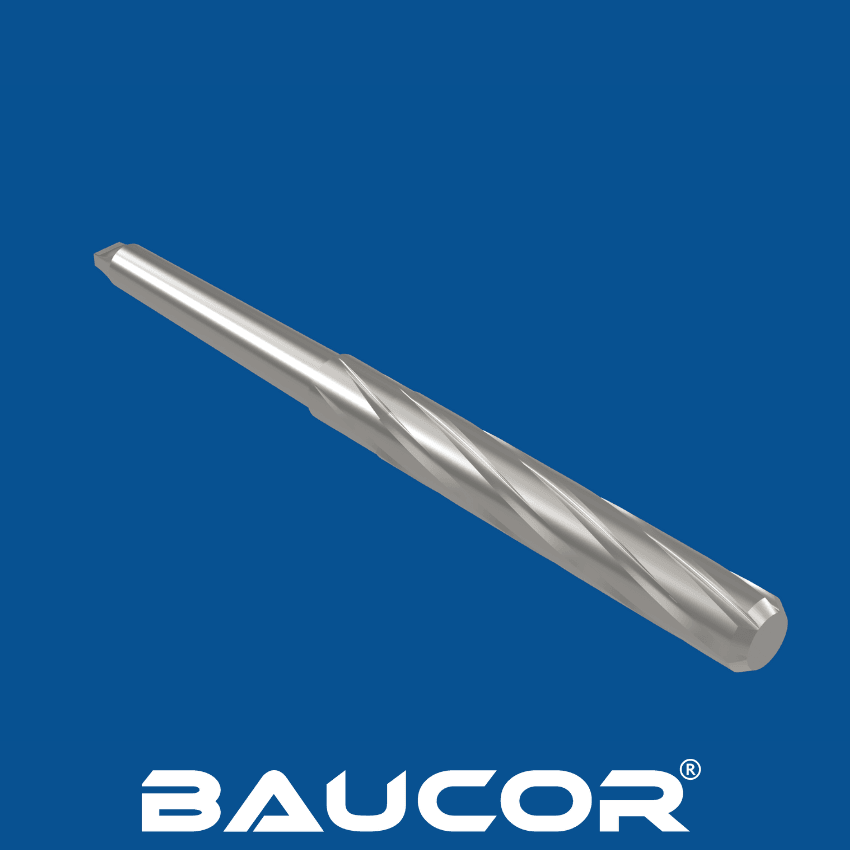
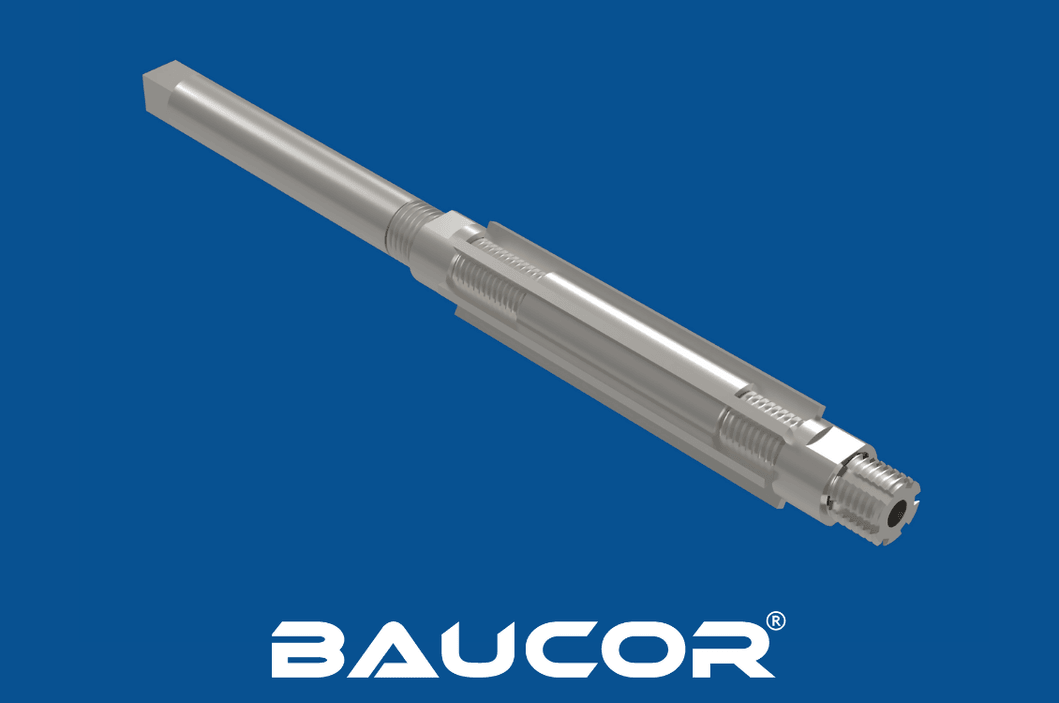
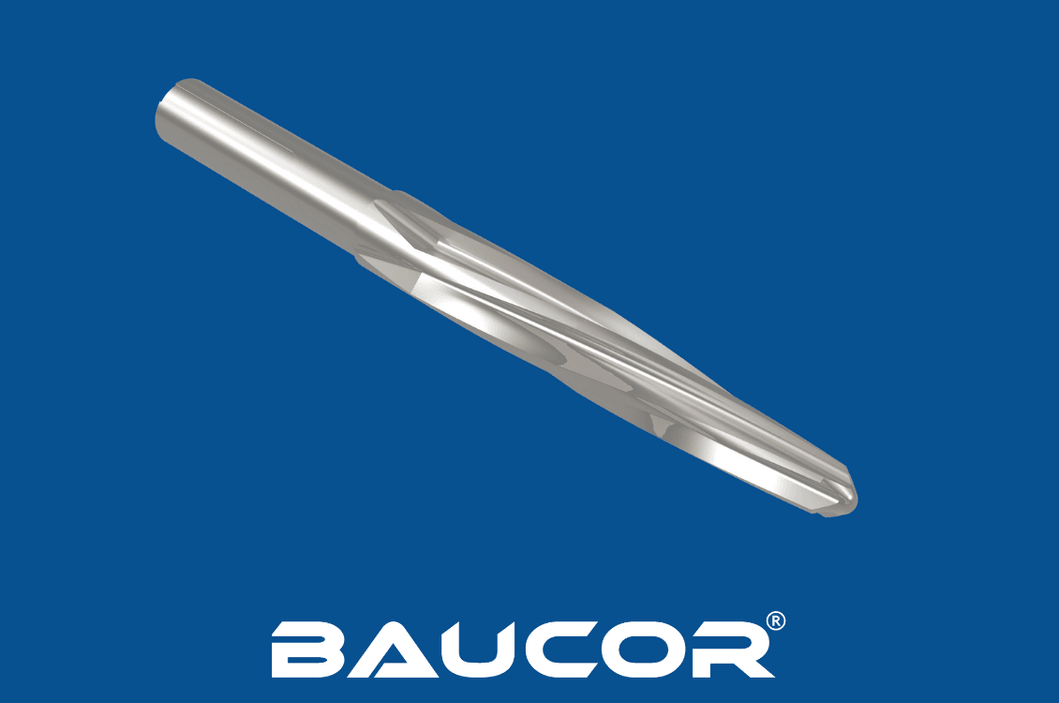
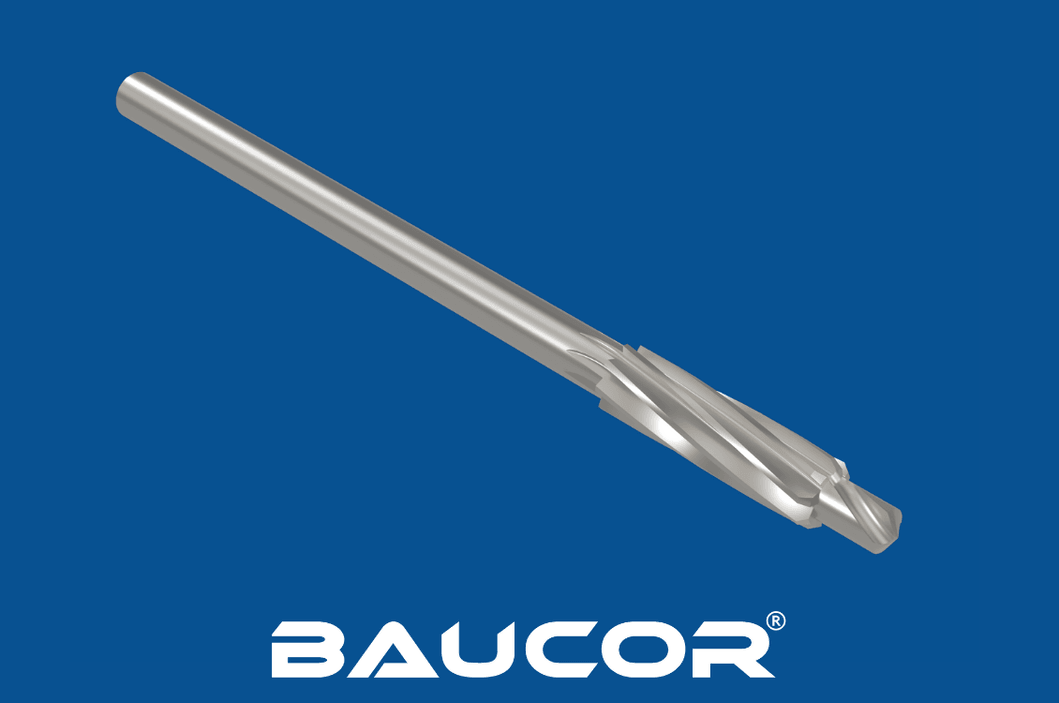
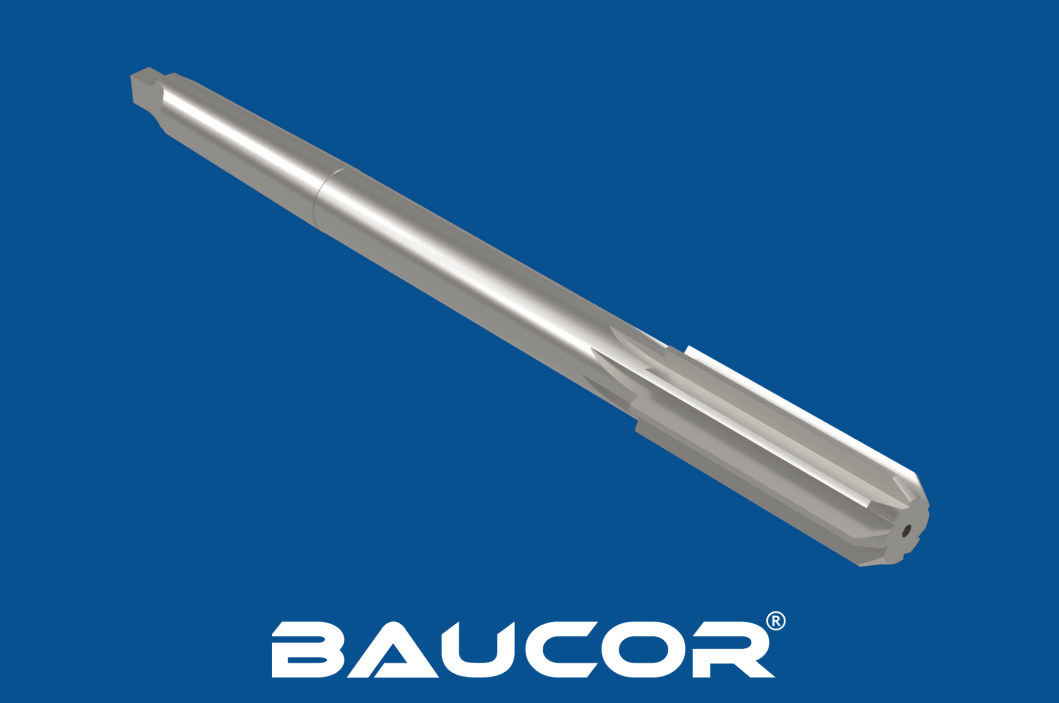
- The blanks are machined on lathes and milling machines to create the reamer's body, including the taper shank, flutes, and cutting edges. This involves precise turning, milling, and grinding operations to achieve the desired dimensions and angles.
Heat Treatment:
- Heat treatment is crucial for hardening the reamer and increasing its wear resistance. The reamer is heated to a high temperature and then rapidly cooled (quenched) in oil or water, creating a hard outer layer while maintaining a tough core. This process also relieves internal stresses and improves the reamer's dimensional stability.
Grinding and Finishing:
- After heat treatment, the reamer is ground and polished to achieve the final dimensions, surface finish, and cutting edge geometry. This step requires specialized grinding machines and skilled technicians to ensure precision and accuracy.
Coating (Optional):
- Some taper shank reamers may be coated with materials like titanium nitride (TiN) or titanium carbonitride (TiCN) to further enhance their wear resistance, reduce friction, and improve tool life.
Quality Control:
- Throughout the manufacturing process, rigorous quality control measures are implemented to ensure that the reamers meet strict tolerances and performance standards. This includes dimensional inspection, surface finish checks, and cutting tests.