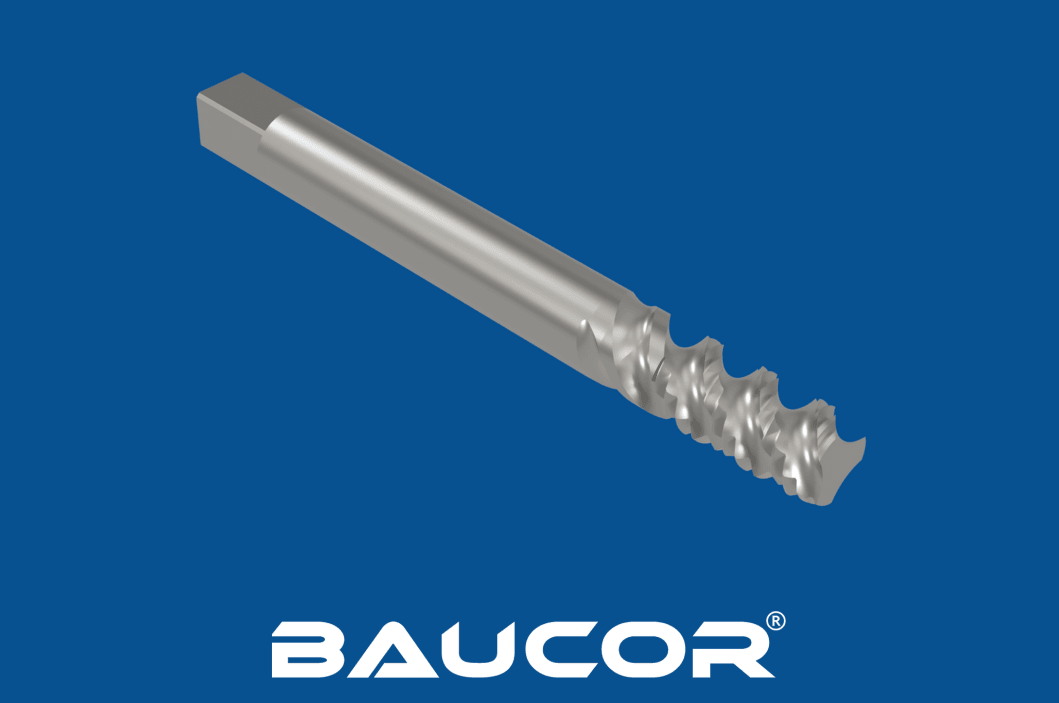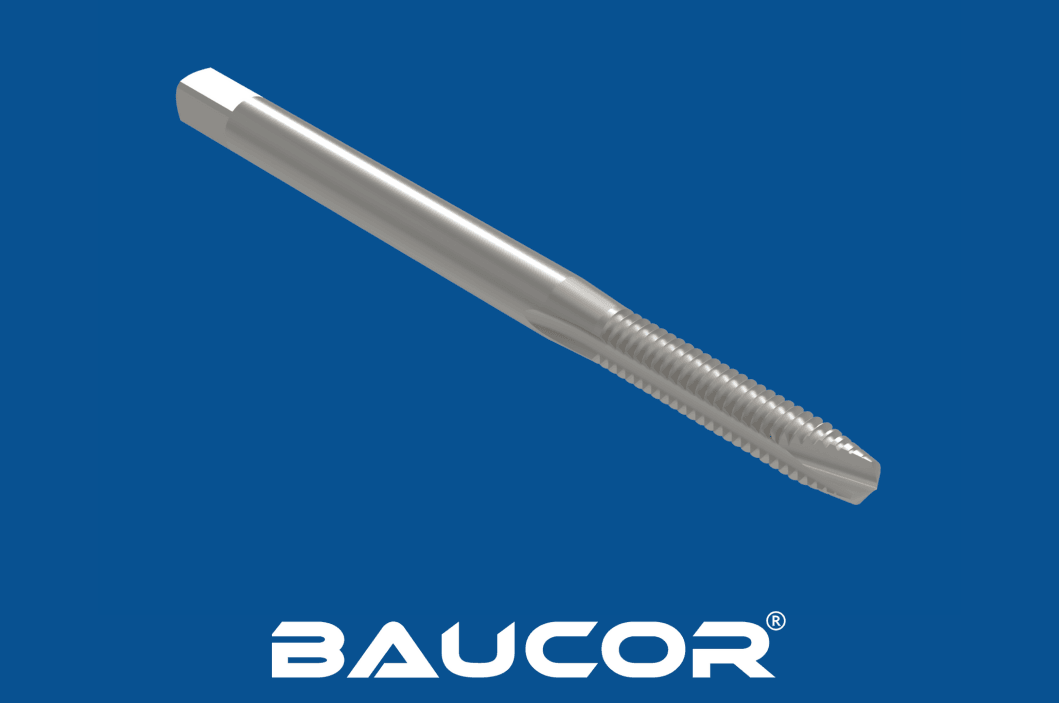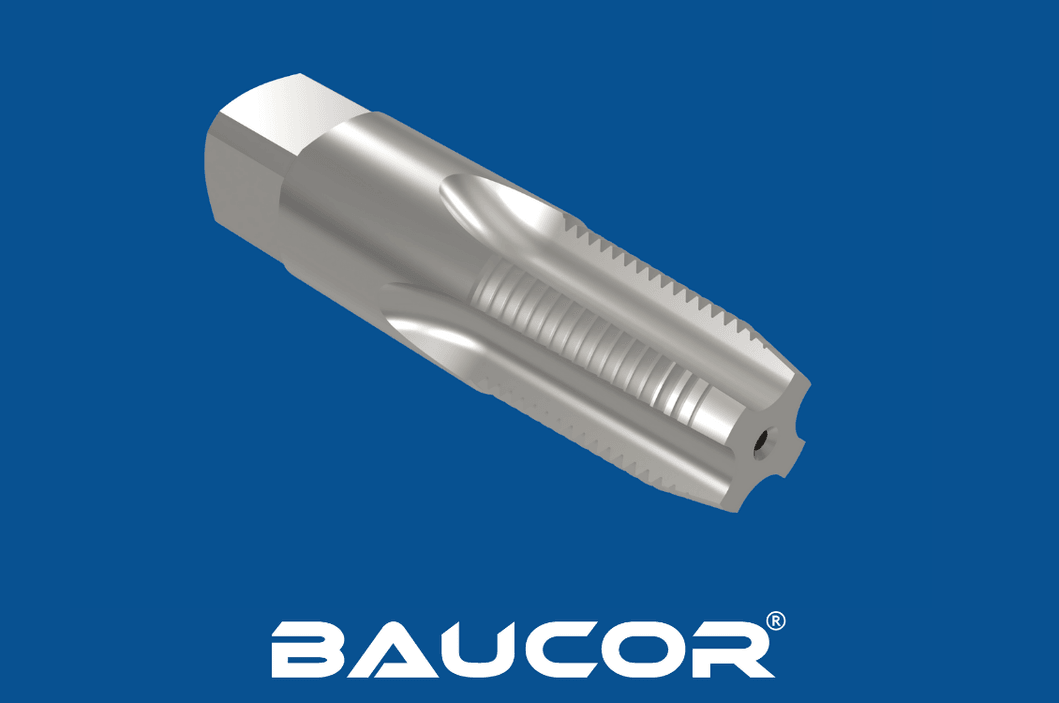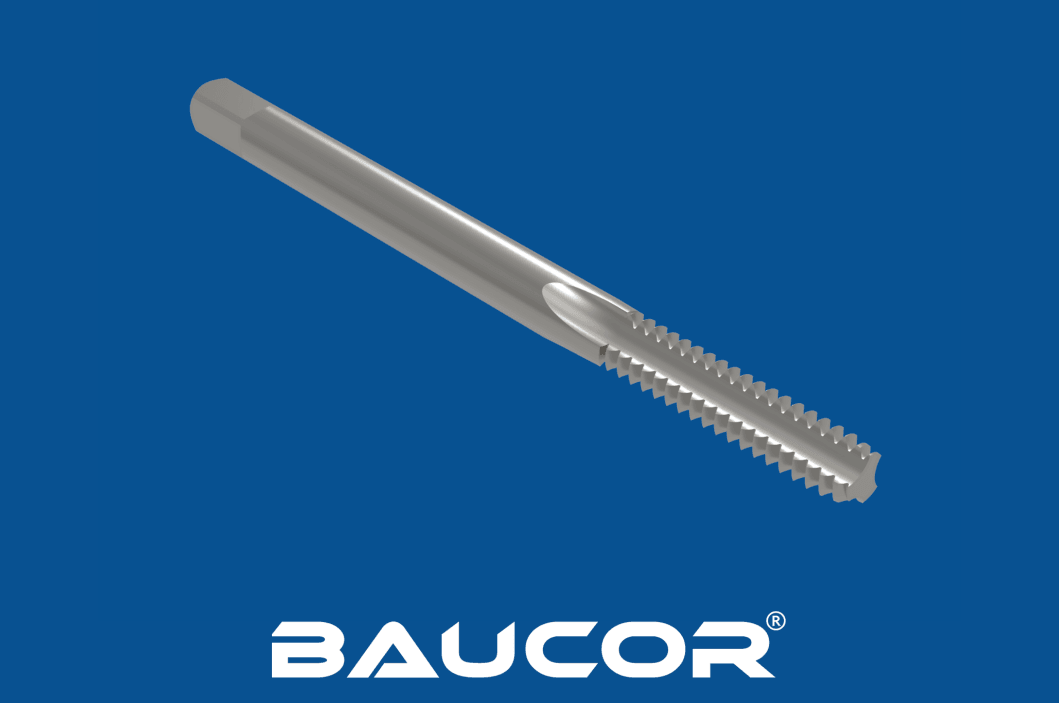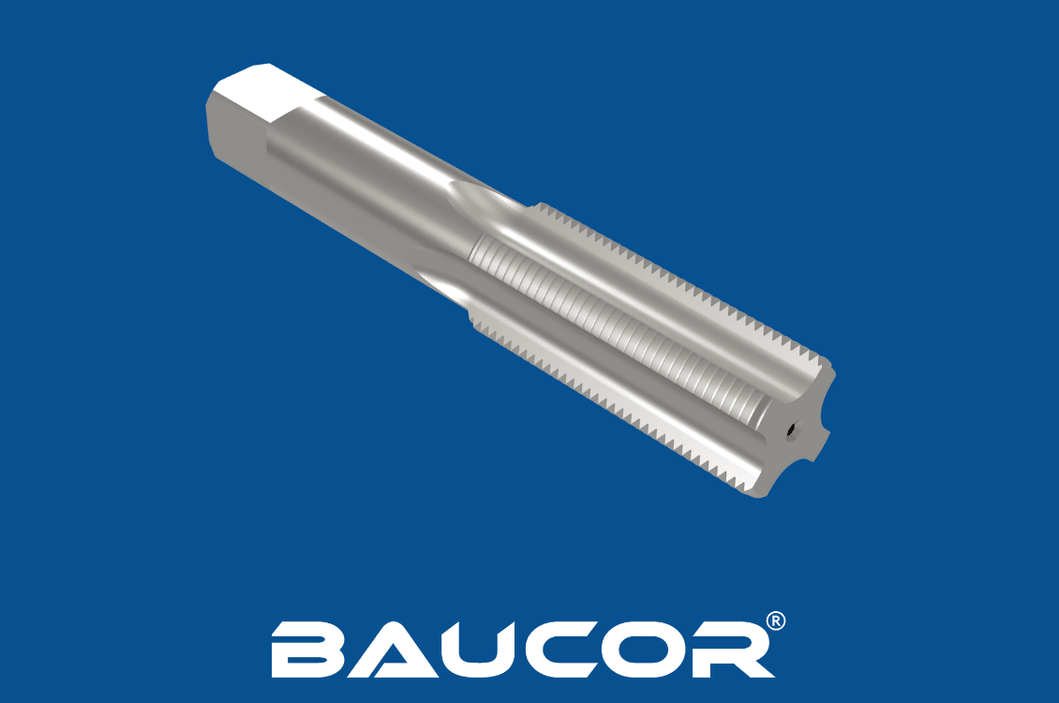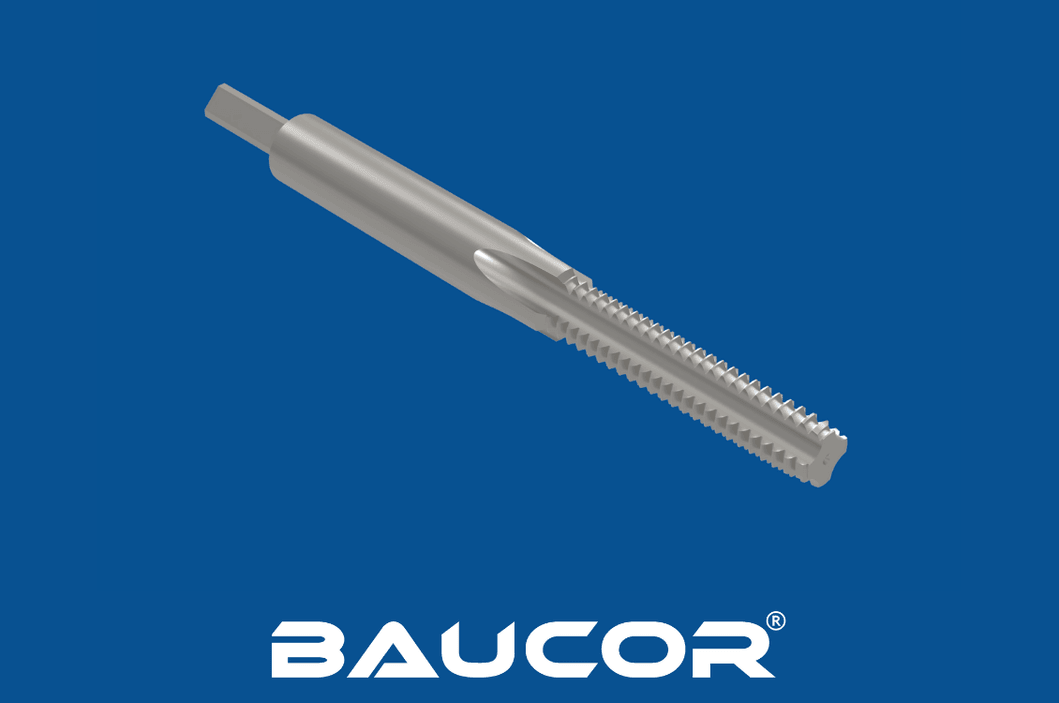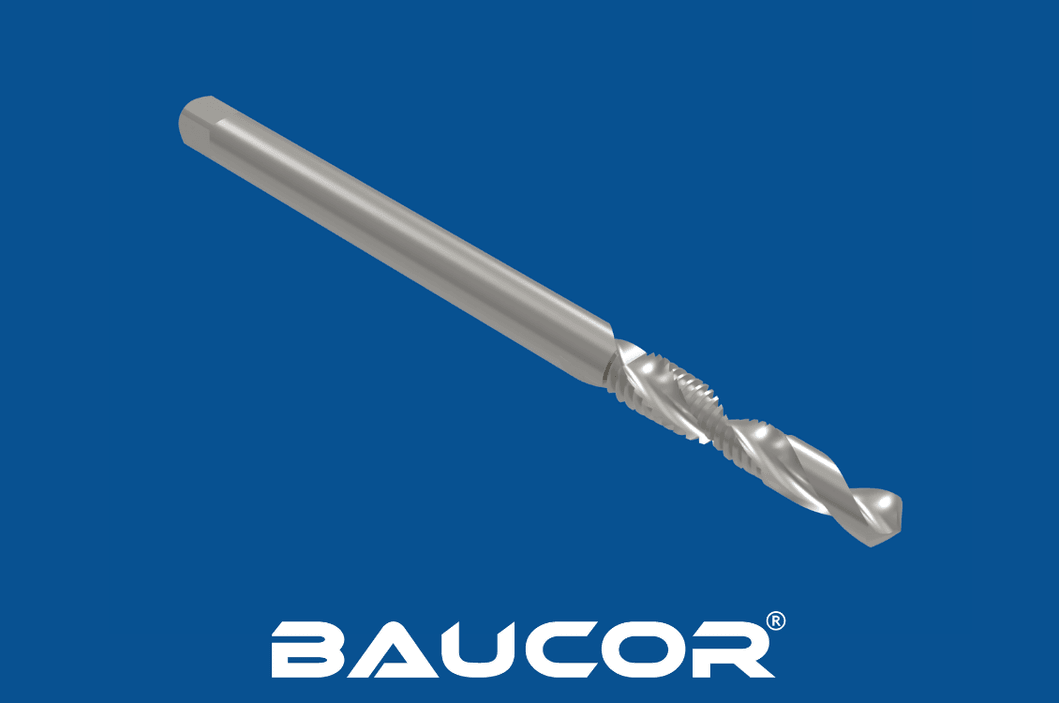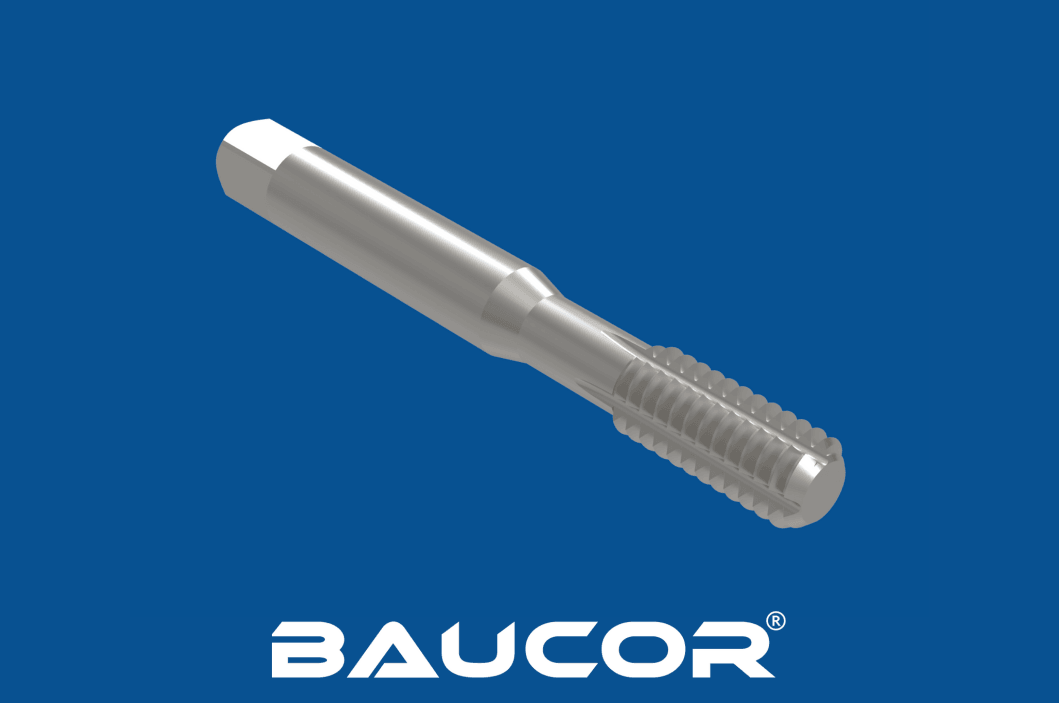


How are Bent Shank Taps manufactured?
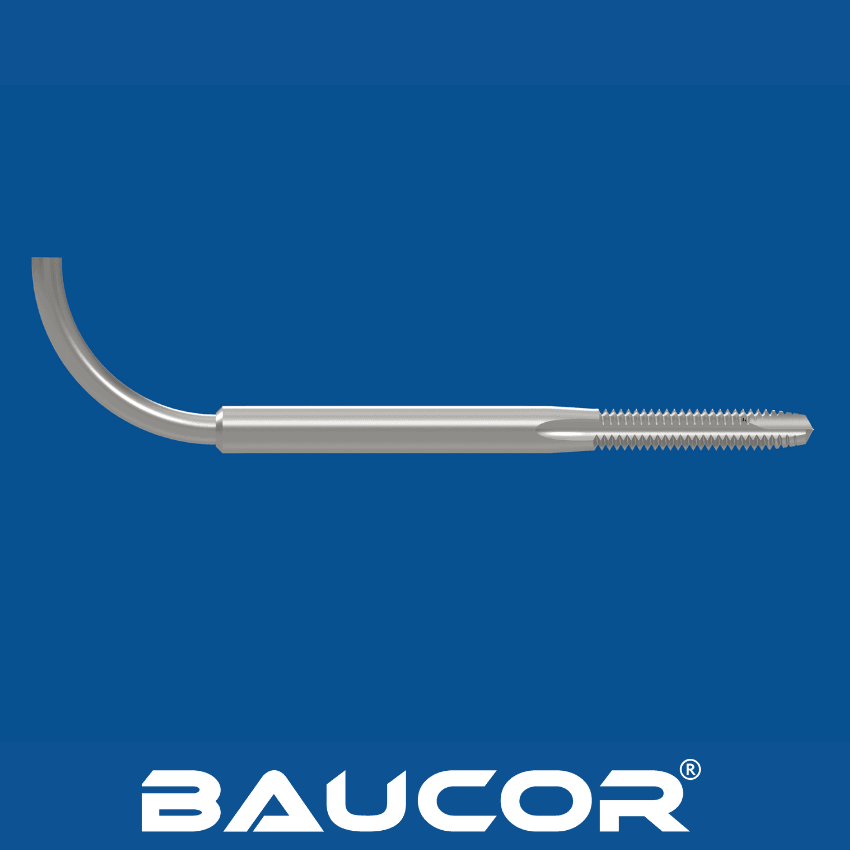
Bent Shank Tap manufacturing involves a series of precise steps to create a high-quality tool:
- Material Selection: High-speed steel (HSS) is the most common material due to its hardness, wear resistance, and ability to withstand high temperatures. Other materials like cobalt steel or carbide may be used for specific applications.
- Blank Preparation: The chosen material is cut into blanks of appropriate size and shape. These blanks are then annealed to soften the material for easier machining.
- Thread Grinding: Precision grinding machines are used to create the threads on the blank. The threads are ground to exact specifications for pitch, diameter, and lead angle.
- Flute Grinding: Flutes are ground into the blank to provide channels for chip removal during the tapping process. The number and type of flutes depend on the specific tap design and application.
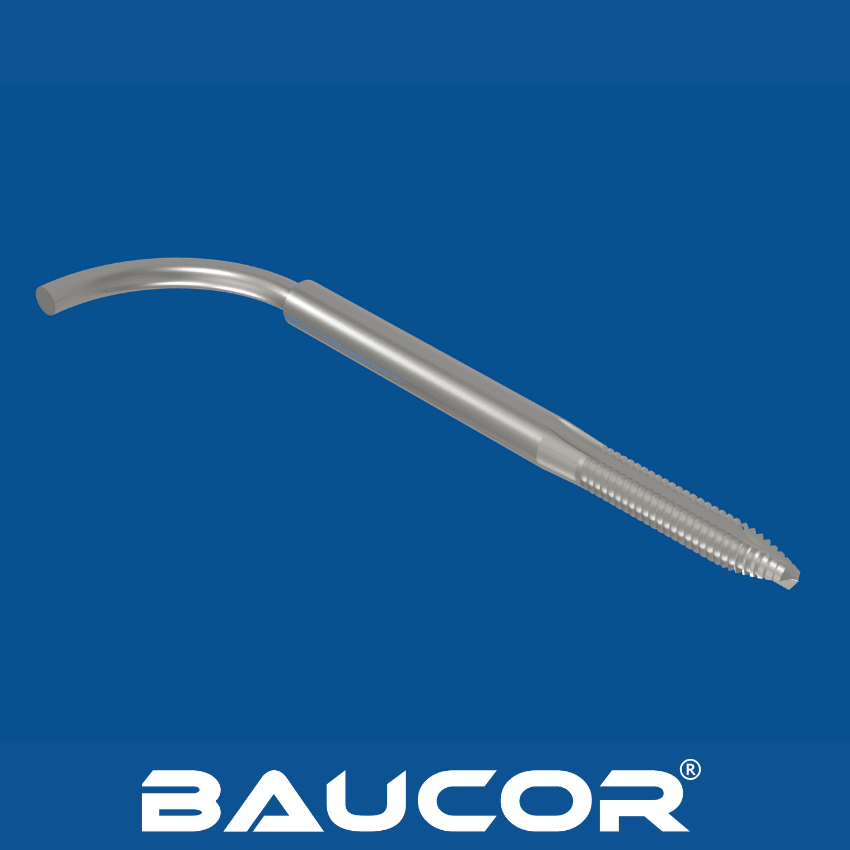
- Shank Bending: The straight shank of the tap is heated to a specific temperature and then bent to the desired 90-degree angle. This process is carefully controlled to ensure the correct bend angle and to avoid damaging the tap.
- Heat Treatment: The bent shank tap is heat-treated to harden the cutting edges and improve its overall durability. This involves quenching (rapid cooling) and tempering (reheating to a lower temperature) processes.
- Coating (Optional): Depending on the application, the tap may be coated with a thin layer of material like titanium nitride (TiN) or titanium carbonitride (TiCN) to further enhance wear resistance and reduce friction.
- Final Inspection: Each tap is carefully inspected to ensure it meets strict quality standards for dimensional accuracy, thread quality, and overall performance.