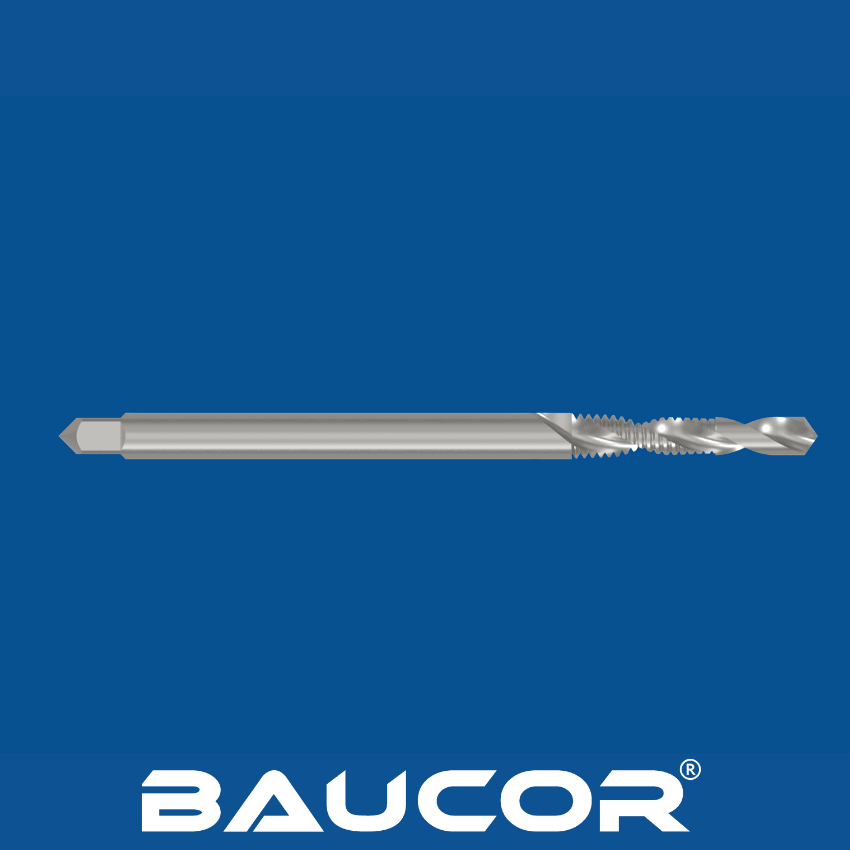
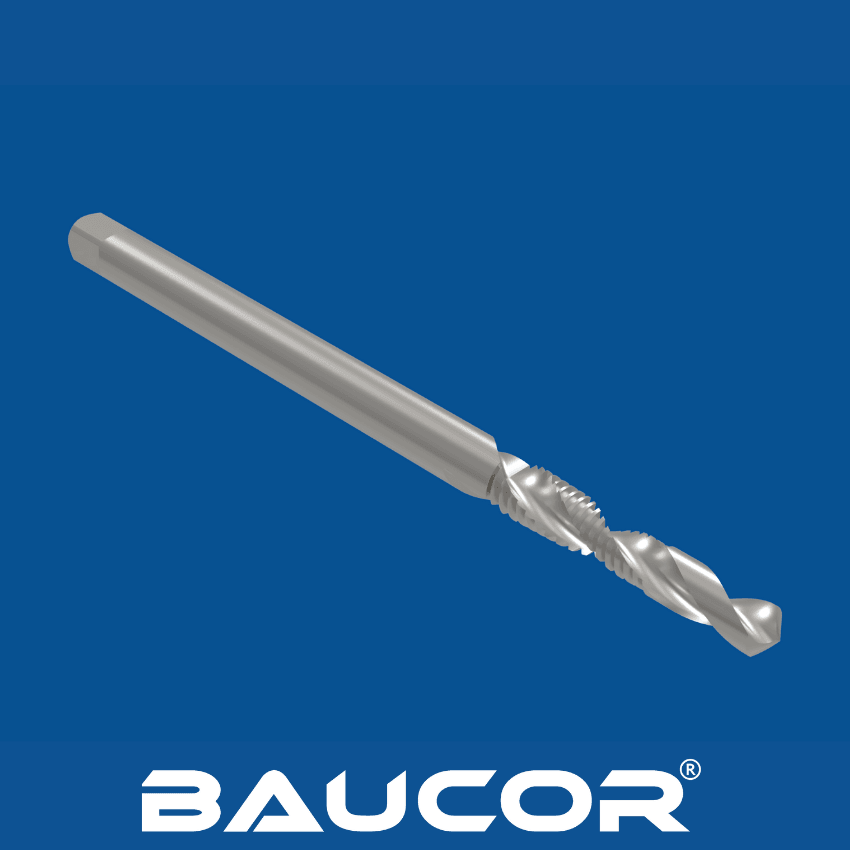
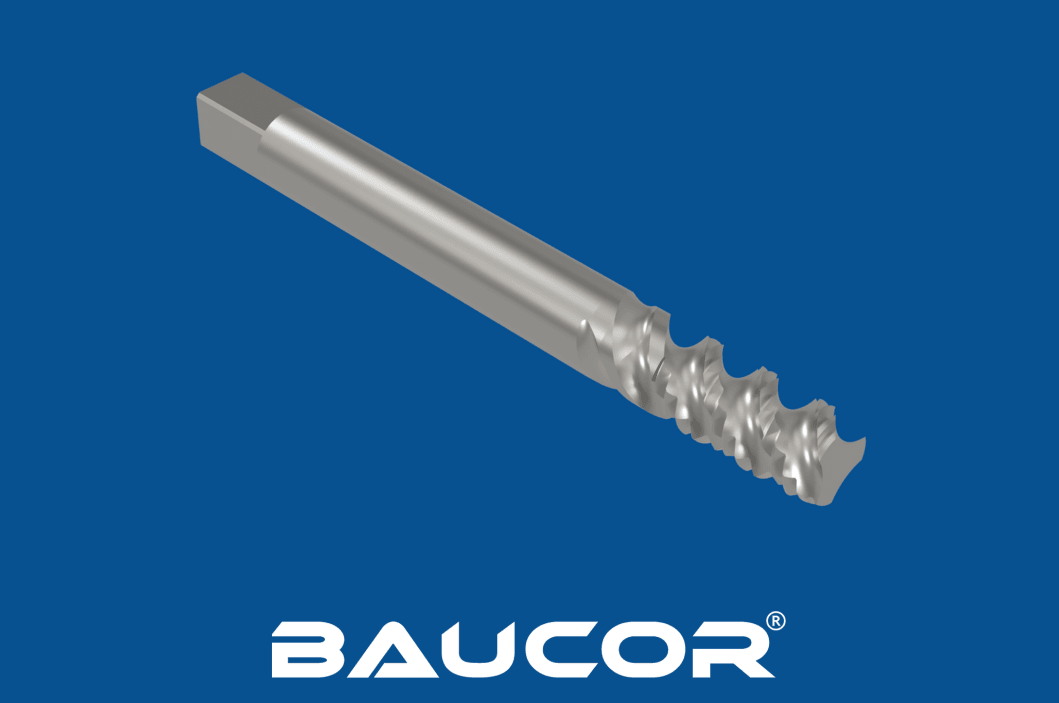
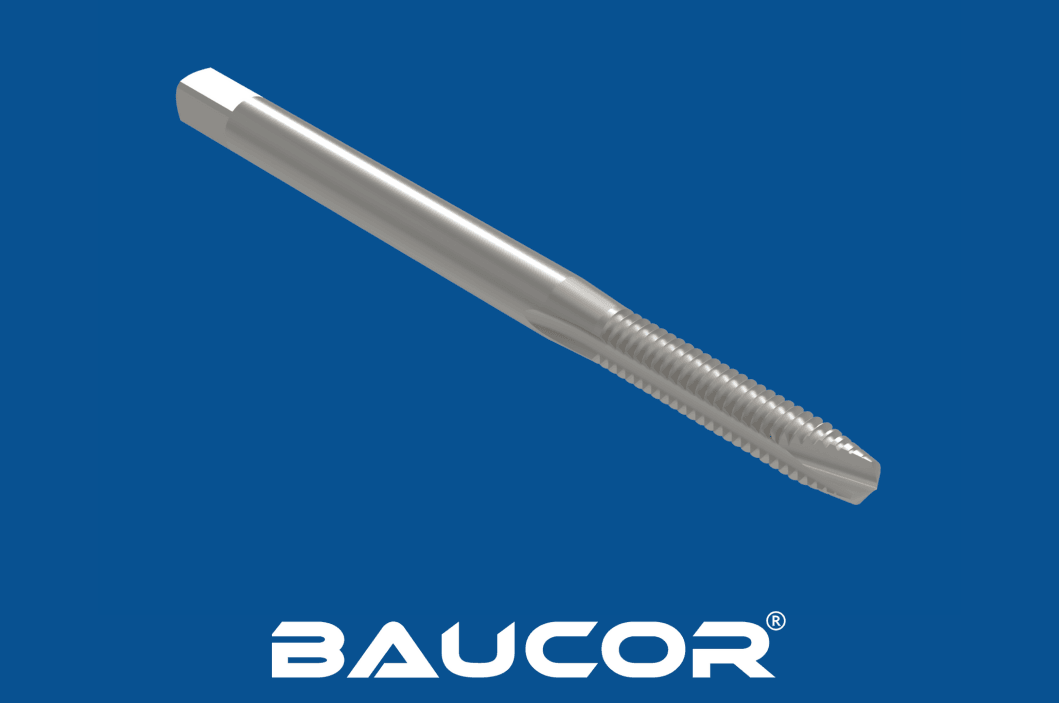
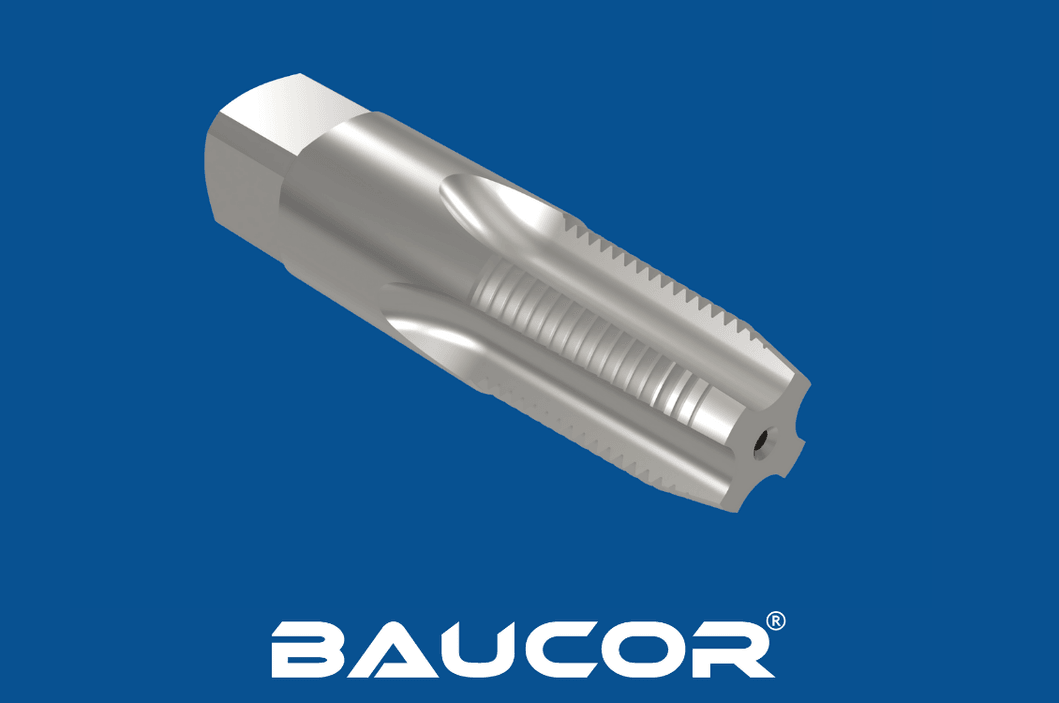
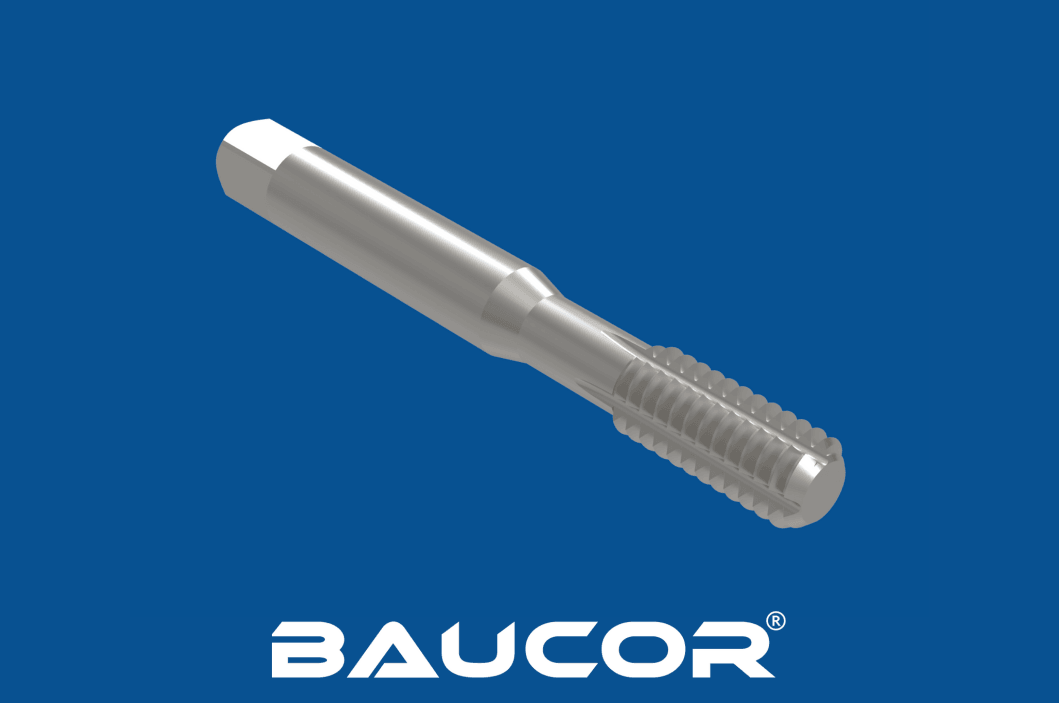
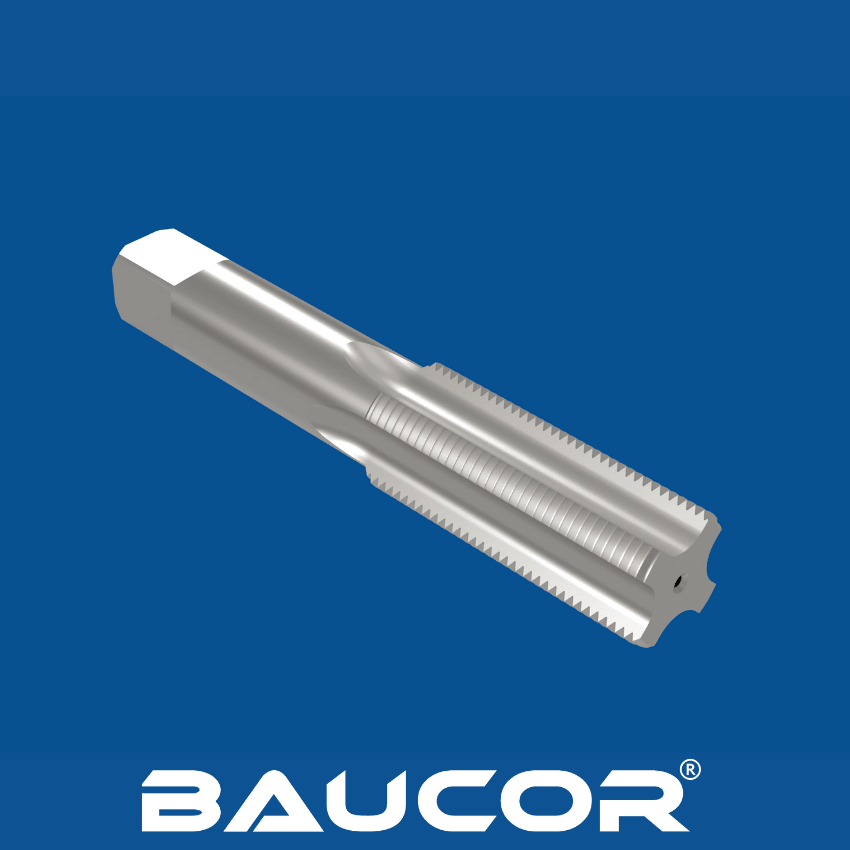
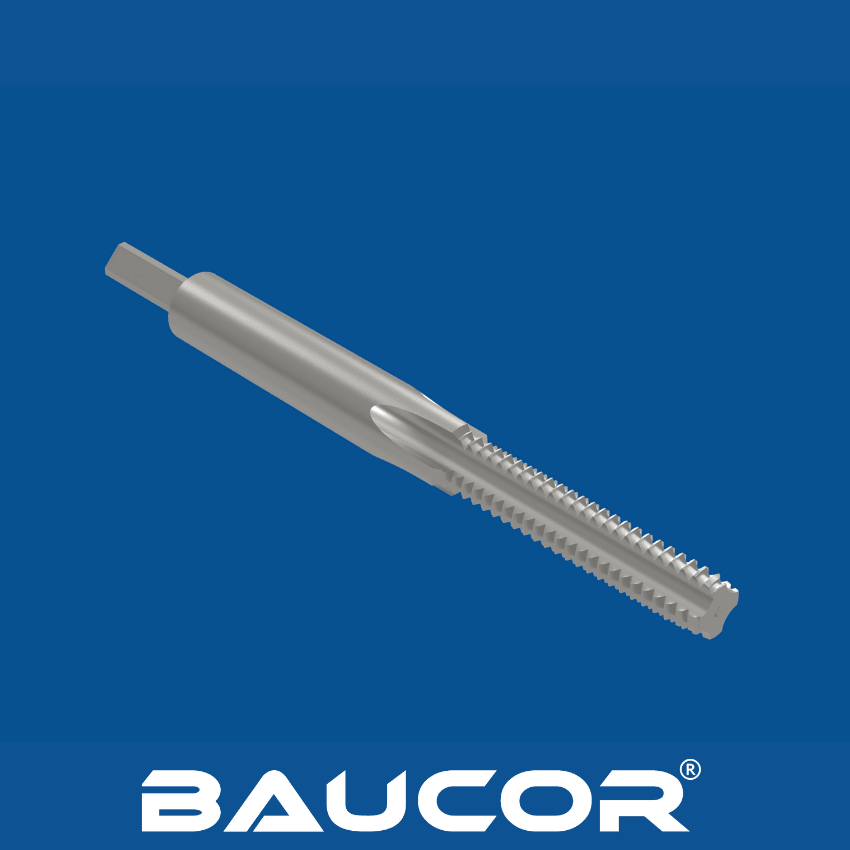
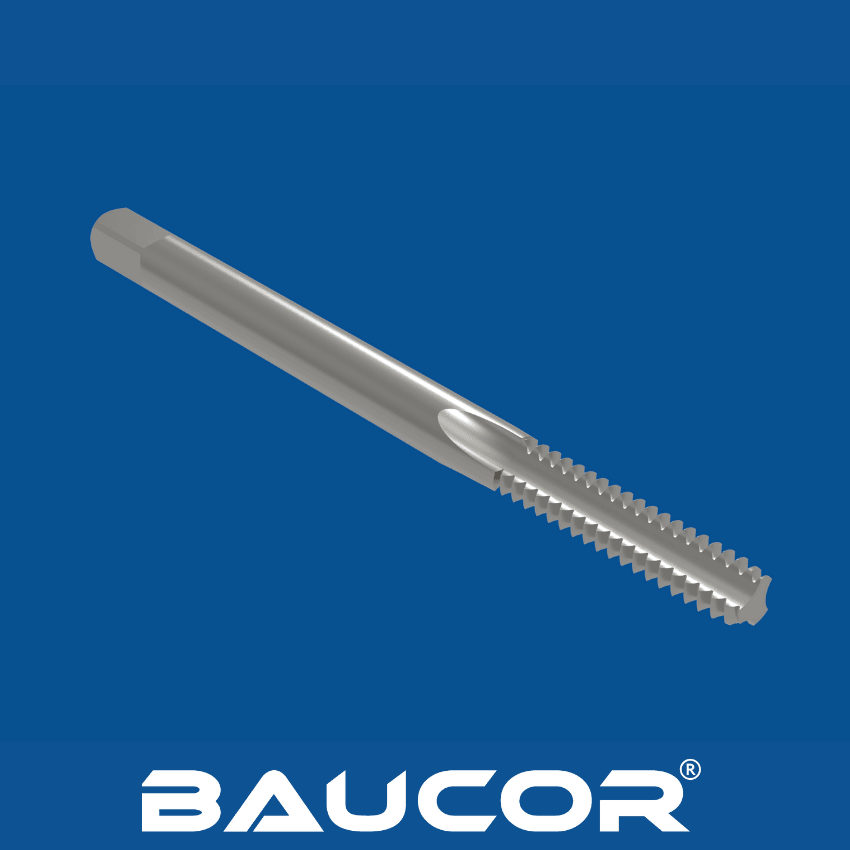
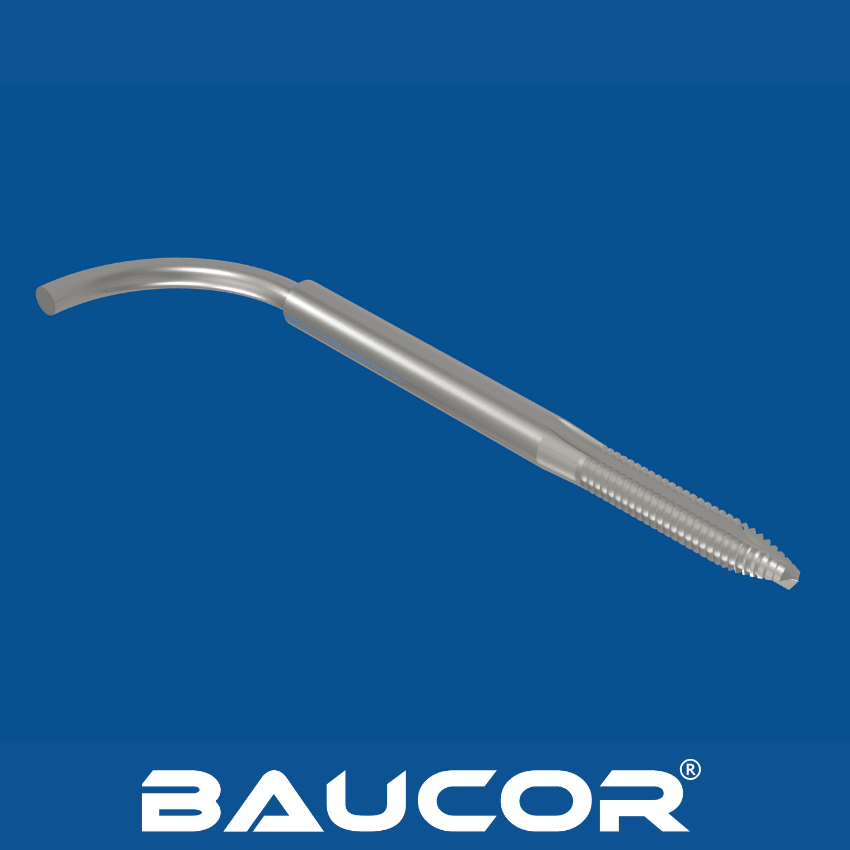
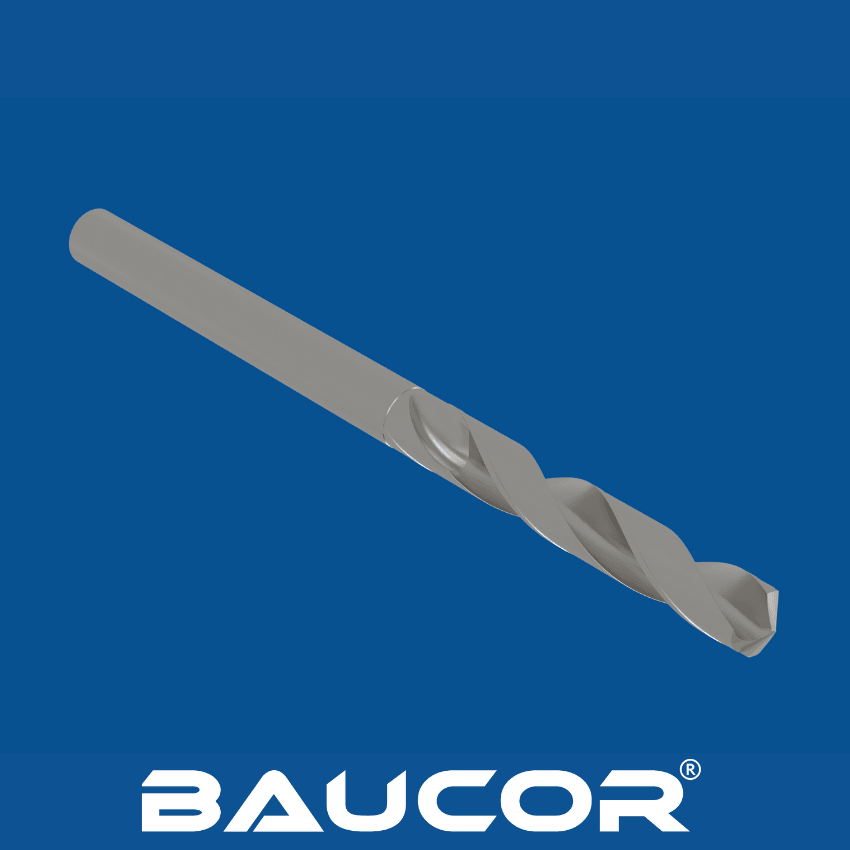
Combination machine taps are designed to streamline operations by combining drilling and threading capabilities into a single tool. Their specialized design follows a combination of industry standards, manufacturer choices, and considerations specific to their dual functionality. Let's dive into the key design elements:
Crucial Design Considerations
Standards and Specifications
- Thread Standards (UNC, UNF, Metric, etc.): The threading portion of the combination tap strictly adheres to specific standards to ensure compatibility with fasteners. Each standard has slightly different thread profiles, pitches, and tolerances.
- Manufacturer Specifications: Each manufacturer will have their own tolerances, quality control procedures, and design variations that influence tap performance, tool life, and suitability for specific scenarios.
Drilling Section
- Flute Design: Resembles a small twist drill with typically two cutting edges. The flute geometry and number of flutes are optimized for chip evacuation during the drilling process.
- Point Angle: The angle of the drill point influences chip formation and the ease of drilling into your workpiece material.
Taper (in Threading Section)
- Standard Taper: Most combination machine taps use a slight taper across the length of the threaded section. This taper helps guide the tap into the hole and can ease thread engagement, but it's less pronounced than the distinct taper on pipe thread taps.
- Variations: Specialized applications might necessitate variations on the standard taper, although these are less common.
Flutes (in Threading Section)
- Chip Management: While less focused on chip removal compared to dedicated taps, the flutes play a role in both cutting action and chip clearance from the threading zone.
- Lubricant Access: Flutes provide channels for crucial lubricants and coolants to reach the threading zone.
Pilot Hole:
- Critical Dimension: The pilot hole size is absolutely crucial for proper thread formation. It must be precisely calculated based on the tap's design, the workpiece material's properties, and the desired percentage of thread engagement. This information is found in the tap's datasheet and machining handbooks.
- Surface Finish: A smooth pilot hole is important for reducing friction and ensuring clean thread creation.
Chamfer
- Variations: Like other taps, manufacturers offer various chamfer types (taper, plug, bottoming, etc.) each with slightly different thread starting characteristics. The right chamfer choice depends on workpiece material, hole type (blind or through), and the desired thread engagement.
Material
High-Speed Steel (HSS): The foundation for many combination machine taps, offering a balance of toughness, wear resistance, strength, and affordability.
Cobalt High-Speed Steel (HSS-E): When toughness and heat resistance need a boost for harder workpiece materials or demanding applications, HSS-E steps in.
Powdered Metal High-Speed Steel (PM HSS): The "champion" for very tough jobs! PM HSS offers unparalleled wear resistance and toughness for the most demanding materials and high-volume scenarios.
- Shank: Standardized to fit common tool holders (e.g., collets on machines or tap wrenches).
Surface Treatments (Optional)
- Titanium Nitride (TiN): Classic gold-colored coating for wear resistance and reduced friction.
- Other Coatings: TiAlN (for high-heat scenarios), CrN (specific corrosion concerns), multi-layer coatings for specialized performance.