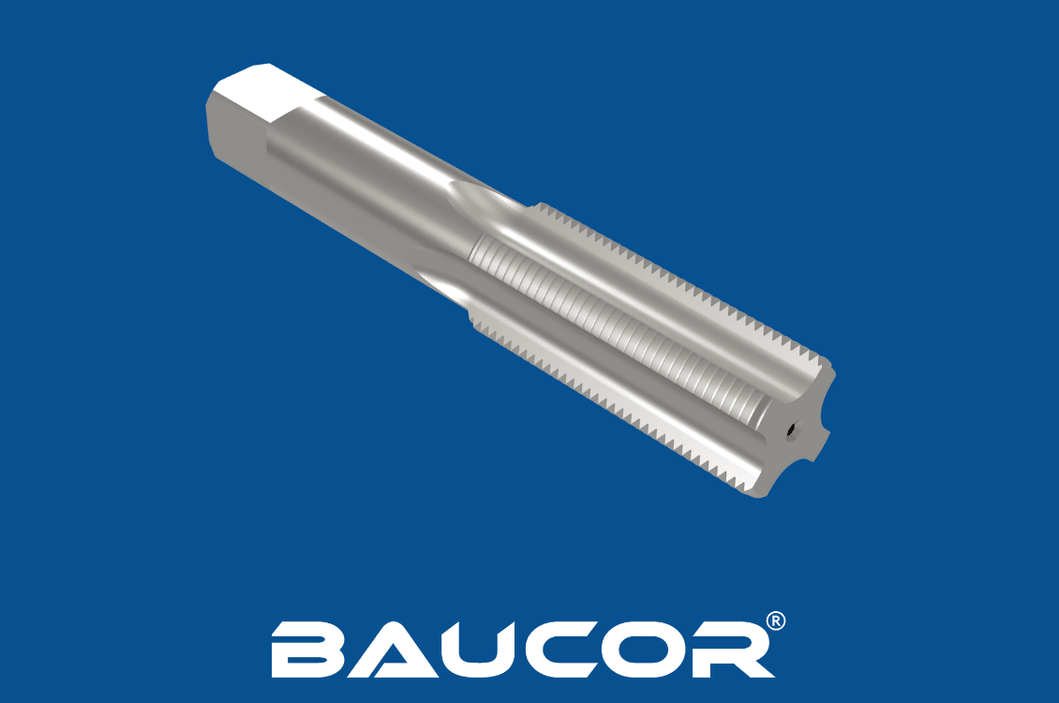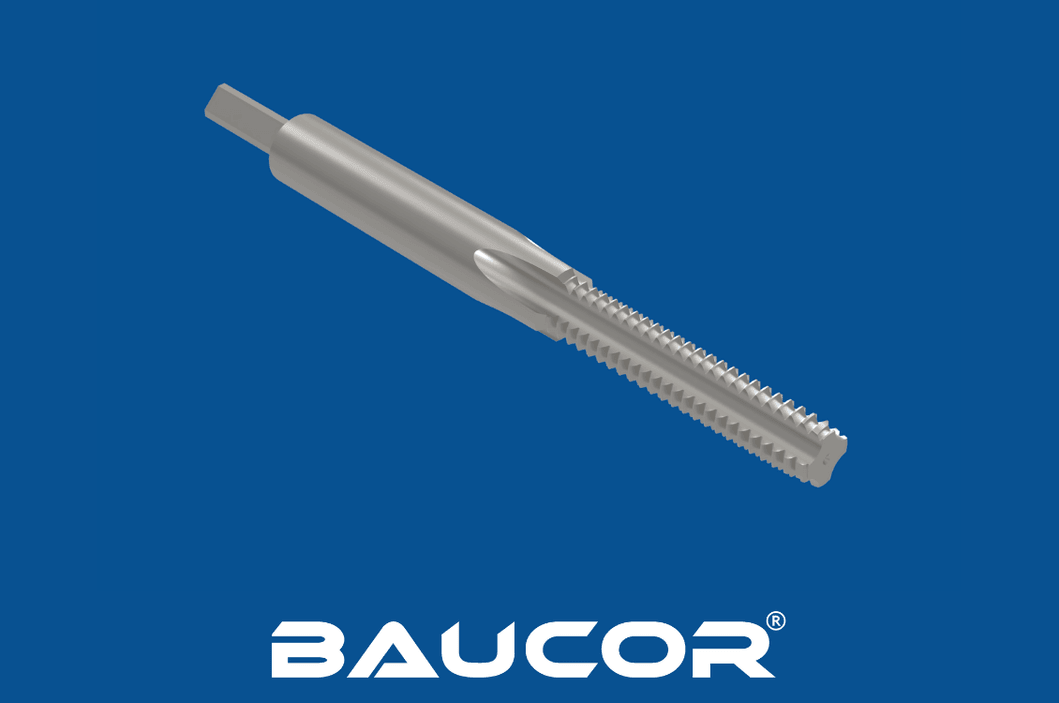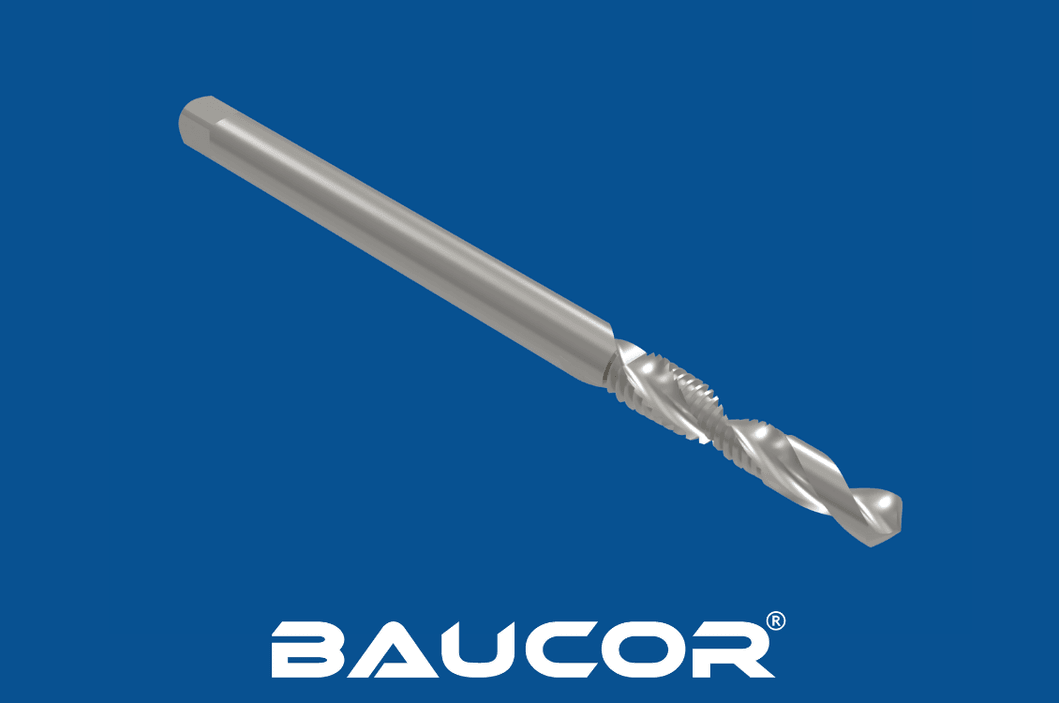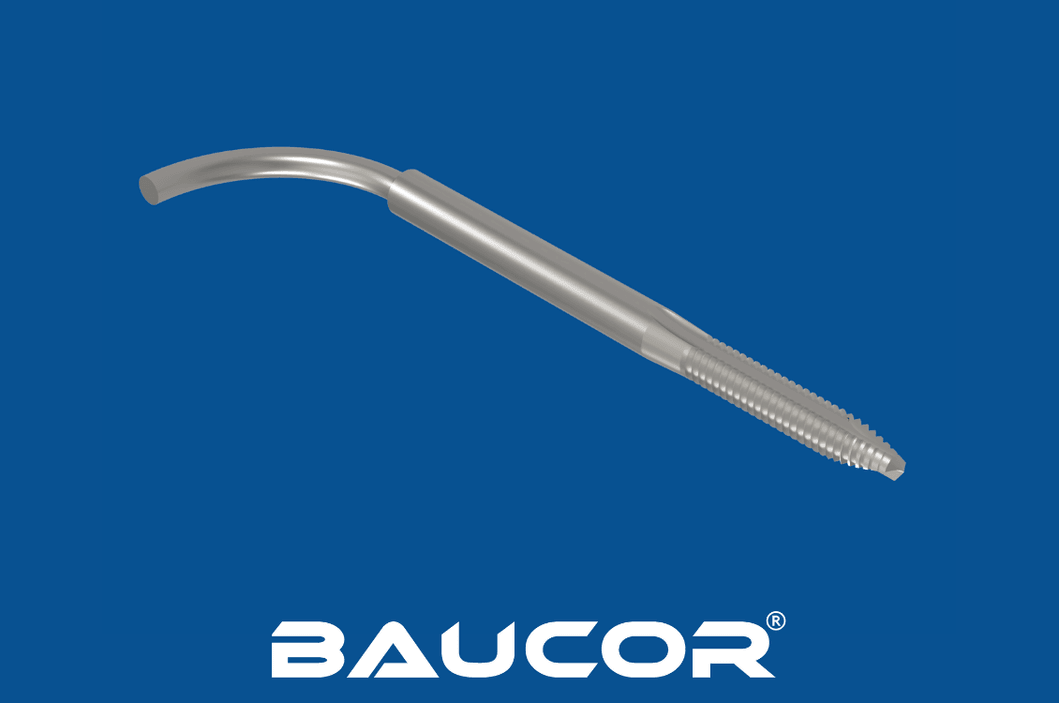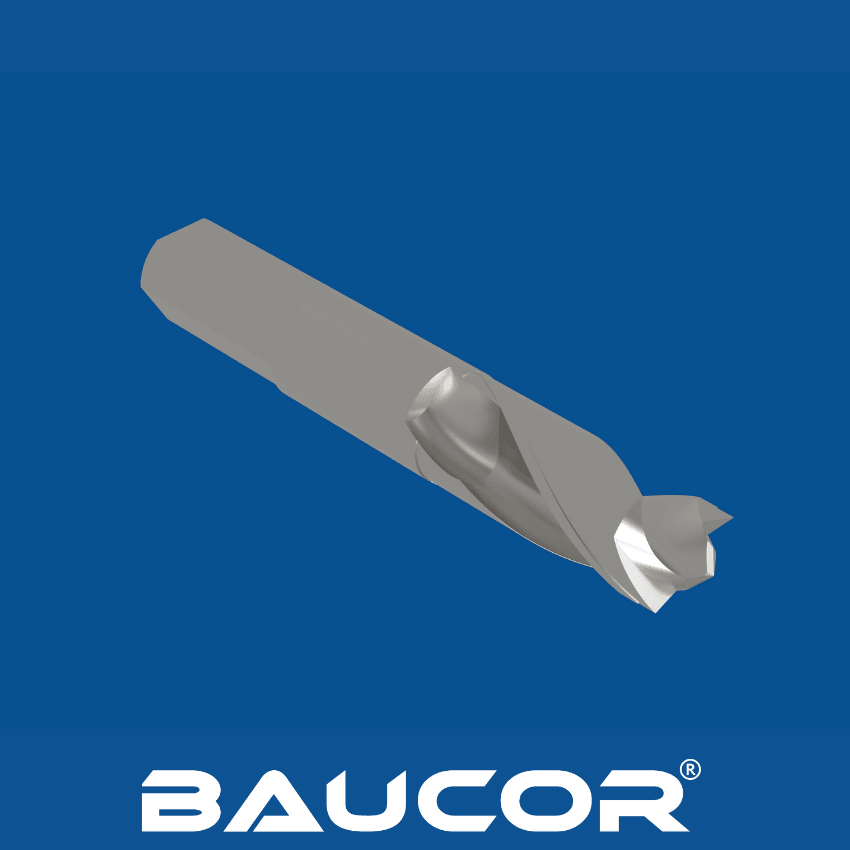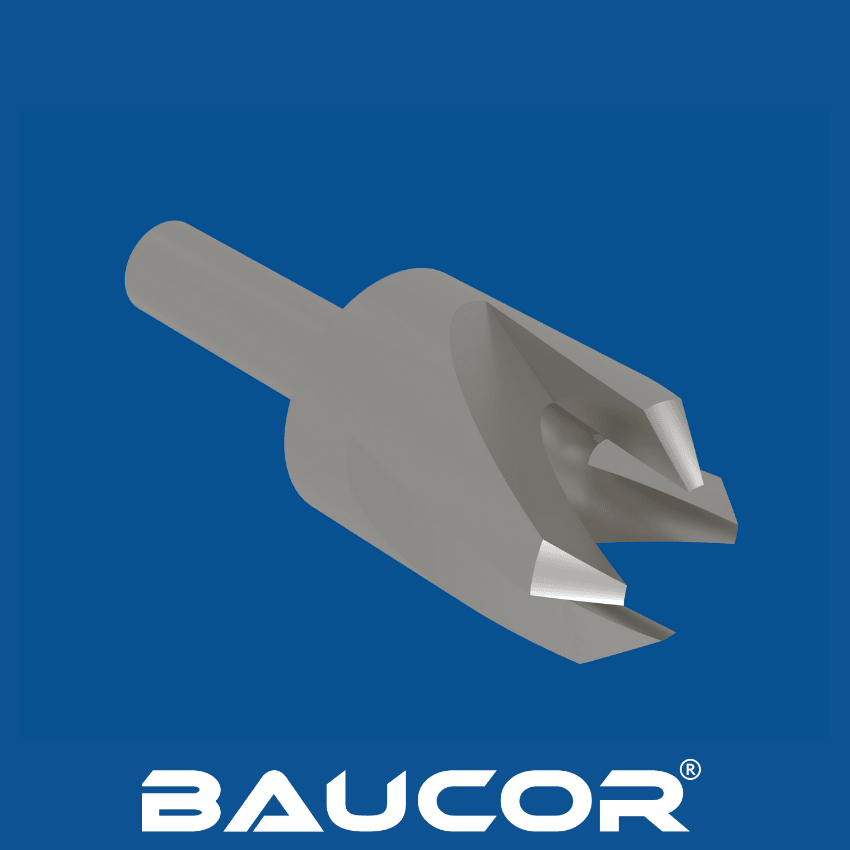


How are Pipe Taps manufactured?
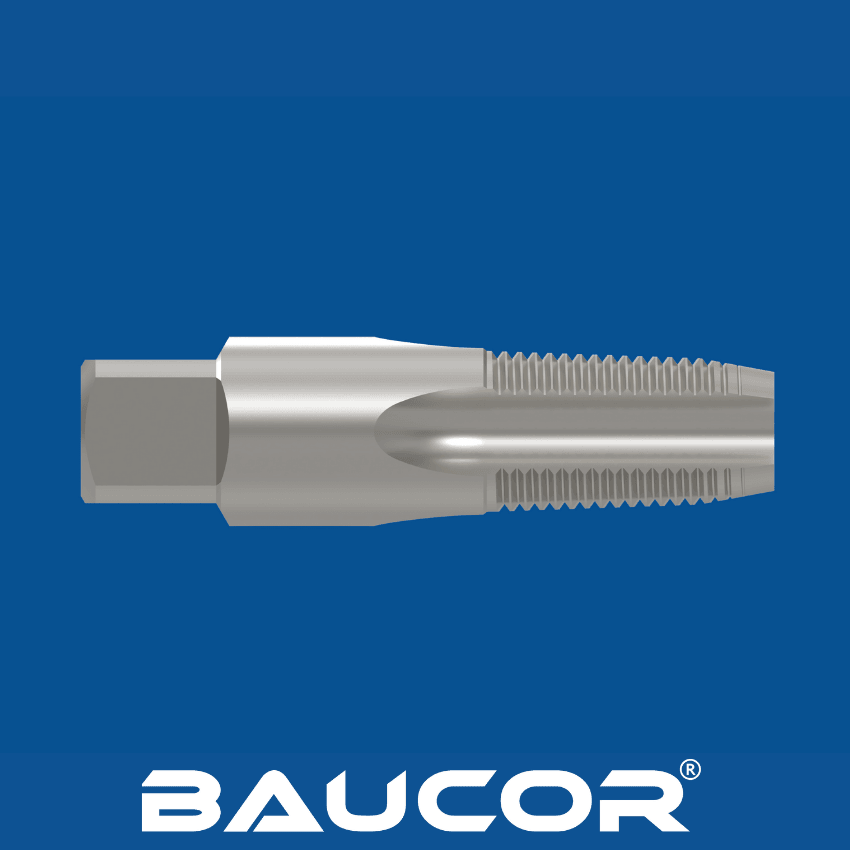
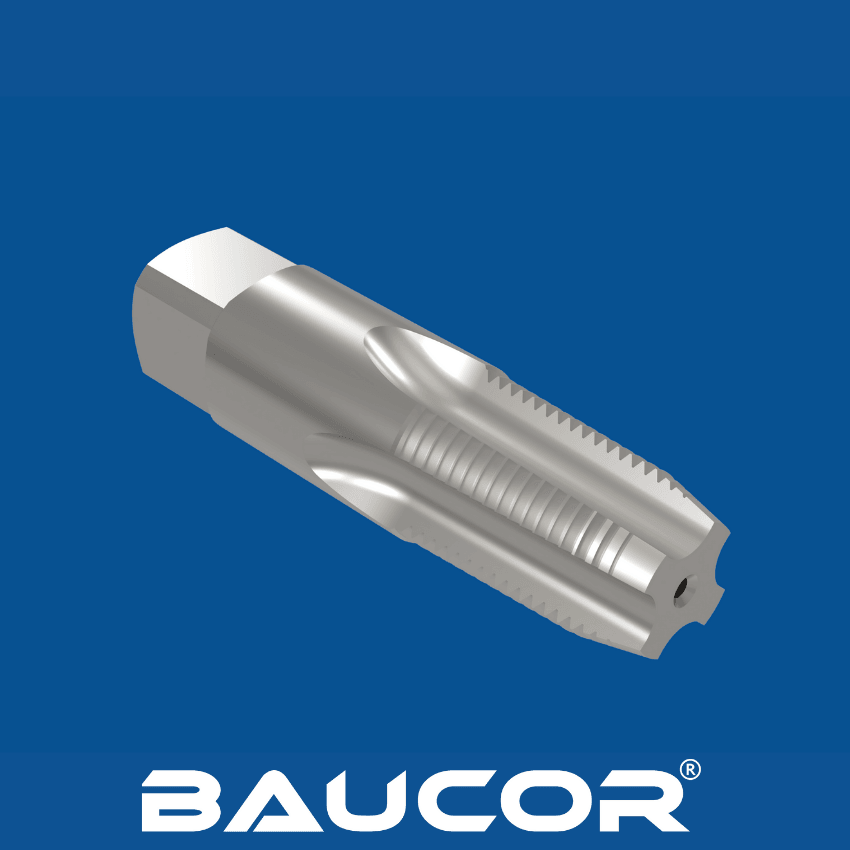
The creation of pipe taps, with their specialized tapered design essential for leakproof connections, involves a meticulous process where accuracy and material properties are paramount. Let's delve deeper into the key stages:
- Material Selection & Preparation:
- Material Considerations: High-Speed Steel (HSS) is the foundation for many pipe taps due to its balance of toughness, wear resistance, and affordability. For particularly hard pipes or demanding applications, manufacturers might opt for Cobalt High-Speed Steel (HSS-E) for its superior heat resistance or even Powdered Metal High-Speed Steel (PM HSS) for maximum toughness.
- Other possible materials are Cobalt High-Speed Steel (HSS-Co), Powdered Metal (PM), High-Performance High-Speed Steel (HP-HSS), Carbide, Titanium Nitride (TiN), Titanium Carbonitride (TiCN), Titanium Aluminum Nitride (TiAlN), Diamond-like Carbon (DLC), Aluminum Titanium Nitride (AlTiN).
- Initial Shaping: The chosen steel rod is cut to approximate length and undergoes a heat treatment cycle to increase its hardness, preparing it for the rigors of the machining process.
Blank Forming:
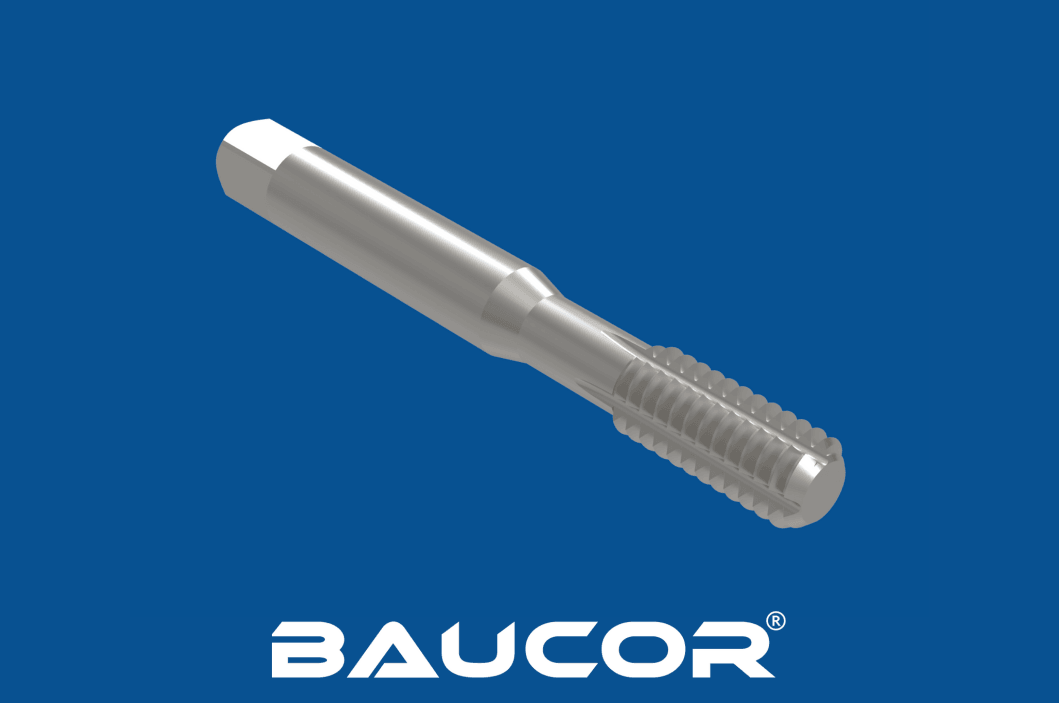
- Grinding or Turning: Machining processes remove excess material to establish the tap's shank (the non-threaded portion gripped by a tool holder) and its overall diameter. These dimensions are already closely controlled as they influence the final thread size and compatibility.
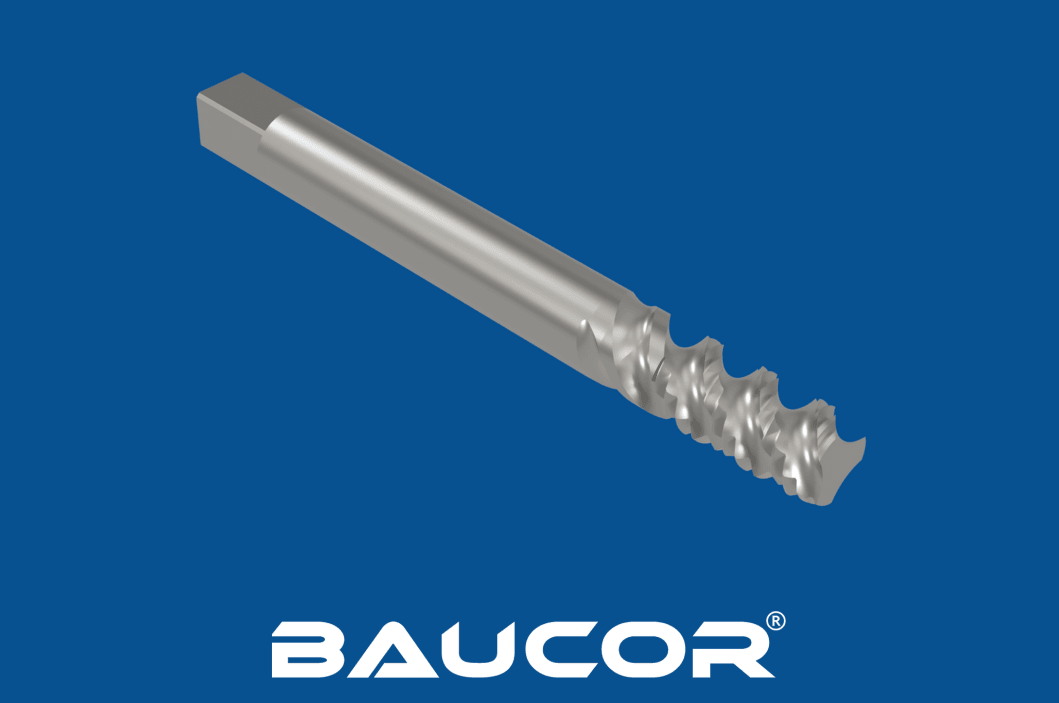
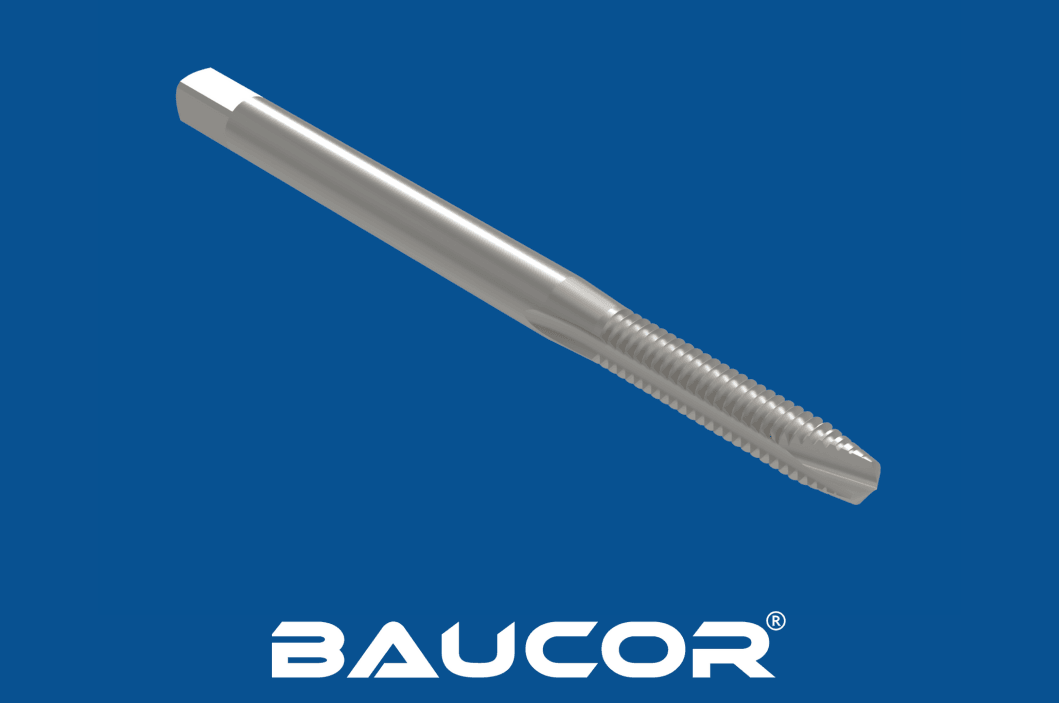
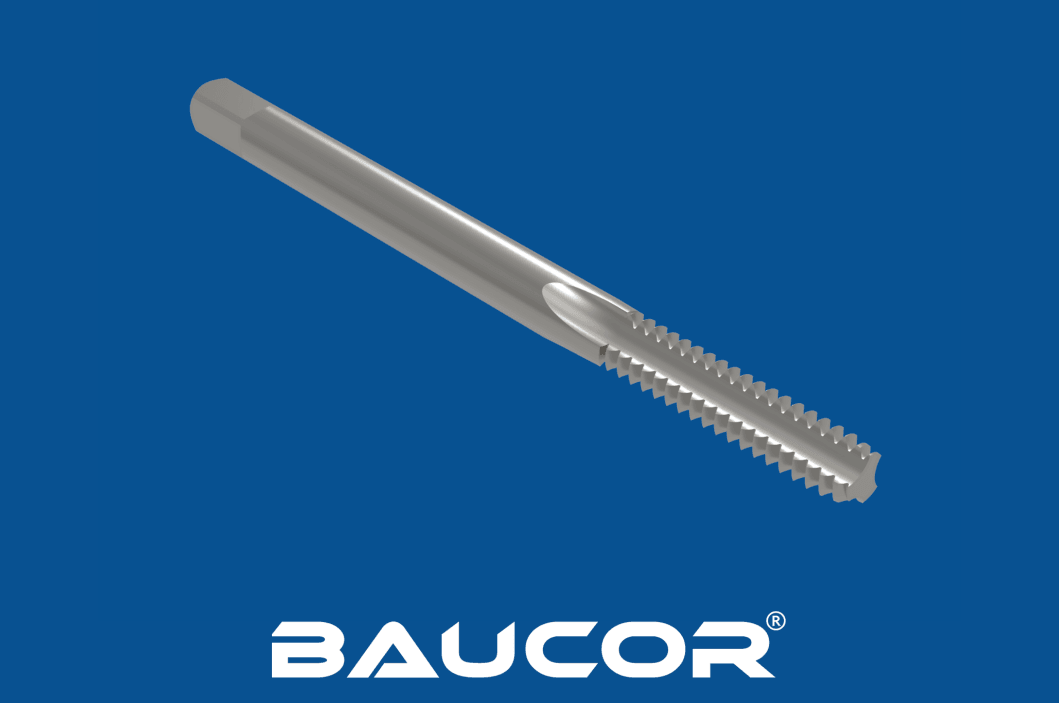
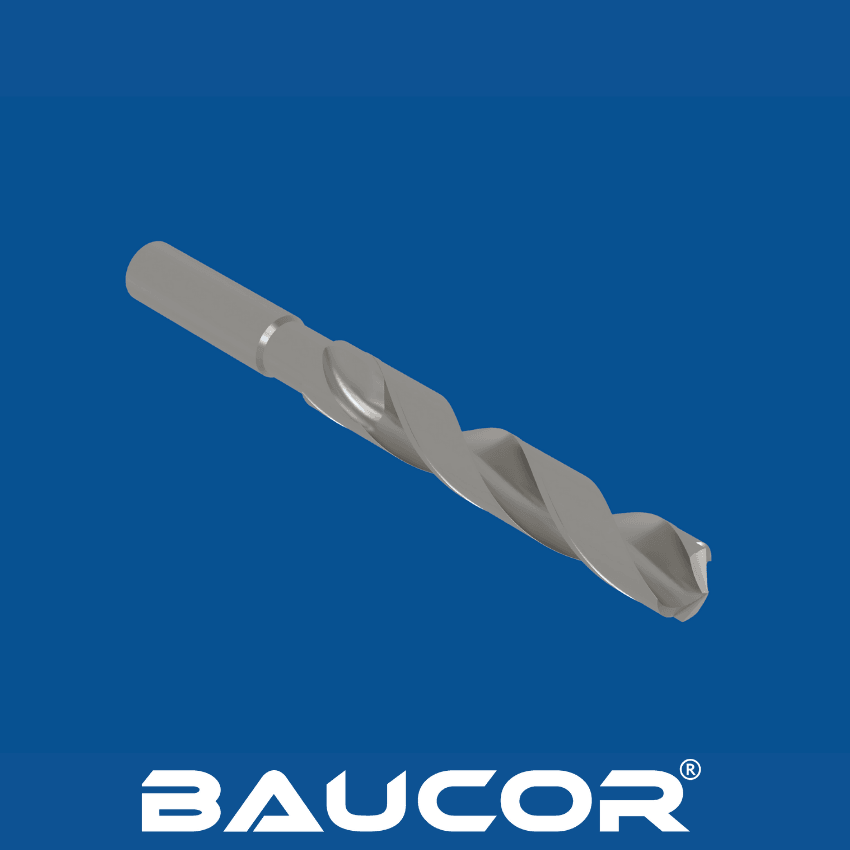
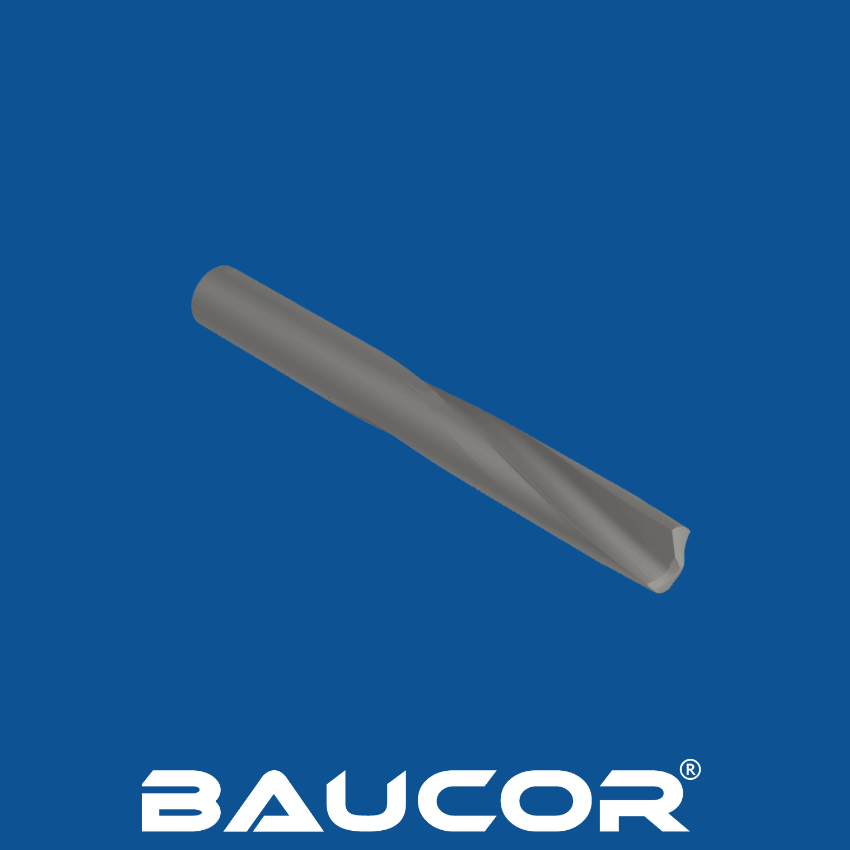
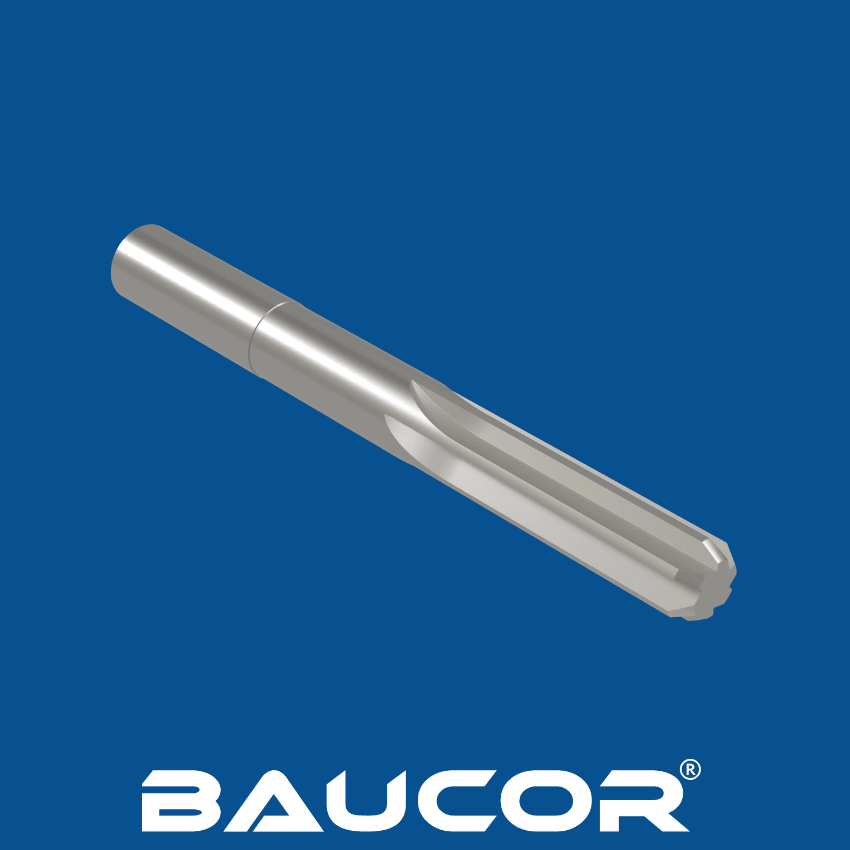
- Fluting: Specialized milling machines carve out the tap's characteristic flutes. Pipe taps might use straight flutes for short chips in common materials or spiral flutes for better chip ejection when dealing with tougher materials or deeper holes.
Thread Creation:
- Specialized Thread Grinding: Precision grinding machines play the most critical role. These machines utilize grinding wheels with a profile that mirrors the desired thread standard (like NPT or NPTF), incorporating the essential taper.
- Precision and Control: CNC (Computer Numerical Control) technology ensures the accuracy and repeatability of the thread cutting process. Manufacturers carefully control grinding wheel speeds, machine movements, and even the flow of coolant to maintain optimal cutting conditions.
Heat Treatment
- Optimizing Material Properties: The tap undergoes another heat treatment cycle. This final step fine-tunes its hardness, toughness, and wear resistance, ensuring it can withstand the forces of cutting threads in pipe materials.
Surface Treatments (Optional):
- Titanium Nitride (TiN): The classic gold-colored coating reduces friction and wear.
- Advanced Coatings: Options like Titanium Aluminum Nitride (TiAlN) for high-temperature applications or Chrome Nitride (CrN) for corrosion resistance can be strategically selected.
Quality Control: Stringent inspections ensure quality:
- Dimensional Accuracy: Threads, diameters, taper, and overall tap geometry are meticulously checked against strict tolerances specified by industry standards and the manufacturer.
- Hardness Testing: Verifies the material achieved the desired properties through heat treatment
- Surface Inspection: The tap is examined for flaws or imperfections that might affect performance or tool life.