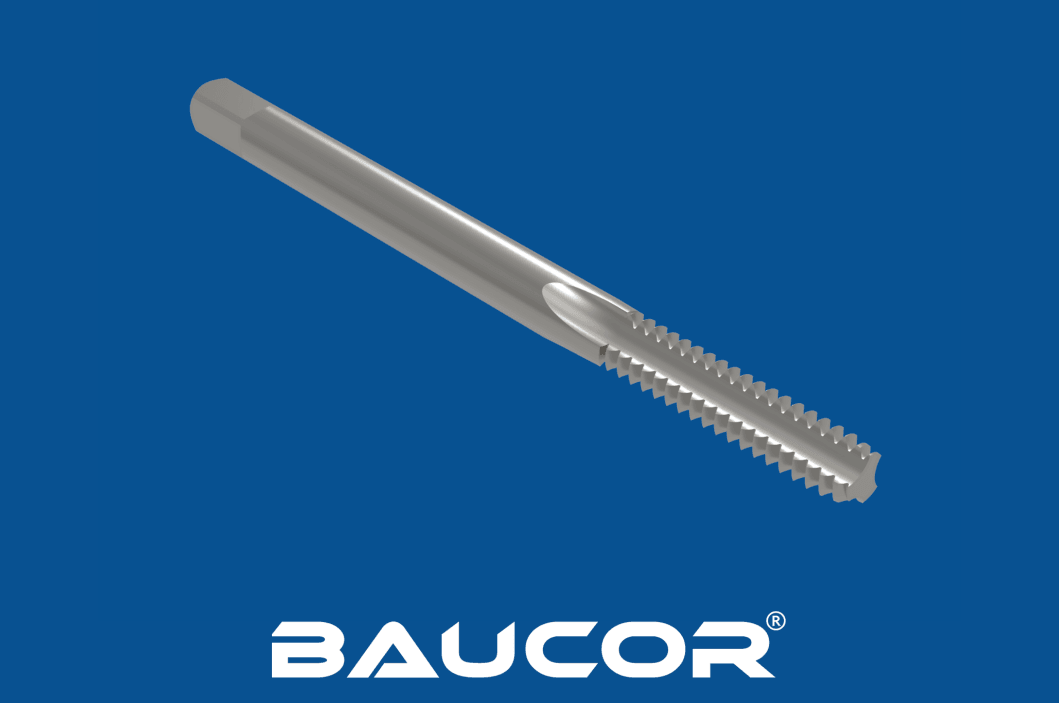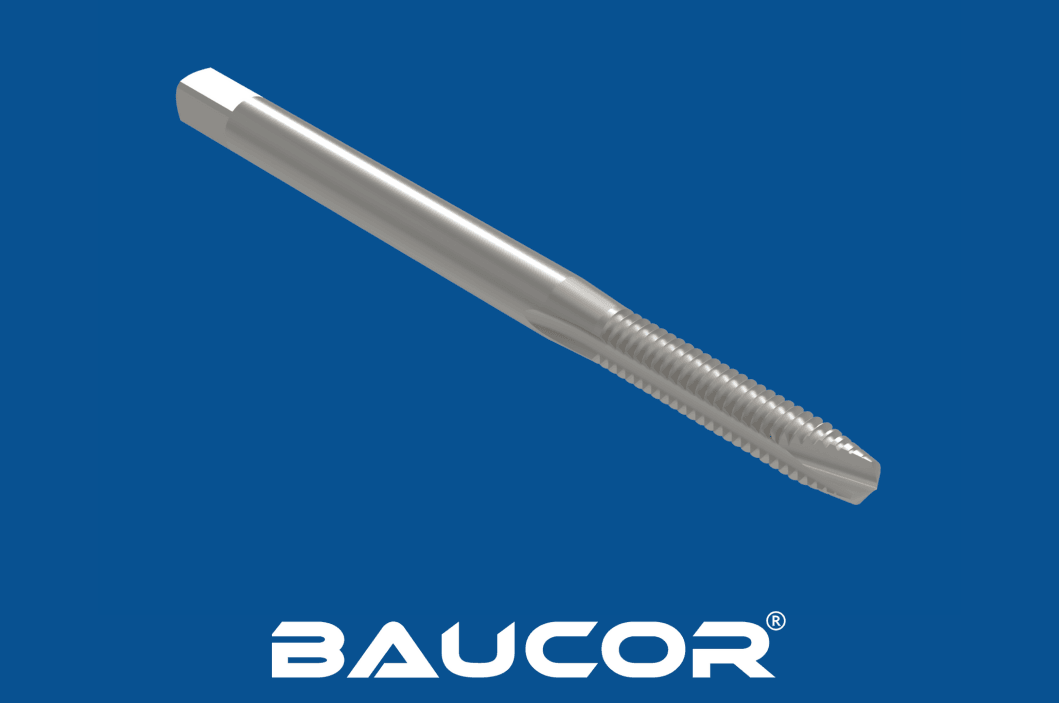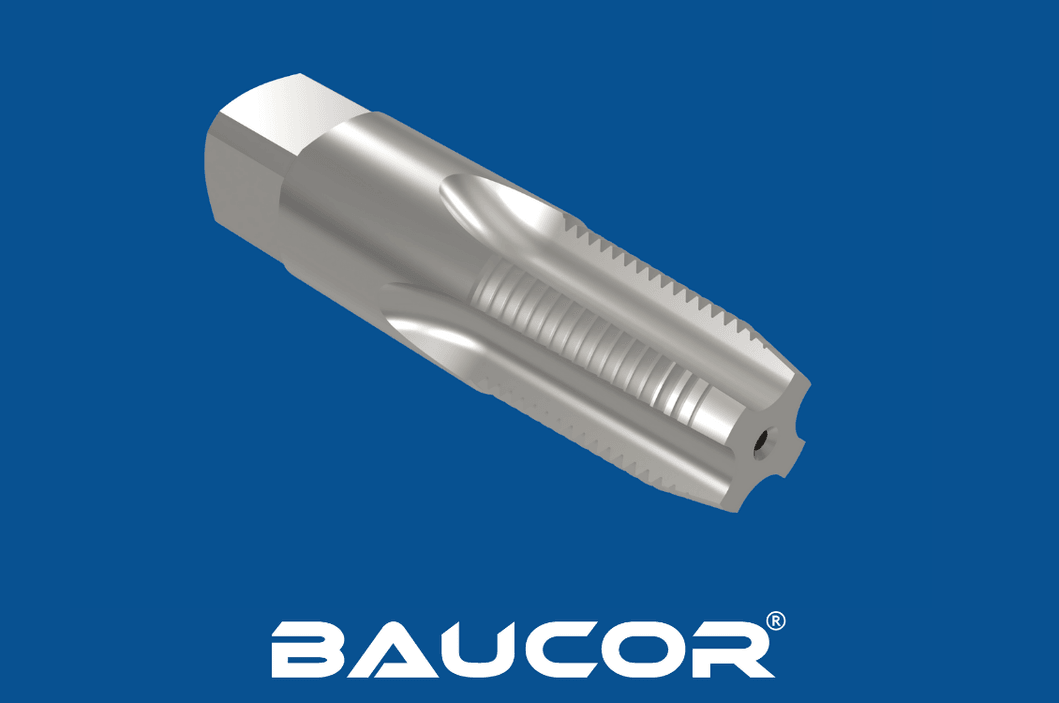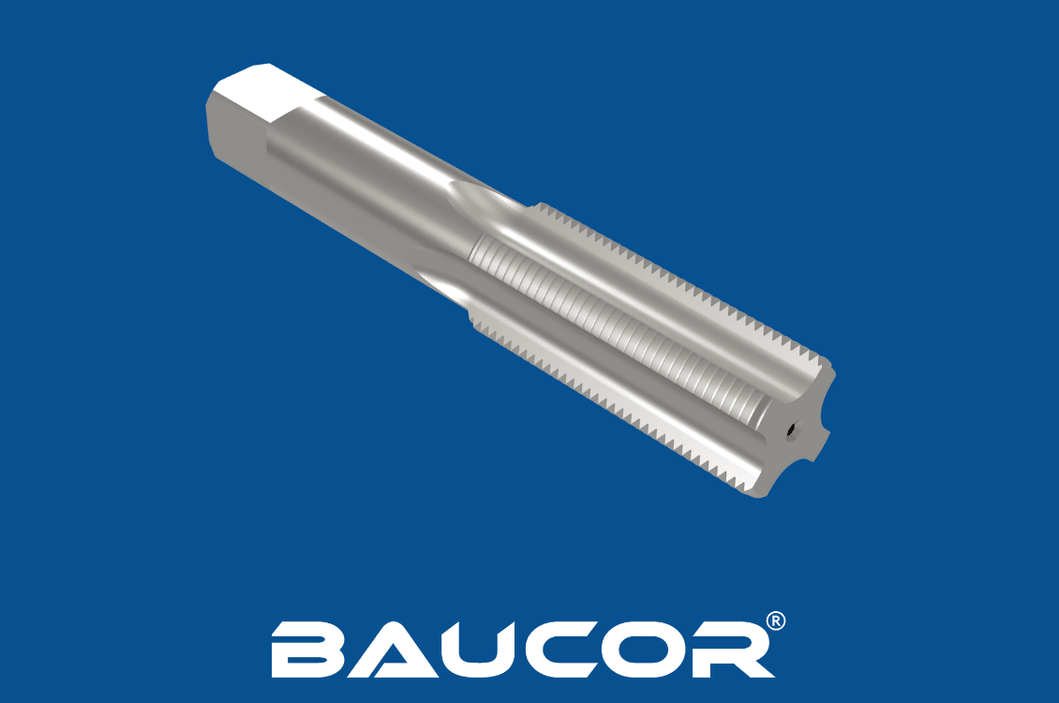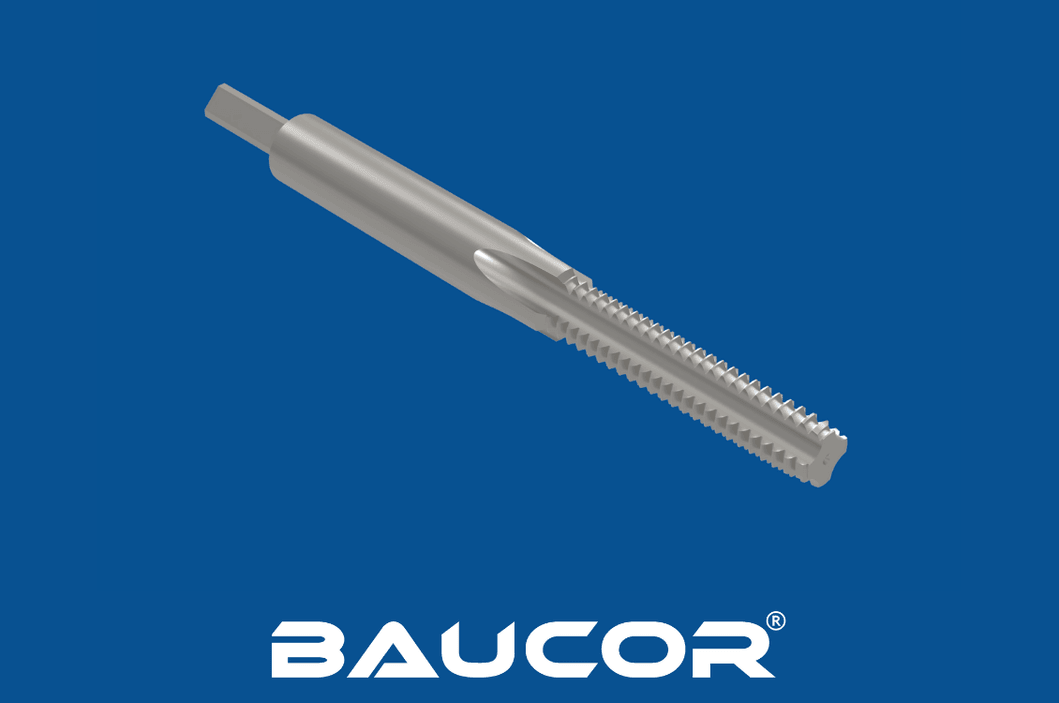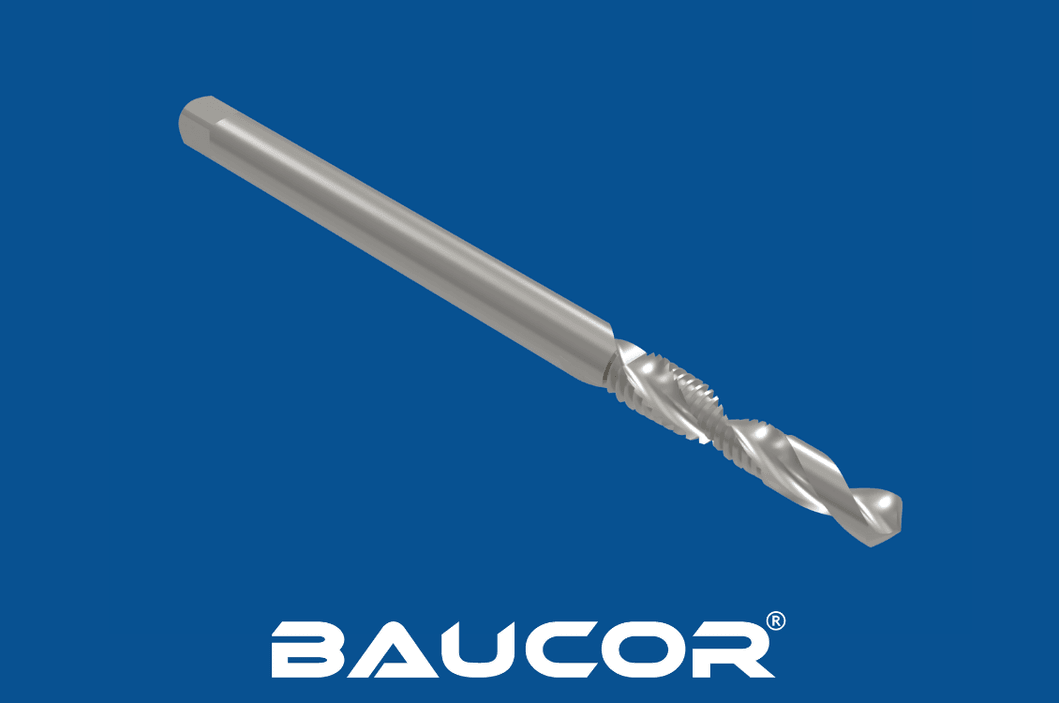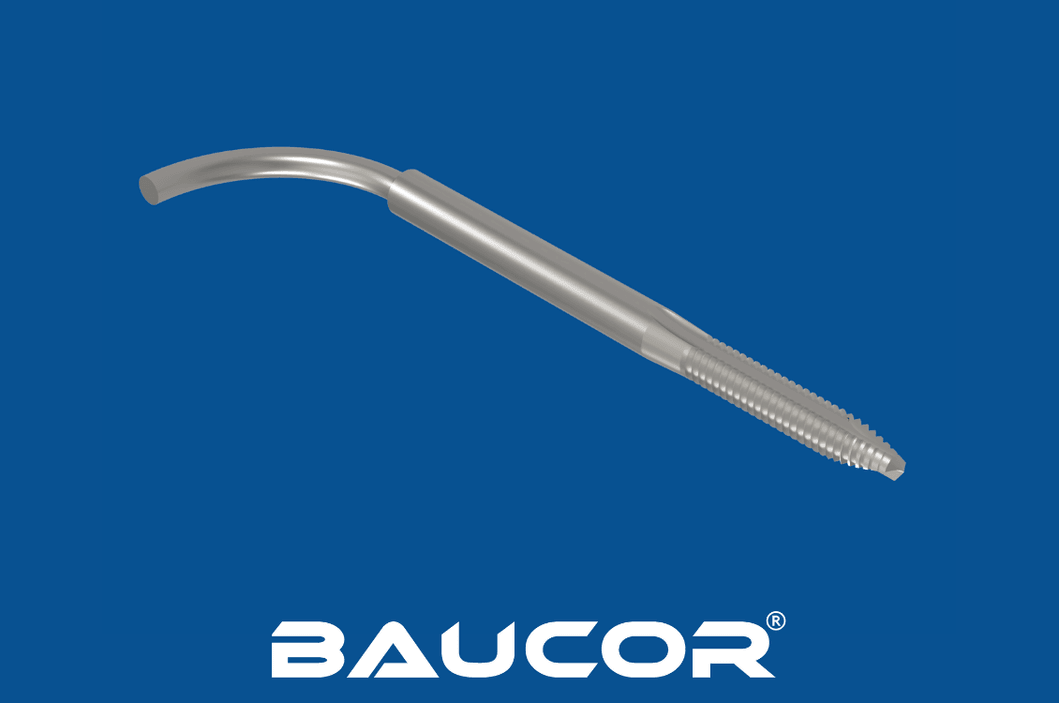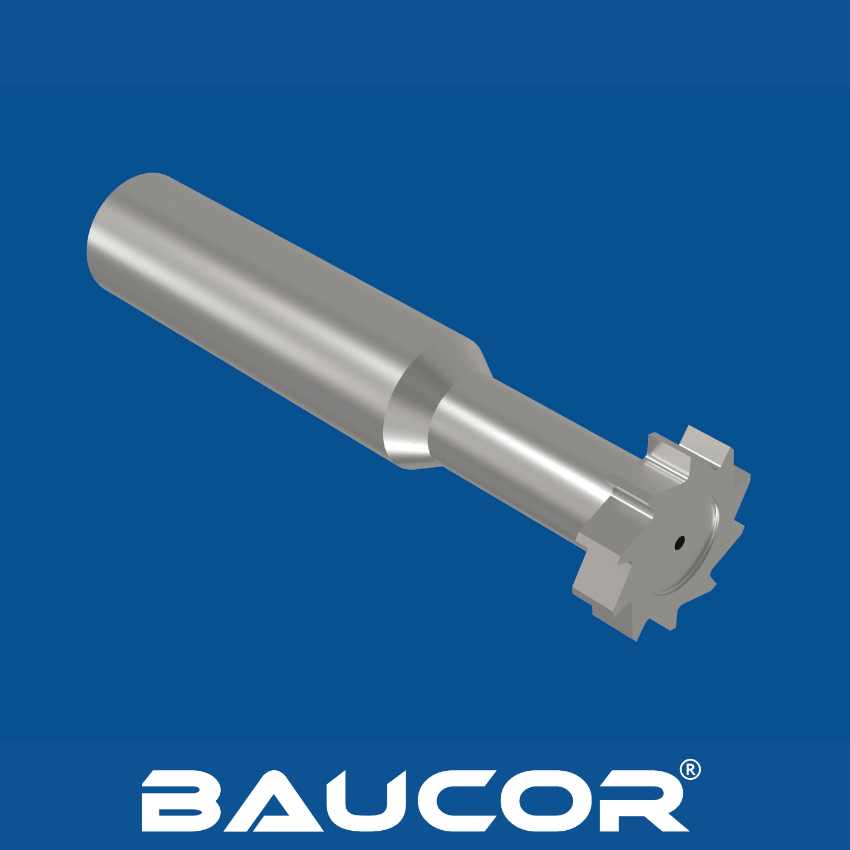



How are Spiral Flute Taps manufactured?

The creation of a spiral tap involves several stages, precision machining, and specialized equipment to achieve the desired accuracy and performance.
Key Manufacturing Steps
- Material Selection & Preparation: The process begins with a rod of high-quality tool steel, typically High-Speed Steel (HSS) or Cobalt High-Speed Steel (HSS-E). The rod is cut to approximate length and heat-treated for increased hardness. Other possible materials are High-Speed Steel (HSS), Cobalt High-Speed Steel (HSS-Co), Powdered Metal (PM), Carbide, Coated variations of the above materials (e.g., TiN, TiCN).
- Blank Forming: The basic tap shape is formed through grinding or turning operations. The shank and overall diameter start to take form.
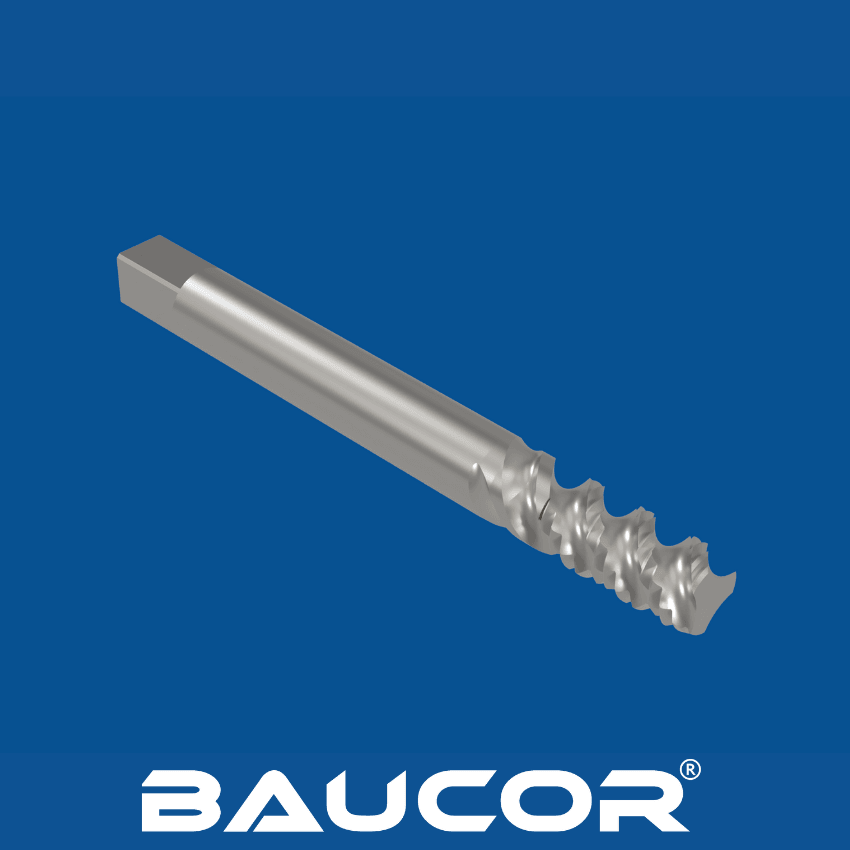
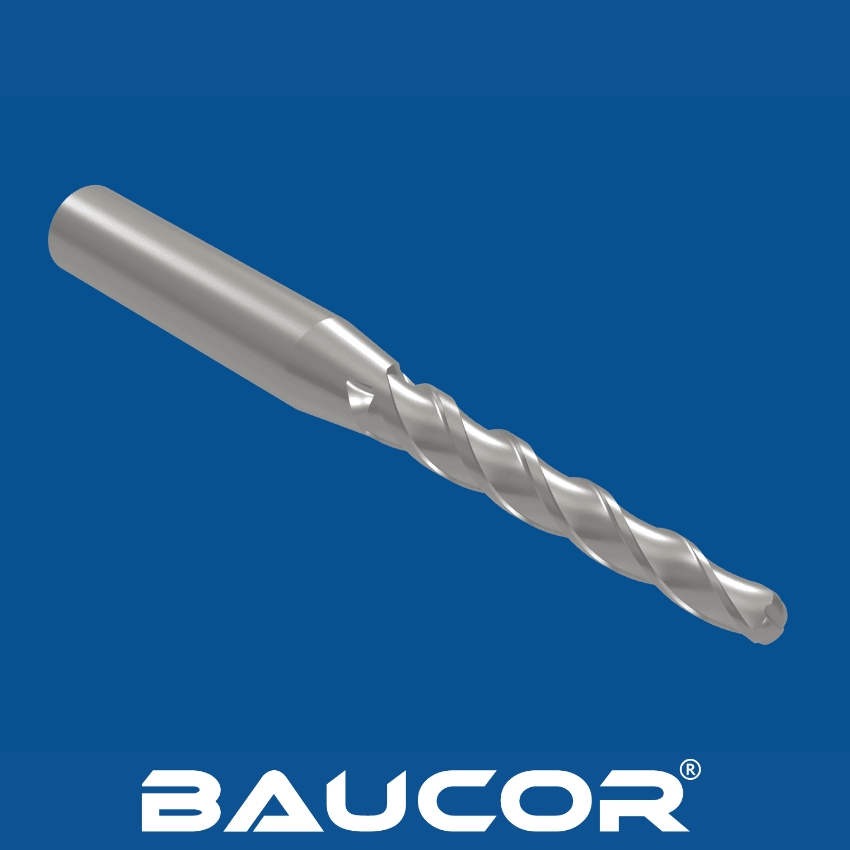
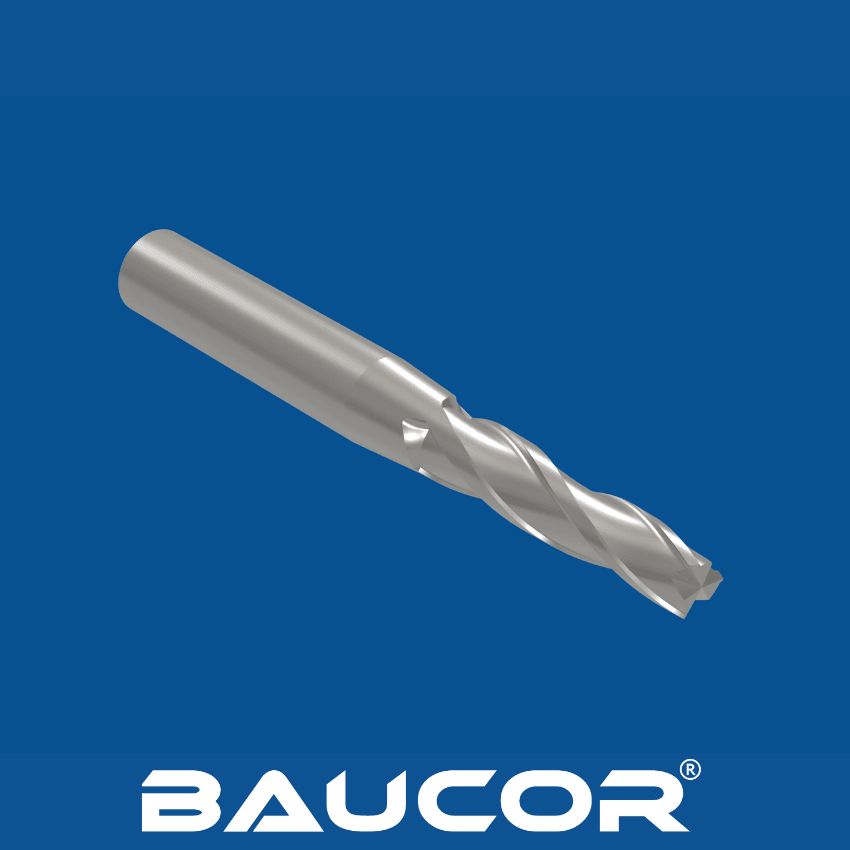
- Flute Creation: Specialized milling machines create the signature spiral flutes. The angle and depth of these flutes are crucial for chip evacuation.
- Thread Cutting: High-precision grinding machines use specific grinding wheels to carve the exact thread profile according to standards (e.g., Metric, UNC, UNF).
- Heat Treatment (Final): The tap undergoes a final heat treatment to achieve the optimal hardness and wear resistance.
- Coating (Optional): Coatings like Titanium Nitride (TiN) or others can be applied to further enhance performance and tool life.
- Quality Control: Dimensional accuracy (threads, diameter, flute geometry), hardness, and surface finish are rigorously inspected.