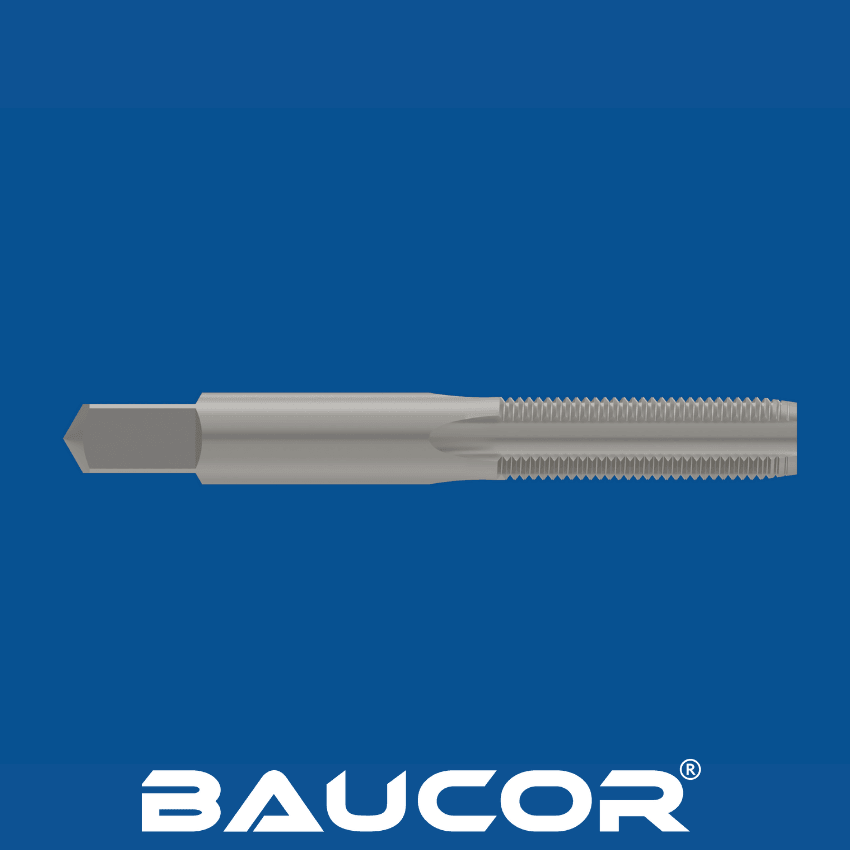
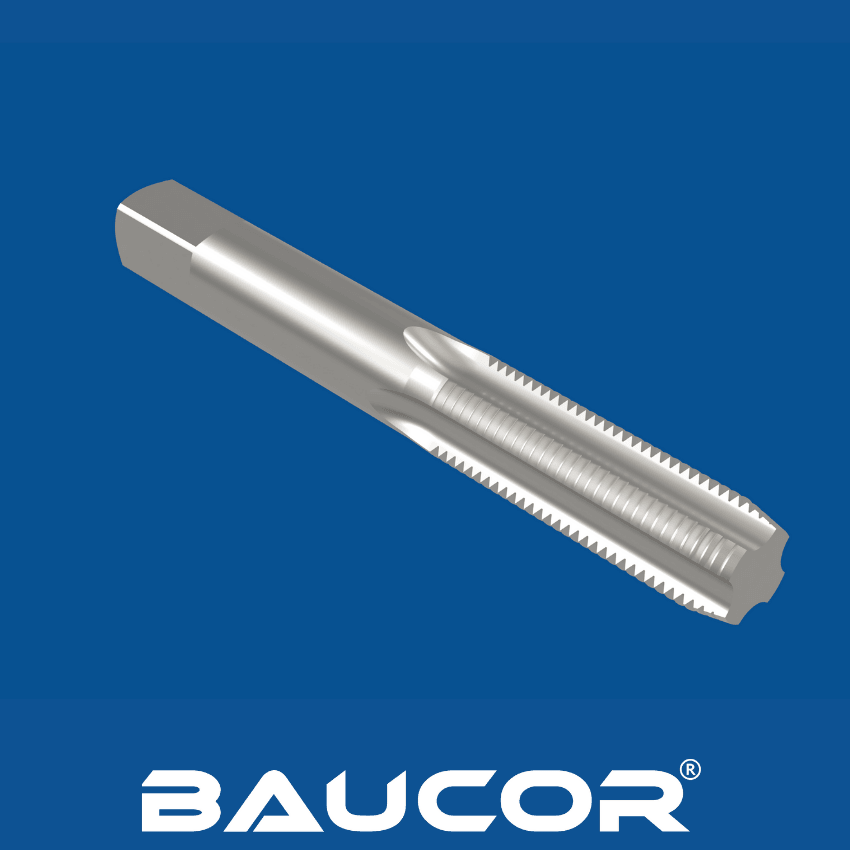
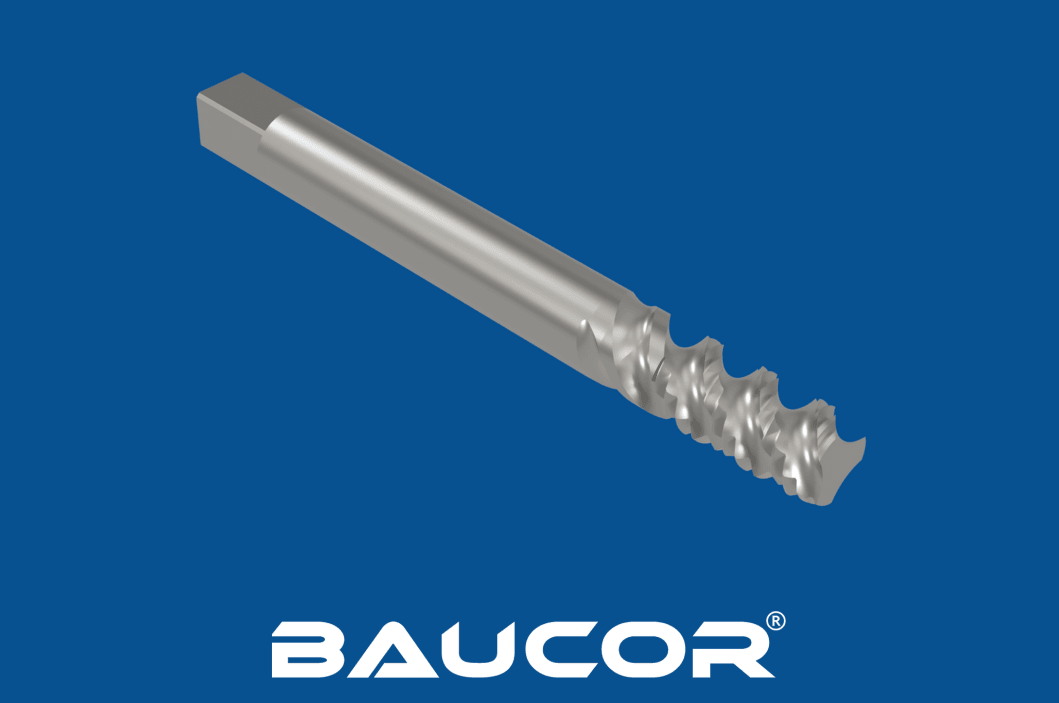
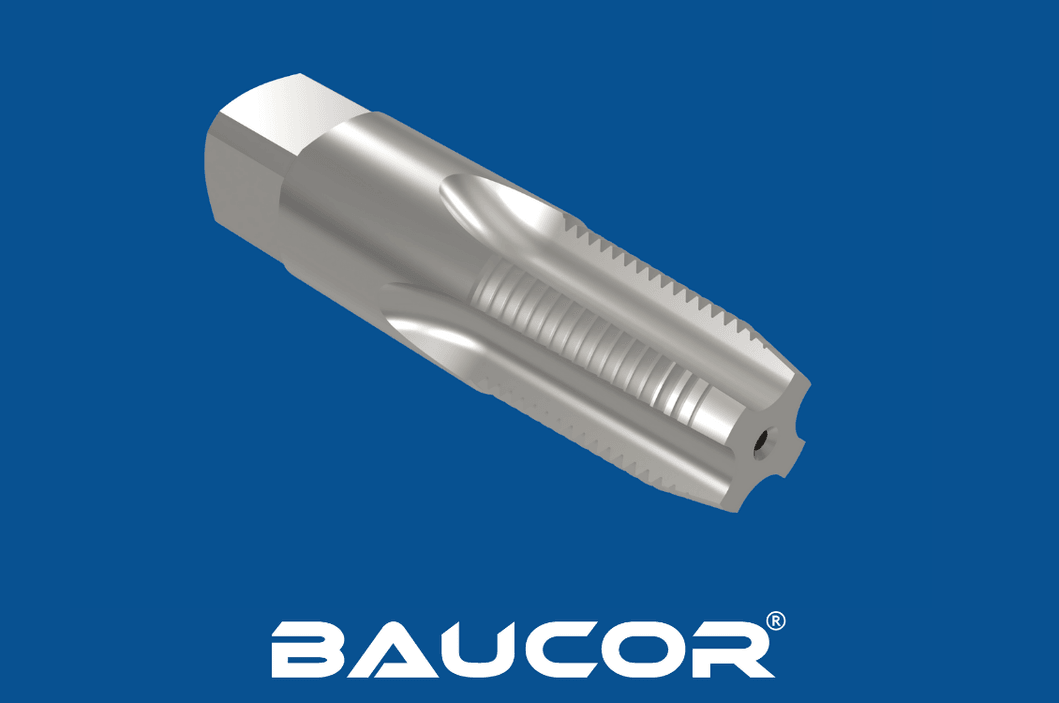
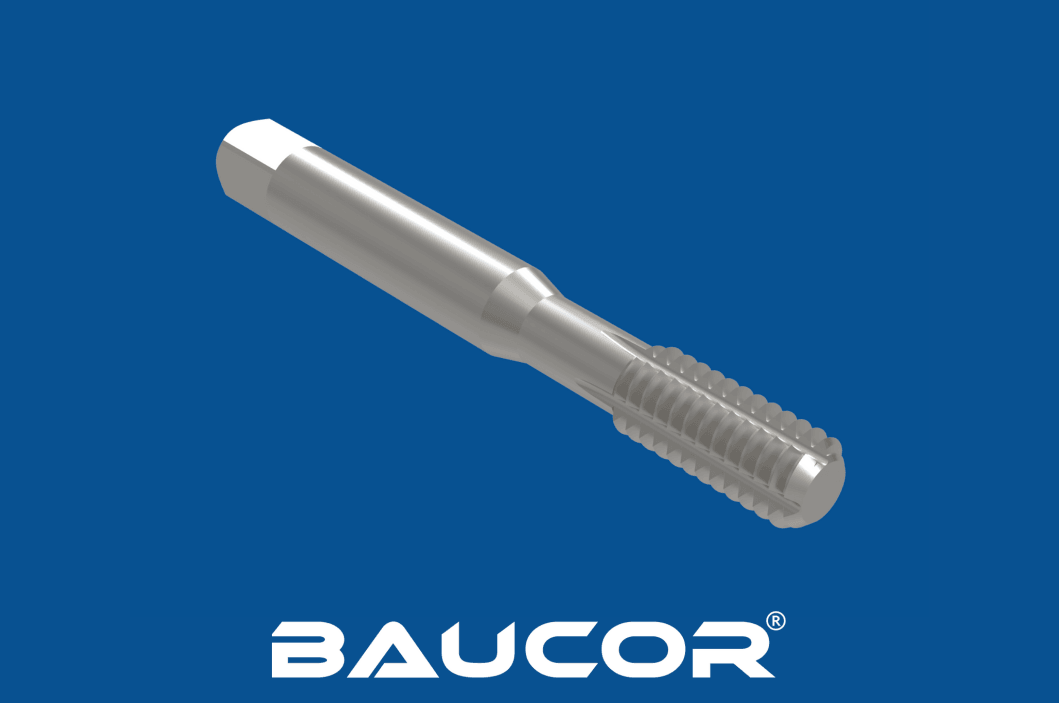
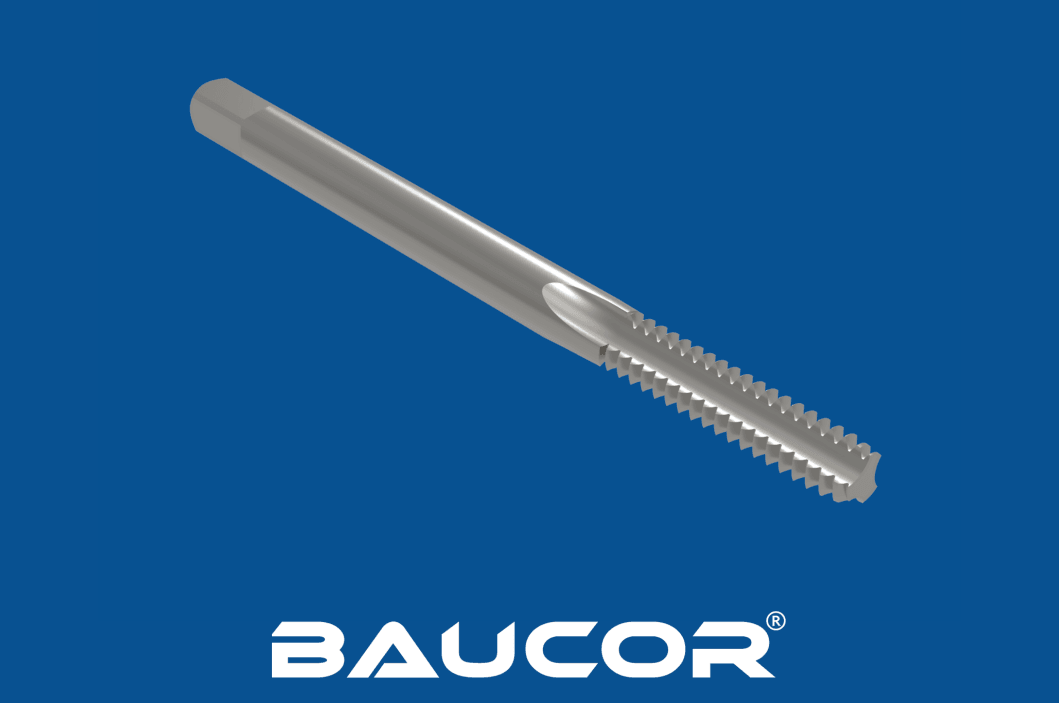
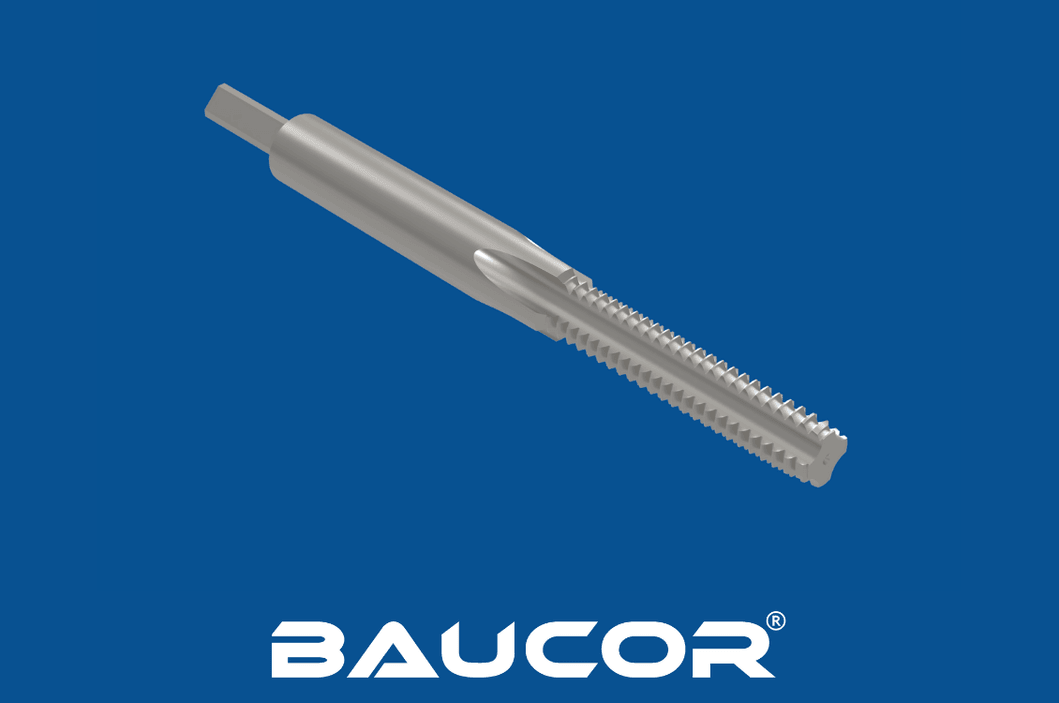
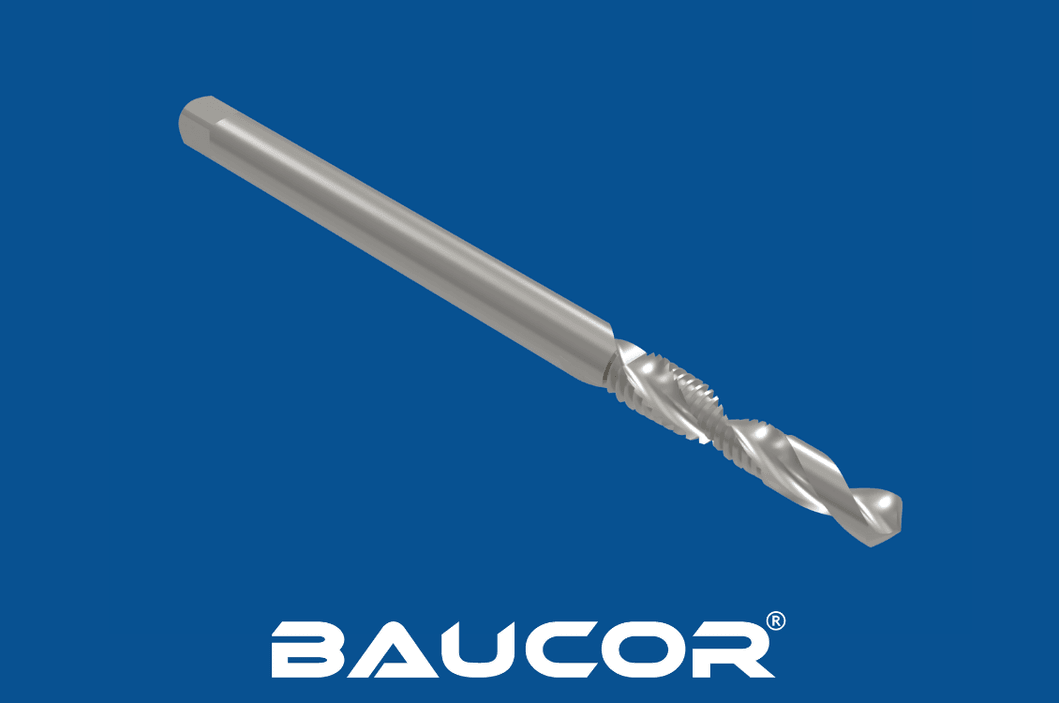
Plug taps, being the most versatile type of tap, are designed with specific guidelines to ensure efficient and precise thread cutting in both through and blind holes. Here are the key design elements:
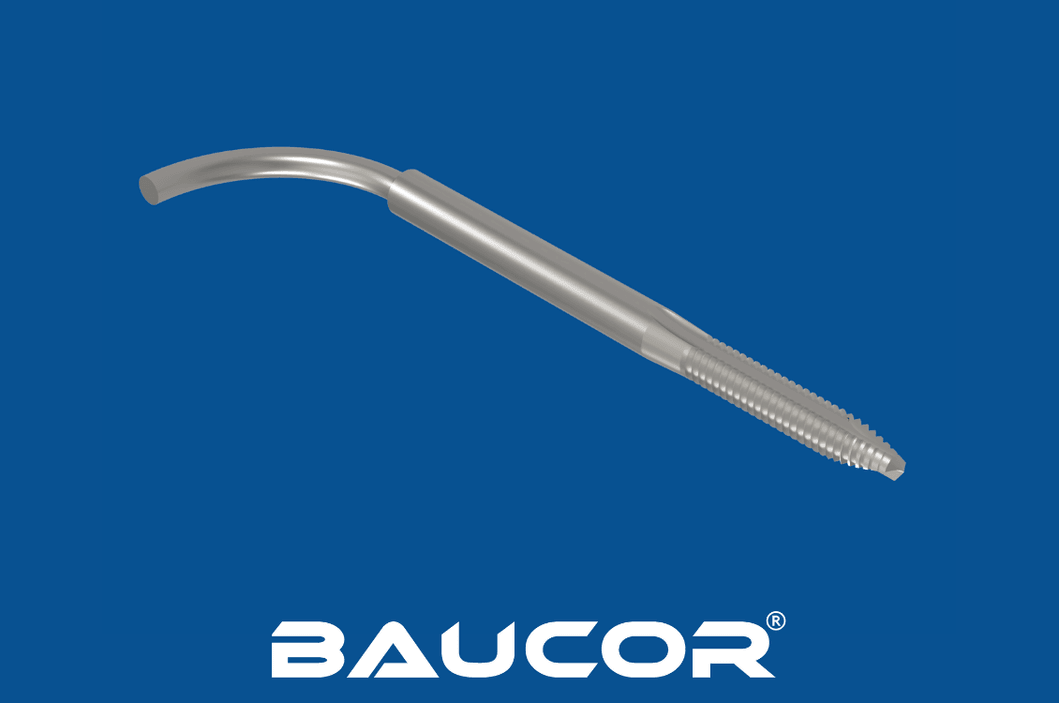
1. Tapered Lead: Plug taps have a gradual taper at the starting end, usually consisting of 3 to 5 threads. This tapered section helps guide the tap into the hole, reducing the risk of cross-threading and ensuring smooth thread engagement.
2. Cutting Face and Thread Relief: The cutting face is the leading edge of the tap's thread that cuts the material. The thread relief is the slight angle behind the cutting face that provides clearance for chip removal and prevents friction. The combination of cutting face and thread relief angles is optimized to ensure efficient cutting and chip flow while minimizing the risk of tap breakage.
3. Flute Design: Plug taps typically have straight flutes that run parallel to the tap axis. These flutes provide pathways for chip removal, allowing the chips to flow out of the hole as the tap advances.
4. Chamfer Length: The chamfer, the tapered lead at the front end, is shorter in plug taps compared to taper taps. This allows plug taps to cut threads closer to the bottom of blind holes, but not all the way to the bottom.
5. Material Selection: Plug taps are commonly made from high-speed steel (HSS), which offers a balance of hardness, toughness, and affordability. For more demanding applications, cobalt steel (HSS-Co) or carbide (WC) may be used for enhanced wear resistance and performance.
6. Coating: Coatings like titanium nitride (TiN), titanium carbonitride (TiCN), or other specialized coatings can be applied to plug taps to improve their hardness, reduce friction, and extend tool life.
7. Shank Design: Plug taps typically have straight shanks that fit into standard tap handles or tapping machines. The shank diameter is usually proportional to the tap size.
8. Overall Length: The overall length of the tap should be sufficient for the desired thread depth and the specific application.
By adhering to these design guidelines, manufacturers can produce high-quality plug taps that deliver reliable and efficient threading performance in a wide range of materials and applications.