

 English
 Deutsch
 Español
 Français
 Italiano
 Nederlands
 Dansk
Dansk Svenska
 Norsk
Norsk Czech
Czech Polski
 Português
DISCOVER THE BAUCOR DIFFERENCE:
SEAMLESS TAPS THAT BLEND INNOVATION AND ELEGANCE, OFFERING YOU AN UNRIVALED WATER EXPERIENCE WITHOUT COMPROMISE

DISCOVER THE BAUCOR DIFFERENCE:
SEAMLESS TAPS THAT BLEND INNOVATION AND ELEGANCE, OFFERING YOU AN UNRIVALED WATER EXPERIENCE WITHOUT COMPROMISE
Plug taps, also known as second taps, are cutting tools designed for creating internal threads in both through holes (holes that pass completely through a workpiece) and blind holes (holes that do not pass completely through). They are the most common type of tap and offer a balance between ease of use and thread quality.
How Plug Taps Work

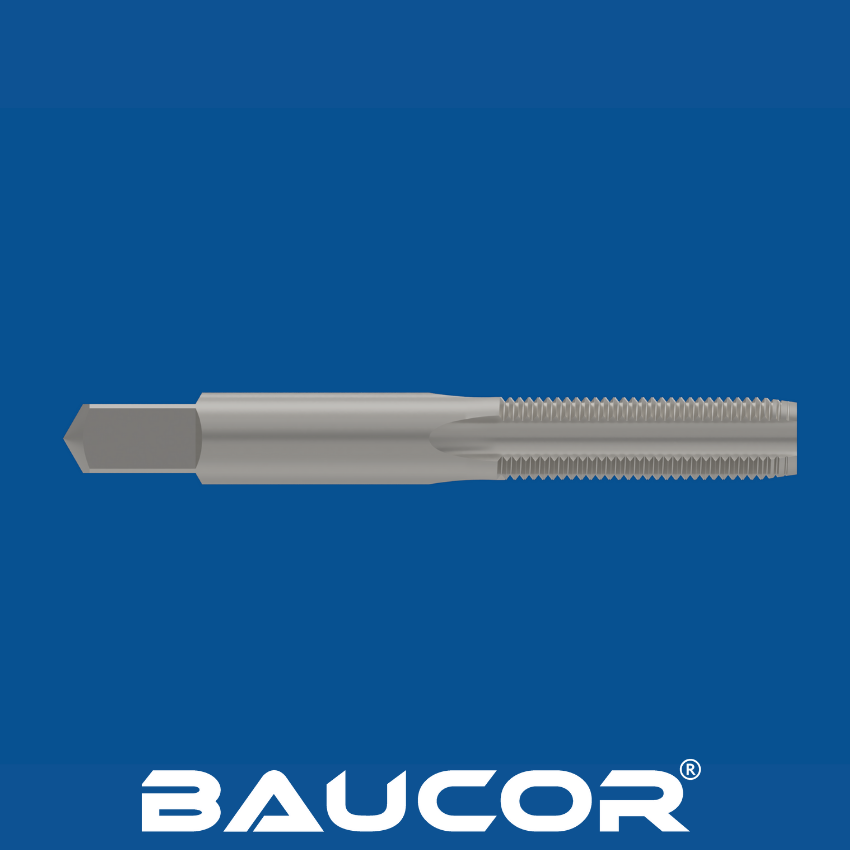
Plug taps, a common type of threading tool, undergo a meticulous manufacturing process to ensure precision and durability. The following steps outline how plug taps are typically produced:
Material Selection:
Blank Preparation:
Thread Grinding:
Flute Milling:
Chamfer Grinding:
Heat Treatment:
Coating (Optional):
Final Grinding and Finishing:
Inspection and Quality Control:
Marking and Packaging:
By adhering to this meticulous manufacturing process and employing advanced techniques, manufacturers can produce high-quality plug taps that deliver reliable and efficient threading performance in a wide range of applications.
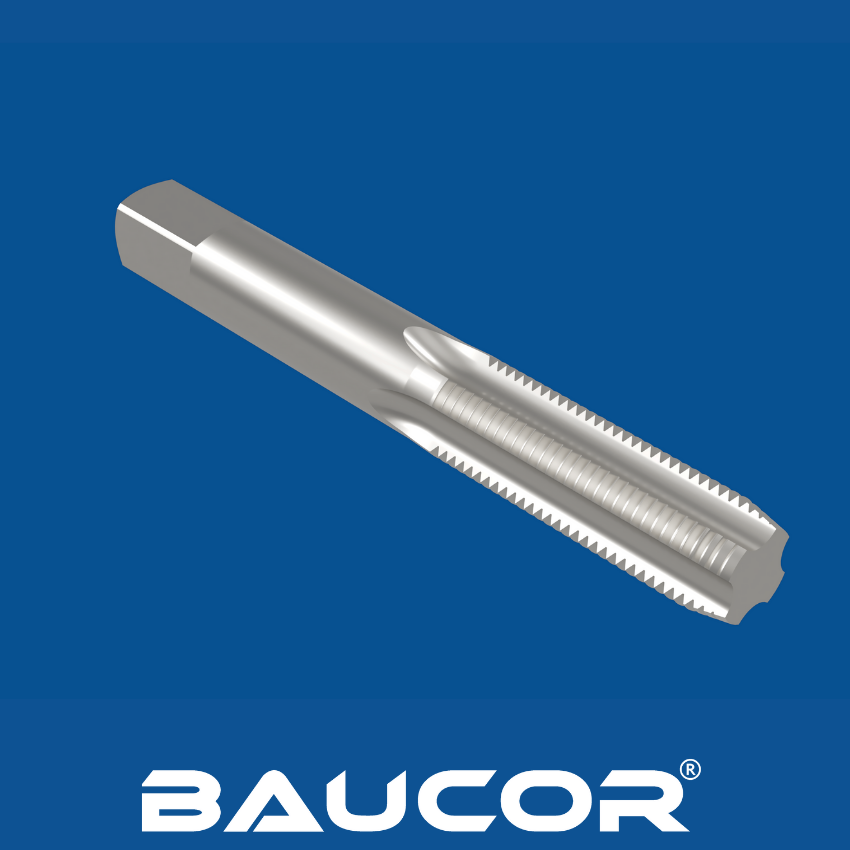
As a leading manufacturer of cutting tools, Baucor offers a wide range of plug tap sizes to cater to the diverse needs of their customers across various industries. While their specific product catalog may vary, you can expect the following size ranges:
Fractional Sizes (Inch):
Standard: Commonly used sizes like #0-80, #2-56, #4-40, #6-32, #8-32, #10-24, #12-24, 1/4-20, and so on, covering a wide range of thread sizes required in inch-based applications.
Oversize: Baucor might also offer oversize plug taps for specific applications where a slightly larger thread is desired for improved fit or strength.
Metric Sizes (Millimeter):
Standard: A broad selection of metric sizes, likely starting from M1, M1.2, M1.6, M2, and progressing to larger diameters like M10, M12, M16, or even higher, catering to users who prefer metric measurements.
Specialty Sizes:
Additional Considerations:
Obtaining Precise Information:
To obtain the most accurate and up-to-date information on the specific sizes of plug taps manufactured by Baucor, it is recommended to:
1. Visit the Baucor Website: Their official website is likely to have a product catalog or section dedicated to taps, listing the available sizes and specifications.
2. Contact Baucor Directly: Their customer service team can provide detailed information on their product offerings and help you choose the right tap size for your specific needs.
By utilizing these resources, you can ensure that you select the perfect Baucor plug tap size for your threading applications.

Spiral flute taps are specialized cutting tools designed to create internal threads in pre-drilled holes. They're a popular choice due to their efficient chip removal capabilities, particularly in through-holes.
A spiral point tap, also known as a gun tap, is a type of tap used for cutting threads in a hole. Unlike traditional taps, which may push material forward, a spiral point tap features flutes with a spiral design that effectively pushes chips ahead of the cutting action.

Pipe taps are specialized tools designed to create internal threads in pipes and fittings, allowing for leakproof connections in plumbing, hydraulic, and other fluid-carrying systems.

Thread forming taps offer an alternative to traditional cutting taps. Instead of removing material, they reshape it through a process known as cold forming, creating internal threads in ductile metals.
Plug taps, a common type of threading tool, can be made from various materials to suit different applications and requirements. Here's a list of the possible materials used:
Common Materials:
Less Common Materials:
Additional Considerations:
Choosing the right material for a plug tap depends on the specific application, the material being tapped, the desired thread quality, and budget considerations. For most general-purpose threading, HSS is a suitable and cost-effective choice. However, for harder materials, high-volume production, or demanding applications, cobalt or carbide taps may be more appropriate. Consulting with a knowledgeable supplier or manufacturer can help you select the best material for your specific needs.
Plug tap coatings significantly enhance their performance, lifespan, and versatility. Here are the common and specialized coatings used to improve plug taps:
Common Coatings:
Other Coatings/Treatments:
Choosing the Right Coating:
The ideal coating for a plug tap depends on several factors, including:
Consulting with the tap manufacturer or a knowledgeable supplier can help you select the optimal coating for your specific needs. By considering the material, tapping conditions, and desired tool life, you can ensure that your plug taps deliver the best possible performance and longevity.
Plug taps, a versatile type of tap, find extensive use in various industries and applications for creating internal threads. Their ability to thread both through and blind holes makes them indispensable tools in:
Industrial Applications:
DIY and Home Use:
Specific Applications:
Plug taps are essential tools for creating internal threads and are widely used in various industries, including manufacturing, automotive, aerospace, and DIY projects. By understanding their design and function, you can choose the right plug tap for your specific threading needs.
Plug taps, being the most common type of tap, find extensive use in numerous industries due to their versatility and ability to thread both through and blind holes. Here are some of the key industries that utilize plug taps:
The versatility of plug taps makes them indispensable tools in various industries and applications where reliable and efficient threading is required.
As a leading manufacturer of cutting tools, Baucor likely offers comprehensive design and engineering support services for their plug taps, aiming to optimize performance, efficiency, and tool life for their customers. Here's what you can expect:
Machines That Use Plug Taps:
Plug taps are versatile tools used in a variety of machines for threading operations:
The choice of machine depends on factors like the size and depth of the hole, the material being tapped, the desired precision, and the production volume.

A straight flute tap, also known as a hand tap, is a common cutting tool used to create internal threads in a pre-drilled hole. They're often used manually but also work in machines like drill presses.

Machine screw taps are specialized tools designed to cut internal threads in pre-drilled holes. These threads are standardized to accept machine screws, providing secure and reliable fastening solutions across a wide range of industries and applications.

Combination machine taps are specialized tools designed to streamline the thread-cutting process by combining multiple operations into a single tap. This makes them particularly useful in production environments where minimizing tool changes and optimizing cycle times are crucial.

Bent Shank Taps are a specialized type of tap designed with a bent or curved shank, distinguishing them from the straight shanks typically seen on most taps. This design is particularly useful for reaching inaccessible or awkward areas where a straight tap cannot be properly aligned or rotated.
As a leading manufacturer of cutting tools, Baucor likely offers comprehensive design and engineering support services for their plug taps, aiming to optimize performance, efficiency, and tool life for their customers. Here's what you can expect:
Machines That Use Plug Taps:
Plug taps are versatile tools used in a variety of machines for threading operations:
The choice of machine depends on factors like the size and depth of the hole, the material being tapped, the desired precision, and the production volume.

BAUCOR offers custom manufacturing and engineering solutions tailored to your specific needs, across various industries.

BAUCOR's engineers can review your design and provide feedback to improve manufacturability, cost effectiveness, and efficiency.


Plug taps, being the most versatile type of tap, are designed with specific guidelines to ensure efficient and precise thread cutting in both through and blind holes. Here are the key design elements:
1. Tapered Lead: Plug taps have a gradual taper at the starting end, usually consisting of 3 to 5 threads. This tapered section helps guide the tap into the hole, reducing the risk of cross-threading and ensuring smooth thread engagement.
2. Cutting Face and Thread Relief: The cutting face is the leading edge of the tap's thread that cuts the material. The thread relief is the slight angle behind the cutting face that provides clearance for chip removal and prevents friction. The combination of cutting face and thread relief angles is optimized to ensure efficient cutting and chip flow while minimizing the risk of tap breakage.
3. Flute Design: Plug taps typically have straight flutes that run parallel to the tap axis. These flutes provide pathways for chip removal, allowing the chips to flow out of the hole as the tap advances.
4. Chamfer Length: The chamfer, the tapered lead at the front end, is shorter in plug taps compared to taper taps. This allows plug taps to cut threads closer to the bottom of blind holes, but not all the way to the bottom.
5. Material Selection: Plug taps are commonly made from high-speed steel (HSS), which offers a balance of hardness, toughness, and affordability. For more demanding applications, cobalt steel (HSS-Co) or carbide (WC) may be used for enhanced wear resistance and performance.
6. Coating: Coatings like titanium nitride (TiN), titanium carbonitride (TiCN), or other specialized coatings can be applied to plug taps to improve their hardness, reduce friction, and extend tool life.
7. Shank Design: Plug taps typically have straight shanks that fit into standard tap handles or tapping machines. The shank diameter is usually proportional to the tap size.
8. Overall Length: The overall length of the tap should be sufficient for the desired thread depth and the specific application.
By adhering to these design guidelines, manufacturers can produce high-quality plug taps that deliver reliable and efficient threading performance in a wide range of materials and applications.
