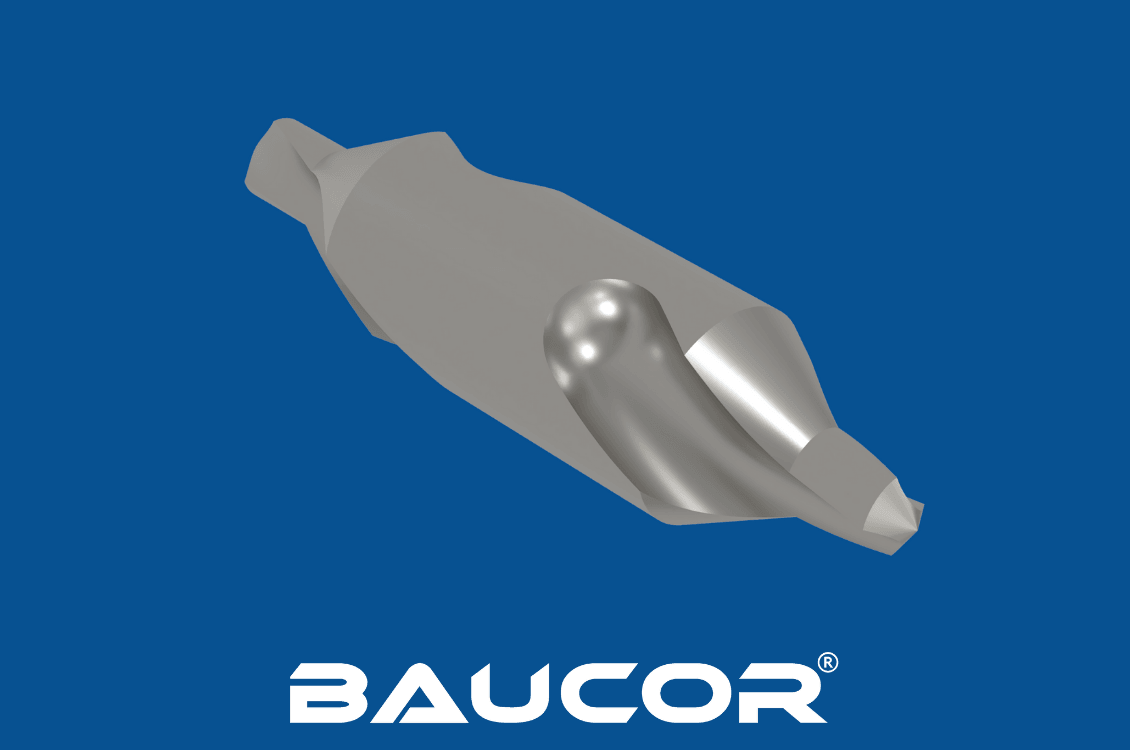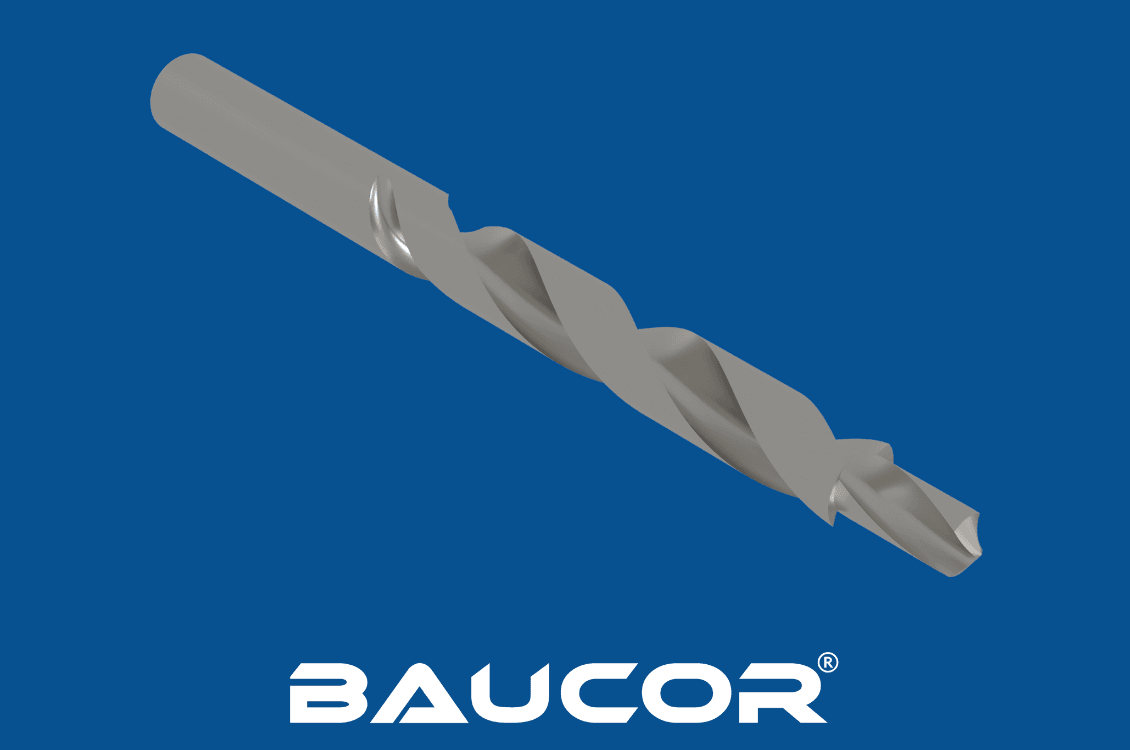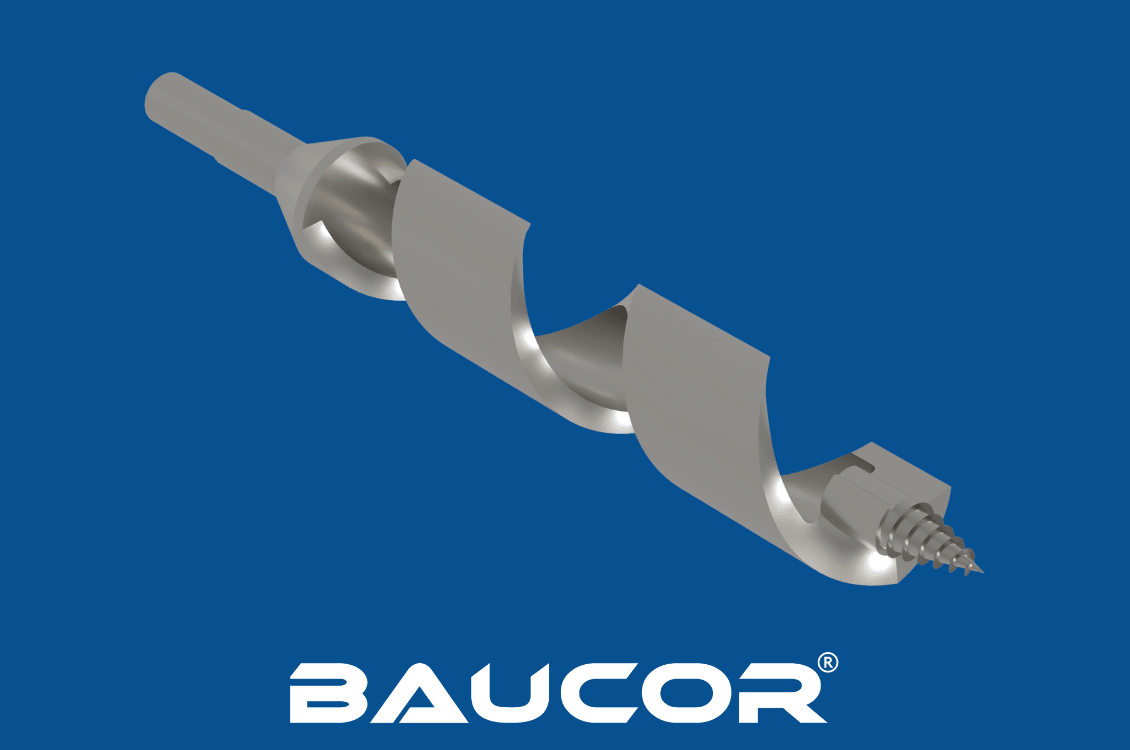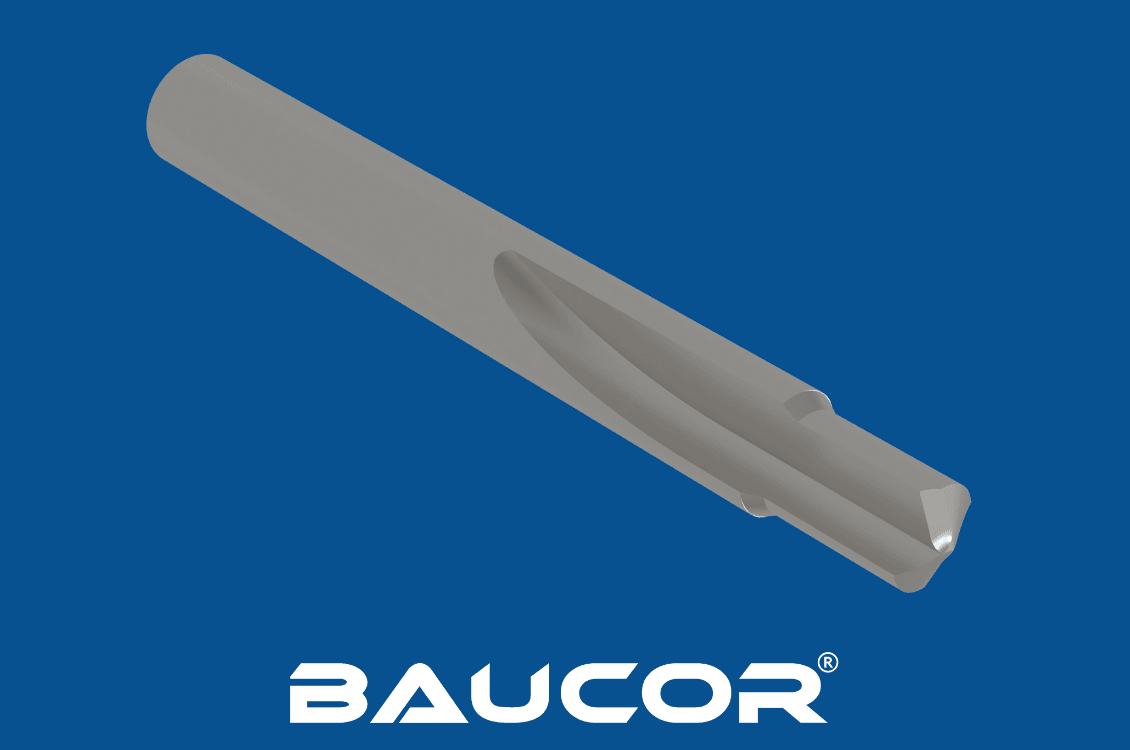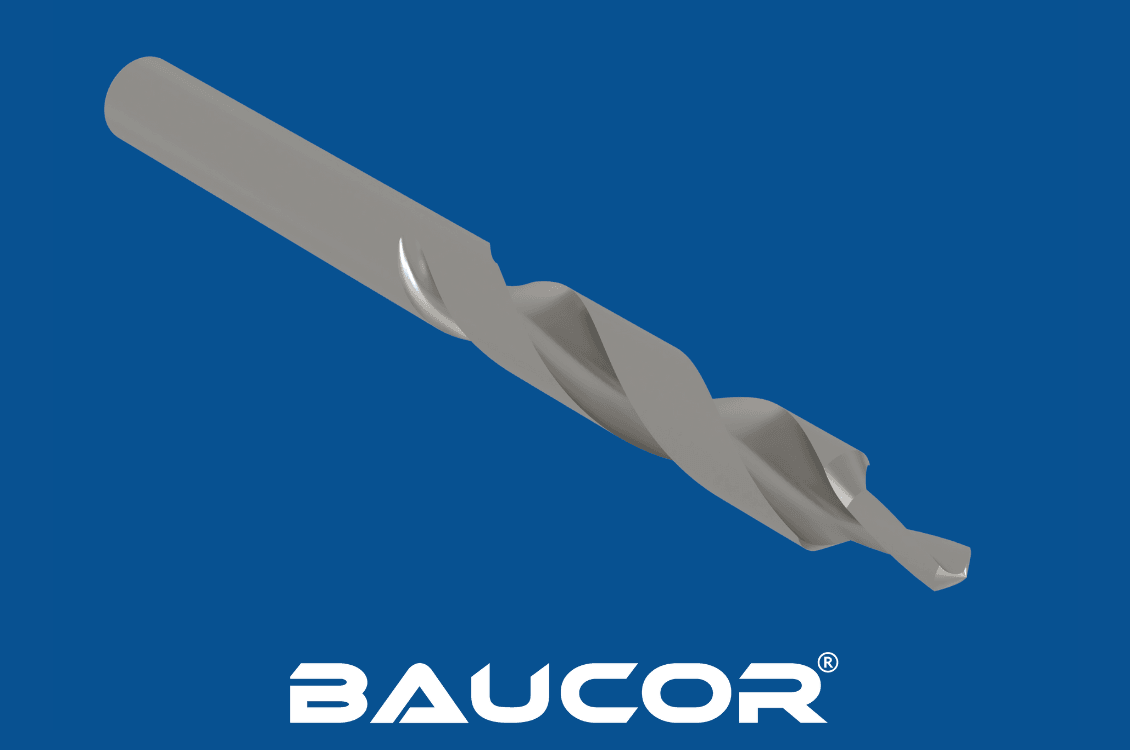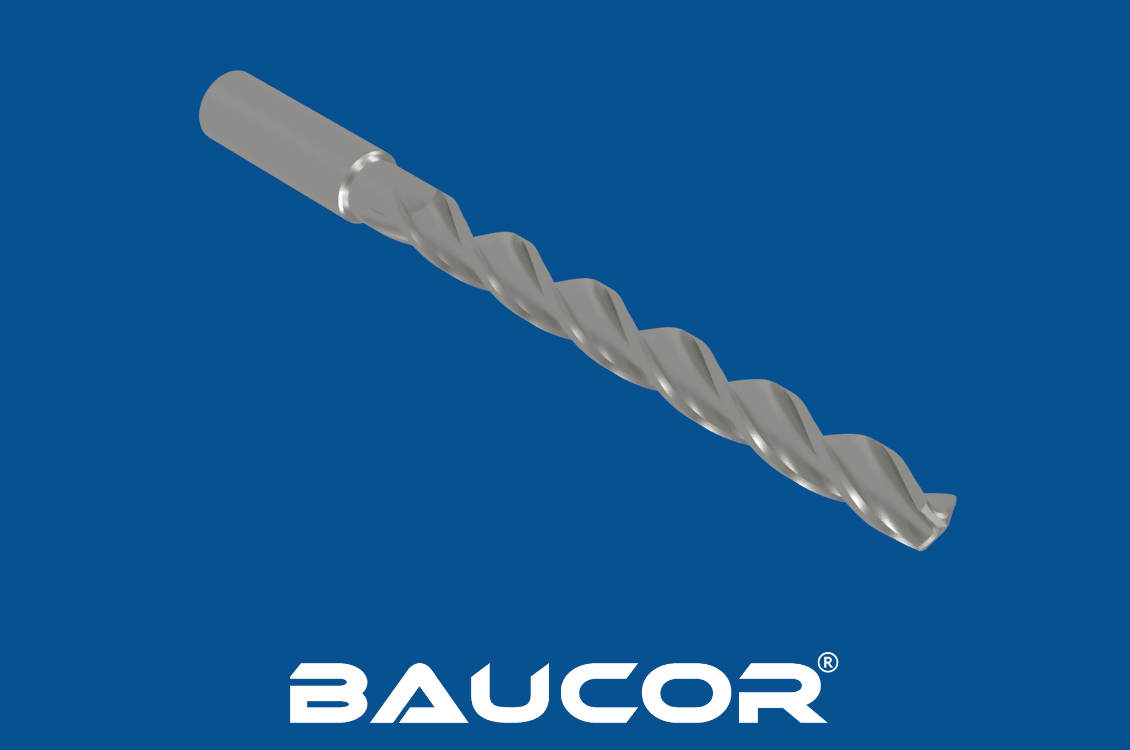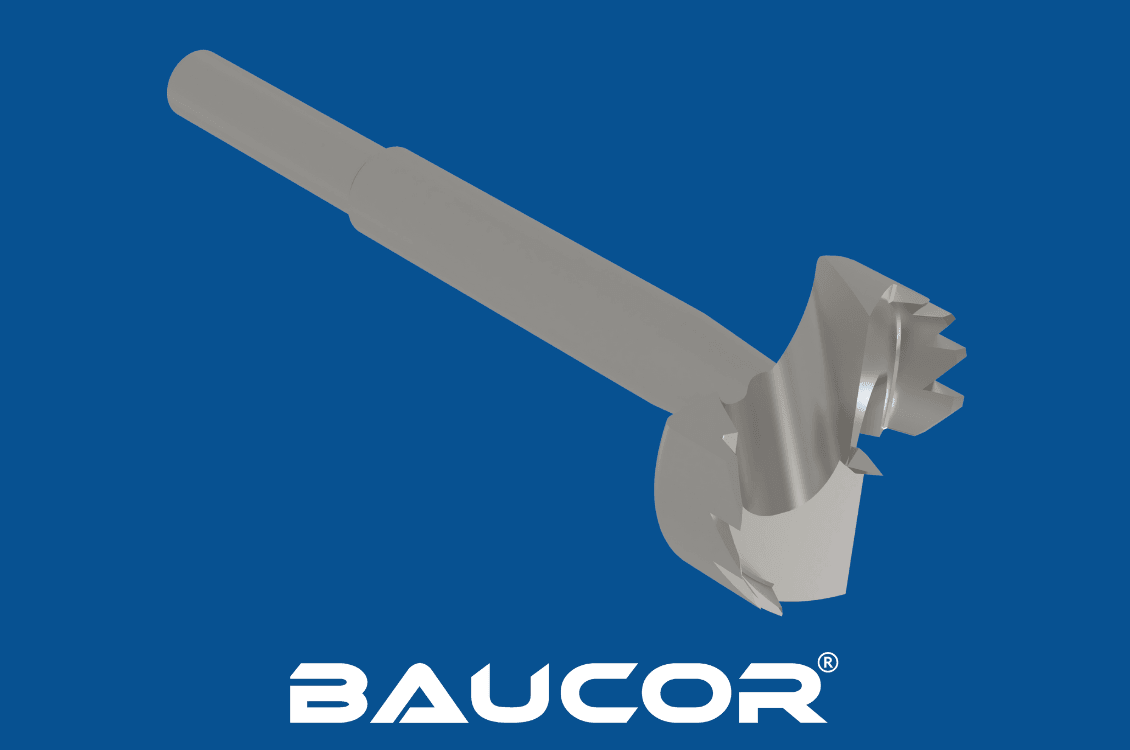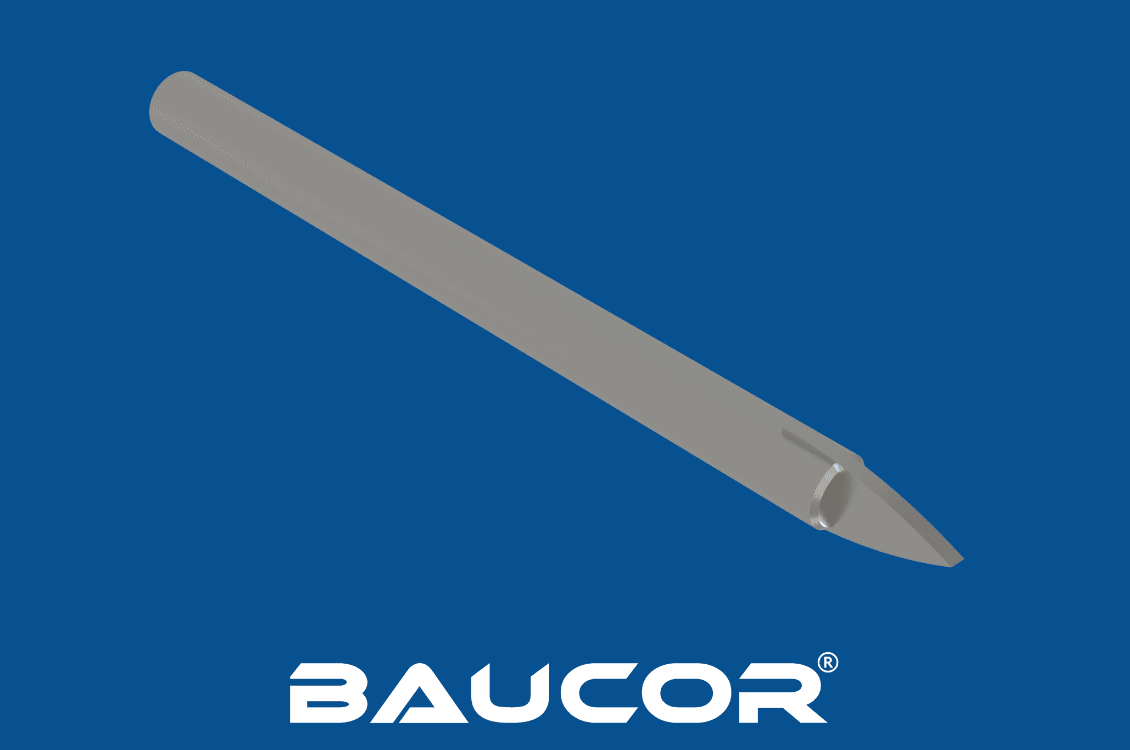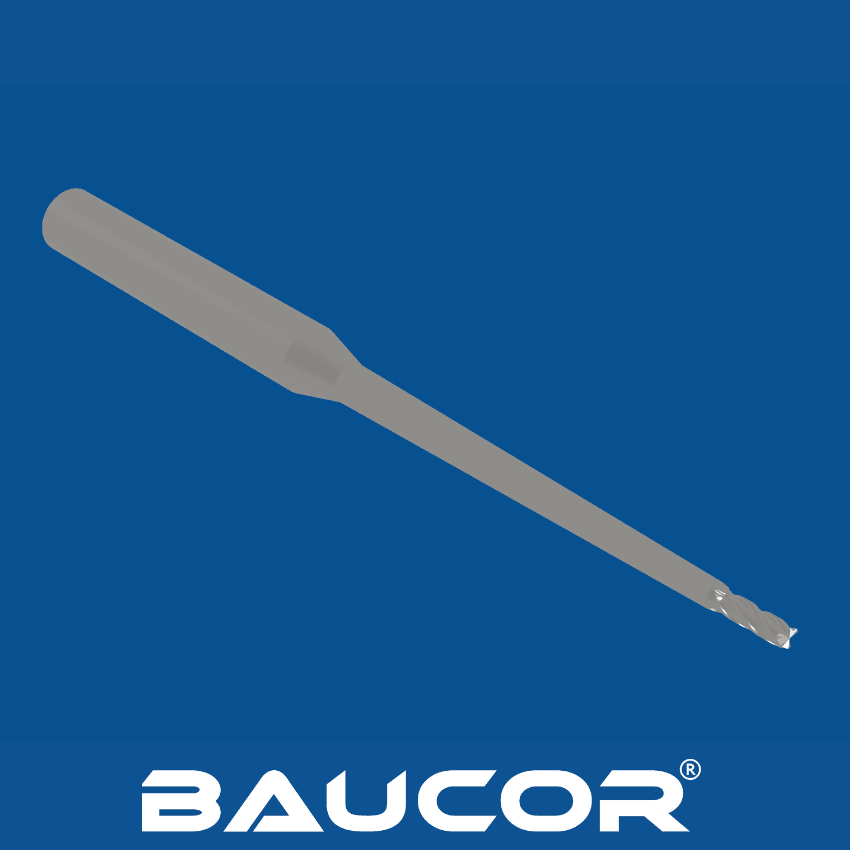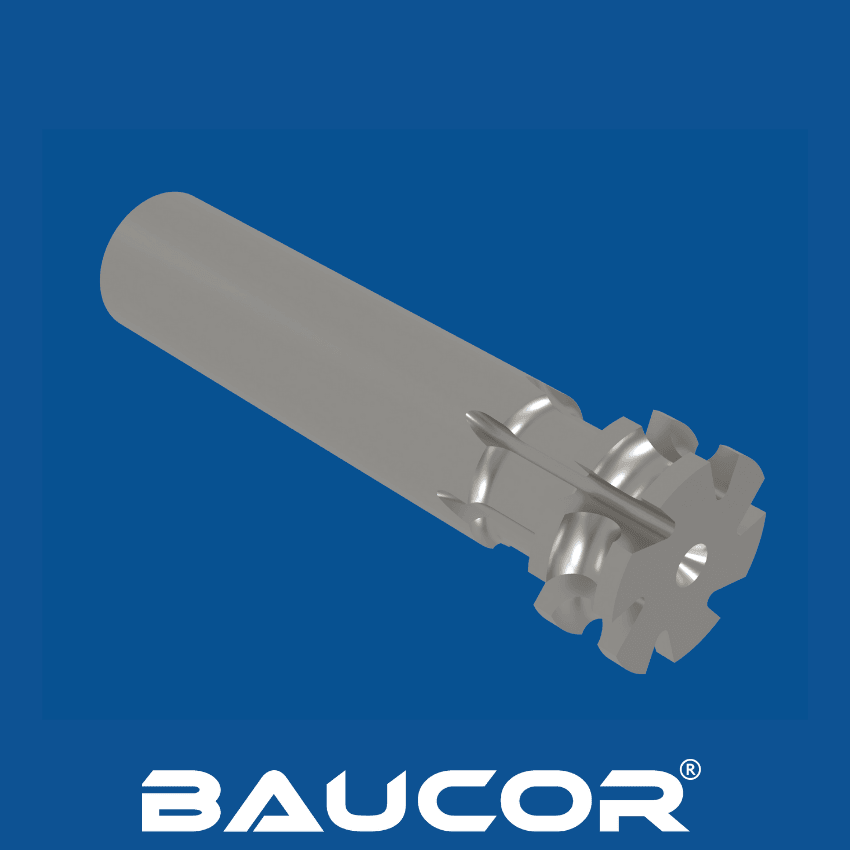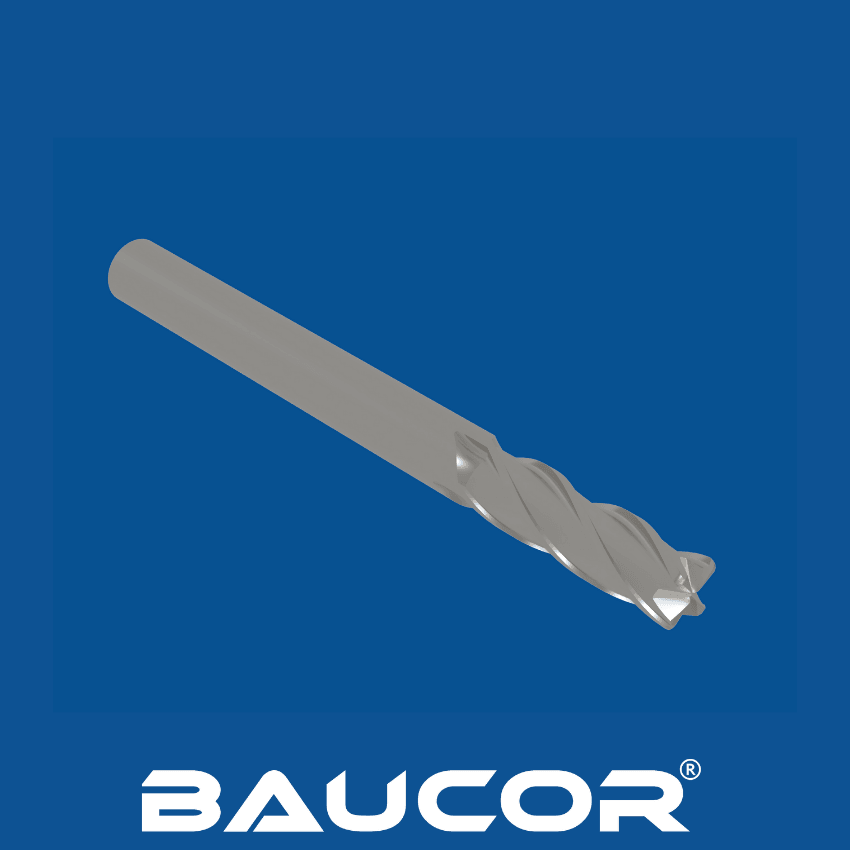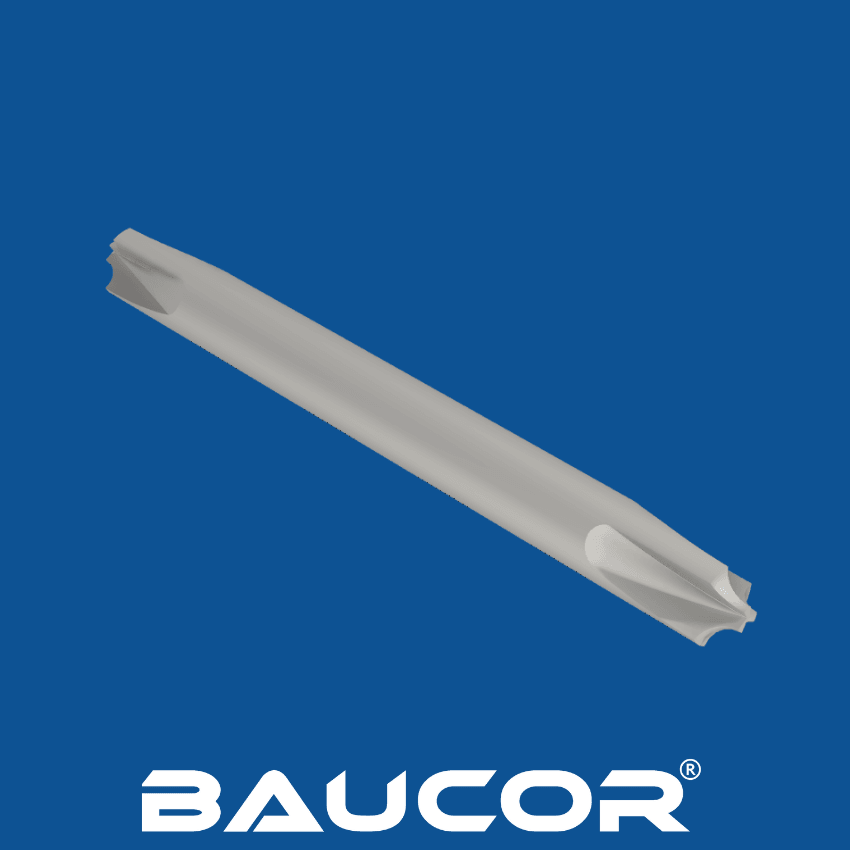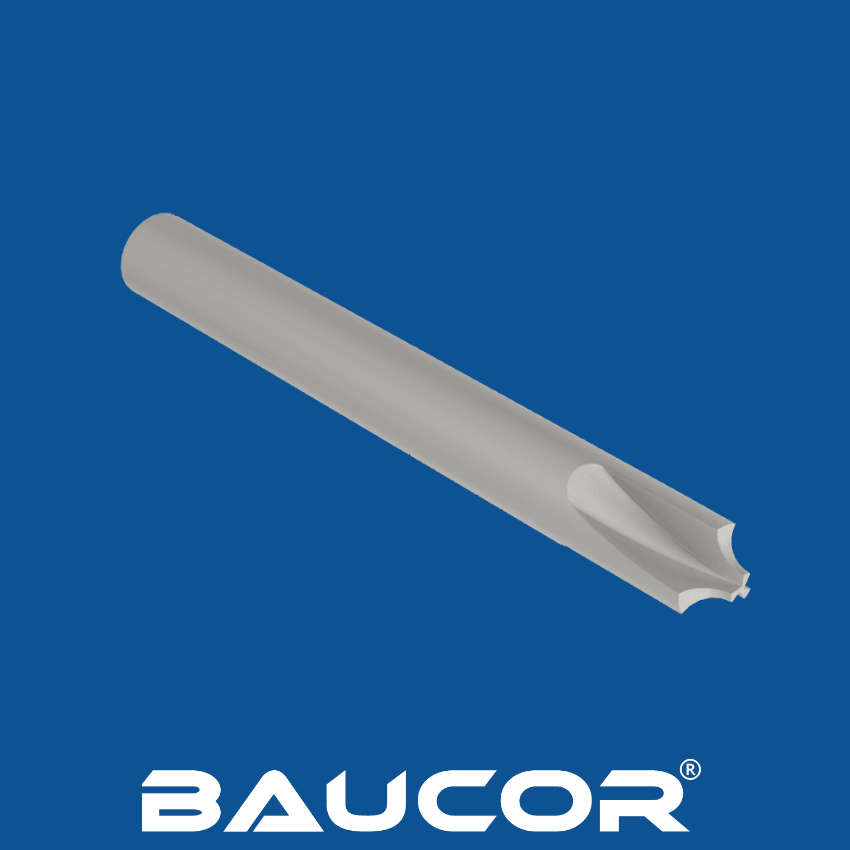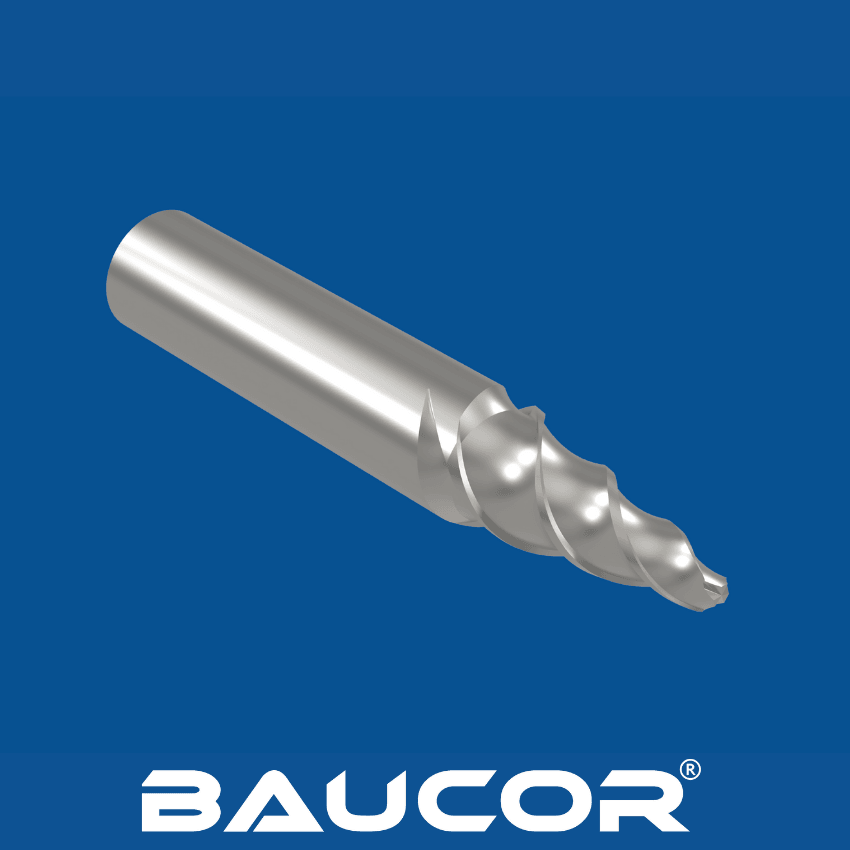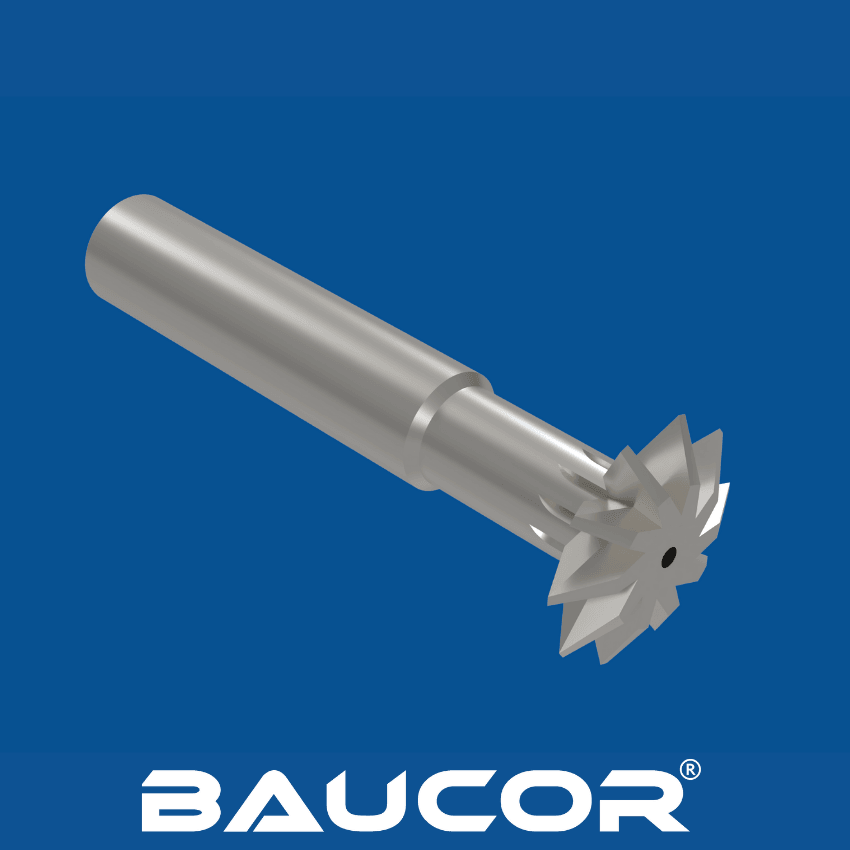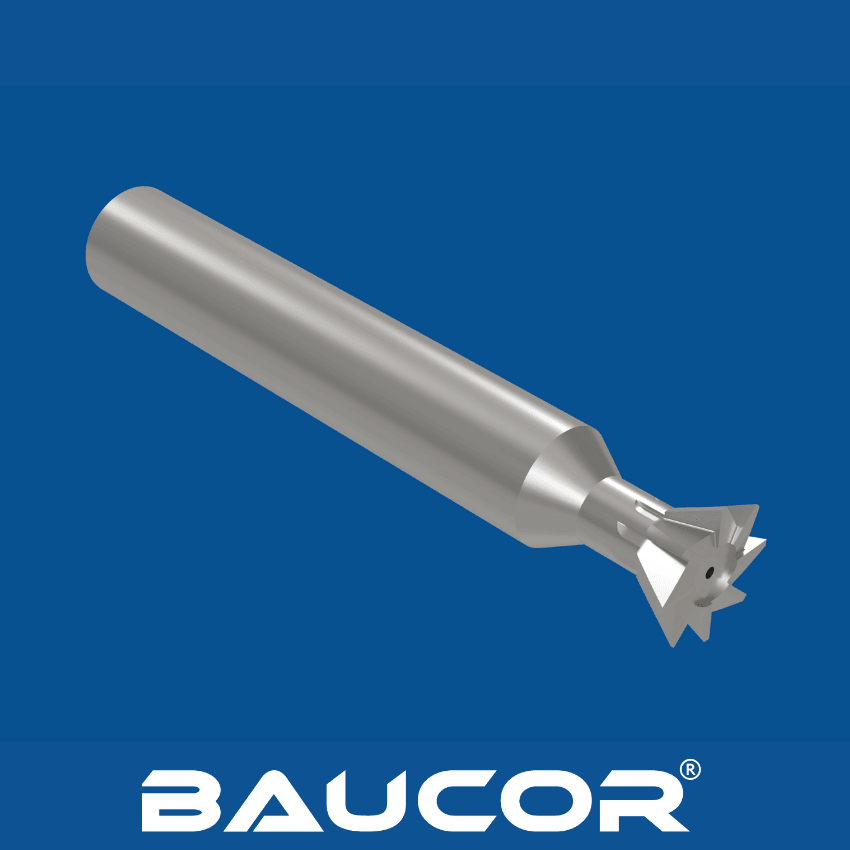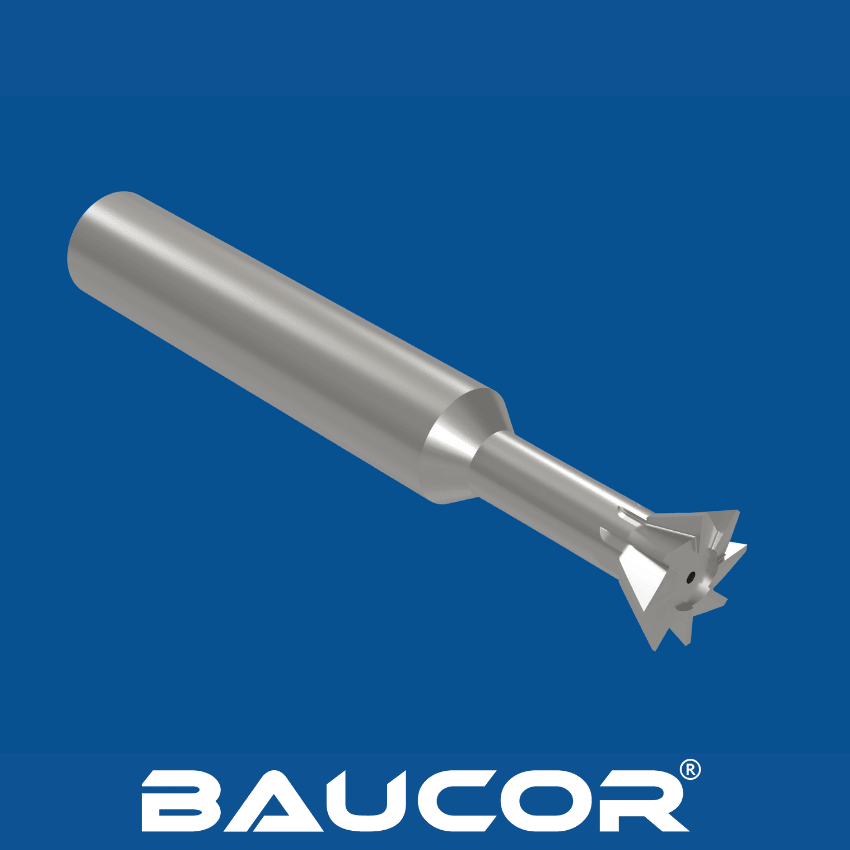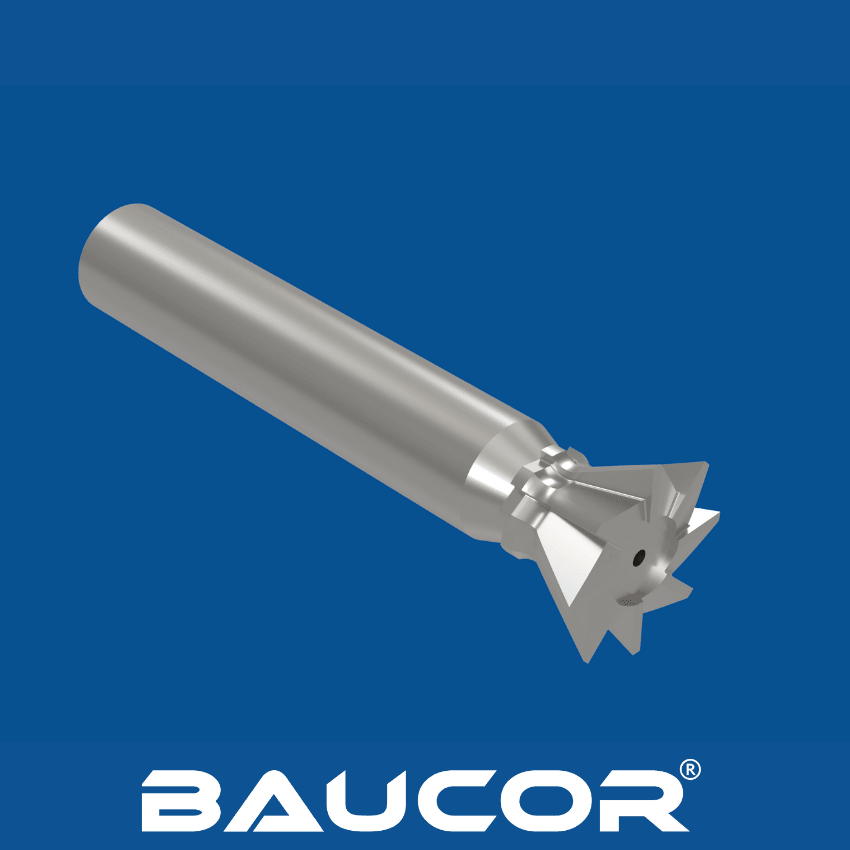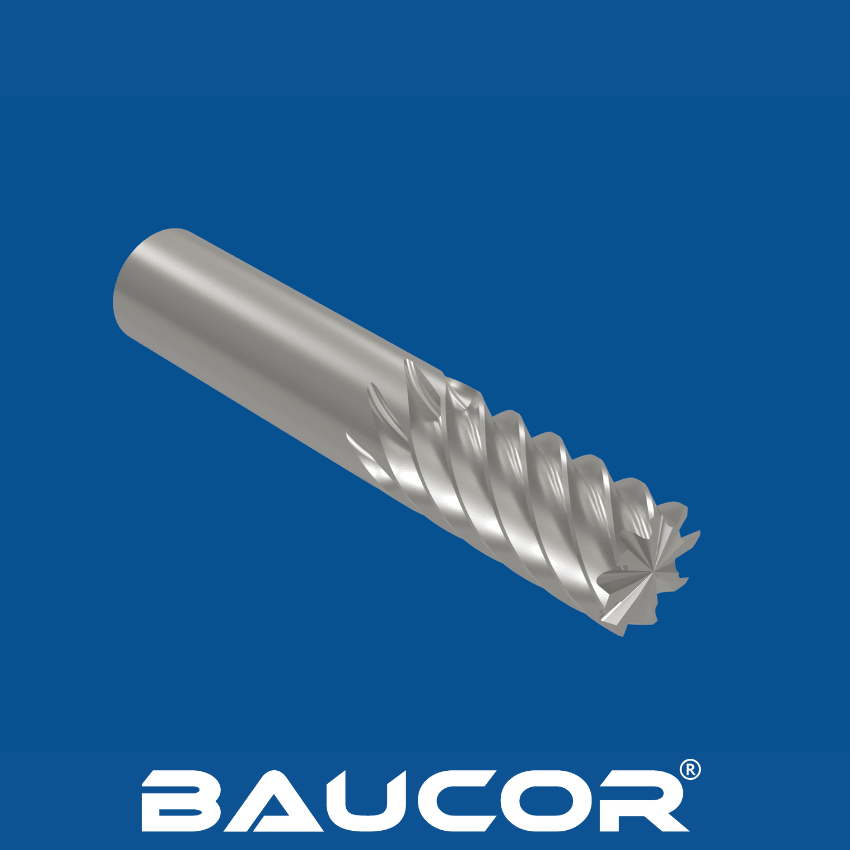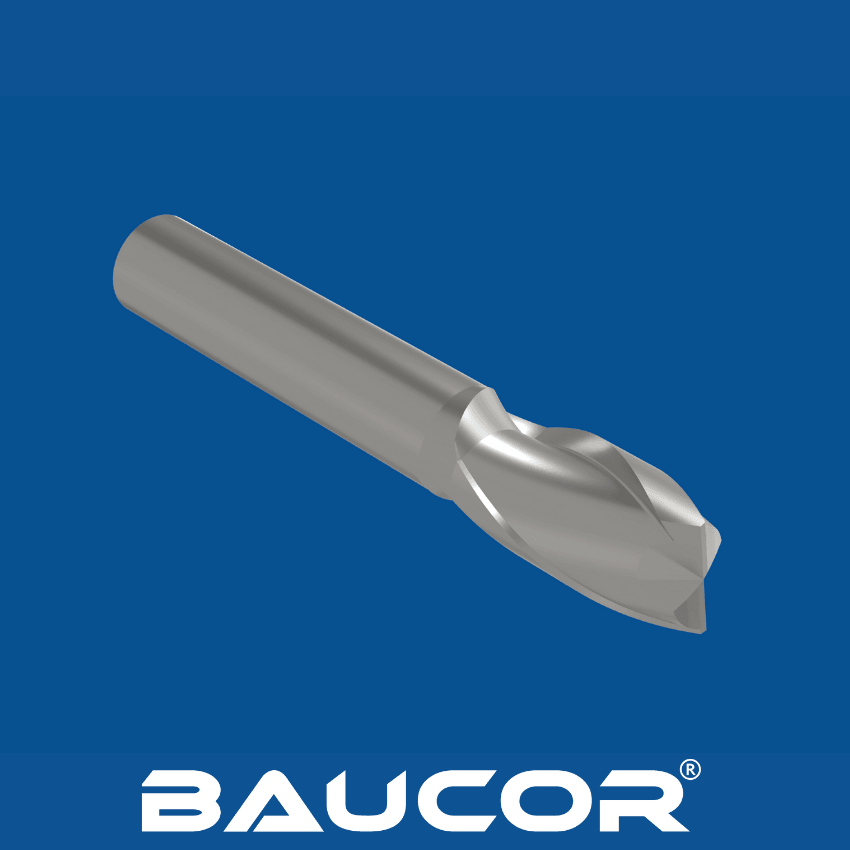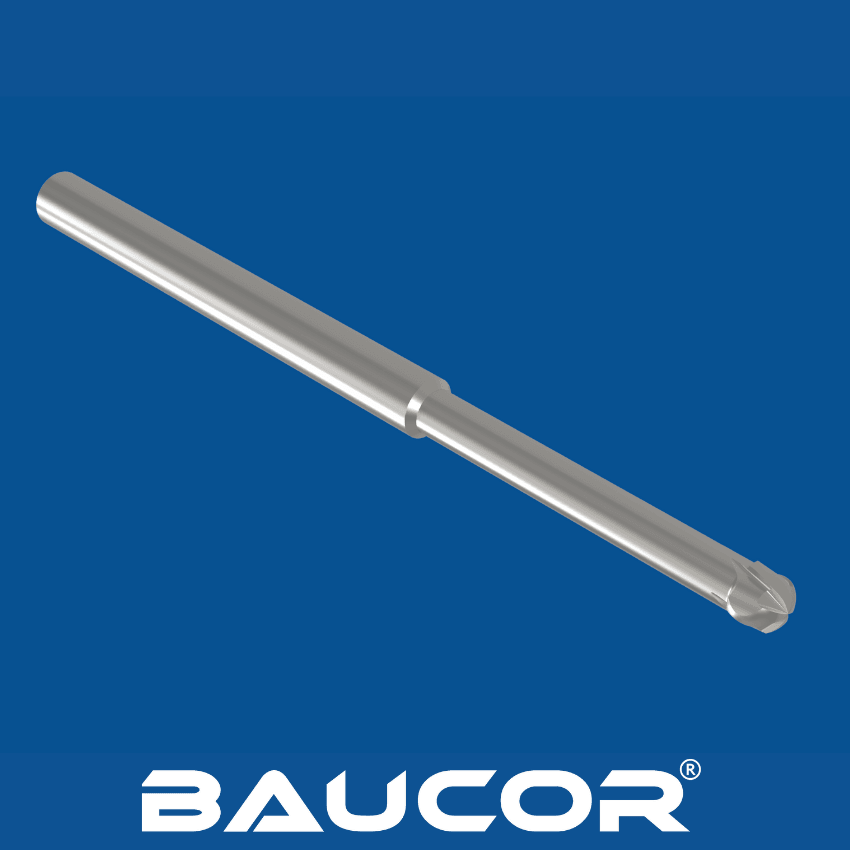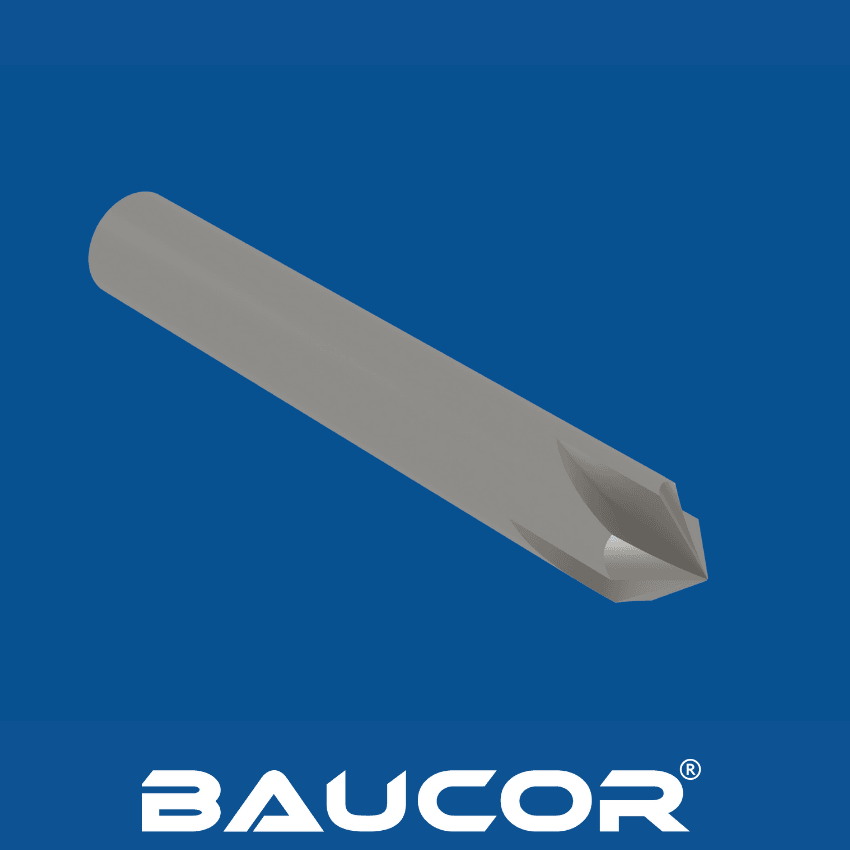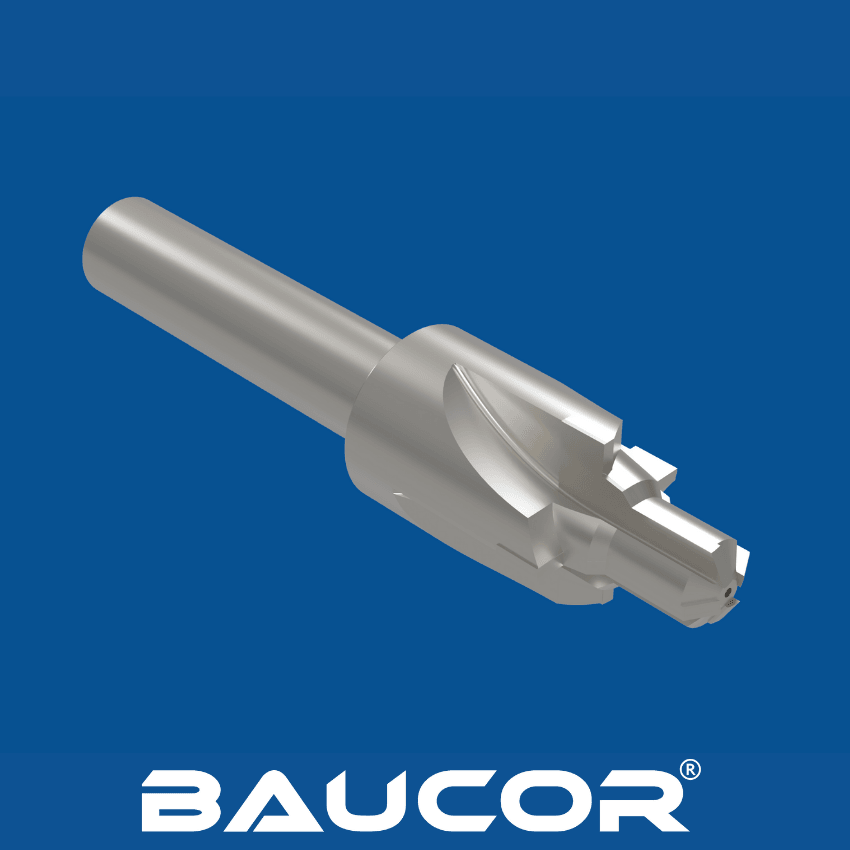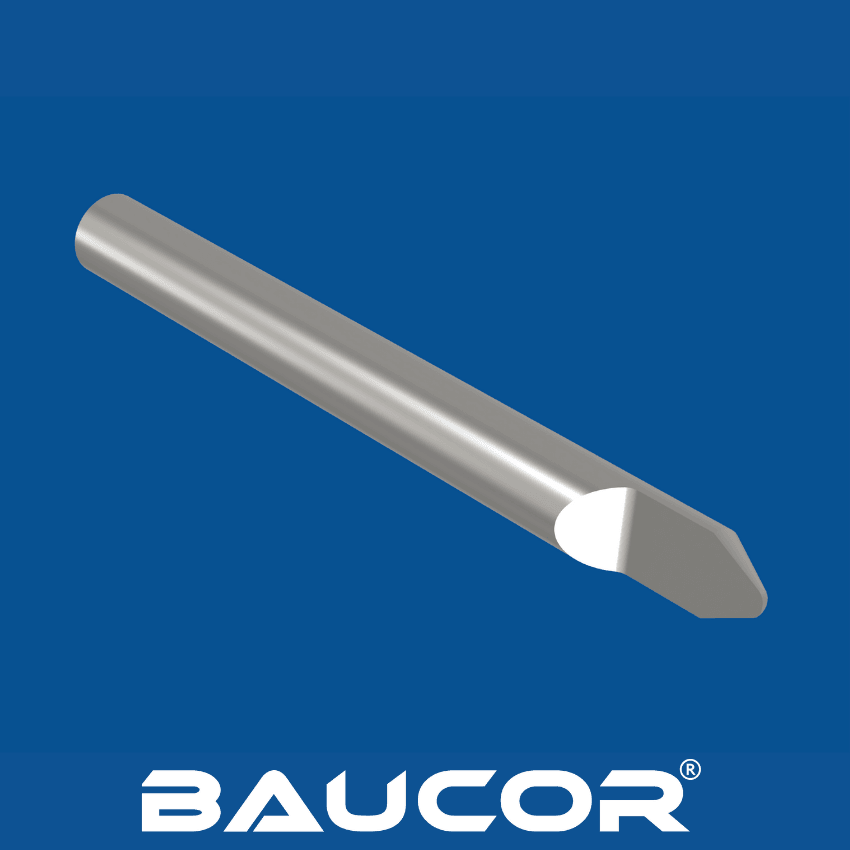


How are Countersink Drill Bits manufactured?
Raw Materials:
- Countersink drill bits are typically made from high-speed steel (HSS), cobalt high-speed steel (HSS-Co), or solid carbide for exceptional wear resistance.
Manufacturing Steps:
- Blank Formation: The process starts with a rod of the chosen material, roughly shaped into the bit's basic form.
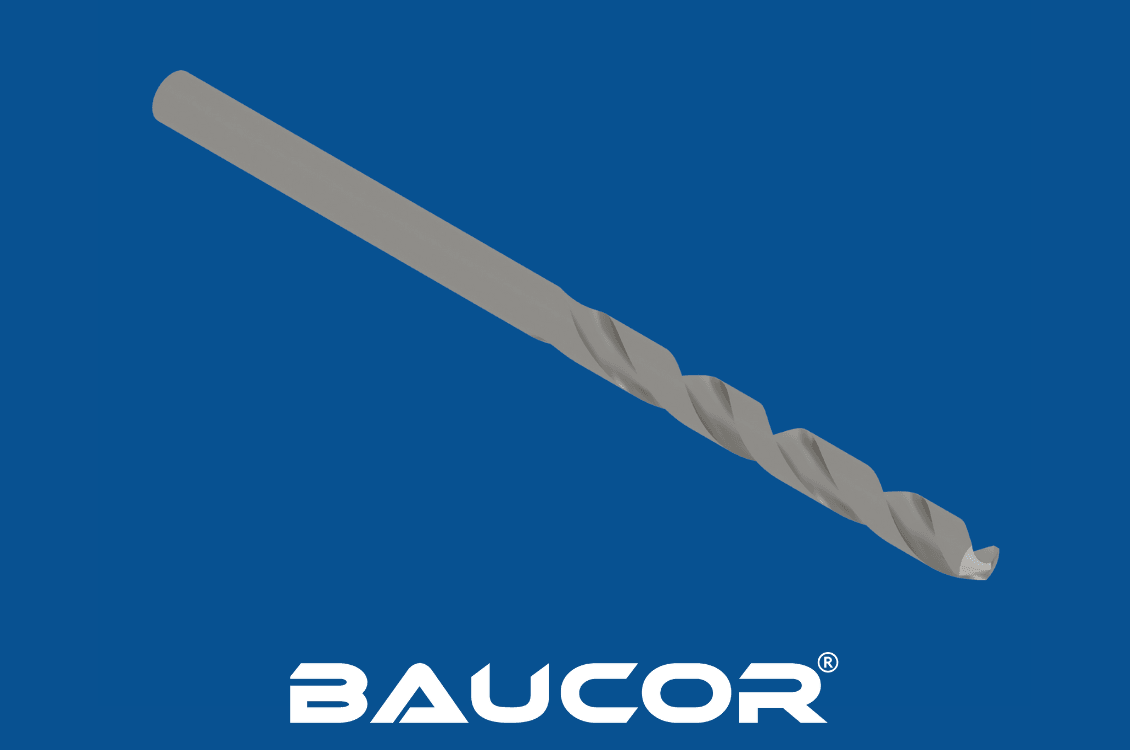
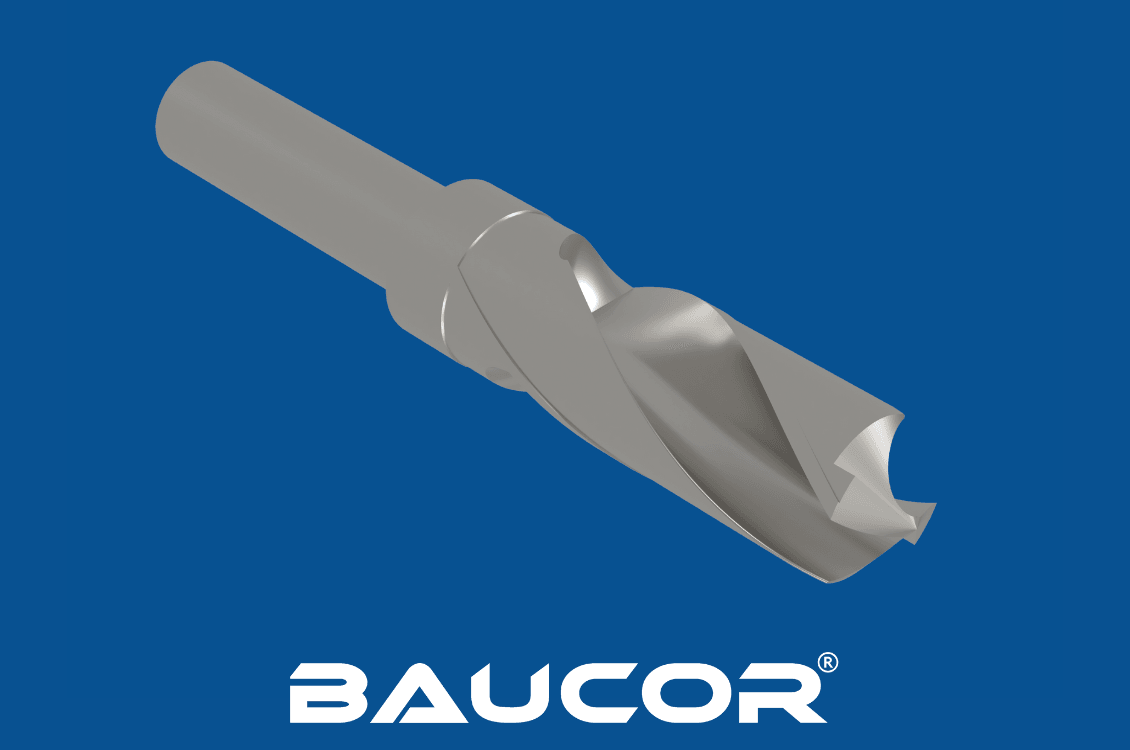
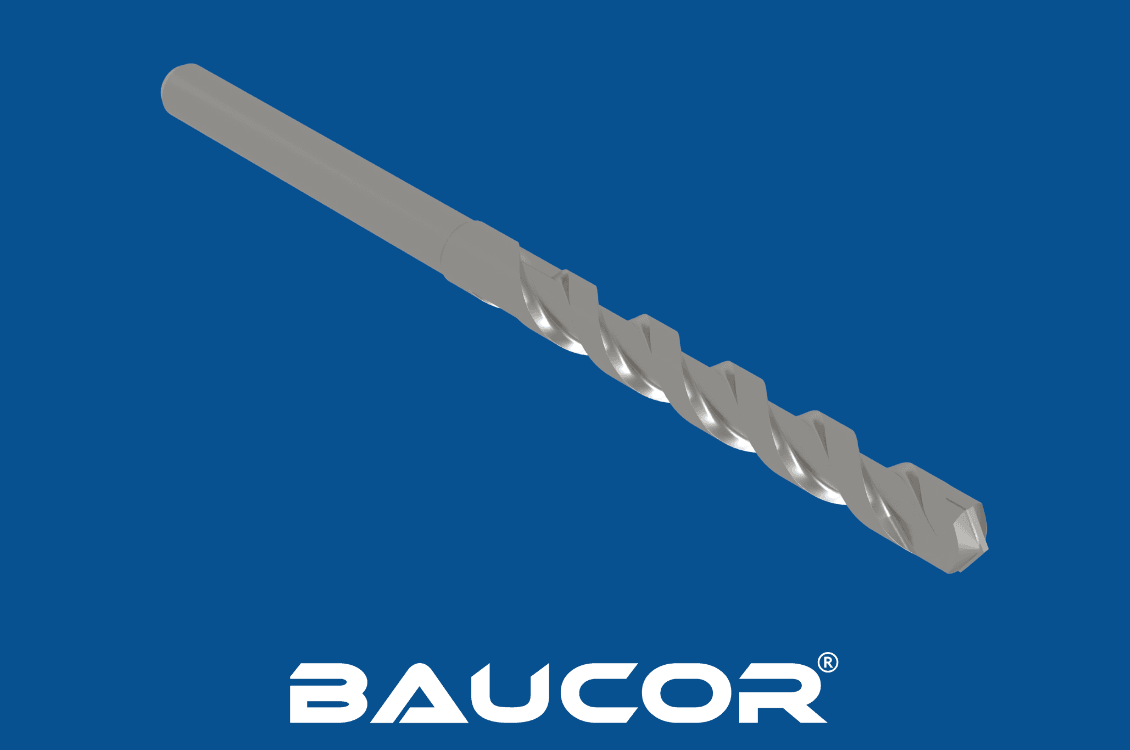
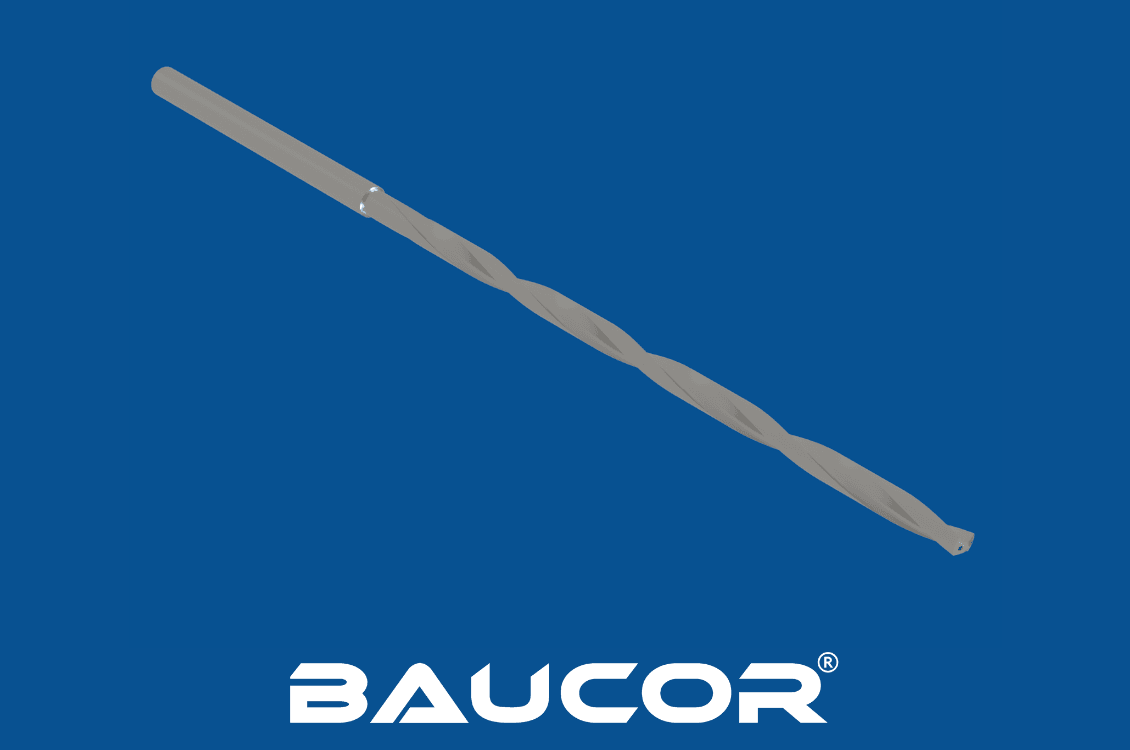
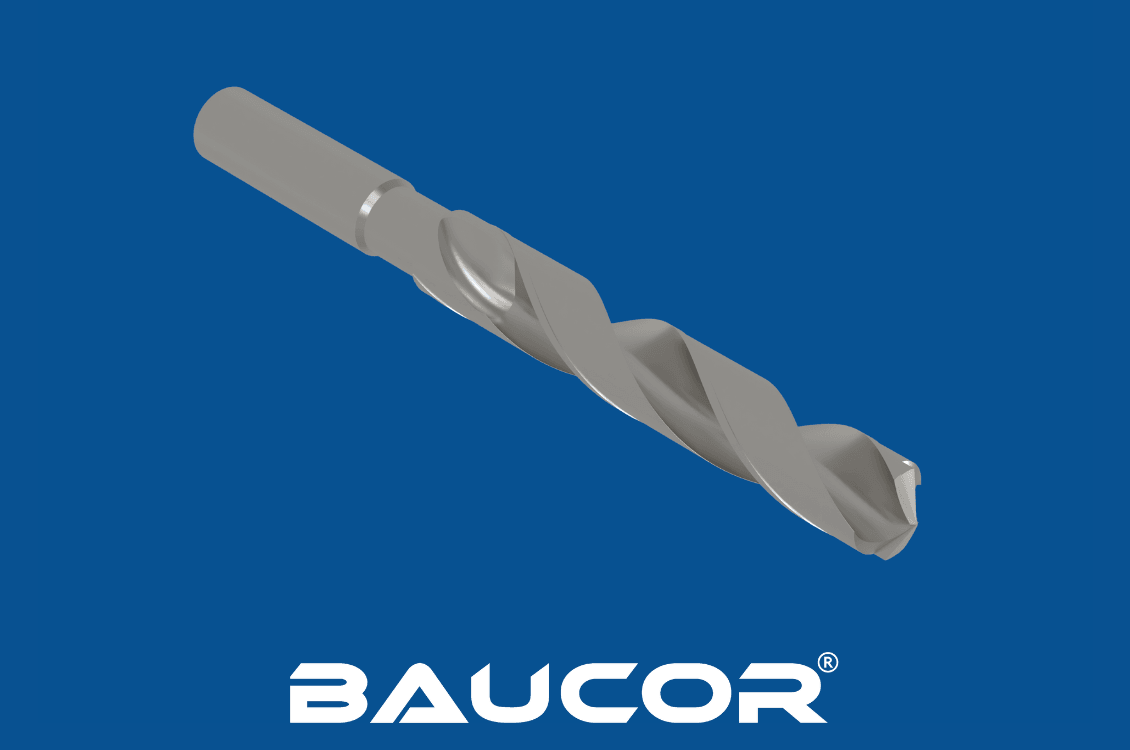
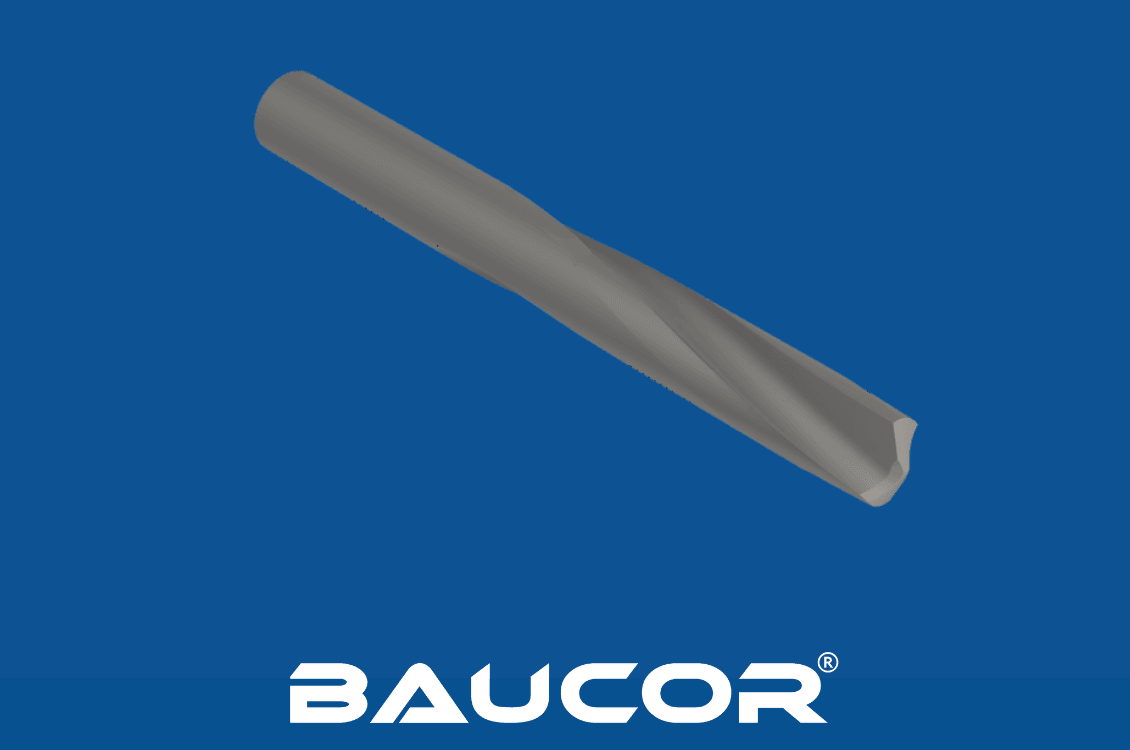
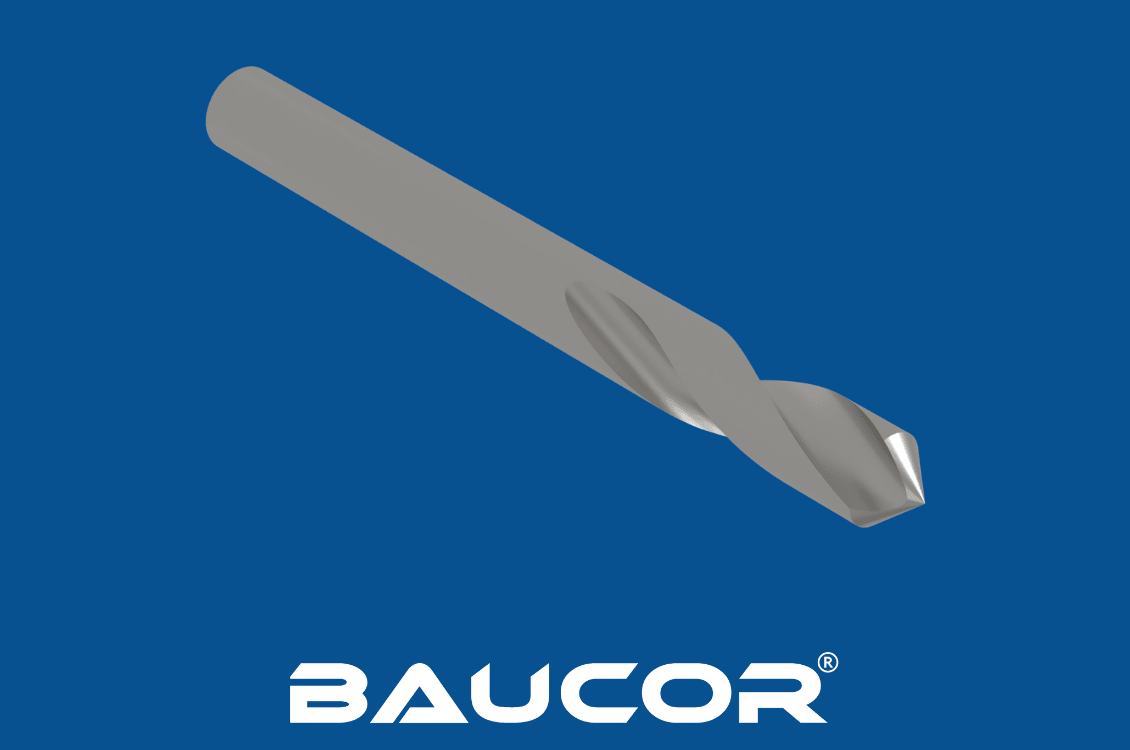
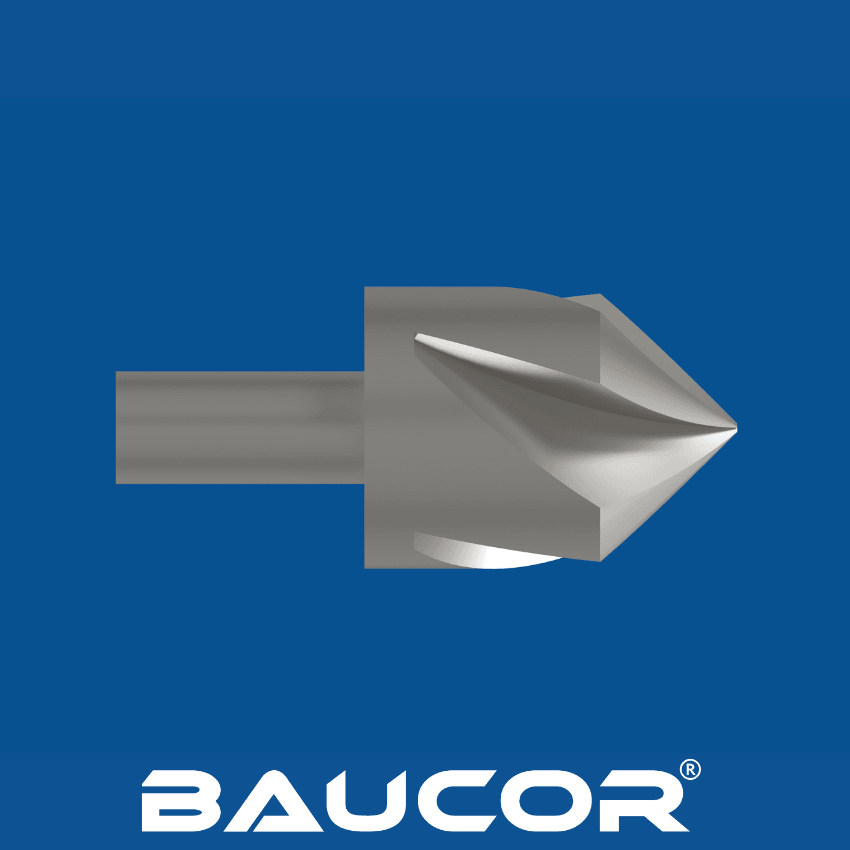
- Fluting: Spiral flutes are cut into the body of the bit. These flutes are essential for efficient chip removal during the countersinking process.
- Countersink Angle: The tip of the bit is precision-ground to the desired countersink angle. The most common angles are 82 degrees or 90 degrees,
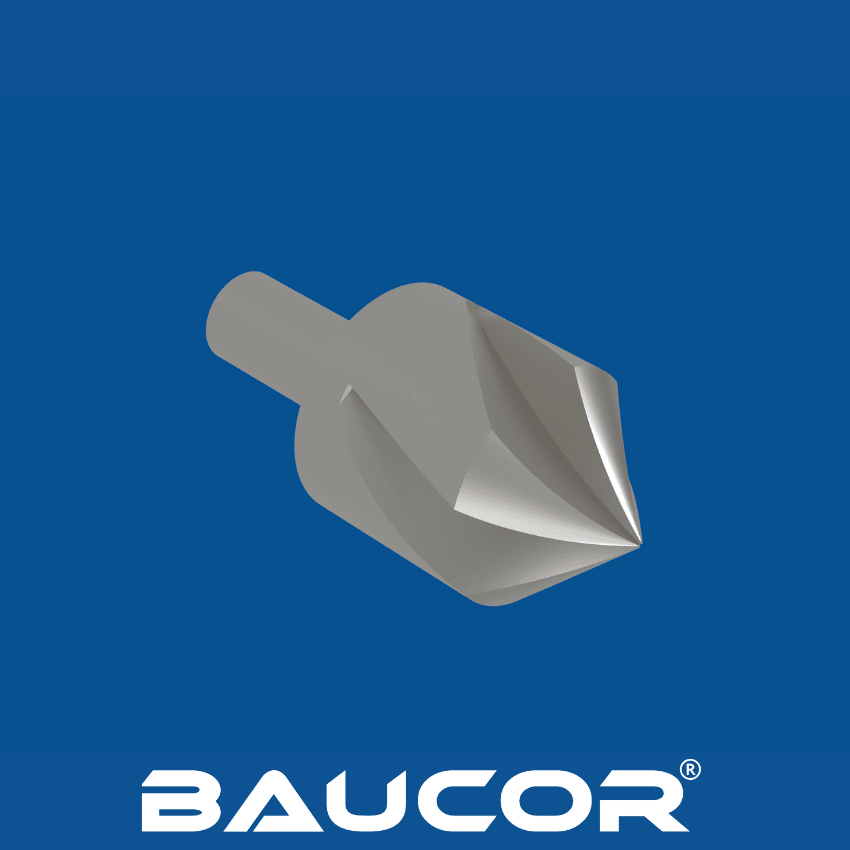
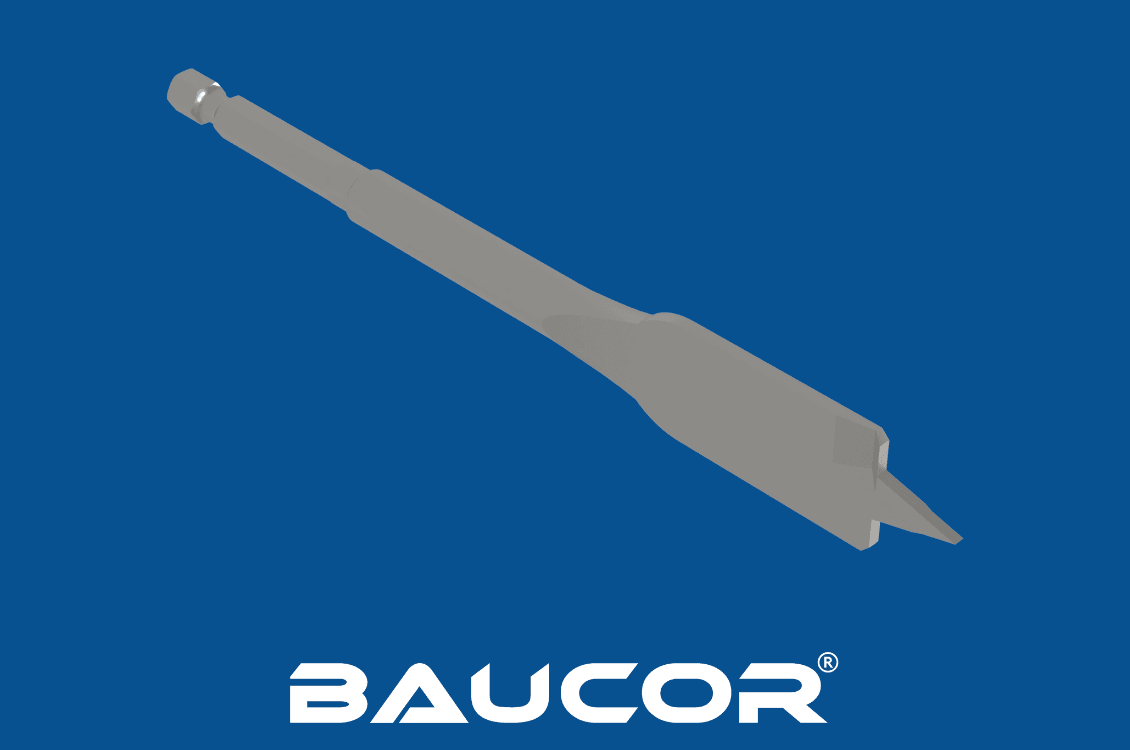
- Shank Formation: The shank is shaped to fit standard drill chucks. Common shank types include round, hex, and quick-change.
- Hardening (if applicable): The bit may undergo heat treatment to increase its hardness and durability. This step is particularly important for HSS bits.
- Sharpening: Final grinding ensures a razor-sharp cutting edge. This sharpness is crucial for creating clean, accurate countersinks.
- Coating (Optional): Some countersink drill bits receive coatings (like those discussed later) for improved performance and longevity.
Manufacturing Considerations
- Precise Angles: The accuracy of the countersink angle is critical for ensuring a proper fit with screw heads.
- Sharpness: A sharp cutting edge is essential for clean cuts and to reduce splintering in wood.