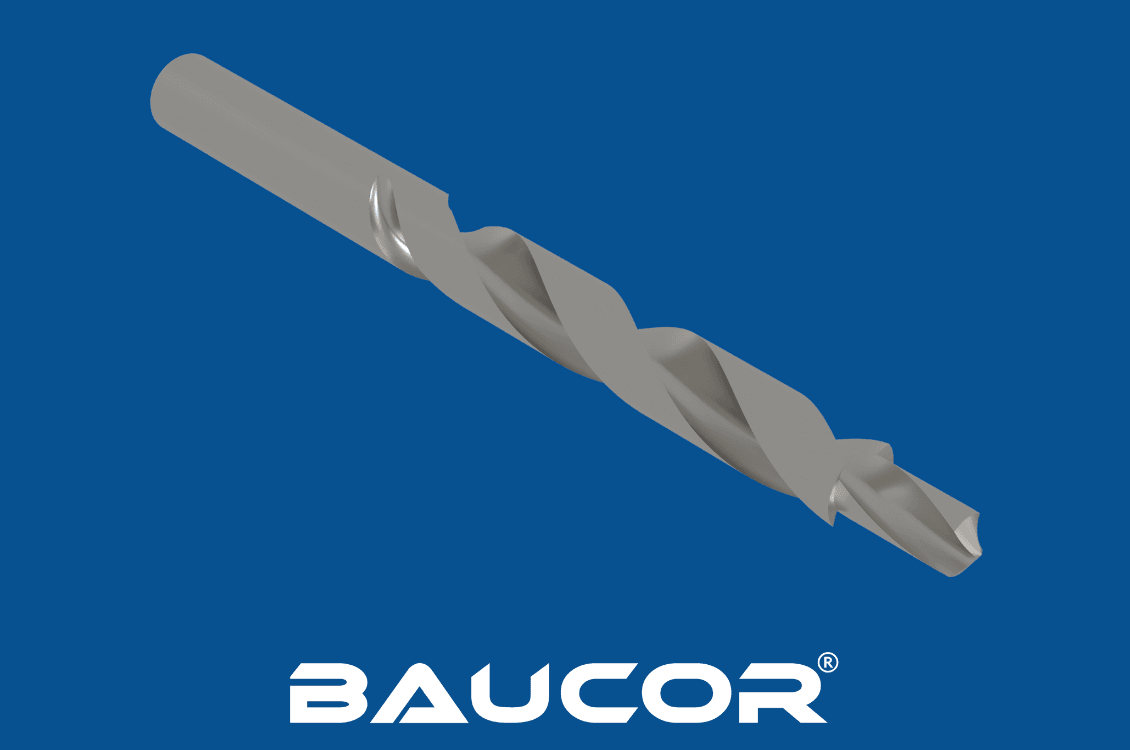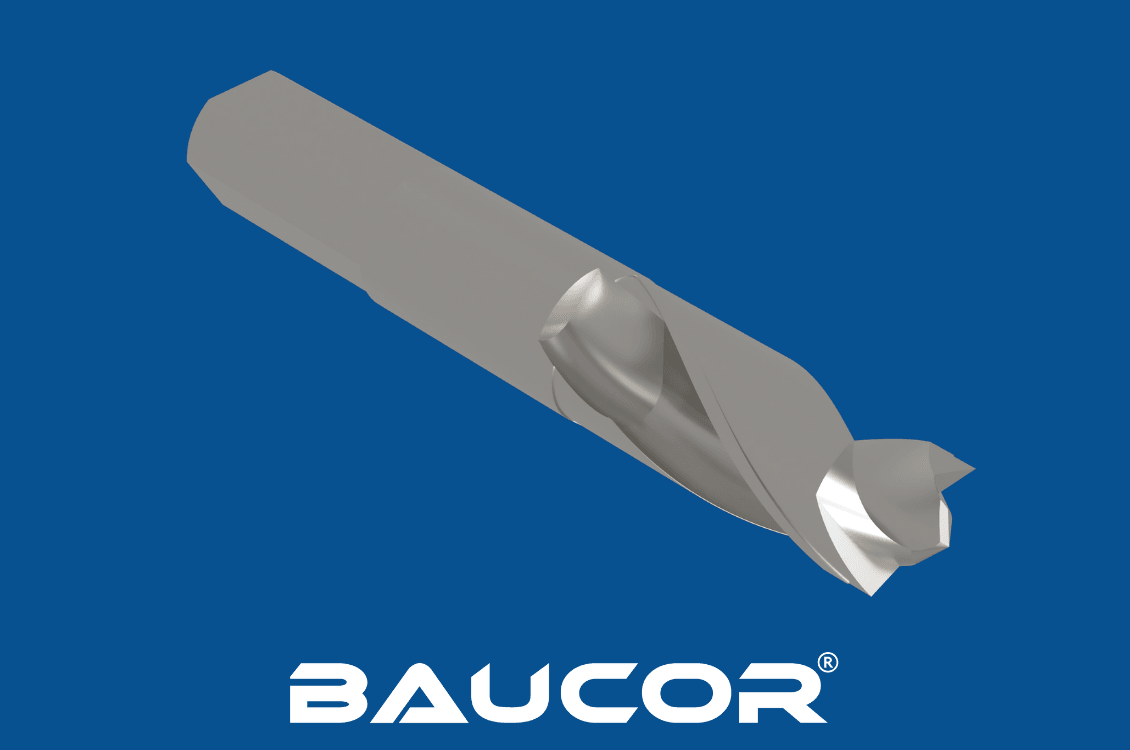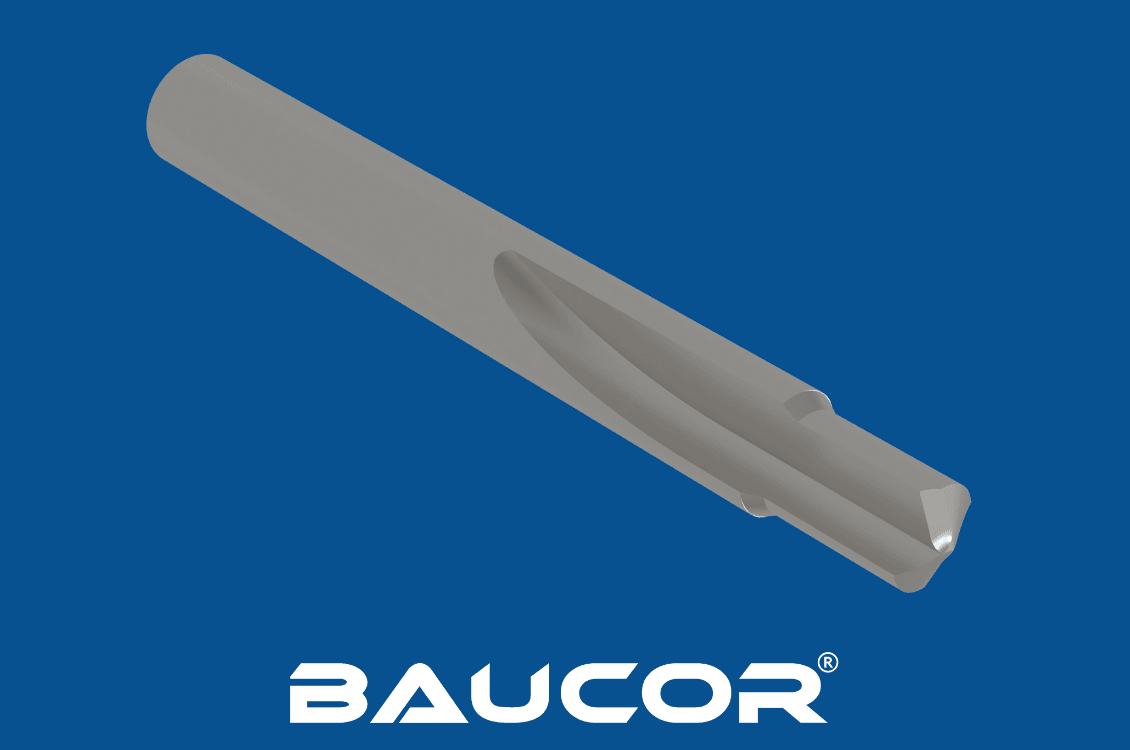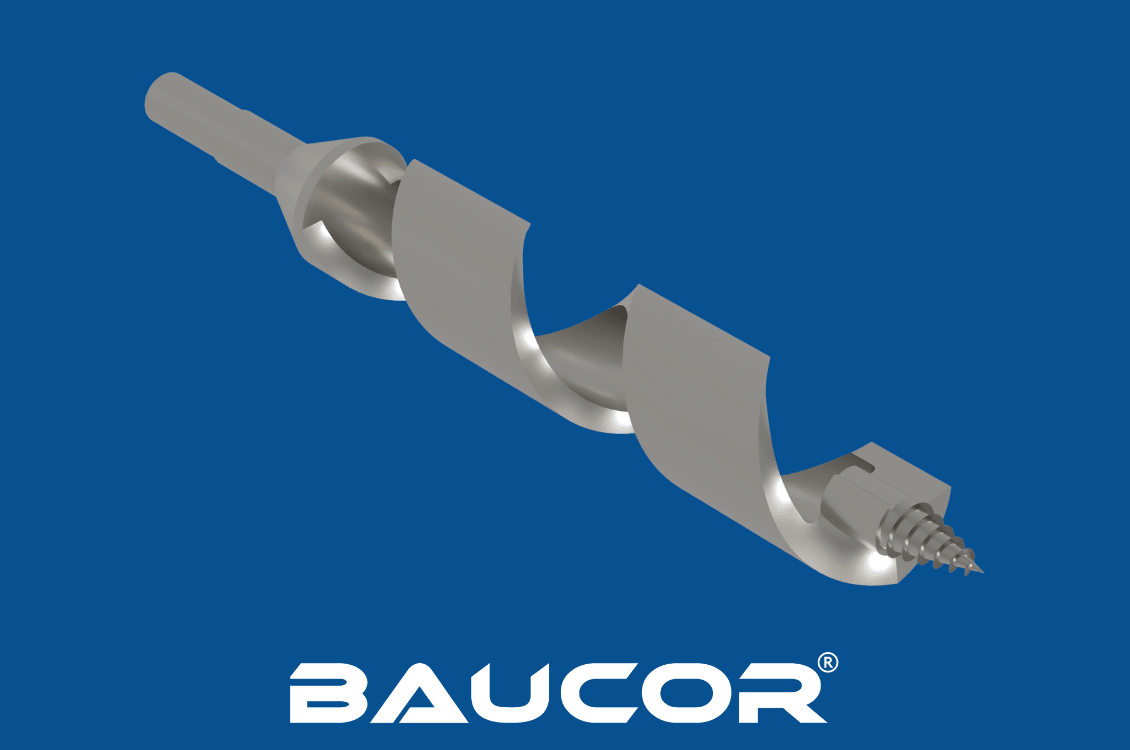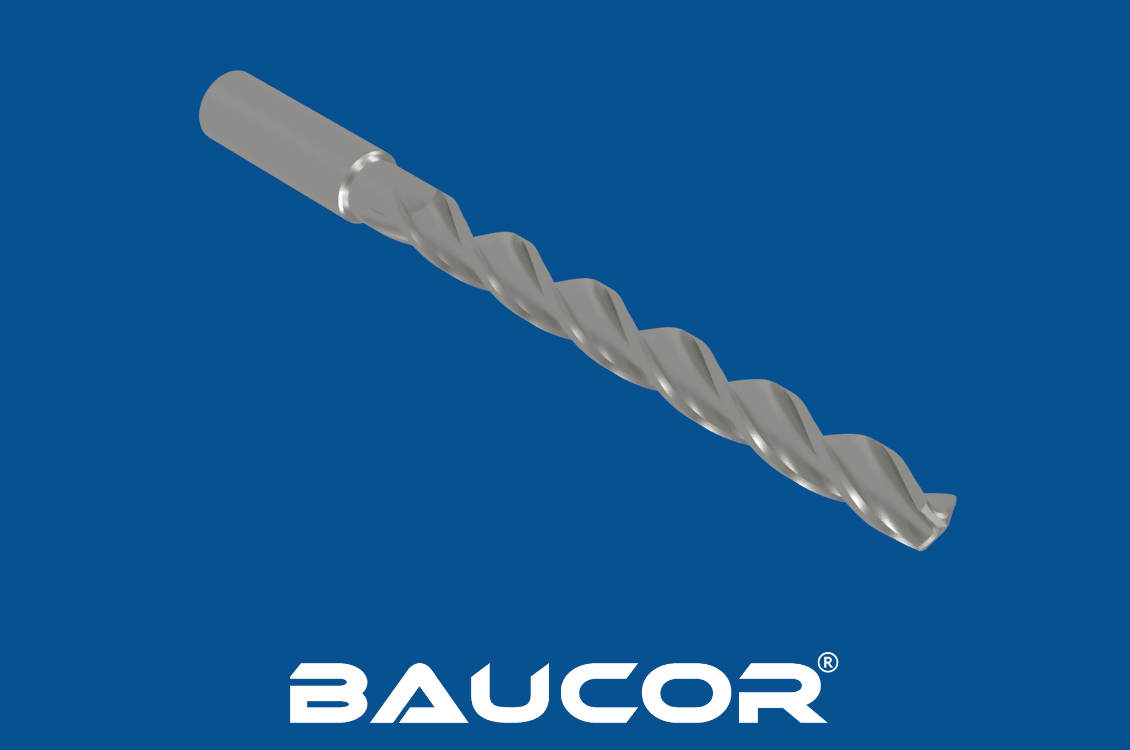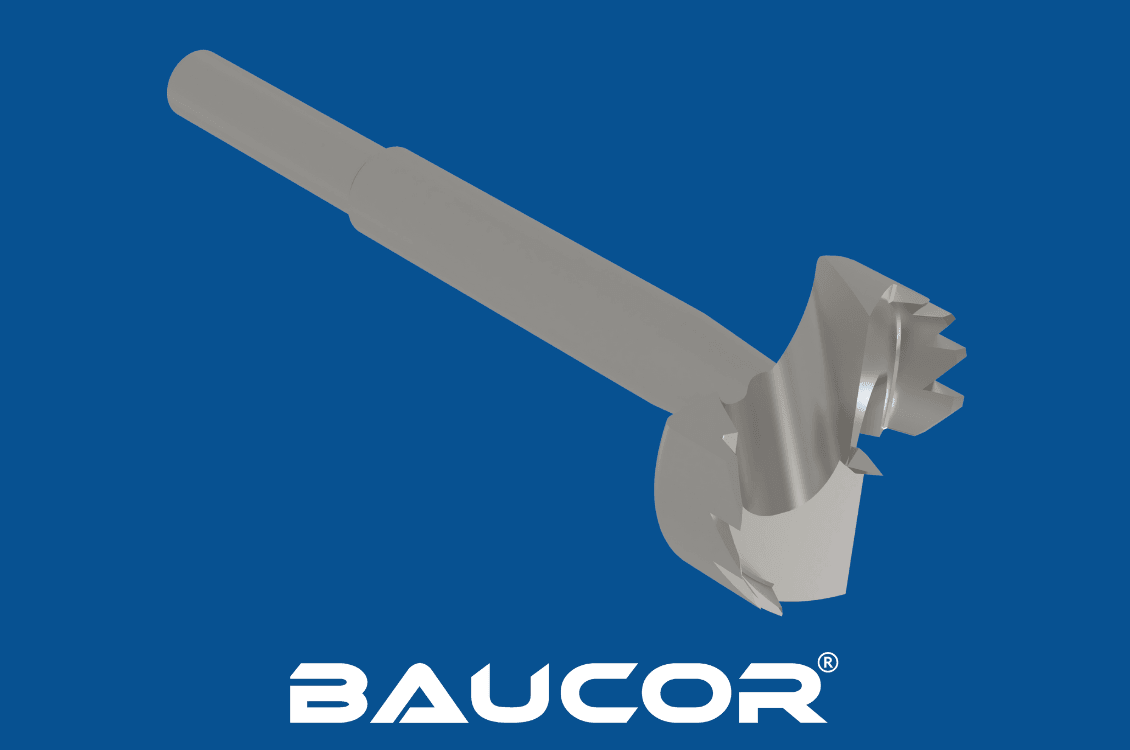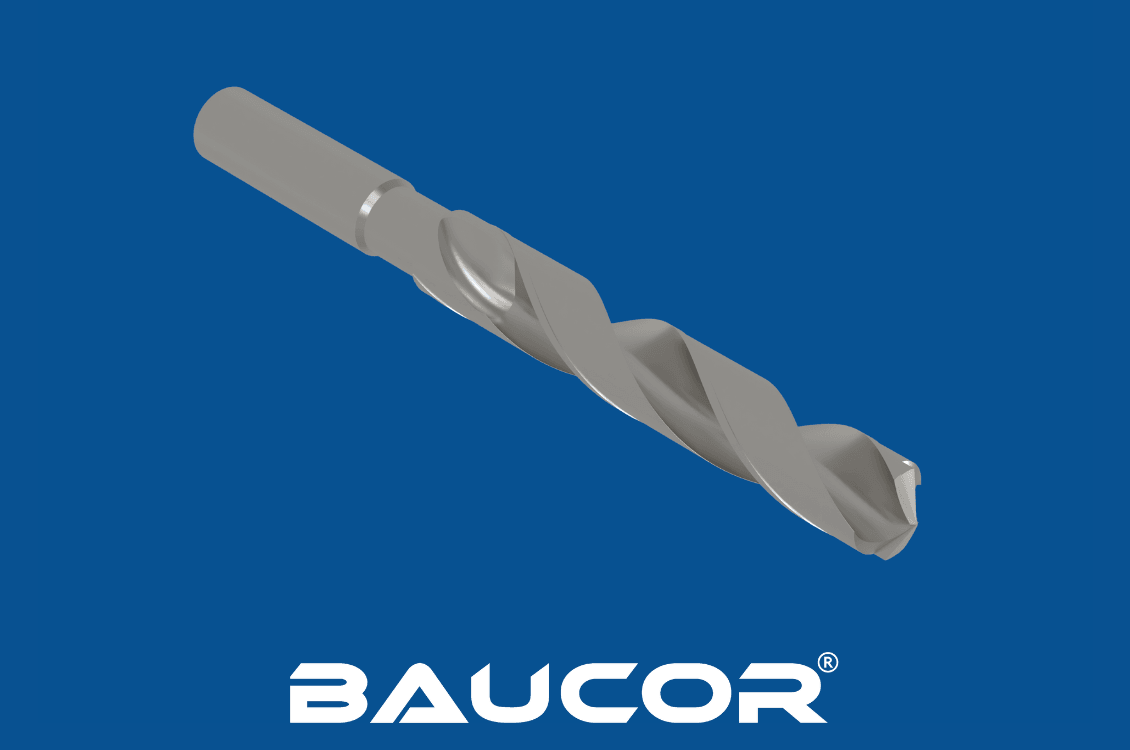


Types of Chamfers
- Countersink: Chamfer created at the top of the hole to accommodate screw heads.
- Counterbore: Chamfer created at the bottom of the hole to allow for bolt heads or nuts.
Benefits of Using a Drill Chamfer Tool:
- Time-Saving: Eliminates the need for separate drilling and chamfering operations, reducing overall machining time.
- Cost-Effective: Reduces tooling costs by combining two functions into a single tool.
- Improved Accuracy: Ensures precise alignment between the hole and the chamfer.
- Enhanced Productivity: Streamlines the manufacturing process, increasing efficiency.
Applications of Drill Chamfer Tools:
- Manufacturing: Widely used for drilling and chamfering holes in metal parts, plastic components, and wood products.
- Construction: Used for preparing holes for fasteners in structural components.
- Automotive: Employed in the machining of engine components, transmission parts, and other automotive assemblies.
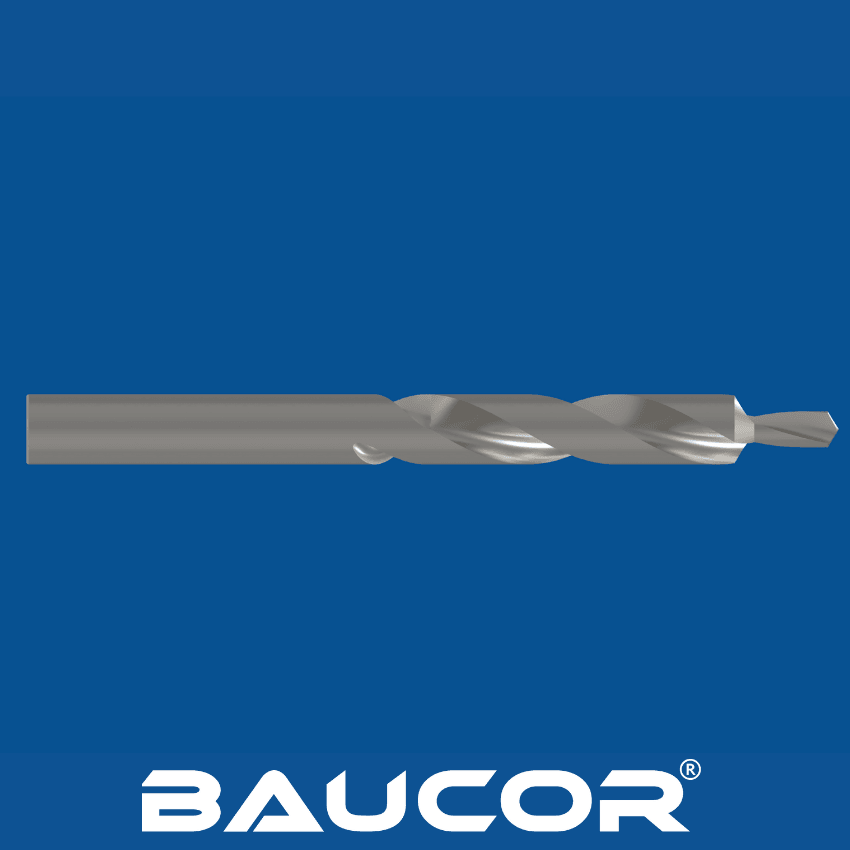
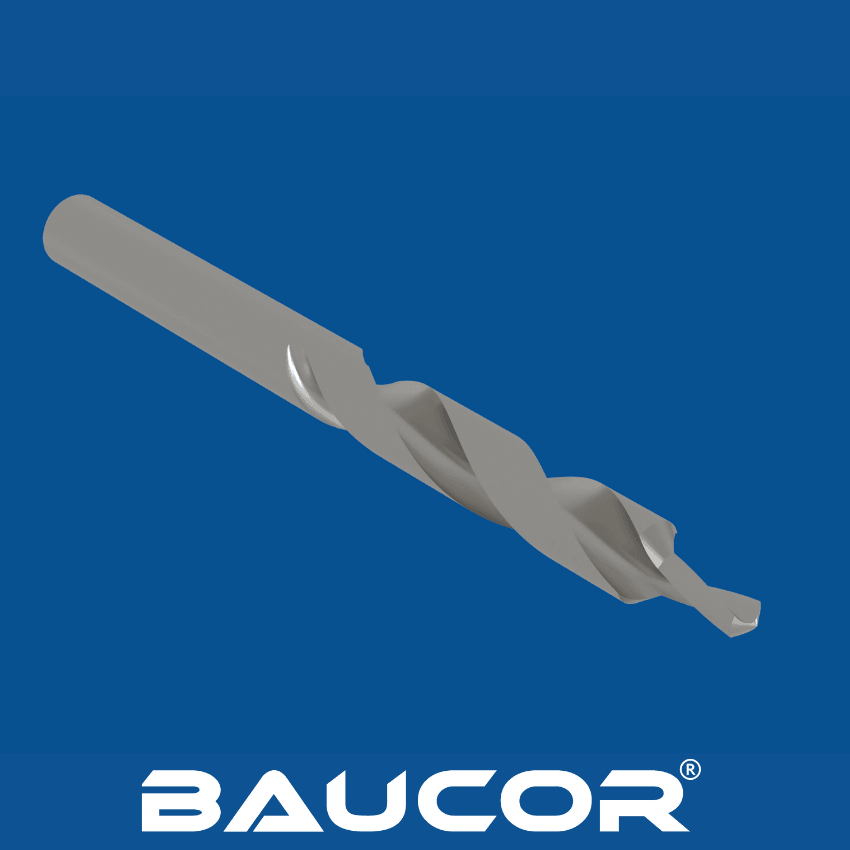
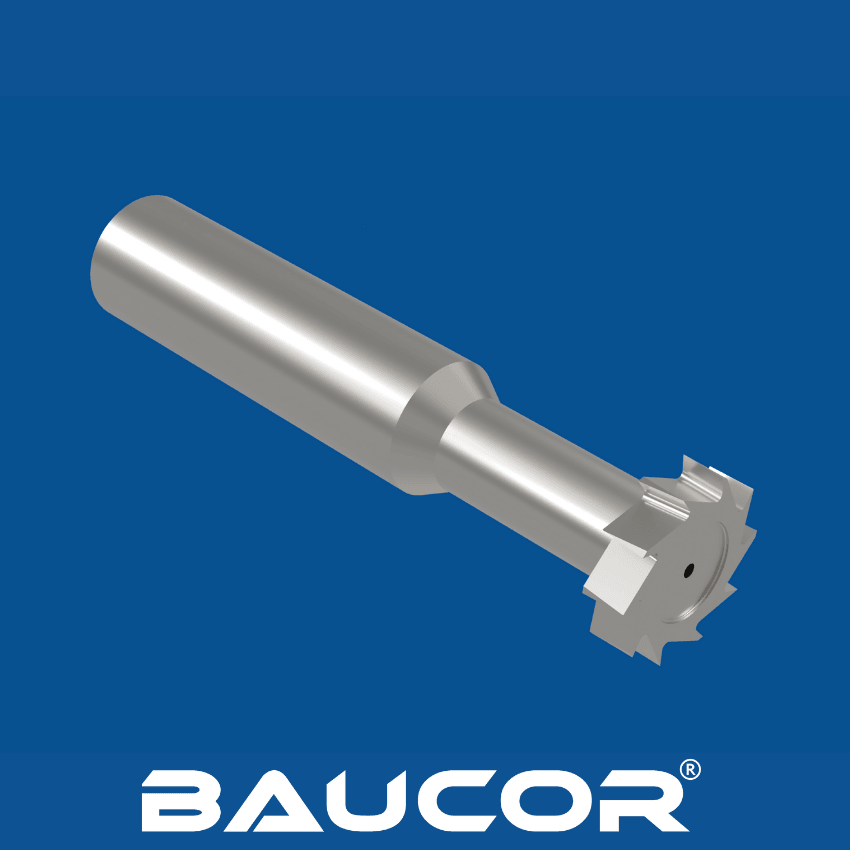
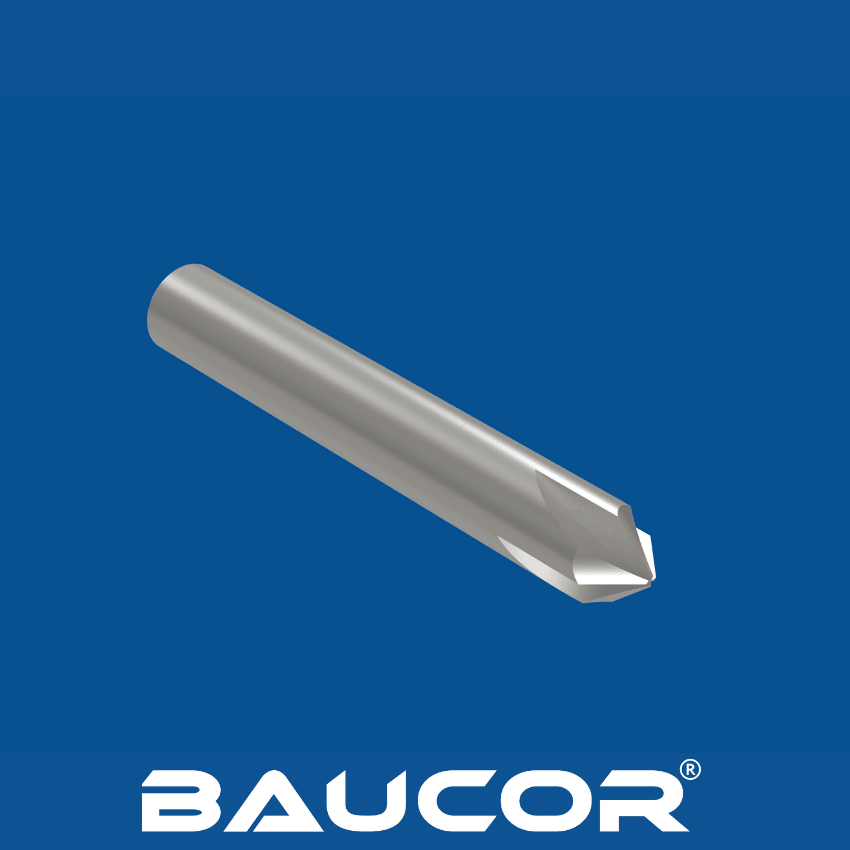
A drill chamfer tool is a versatile and efficient tool that simplifies the creation of chamfered holes. Its ability to perform both drilling and chamfering operations in a single pass makes it an invaluable asset in various industries, improving productivity, accuracy, and cost-effectiveness.