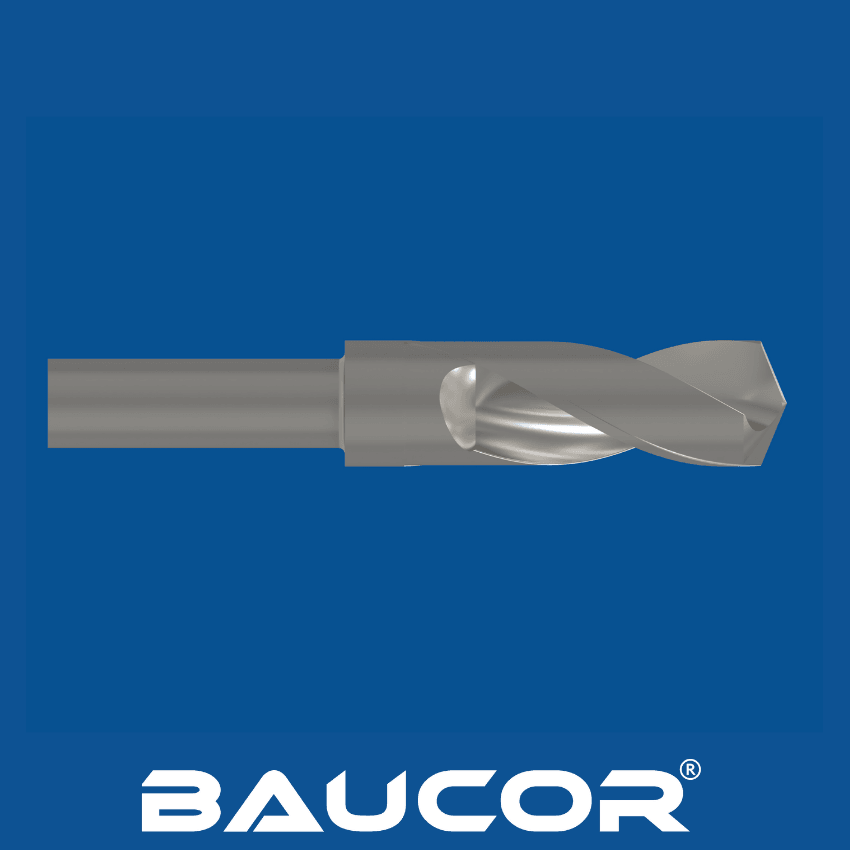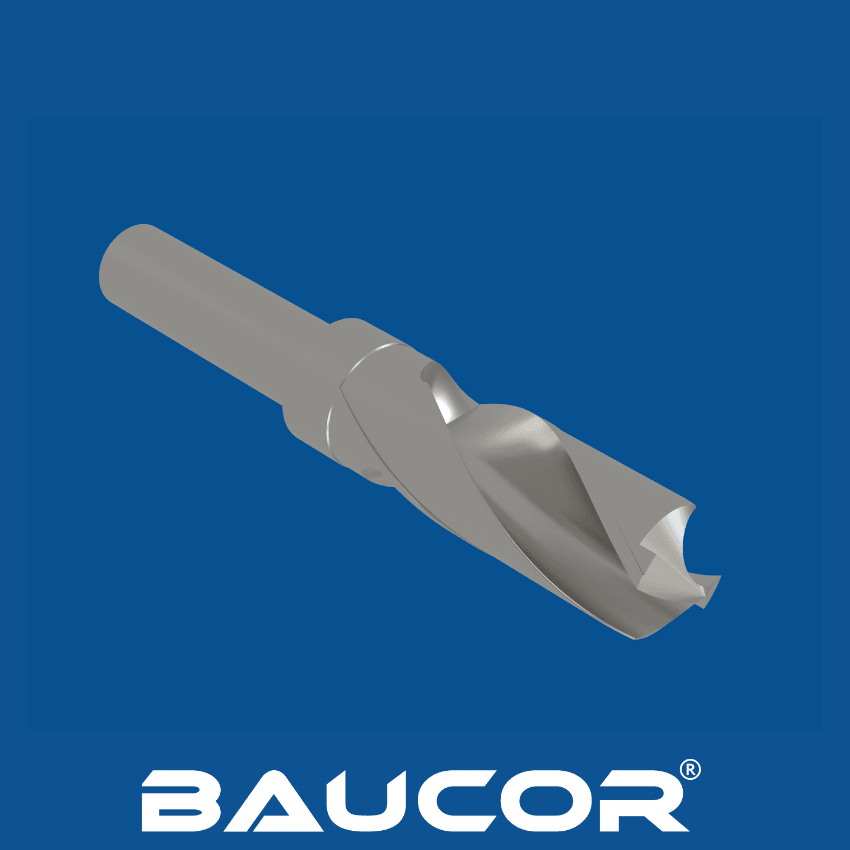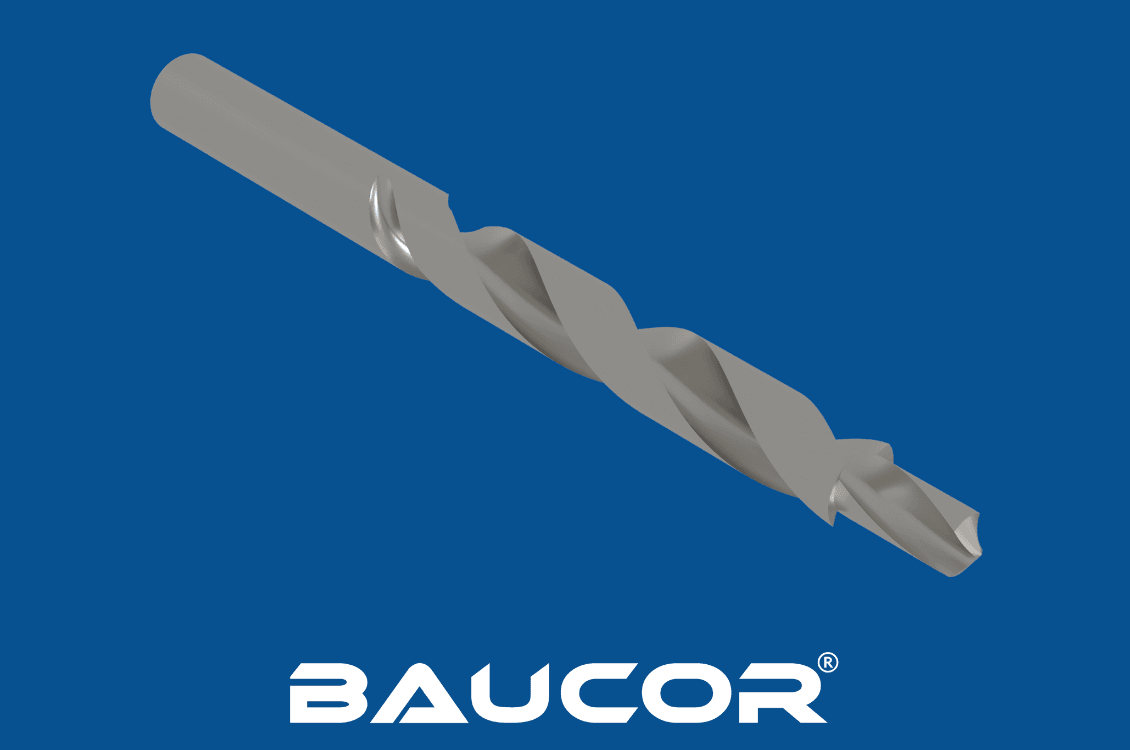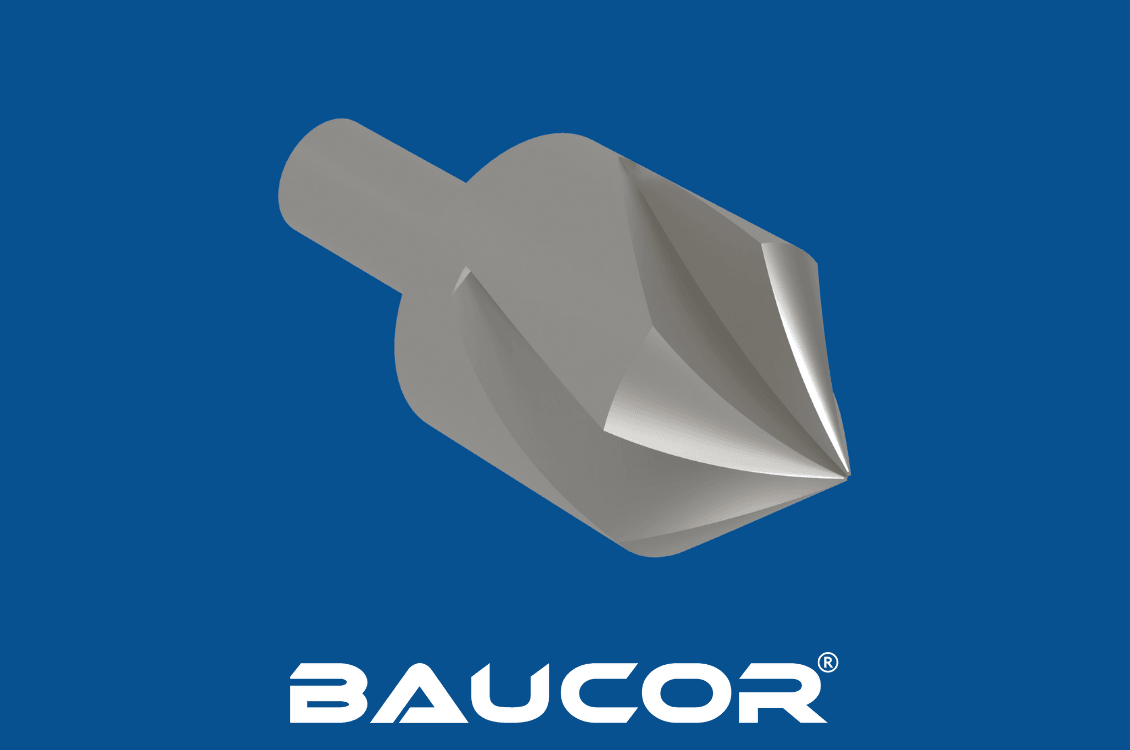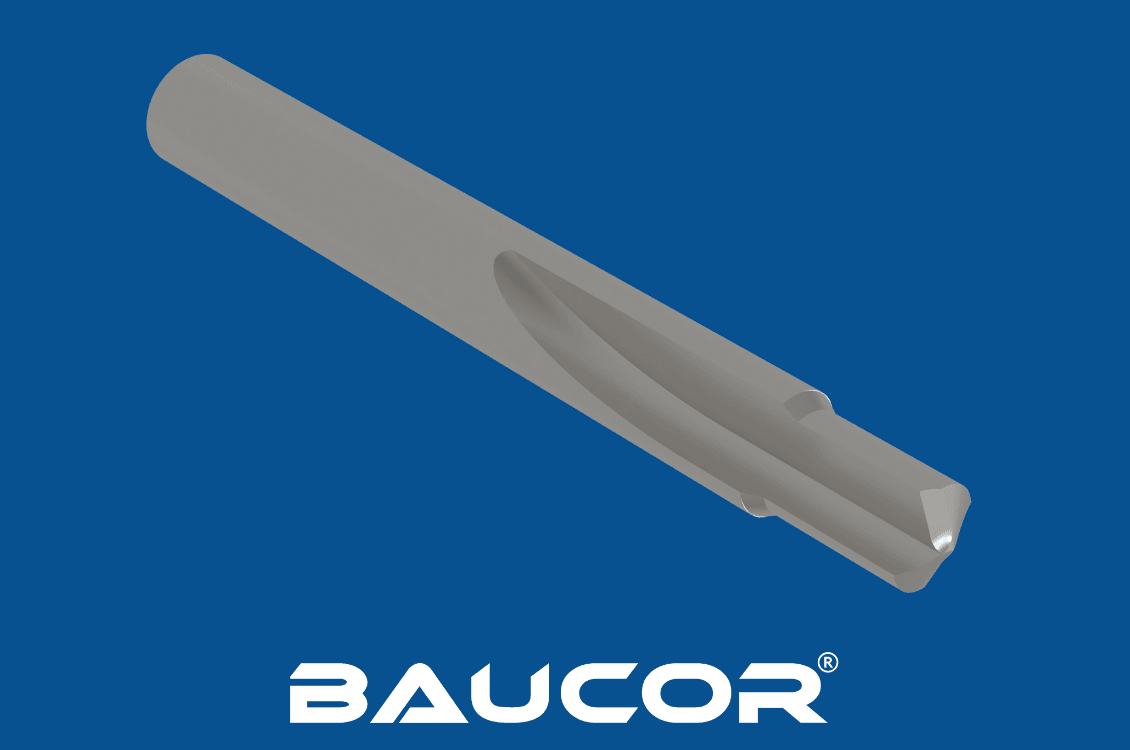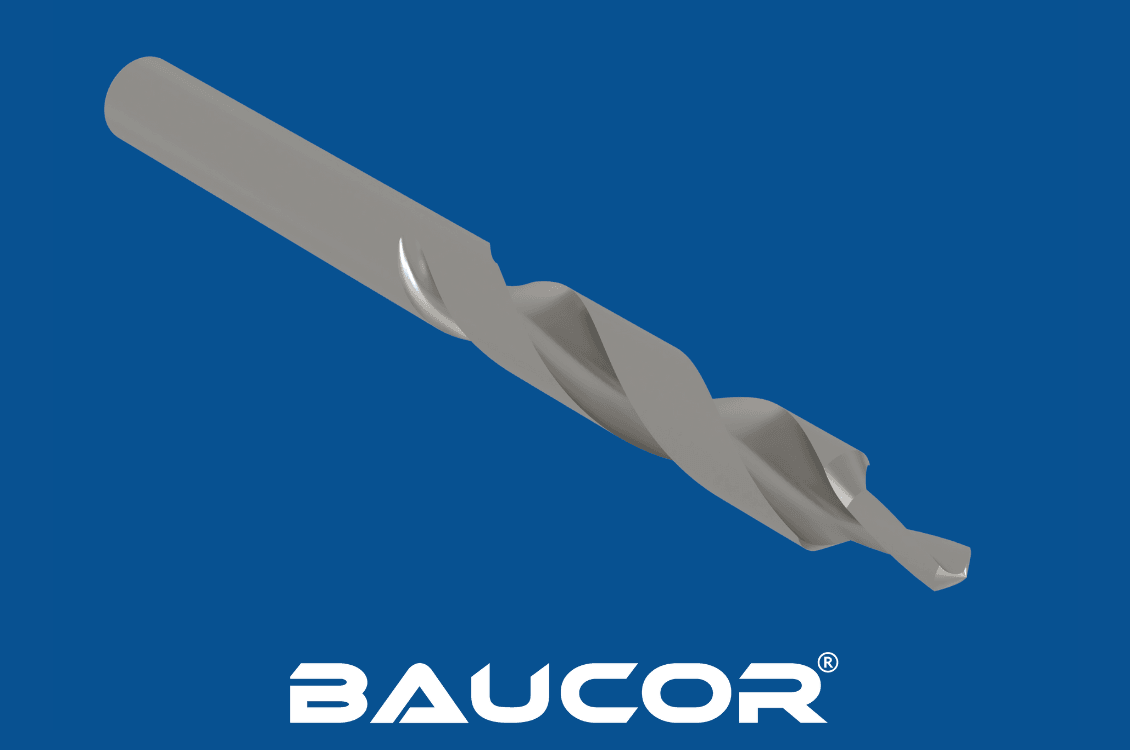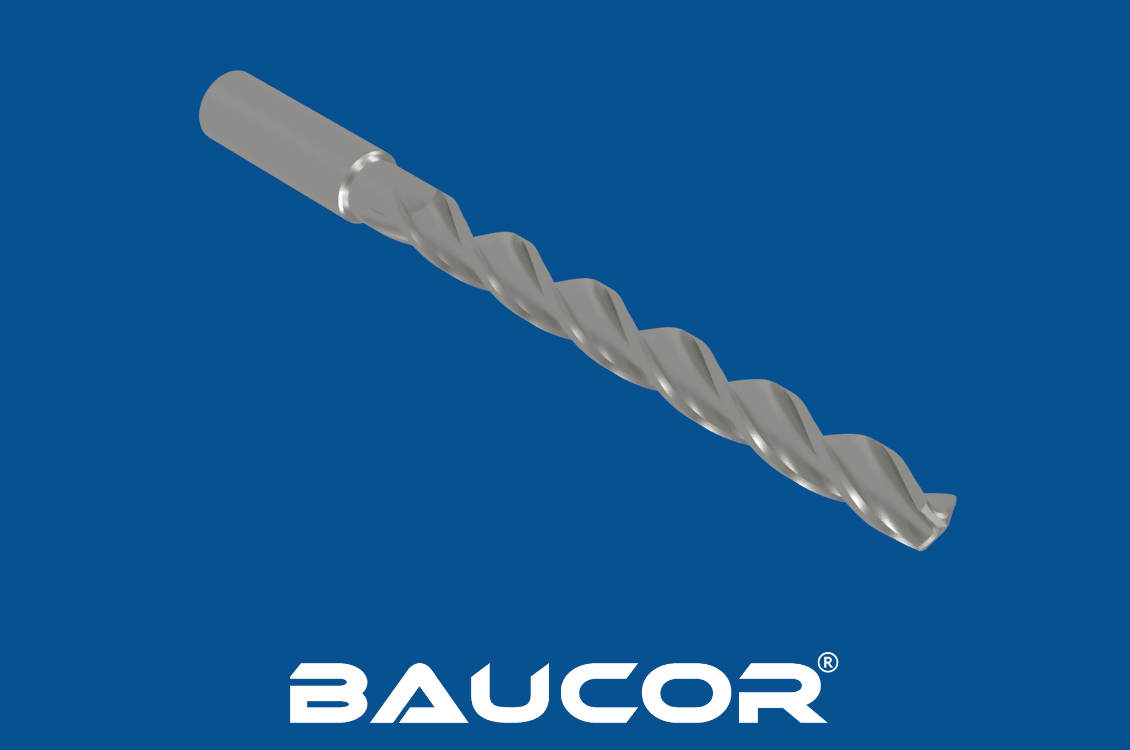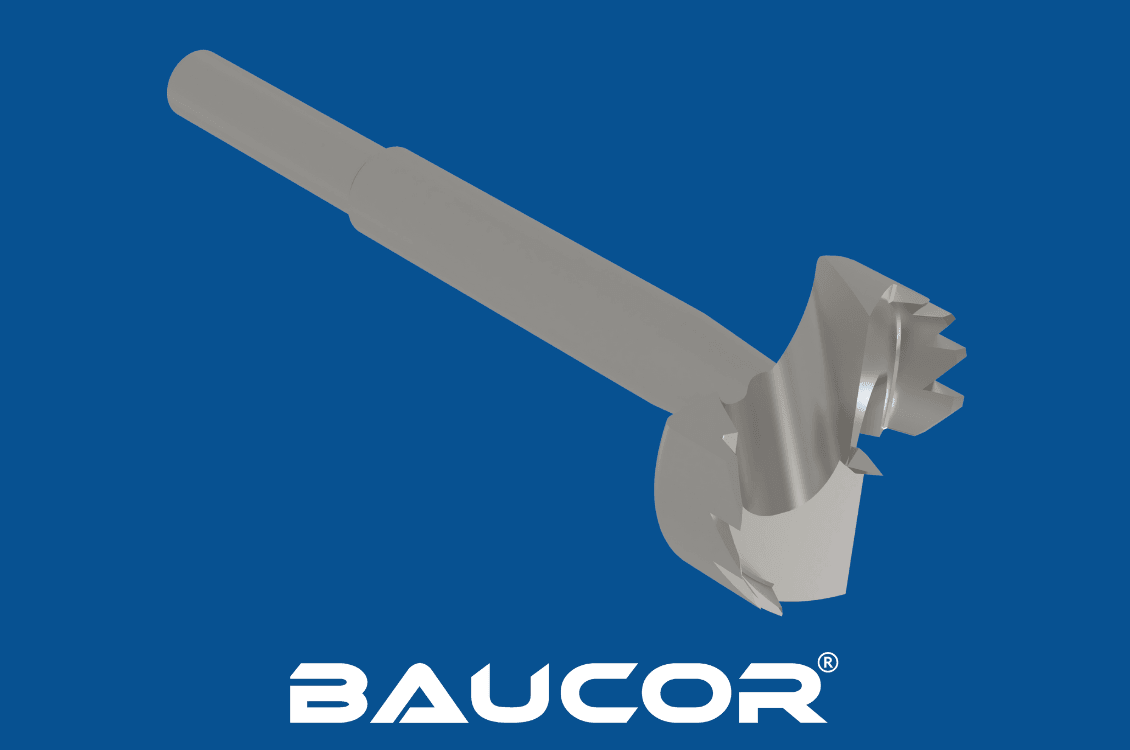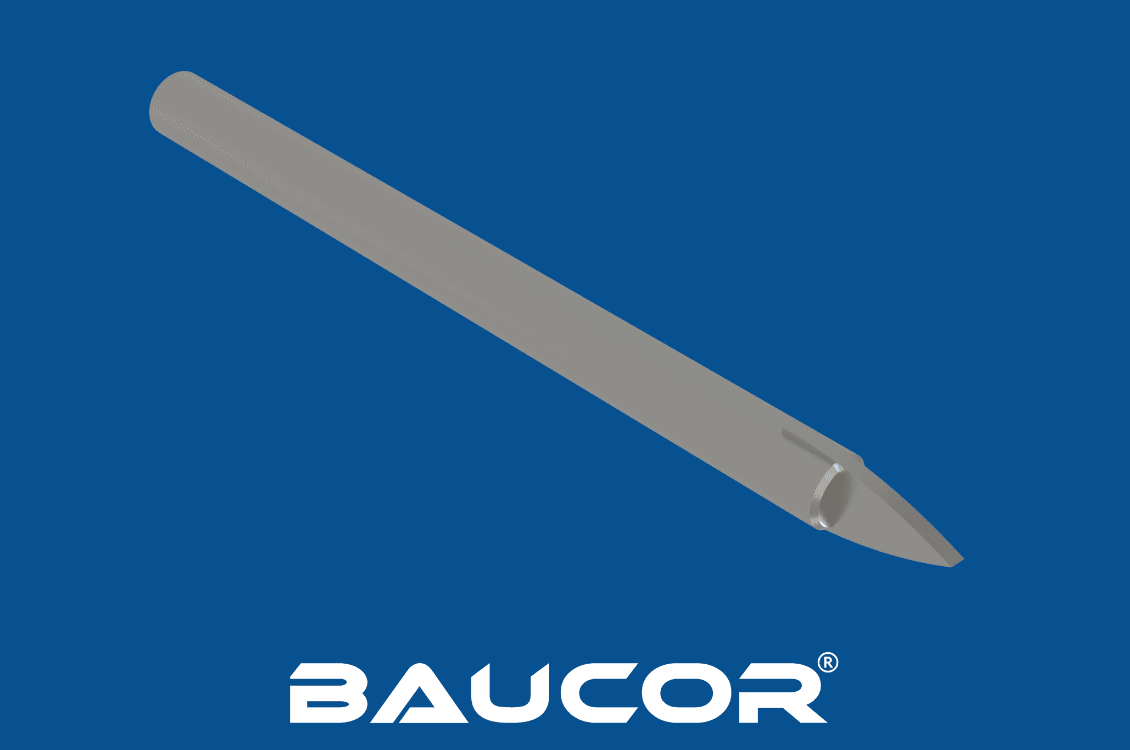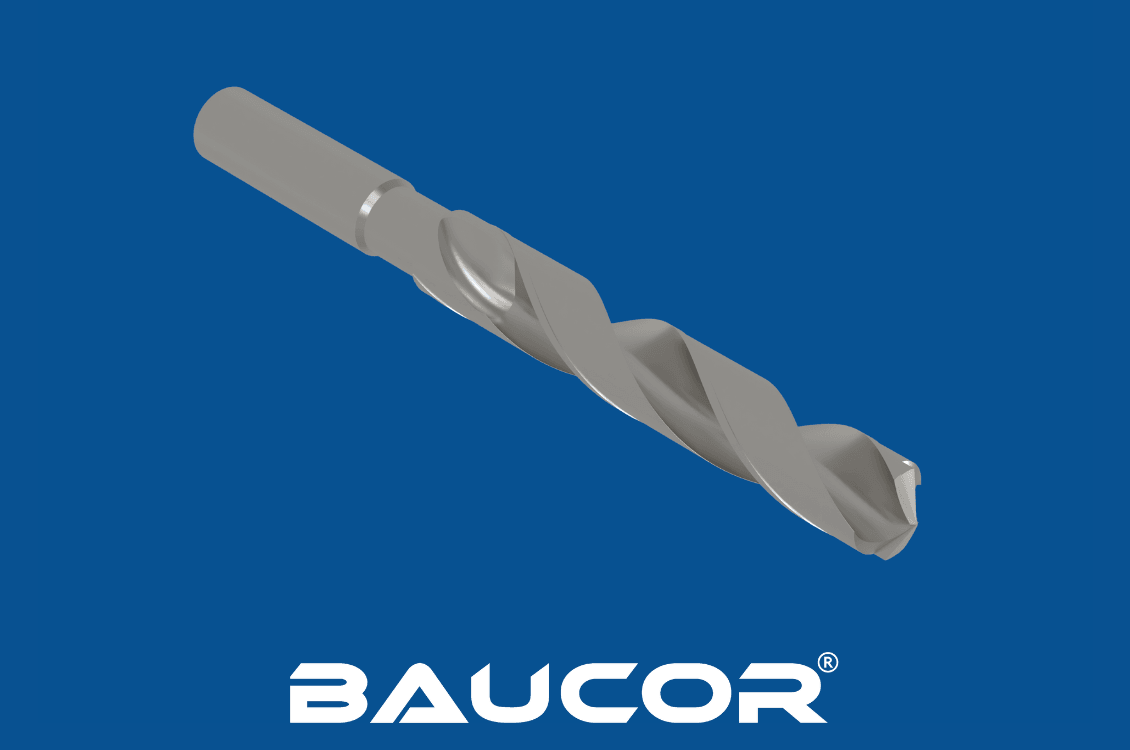


How Large Diameter Drill Bits Work
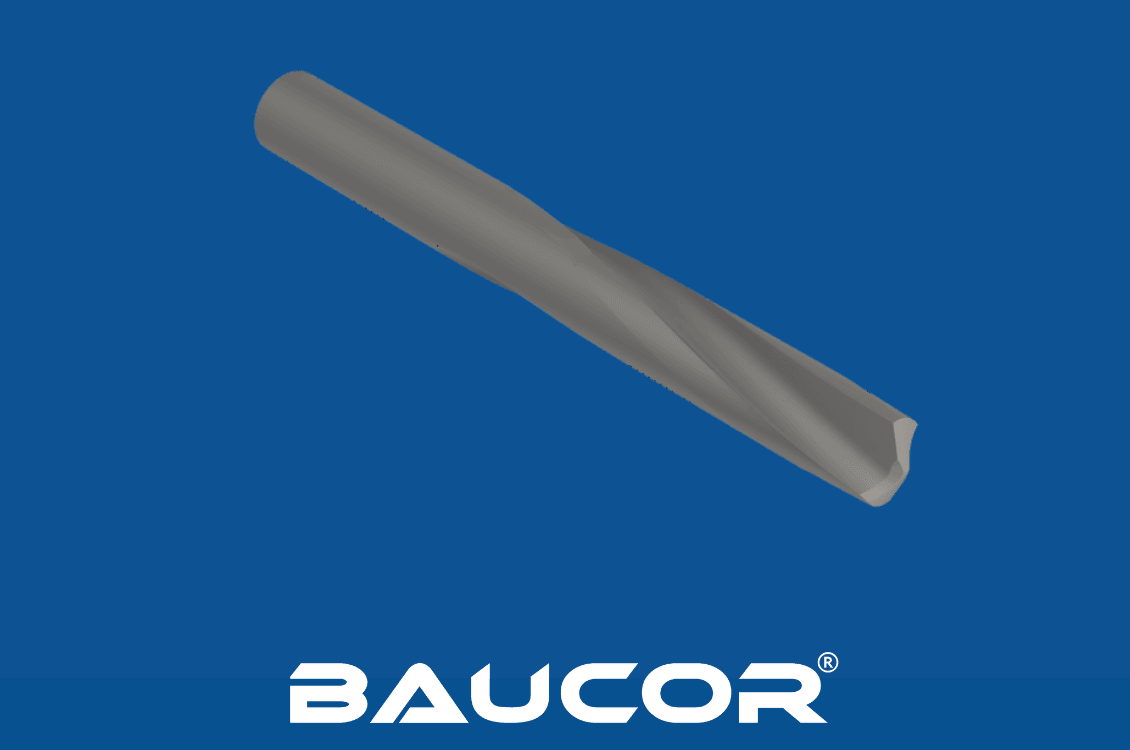
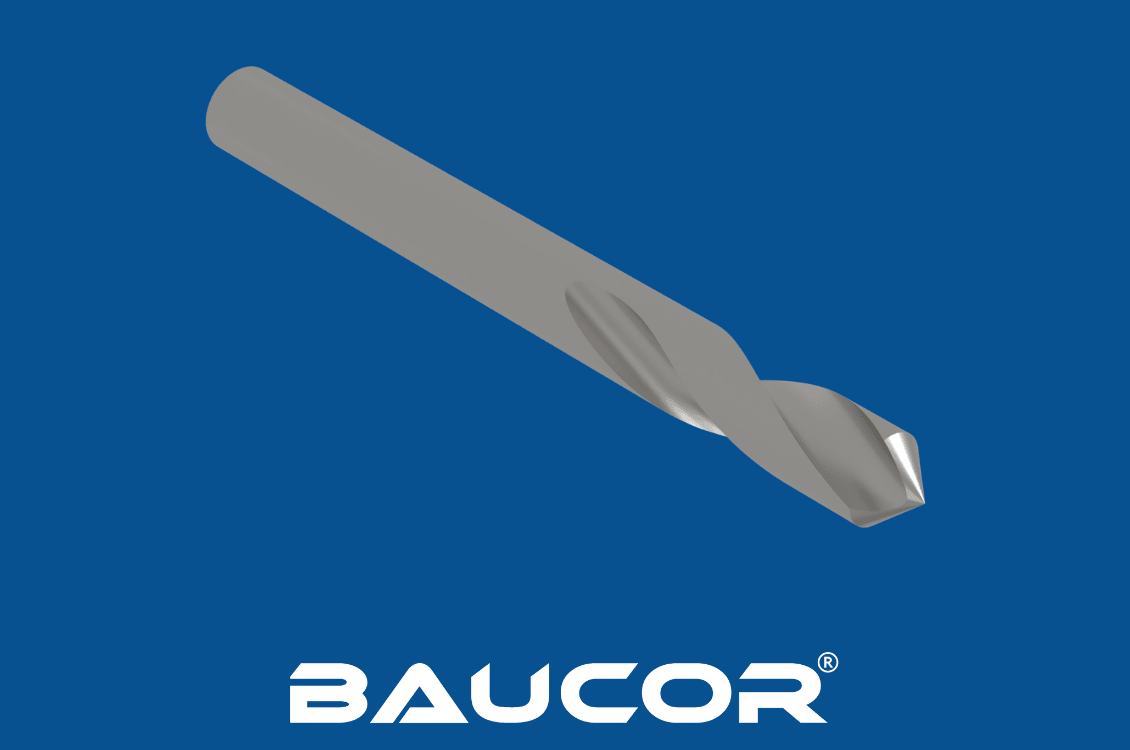
The basic principle of operation is similar to any twist drill:
- Rotation: The drill bit is secured in a compatible drill press, heavy-duty drill, or another suitable machine and rotates at the appropriate speed.
- Cutting Action: Cutting edges at the drill bit's tip remove material as the drill bit penetrates the workpiece, creating a hole.
- Chip Evacuation: Flutes (spiral grooves) on the drill bit guide chips produced during drilling away from the cutting area and out of the drilled hole. Chip management becomes more critical with larger holes.
Why Choose a Large Diameter/Oversized Drill Bit?
You would need these specialized drills when:
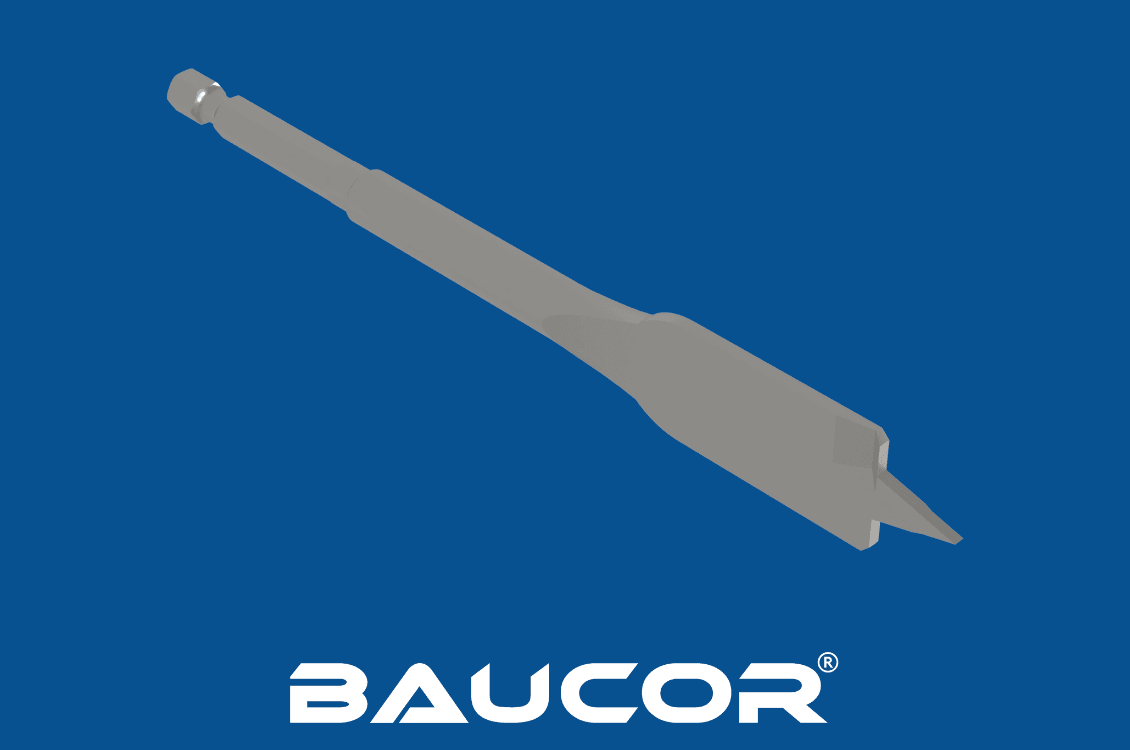
- Creating Large Holes: The primary use is for drilling holes that exceed the diameter capabilities of standard drill bits.
- Enlarging Existing Holes: They can be used to widen existing smaller holes.
- Specific Applications: Industries like construction, plumbing, or electrical work often require large diameter holes for pipes, conduits, or other installations.
Considerations:
- Power and Rigidity: Large diameter drilling requires powerful machines with sufficient rigidity to handle the increased forces and torque.
- Drilling Techniques: Careful drilling speeds, feed rates, and the use of coolants are often essential to prevent overheating and tool damage.