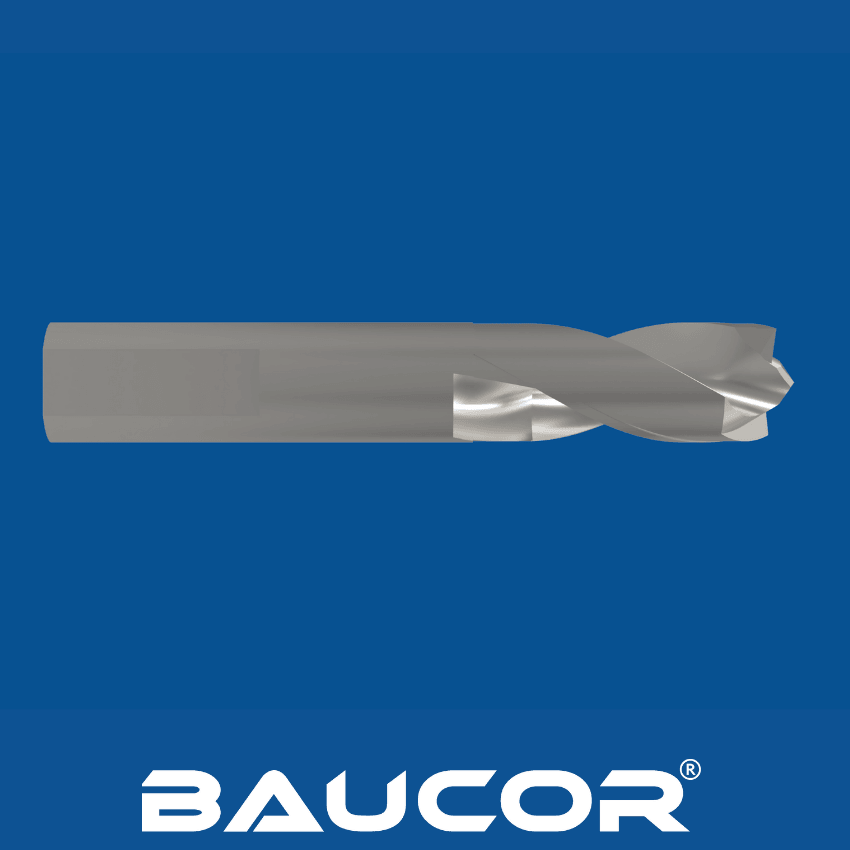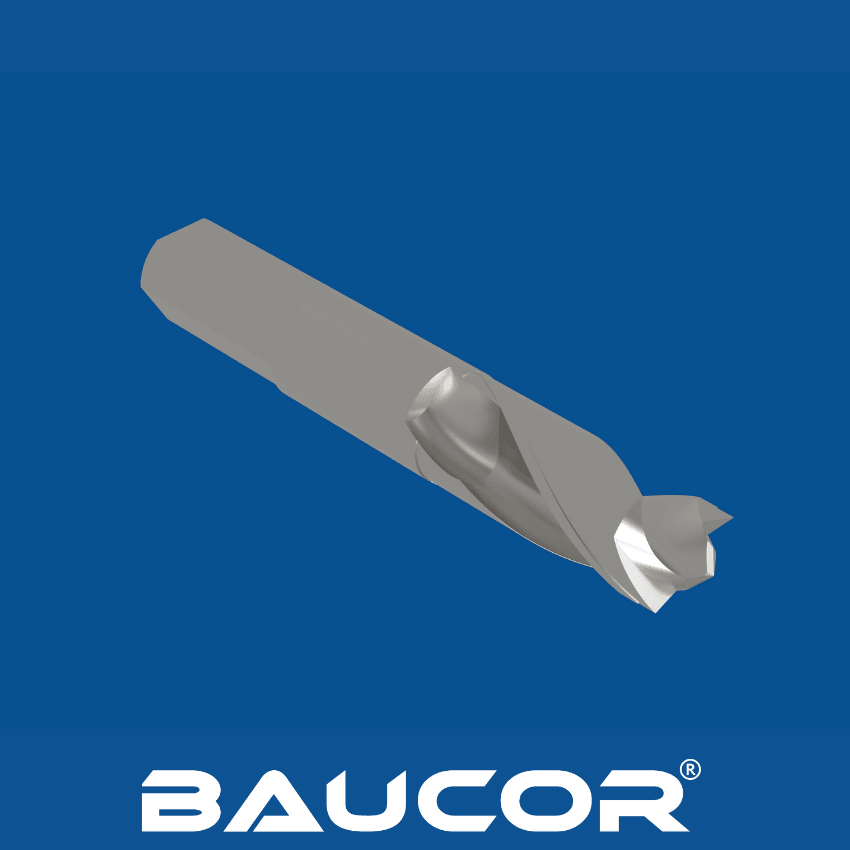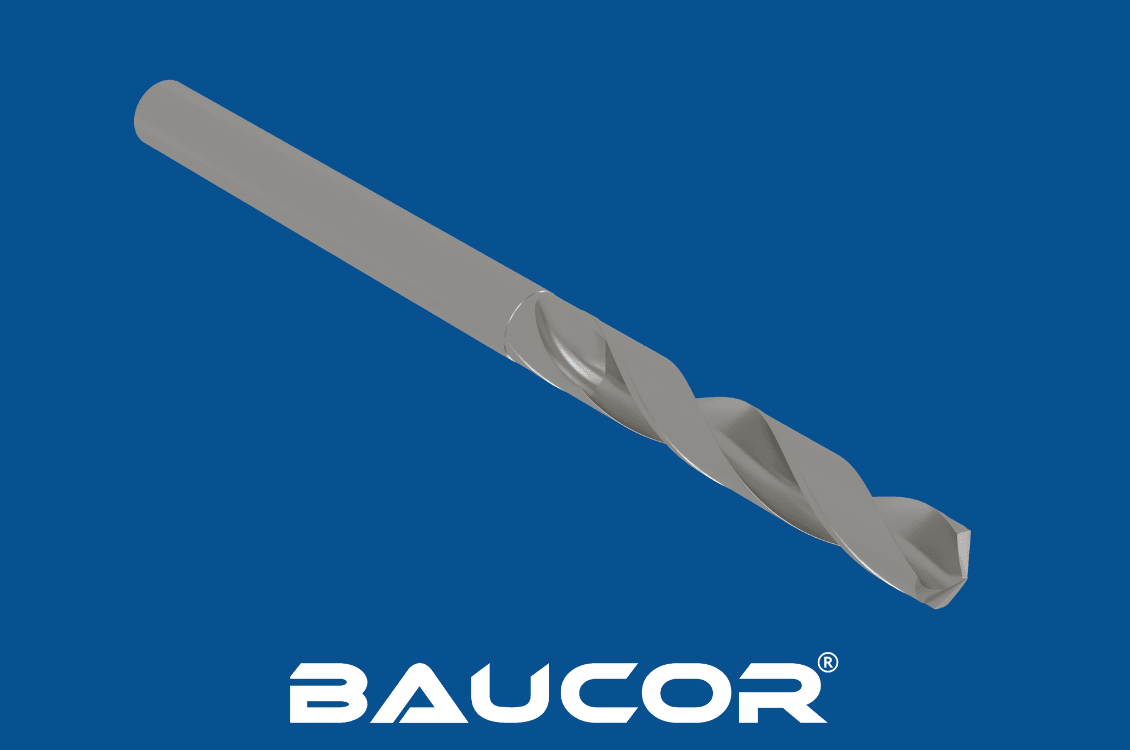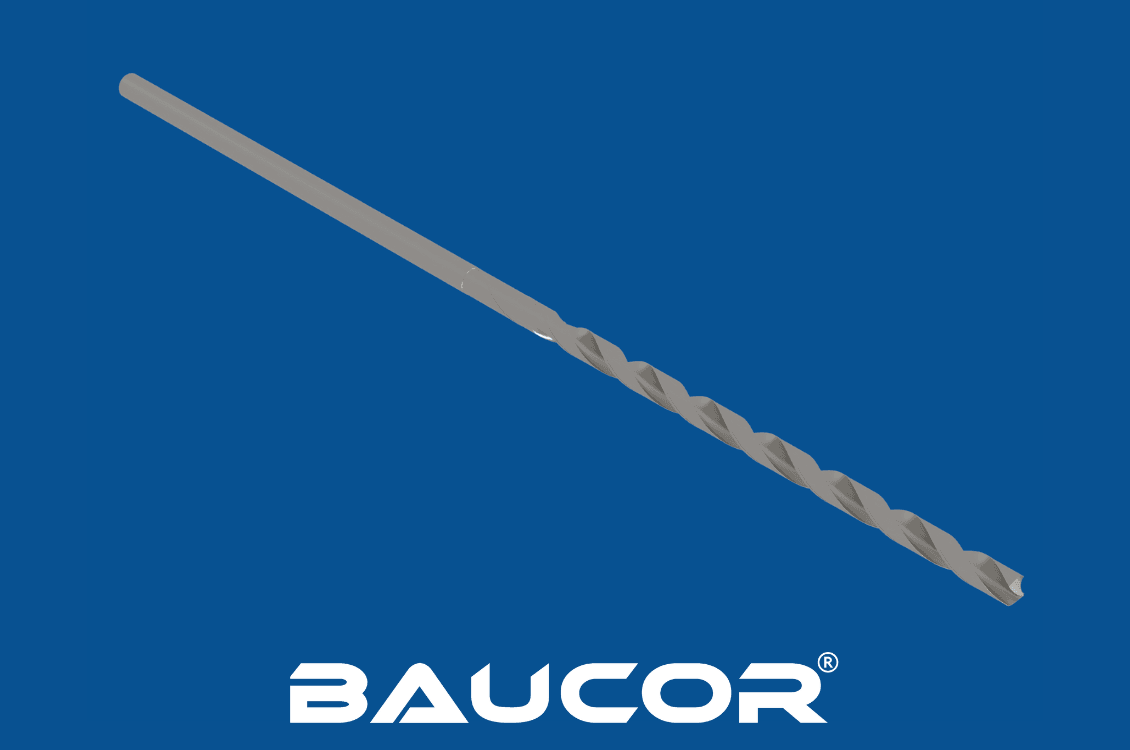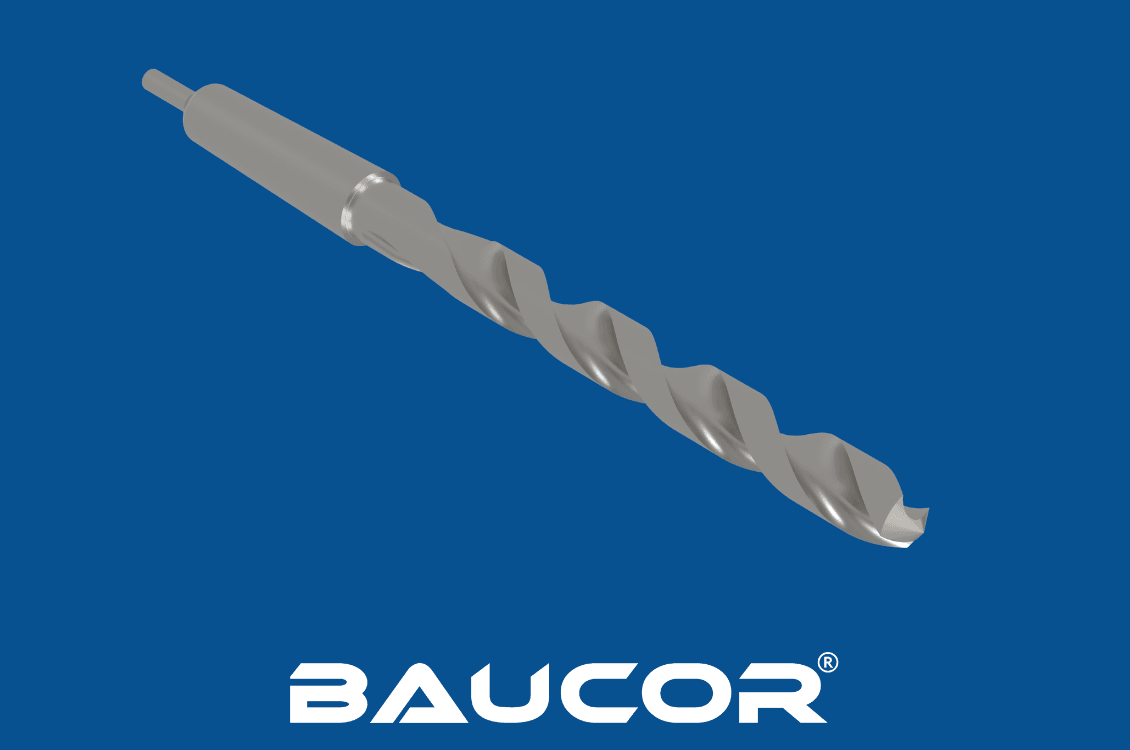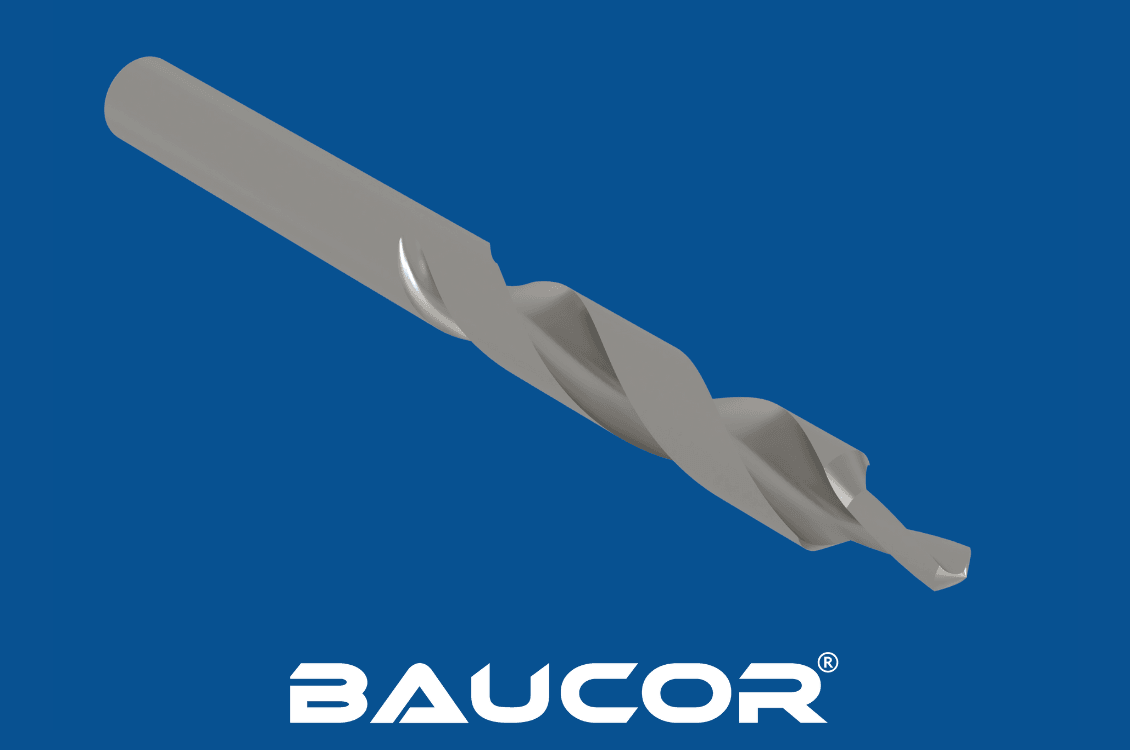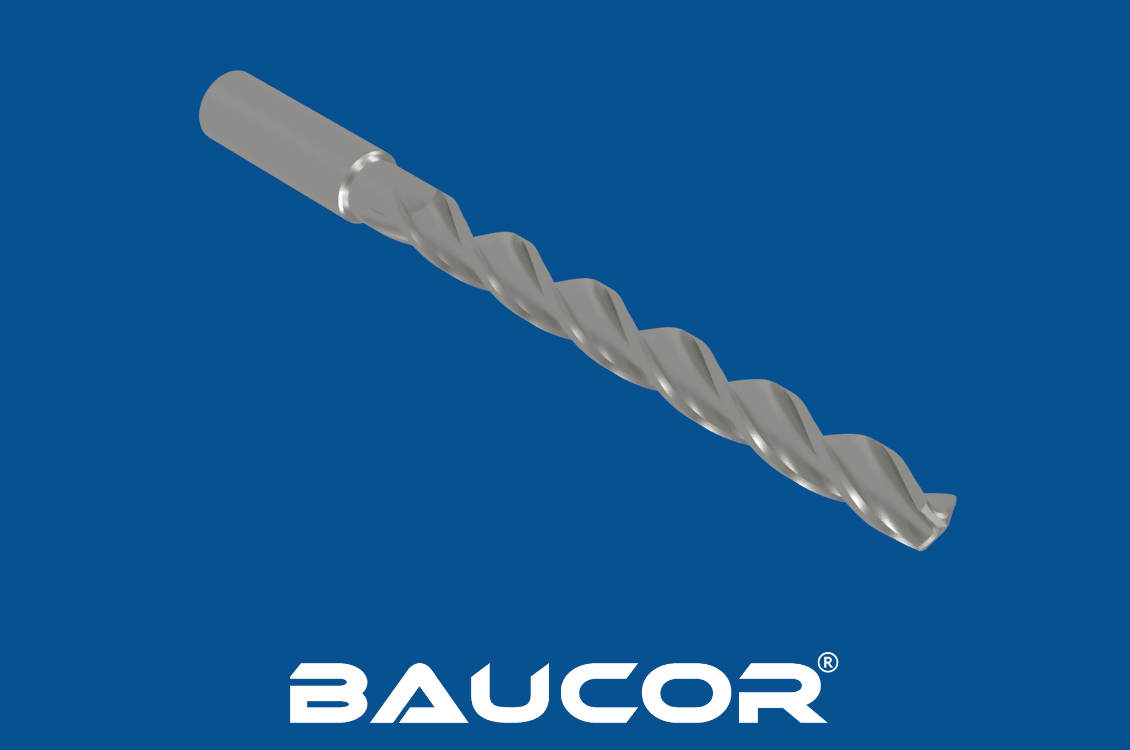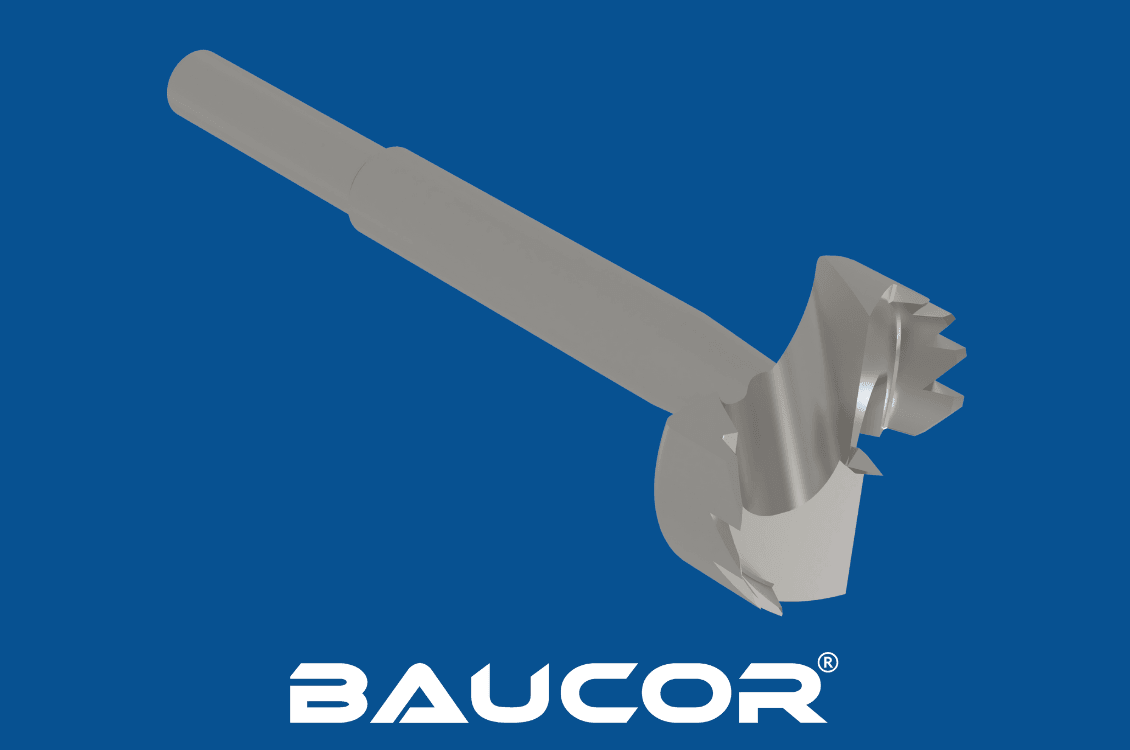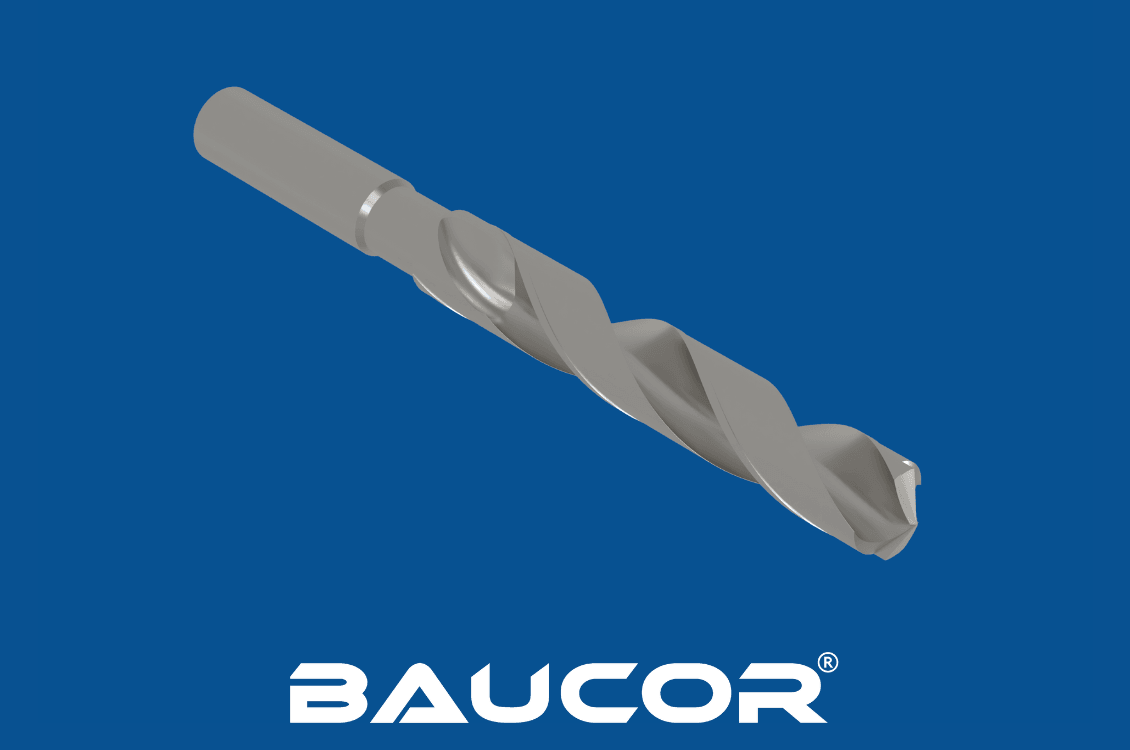


Speed, Hole Quality and Uses of Pilot Point Drills
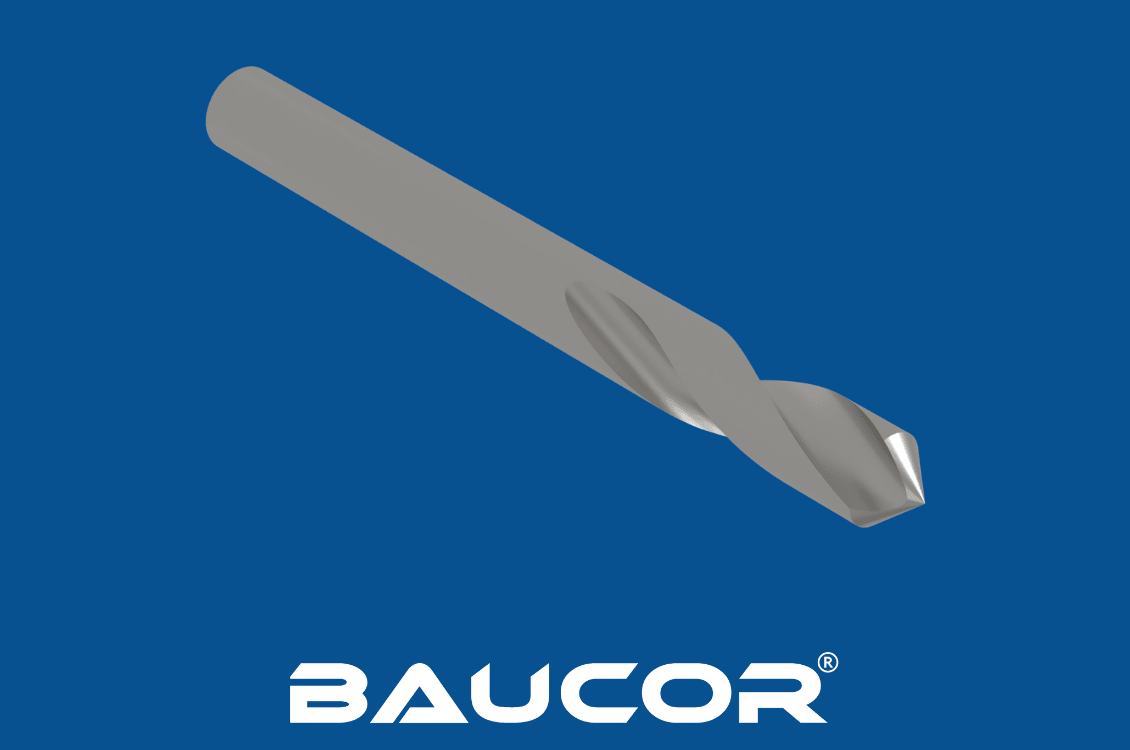
- Faster Drilling: The split point provides a sharper cutting edge that bites into the material more quickly, resulting in faster drilling speeds compared to standard twist drills.
- Cleaner Holes: The pilot point helps to create cleaner holes with less burring or chipping around the edges, improving the overall finish of the hole.
- Reduced Heat Buildup: The split-point design and the resulting faster drilling help to dissipate heat more efficiently, reducing the risk of overheating the drill bit and the workpiece.
Benefits of Using Pilot Point Drills
- Increased Accuracy: The self-centering tip ensures precise hole placement, even on curved or uneven surfaces.
- Improved Speed: The sharper cutting edges and reduced friction allow for faster drilling compared to standard twist drills.
- Cleaner Holes: The pilot point helps to create cleaner holes with less burring or chipping.
- Reduced Wear: The efficient chip evacuation and reduced heat buildup help to extend the life of the drill bit.
Applications of Pilot Point Drills
Pilot point drills are widely used in various applications, including:
- Metalworking: Drilling holes in sheet metal, structural steel, aluminum, and other metals.
- Construction: Drilling holes in metal studs, beams, and other structural elements.
- Automotive: Drilling holes in body panels, engine components, and chassis parts.
- DIY and Home Improvement: Drilling holes for repairs, installations, and hobby projects.
Overall, pilot point drills are a versatile and valuable tool for anyone who needs to drill accurate and clean holes in metal.