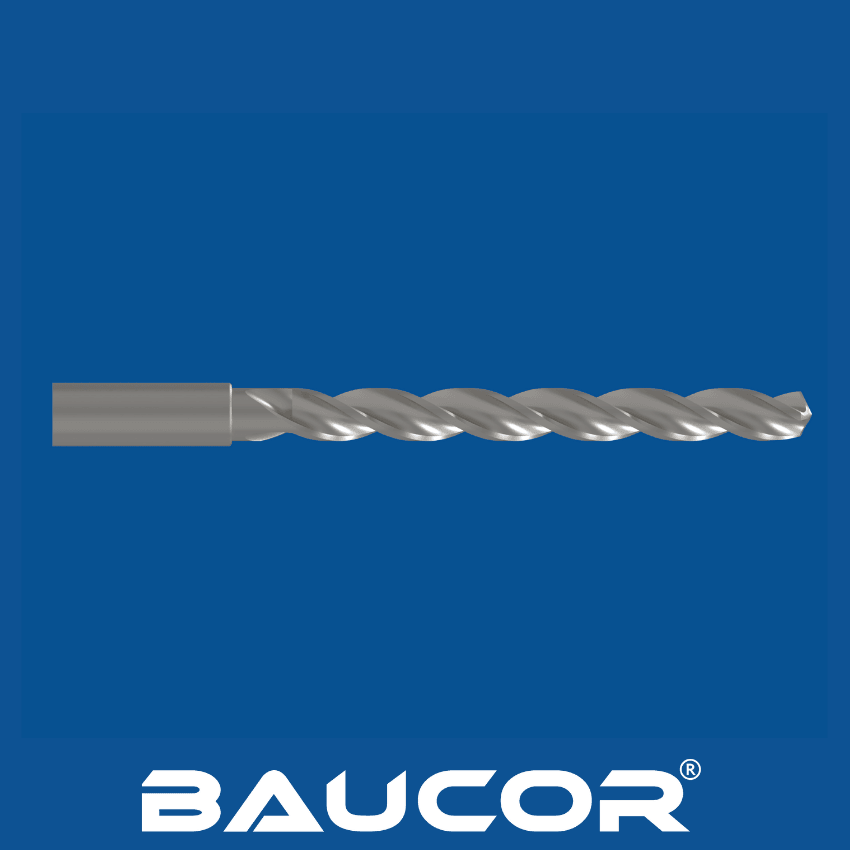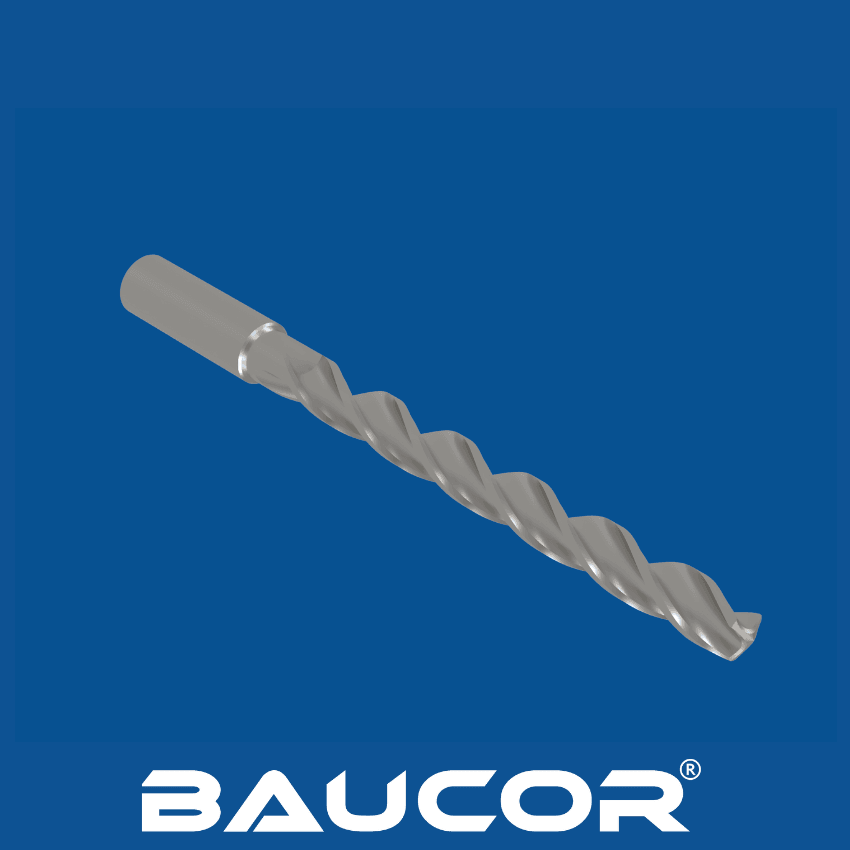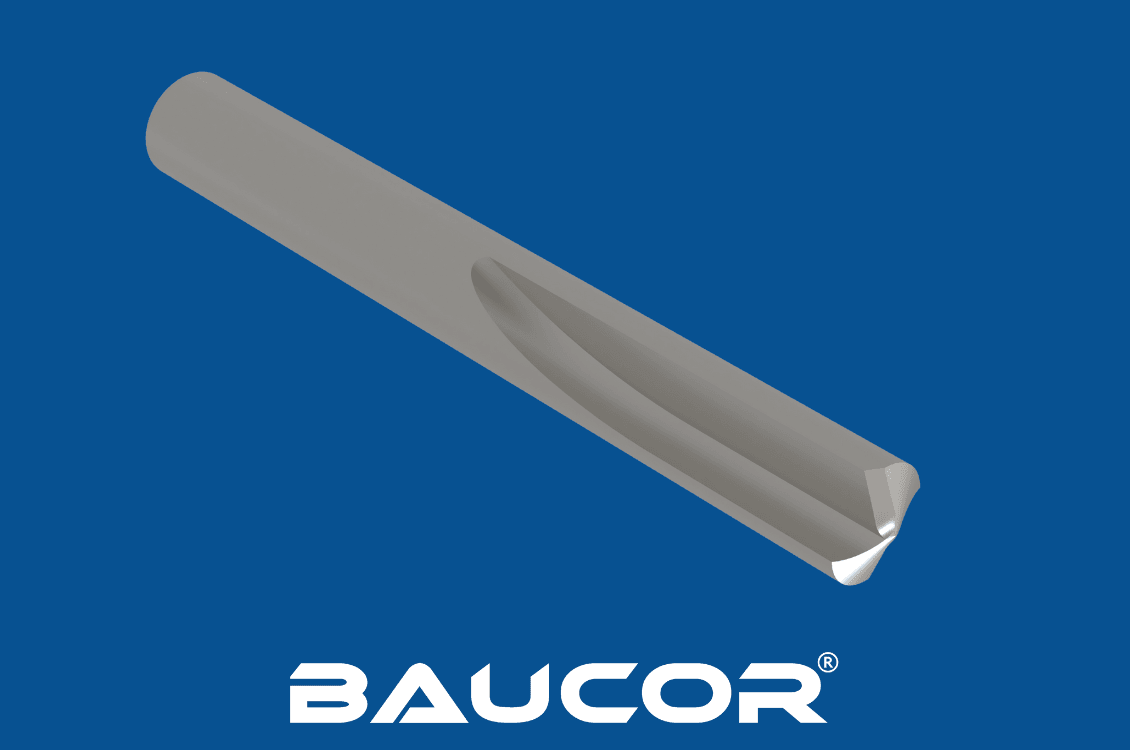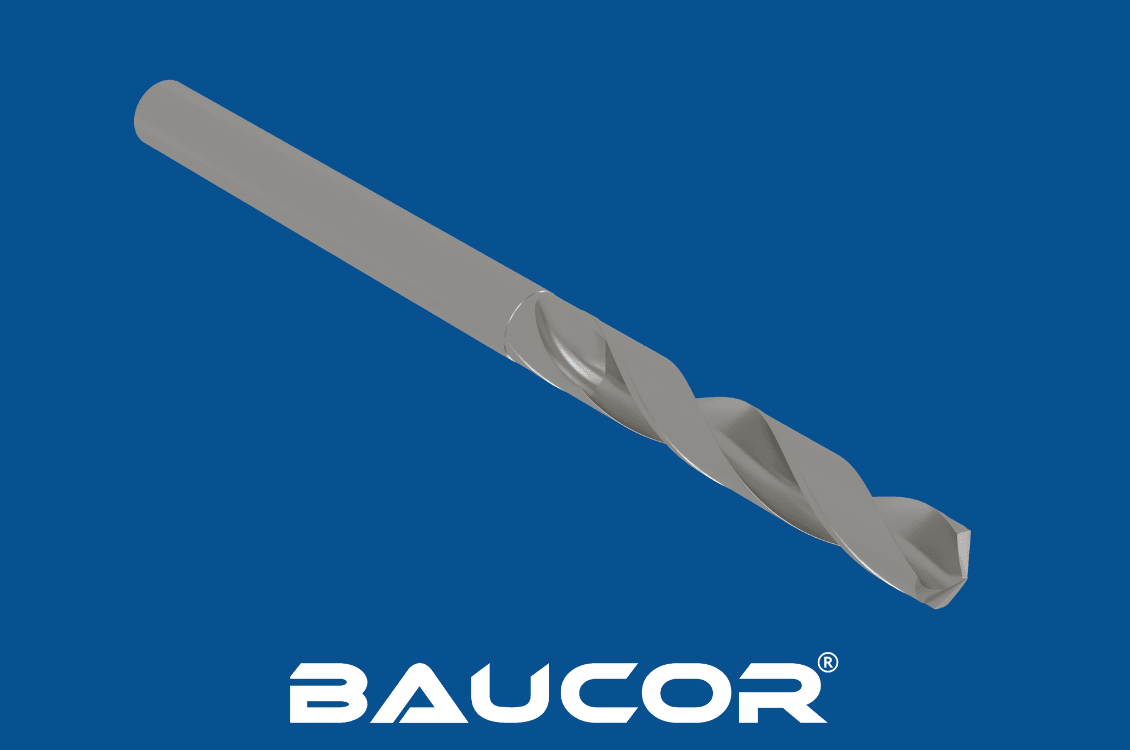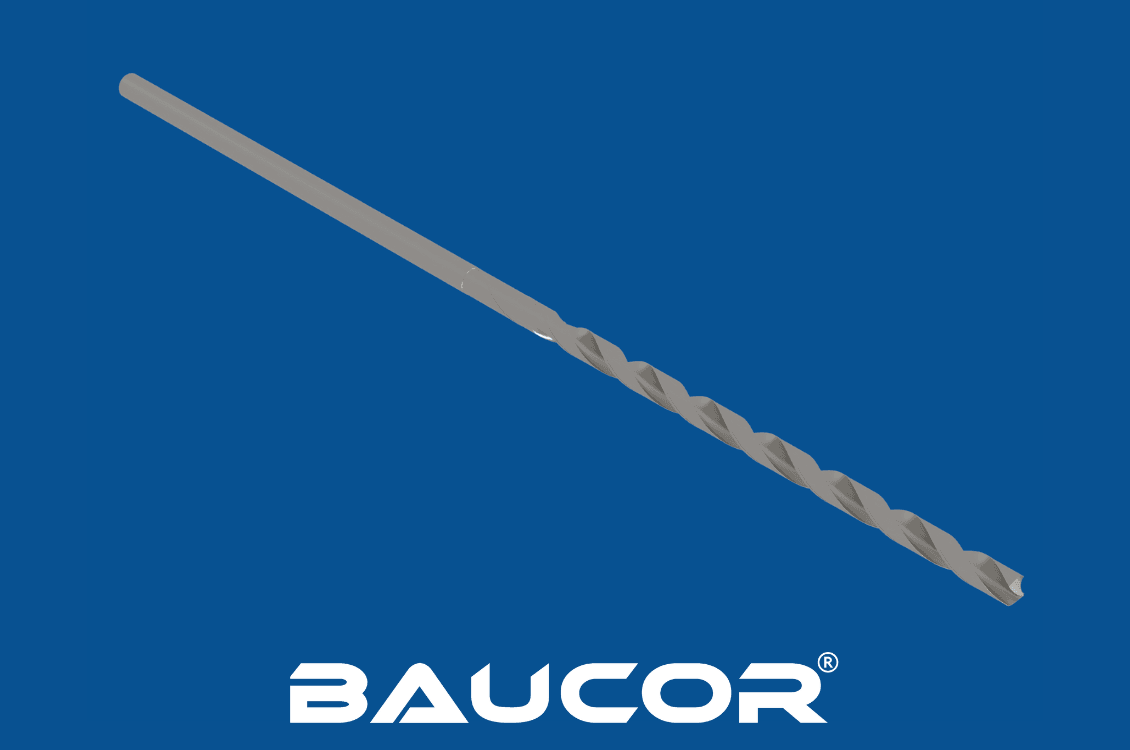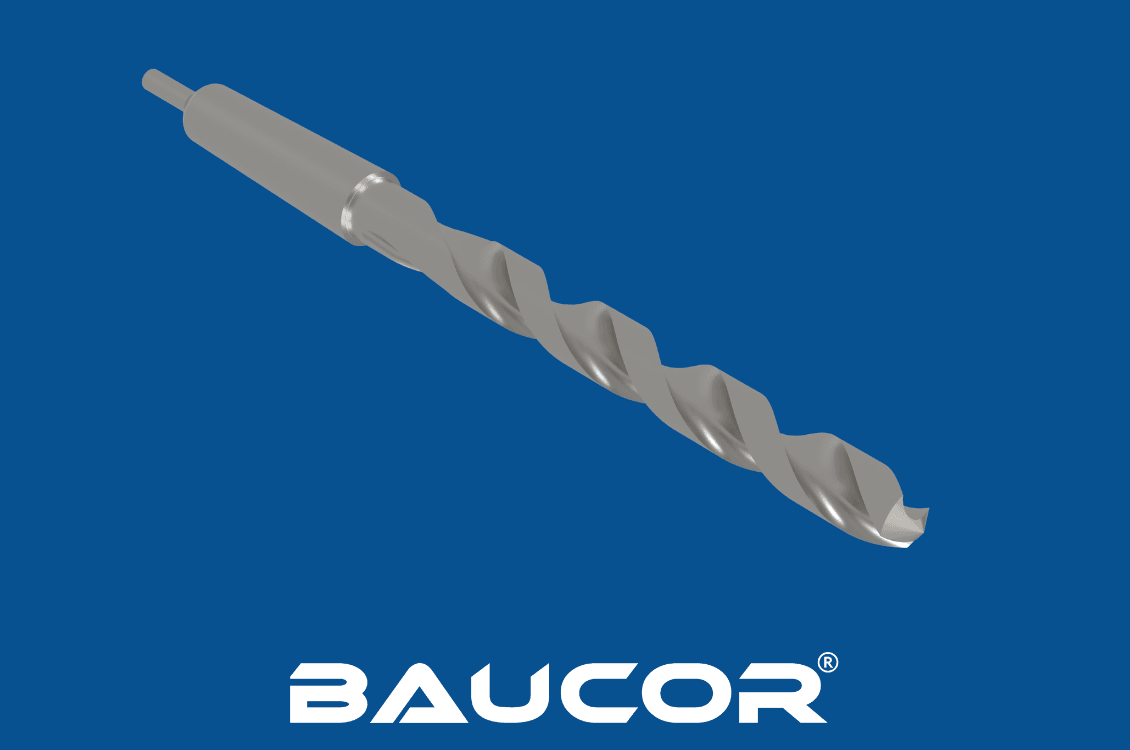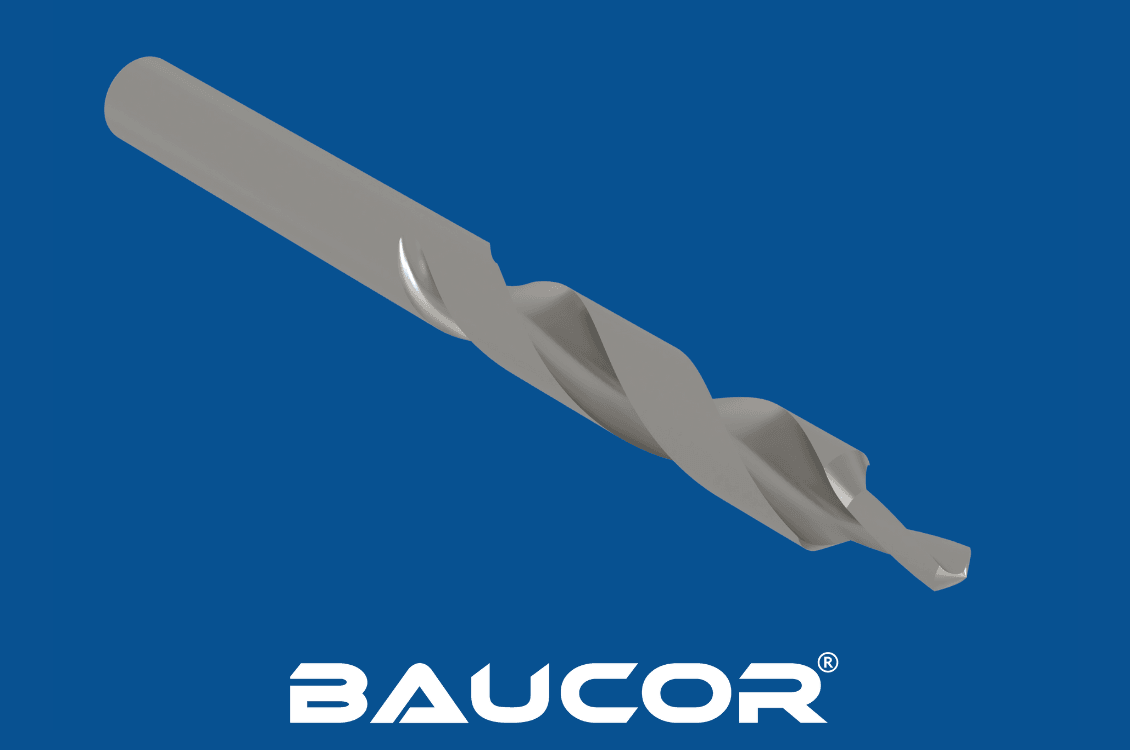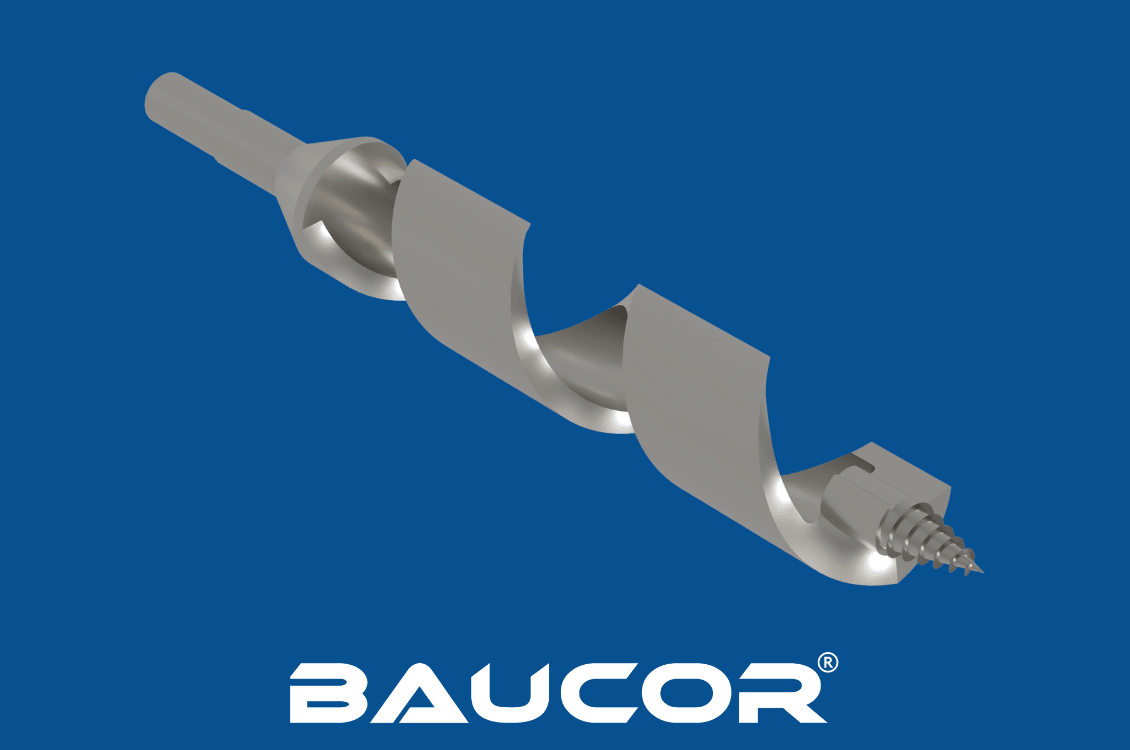


How Three Flute Drill Bits Work
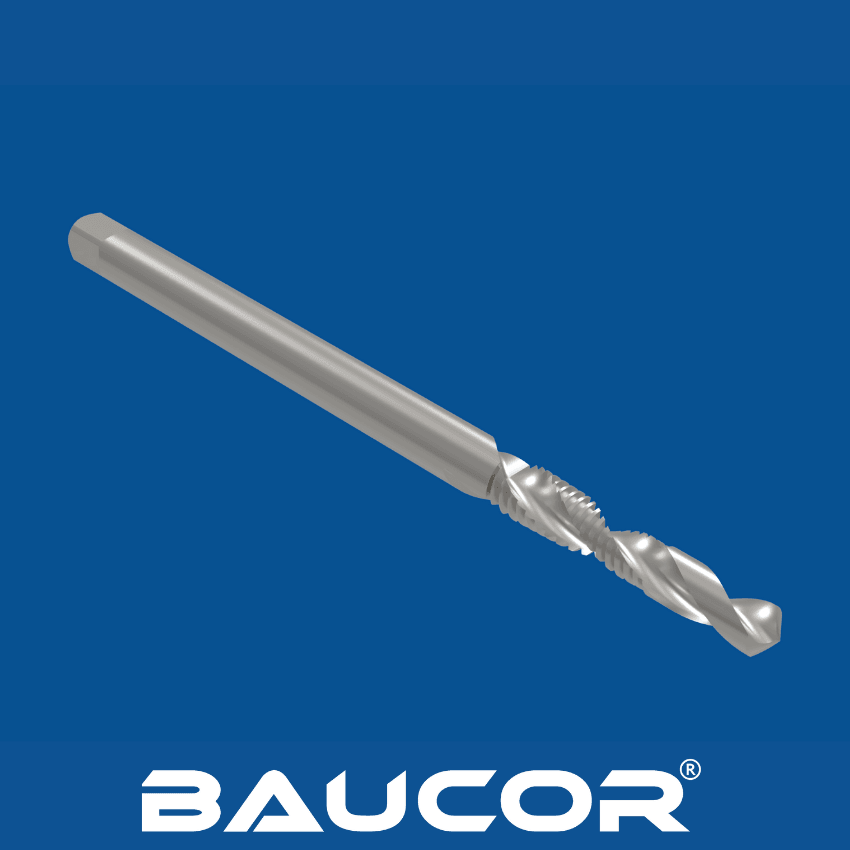
The basic principle of operation for three flute drill bits is the same as any twist drill:
- Rotation: The drill bit is secured in a compatible chuck or spindle and rotates at high speed.
- Cutting Action: Cutting edges at the drill bit's tip remove material as the drill bit penetrates the workpiece, creating a hole.
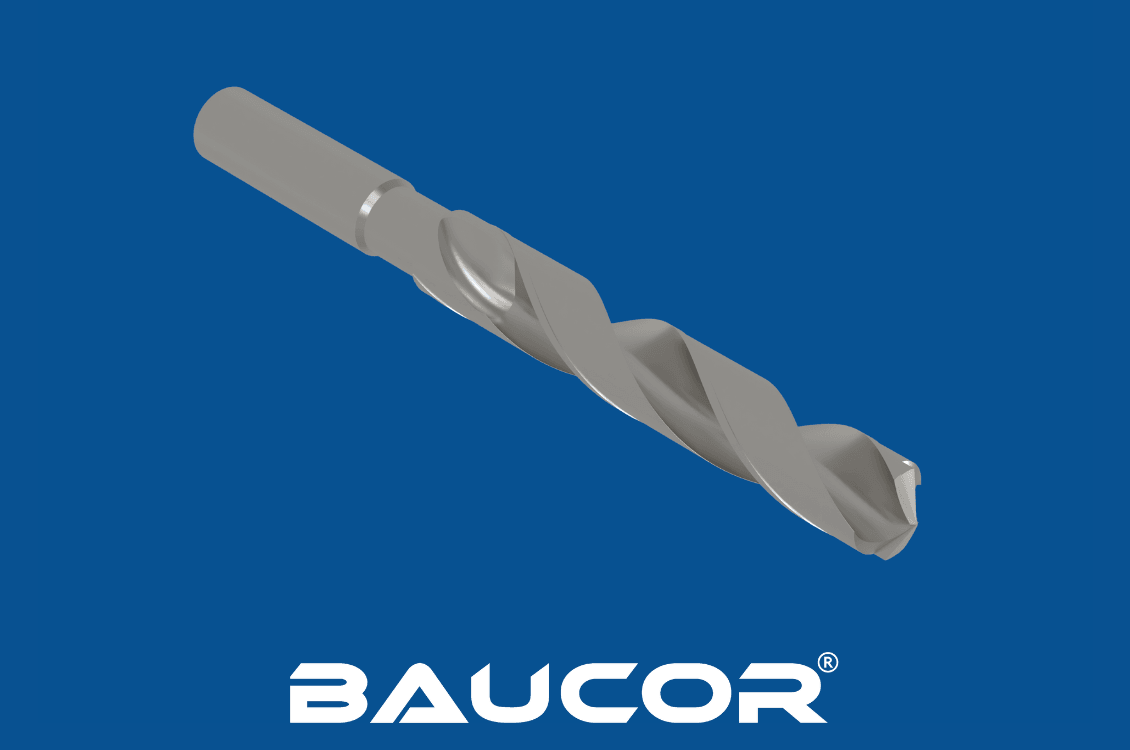
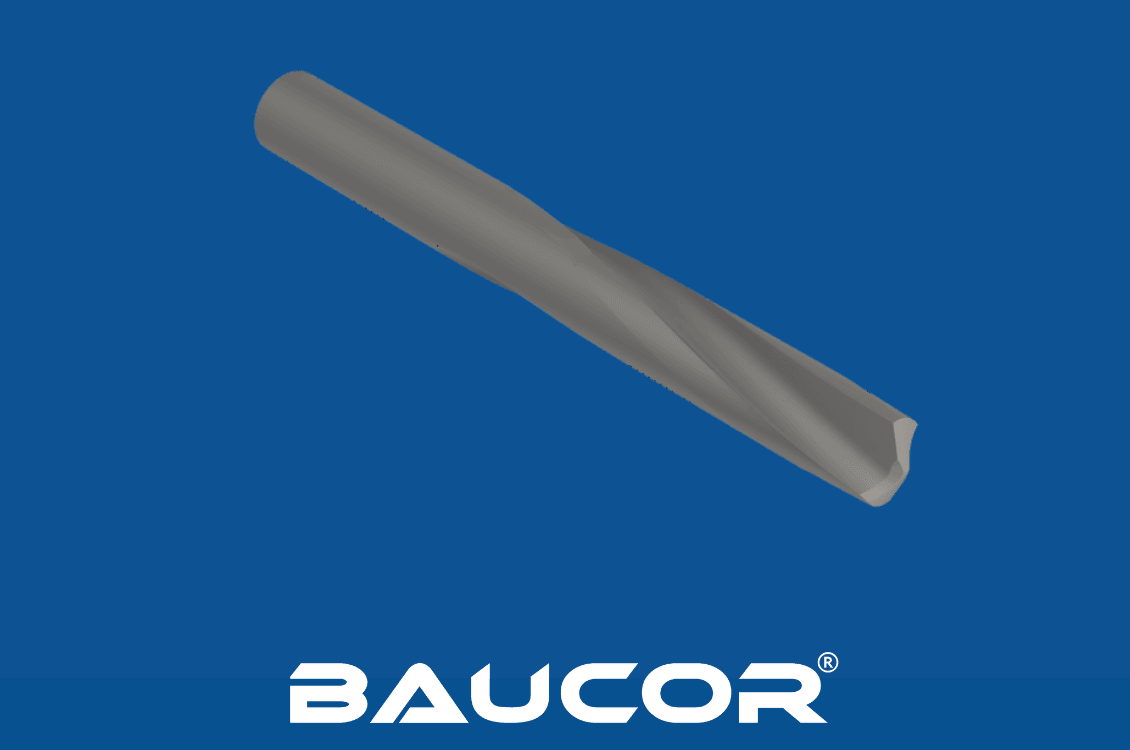
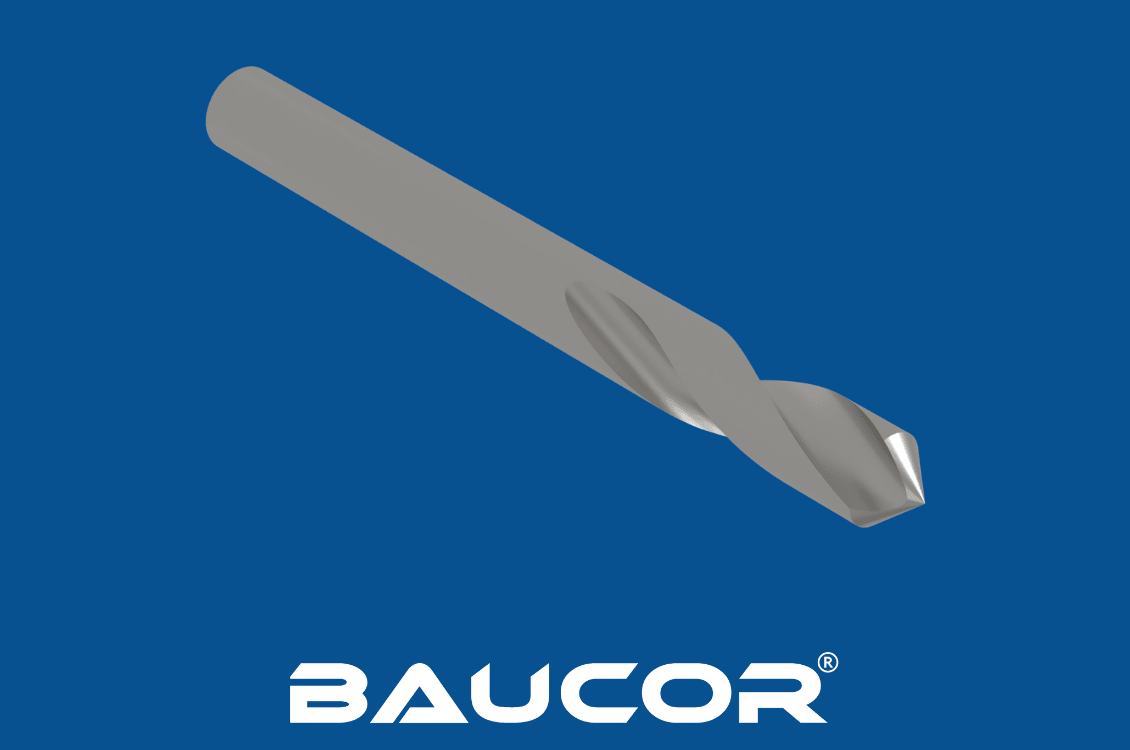
- Chip Evacuation: Flutes (spiral grooves) on the drill bit guide chips produced during drilling away from the cutting area and out of the drilled hole.
Why Choose a Three Flute Drill Bit?
Three flute drill bits offer specific advantages in certain scenarios:
- Enhanced Chip Removal: The third flute can improve chip evacuation, particularly in softer materials where clogging can be an issue.
- Faster Drilling: In some applications, three flute drill bits can allow for faster feed rates (drilling speed), increasing productivity.
- Improved Hole Finish: The additional flute can sometimes contribute to a smoother hole finish.
Considerations:
- Rigidity vs. Chip Evacuation: Three flute designs sometimes make a trade-off between absolute rigidity and chip evacuation efficiency compared to two-flute drills.
- Material Matters: Three flute drill bits are more common in softer materials like aluminum, plastics, and some woods, where chip evacuation is a higher priority.