 English
 Deutsch
 Español
 Français
 Italiano
 Nederlands
 Dansk
Dansk Svenska
 Norsk
Norsk Czech
Czech Polski
 Português
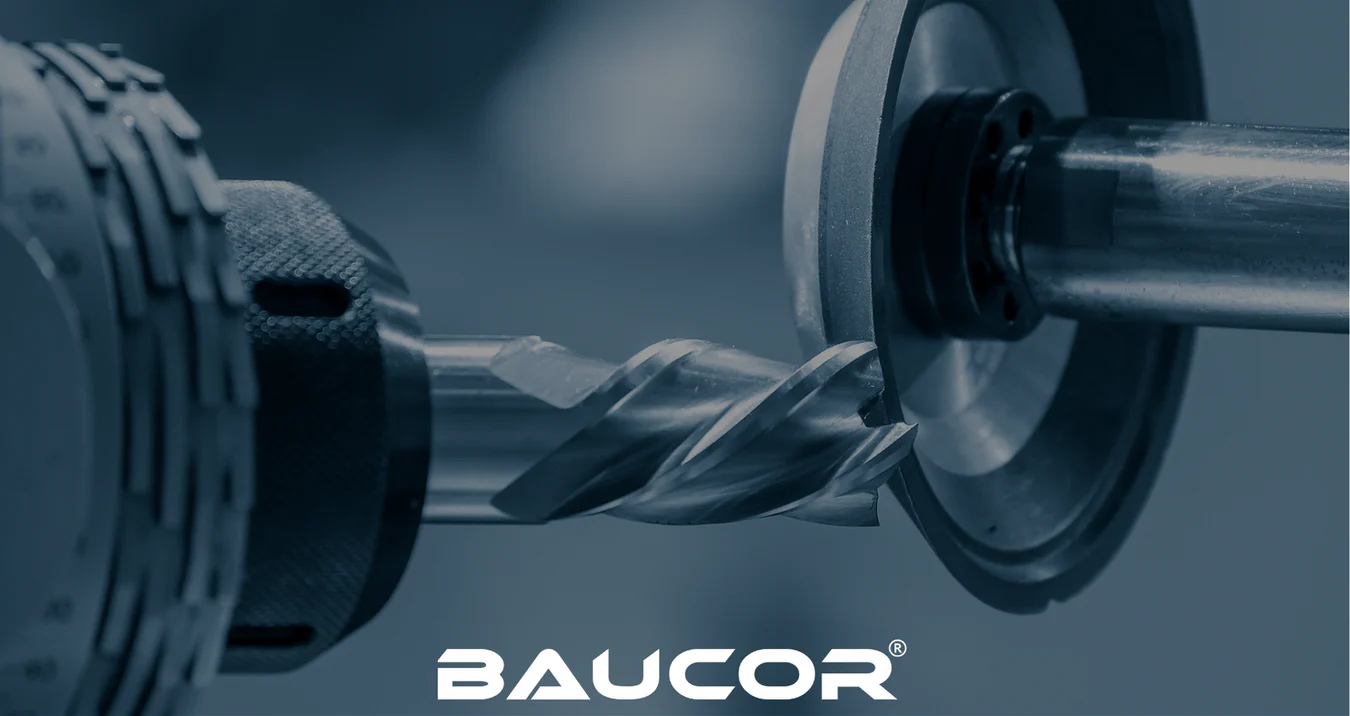
PRECISION GRINDING TECHNOLOGY
From prototyping to high volume production, BAUCOR® provides highest quality technical expertise and capabilities in manufacturing your cutting tools.
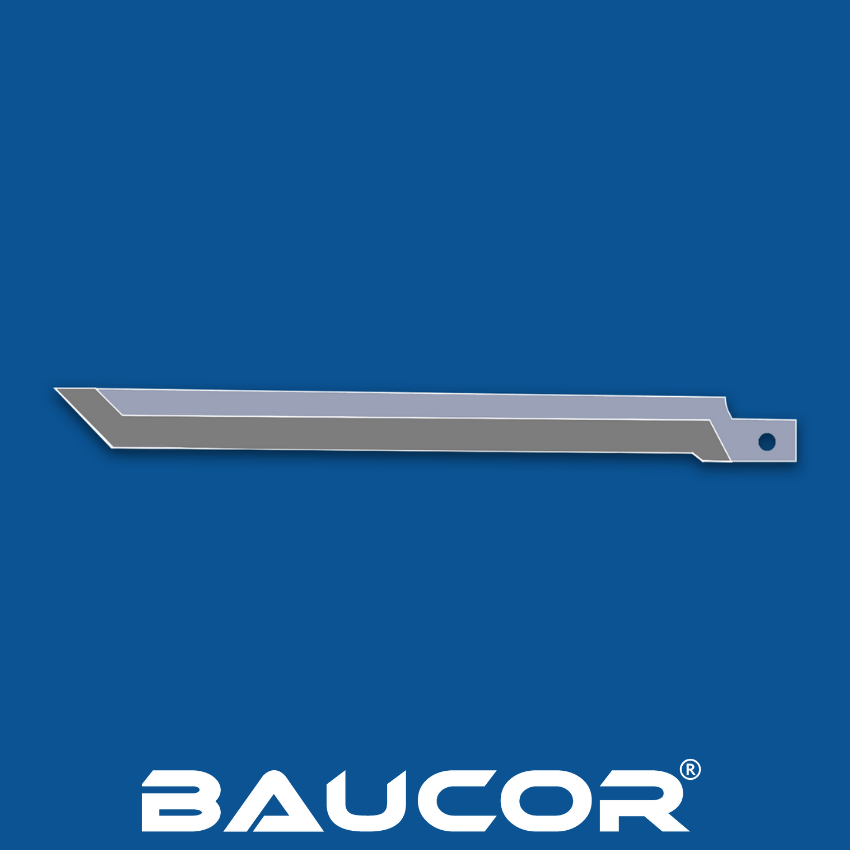
Textile blades are thin, sharp blades that are used in the production of textiles. They are used for cutting and trimming fabric, yarn, and other materials used in the textile industry.
Textile blades come in a variety of sizes and shapes. The most common type of textile cutting blade is the rotary cutter, which consists of a circular blade that rotates on a shaft. Other textile blades include straight blades, shearing blades, and scoring blades. They are designed to make precise cuts with minimal fraying or unraveling of the cut material. They are made from various materials, including stainless steel, high-speed steel, and tungsten carbide.
As a leading manufacturer of textile knives and non-woven cutting blades, Baucor has become one of the most demanded textile knife suppliers and manufacturers. Baucor manufactures precision quality custom and standard size textile knives and non-woven cutting blades from high grade ground hardened tool steels and tungsten carbide grades. Some of the textile conversion applications that our textile knives and non-woven cutting blades are manufactured for include cutting, slitting, perforating, guillotine cutting, rewinding, sheeting, and cut off. Our machine knives and industrial blades for textile converting are in straight, circular,pointed tip, toothed, serrated, scalloped, perforated and blades by shapes. Some of the materials that we use for textile knives and non-woven cutting blades include ground hardened tool steels such as D2 and M2 and C10, C30-C40 Carbide grades.

Baucor, as a trademark of Norck, proudly operates under ISO 9001:2015 certification.
Key aspects include:
This certification reflects Baucor’s ongoing commitment to quality and performance.
Click here to view our ISO certification.
From prototyping to high volume production, BAUCOR® provides highest quality technical expertise and capabilities in manufacturing your cutting tools.

BAUCOR® is highly specialized in manufacturing custom industrial blades. If you need your knives manufactured to your exact requirements, please contact us now.
We are highly specialized in manufacturing custom industrial cutting blades and blades per sample and drawing. If you need your textile cutting knives and blades manufactured to your exact requirements, please contact us now get to a free quote. If you have a drawing, sketch or written specifications for the blade you need, please let us know.
Designed for accuracy and durability, Baucor's textile blades and non-woven knives provide exceptional performance across a wide range of material converting operations. Each textile cutting knife is manufactured using premium materials and advanced grinding technologies to achieve superior sharpness and wear resistance. Our precision industrial cutting blades help manufacturers maintain consistent product quality while optimizing production efficiency and operational reliability.

Small or large, BAUCOR® manufactures all types and shapes of precision circular blades in nearly all materials available in the market.

Whether it is 5mm or 2500mm long, BAUCOR® has the right capacity and advanced capabilities to manufacture precision industrial blades.

Did you know that BAUCOR® has manufactured tens of thousands of precision punch blades? Get your quote today!

Manufacturing custom industrial blades is no easy task that anyone can handle. That's why BAUCOR® is here to help!
There are many advantages of using textile blades:



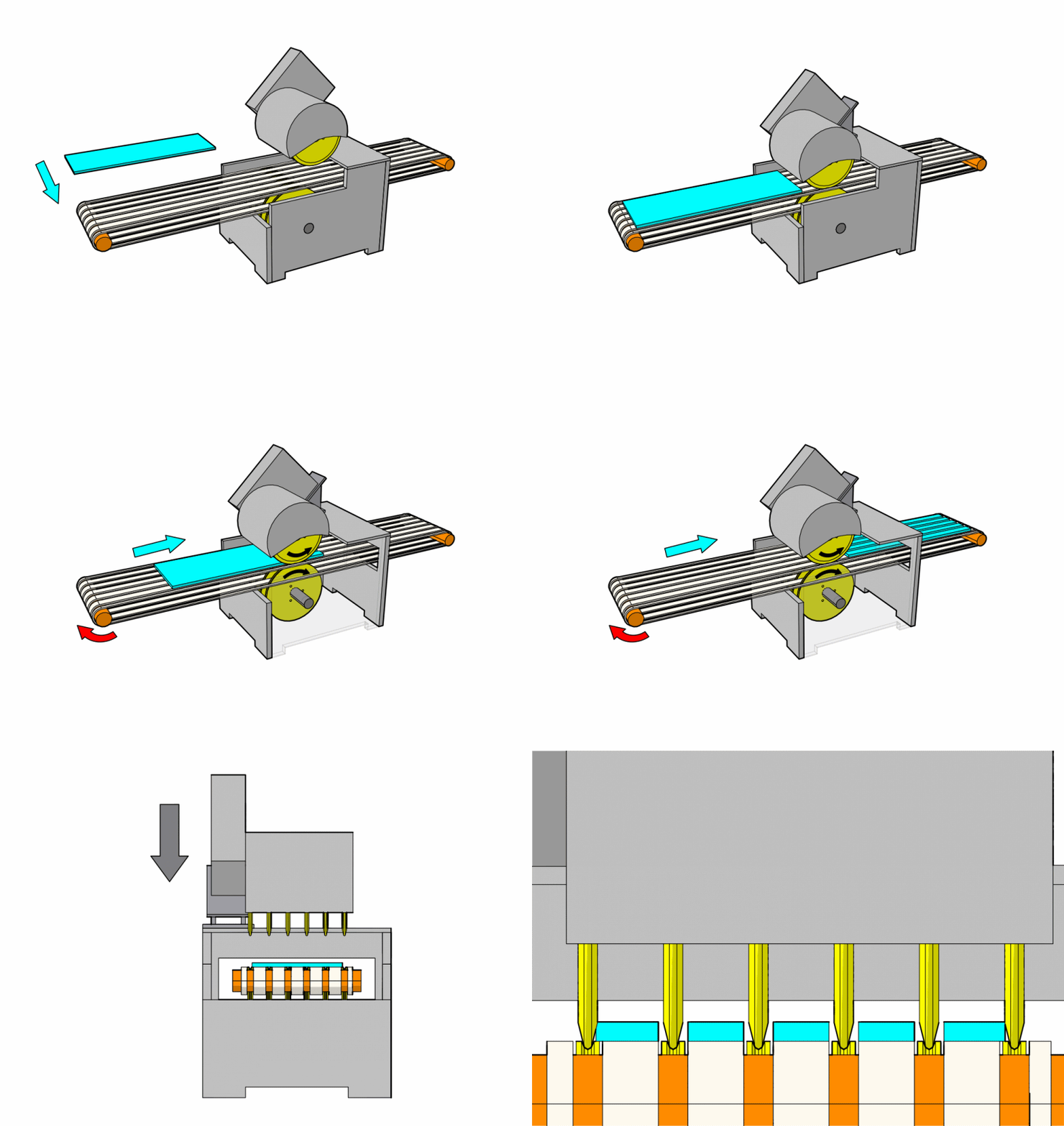

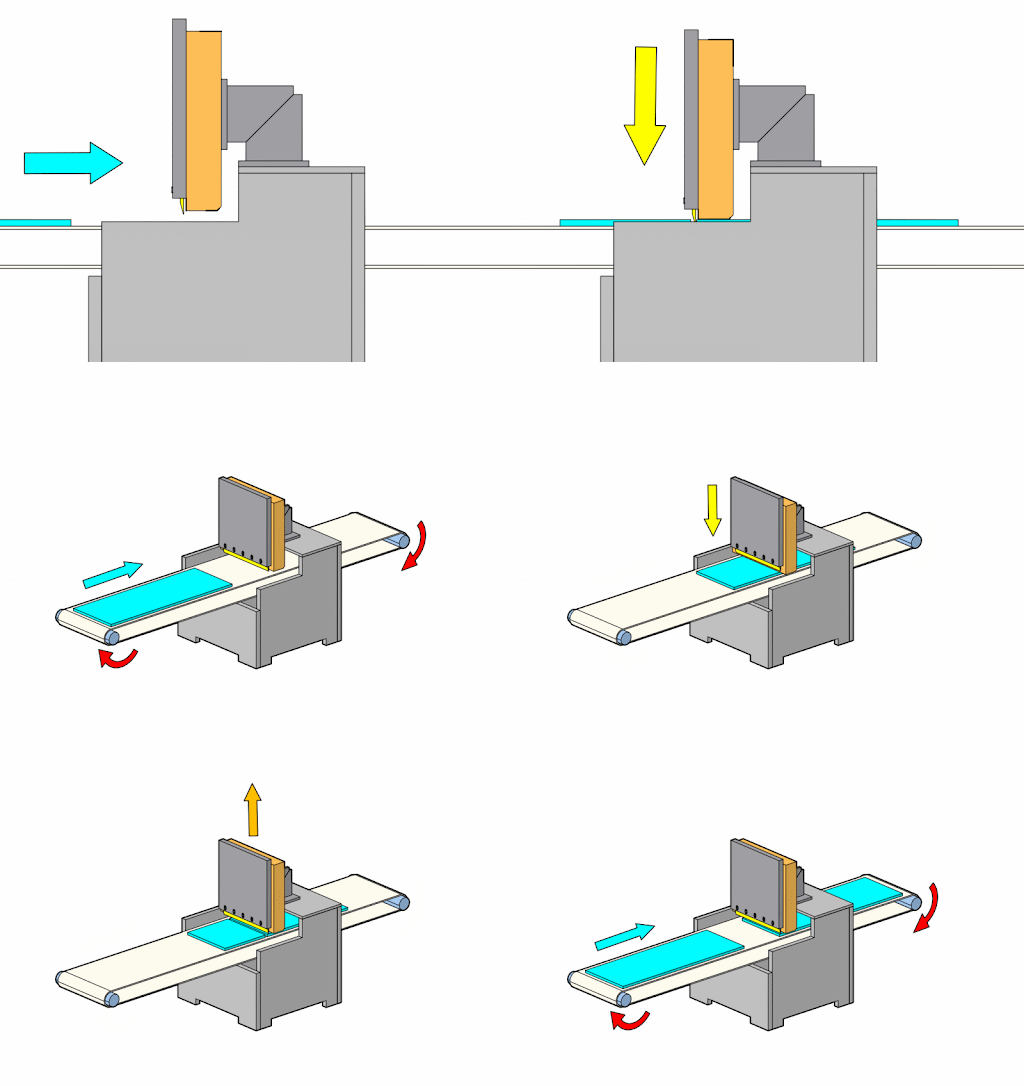

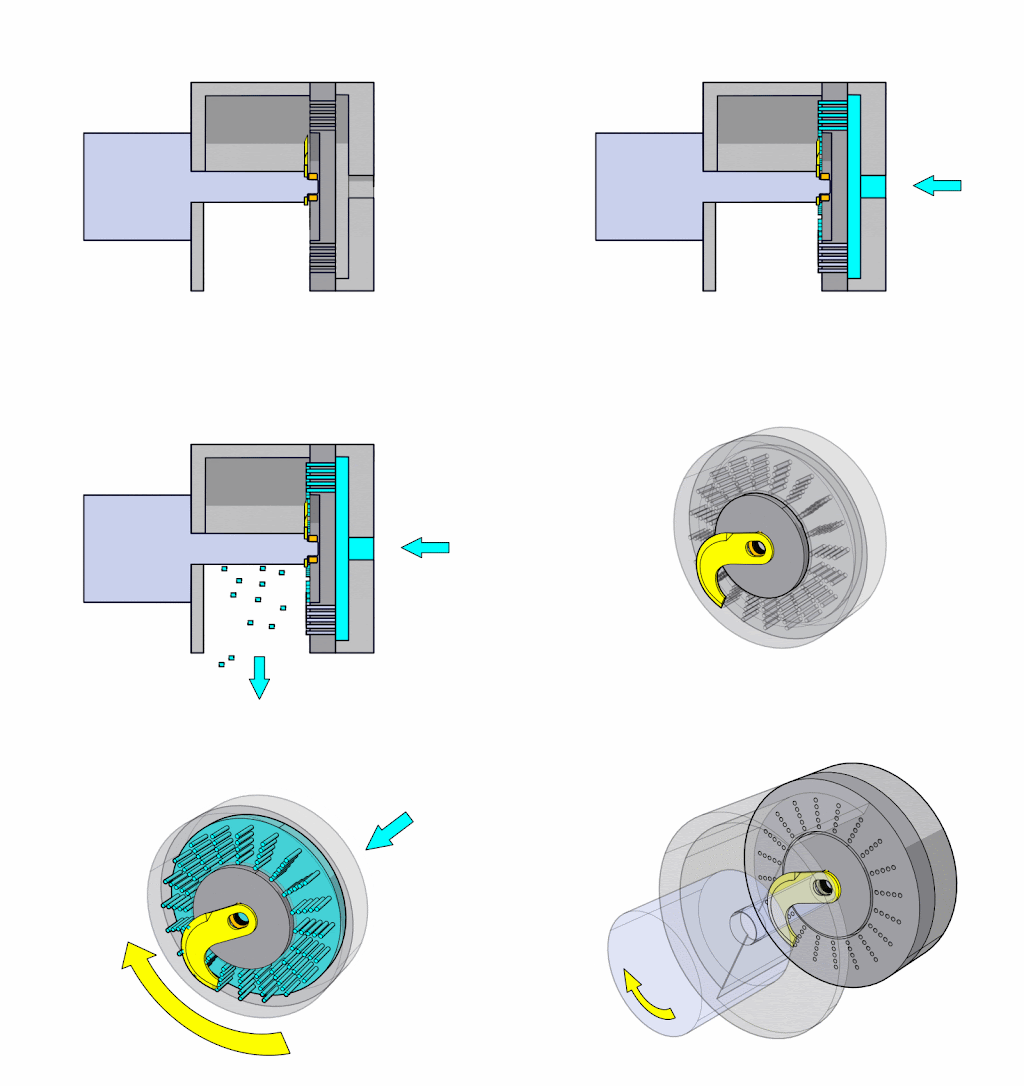
Textile Blades are precision-engineered, OEM-grade industrial cutting tools designed for high-speed cutting, slitting, trimming, and converting of textiles, non-woven materials, and technical fabrics in automated manufacturing systems. They are widely used in apparel production, hygiene product manufacturing, automotive textiles, filtration media, and technical fabric processing industries. These blades deliver clean cutting edges, reduce fiber fraying, improve production consistency, and support continuous high-volume textile manufacturing with minimal downtime and maximum efficiency.
Selecting the right textile cutting blade depends on material structure, fabric density, machine type, production speed, and required cutting precision.
Key factors include blade material grade, hardness level, edge geometry, and coating technology. Properly engineered Textile Blades improve cutting accuracy, reduce material waste, enhance machine efficiency, and ensure stable performance in high-speed textile and non-woven production environments.
A textile cutting knife can process a wide range of materials including woven fabrics, non-woven textiles, synthetic fibers, technical fabrics, foam, felt, insulation materials, and composite materials.
Different Textile Blades are engineered for specific material characteristics to ensure smooth cutting, reduced fraying, high edge quality, and consistent performance across both lightweight and heavy-duty textile processing applications.
Yes. Textile Blades can be fully custom manufactured in different sizes, materials, hardness levels, coatings, and edge geometries to match specific machine and production requirements.
Custom-engineered industrial cutting blades are widely used in advanced textile manufacturing environments where precision, durability, and continuous high-speed operation are critical. OEM-grade Textile Blades improve production stability, reduce downtime, enhance cutting efficiency, and ensure long-term operational reliability.
To request a custom quote, provide blade dimensions, material type, fabric application, machine specifications, production volume, and cutting requirements.
Our engineering team evaluates your application and recommends the most efficient Textile Blades solution for your production process. Contact us to receive a fast-response quote, application-specific engineering consultation, and OEM blade manufacturing support designed to optimize cutting performance, reduce operational downtime, and improve overall textile production efficiency.
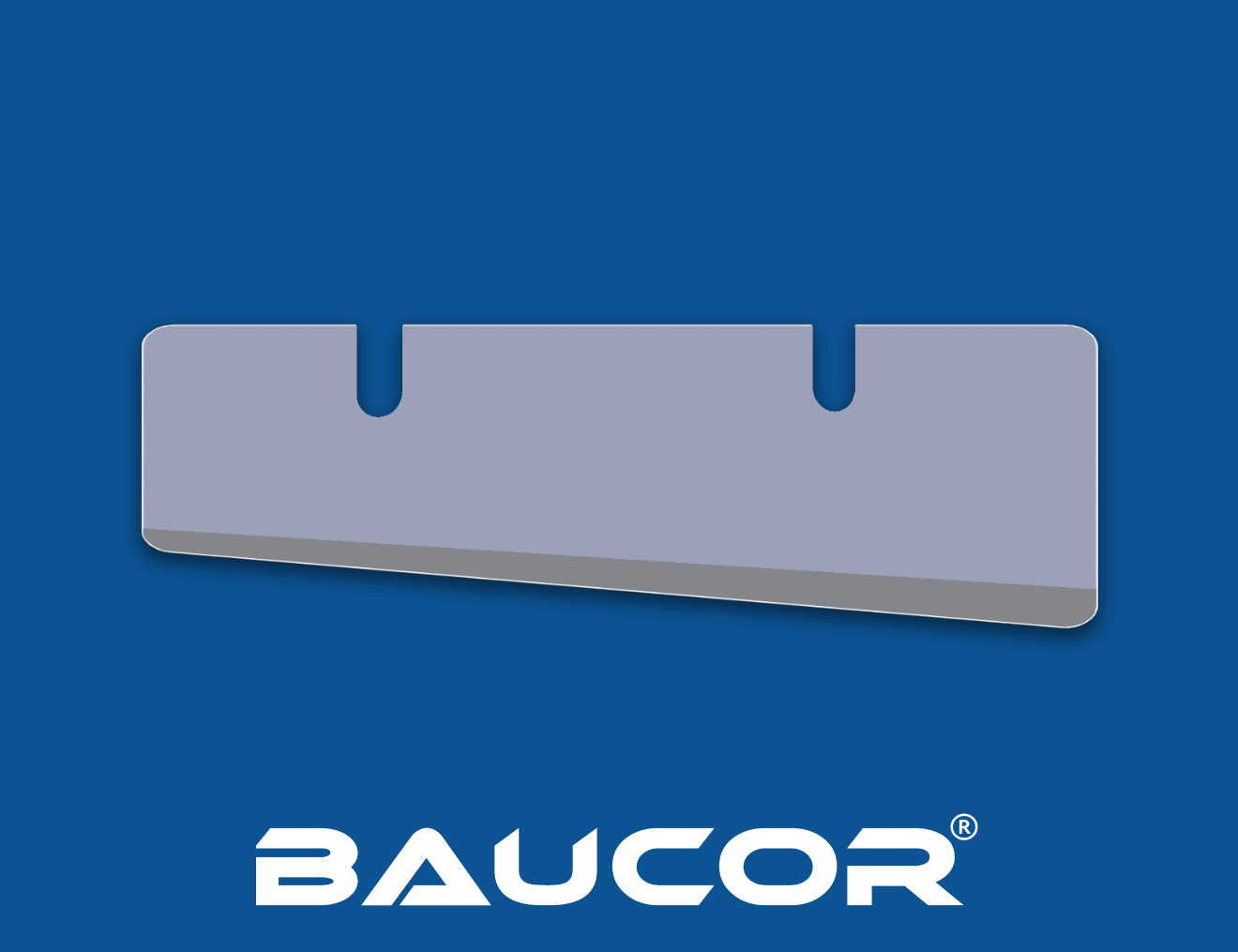
BAUCOR® manufactures razor and straight blades as small as 5mm and as large as 2500mm.

Punch blades must be made to exact specs. Turn to BAUCOR® just like thousands of customers around the world.

Whether you need circular slitter blades or flat slitter blades, BAUCOR® is here to turn your design into precision part.

BAUCOR® manufactures precision top quality toothed blades in all shapes and form.

Need to make a slit or cut through your material as precise as possible? BAUCOR® pointed blades are of highest quality in the market.

Top and bottom shear and slitter blades from BAUCOR®.

American or European style! BAUCOR® has the correct holder for you!

Designed for deep wood drilling with efficient chip removal and smooth cutting performance. Ideal for fast, clean, and accurate hole creation i...
View full details
Designed for precise centering and starter hole applications. Ensures accurate positioning for drilling and machining operations. Customize y...
View full details
Designed for creating flat-bottomed counterbore holes with high precision. Provides accurate recesses for fasteners and assembly applications. ...
View full details
Designed for smooth countersinking and chamfering applications. Ensures clean finishes and accurate fastener seating. Customize your own dr...
View full details
Designed for precision deep hole drilling with excellent stability and accuracy. Optimized for efficient chip evacuation and consistent perform...
View full details
Designed for enhanced hole accuracy and improved drilling stability. Double margin geometry reduces vibration and improves surface finish. ...
View full details
Designed for chamfering, deburring, and edge finishing operations. Provides smooth cuts and consistent chamfer quality. Customize your own ...
View full details
Designed for deep reach drilling and hard-to-access applications. Provides reliable performance and accurate hole creation in extended drilling...
View full details
Designed for clean, flat-bottomed holes in woodworking applications. Ensures smooth cutting performance and precise hole geometry. Customiz...
View full details
Designed for precise drilling in glass, ceramic, and tile materials. Provides clean holes while minimizing cracking and chipping. Customize...
View full details
Designed for high-precision deep hole drilling applications. Ensures superior straightness, accuracy, and chip evacuation performance. Cust...
View full details
Designed for versatile general-purpose drilling applications. Provides reliable cutting performance and precision across a wide range of materi...
View full details
Designed for precision large-hole drilling applications. Provides stability, accuracy, and efficient material removal performance. Customiz...
View full details
Designed for drilling into concrete, brick, stone, and masonry materials. Provides durability and reliable cutting performance in demanding app...
View full details
Designed for ultra-precision drilling in miniature and detailed applications. Ensures high accuracy and clean hole creation in delicate materia...
View full details
Designed for accurate positioning and reduced drill walking during operation. Provides clean entry points and precise hole alignment. Custo...
View full details
Designed for creating clean wooden plugs and precision woodworking applications. Ensures smooth cutting performance and accurate plug dimension...
View full details
Designed for large diameter drilling with standard chuck compatibility. Provides stable cutting performance and efficient material removal. ...
View full details
Designed for rigid, high-precision drilling in compact machining setups. Shorter length improves stability and reduces tool deflection. Cus...
View full details
Designed for fast and efficient drilling in wood and soft materials. Provides clean holes and reliable cutting performance. Customize your ...
View full details
Designed for accurate spot drilling and hole positioning applications. Ensures precise drill alignment and improved machining accuracy. Cus...
View full details
Designed for clean and accurate wood drilling applications. Brad point geometry improves positioning accuracy and hole quality. Customize y...
View full details
Designed for drilling multiple hole sizes with a single tool. Provides smooth cutting performance and clean hole enlargement. Customize you...
View full details
Designed for stable drilling performance and precise hole creation. Straight flute geometry improves control in specialized drilling applicatio...
View full details