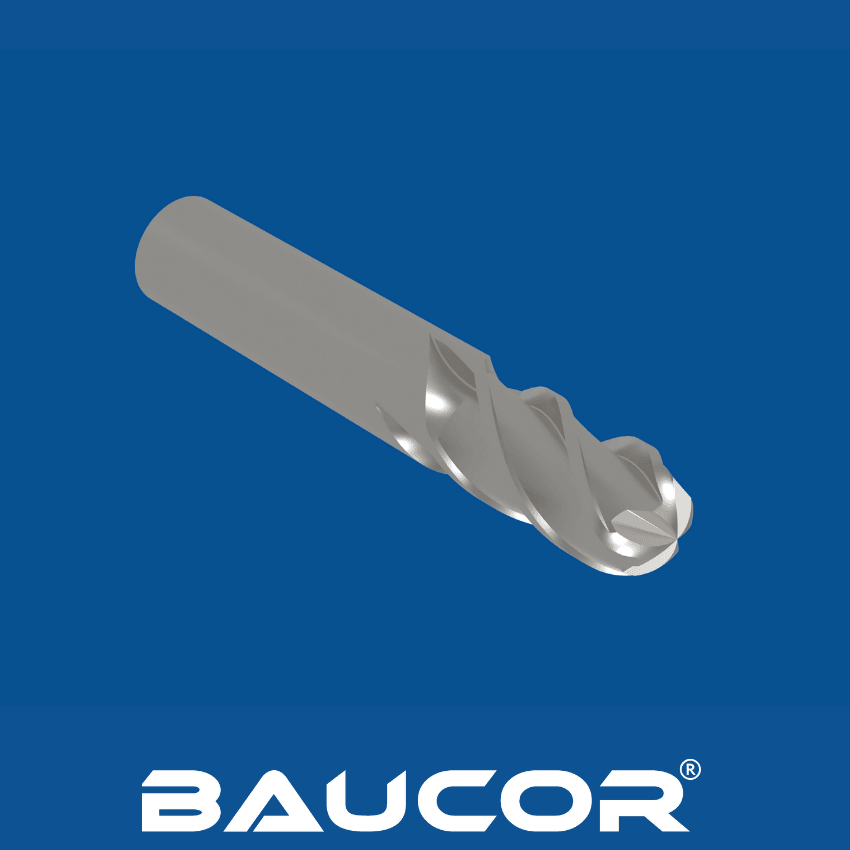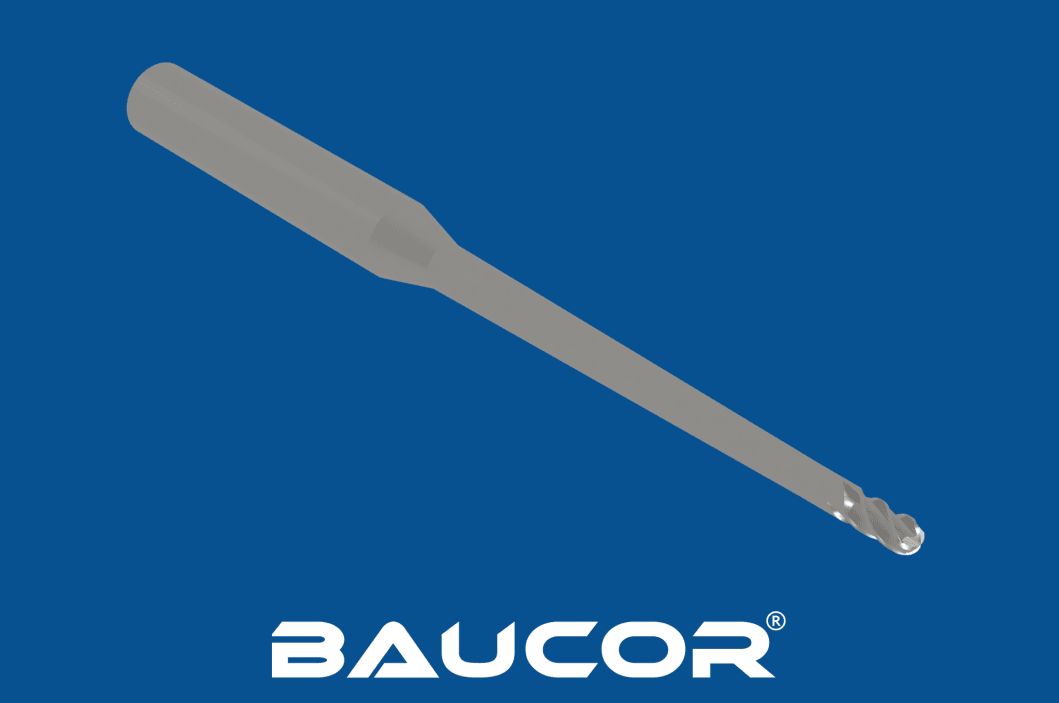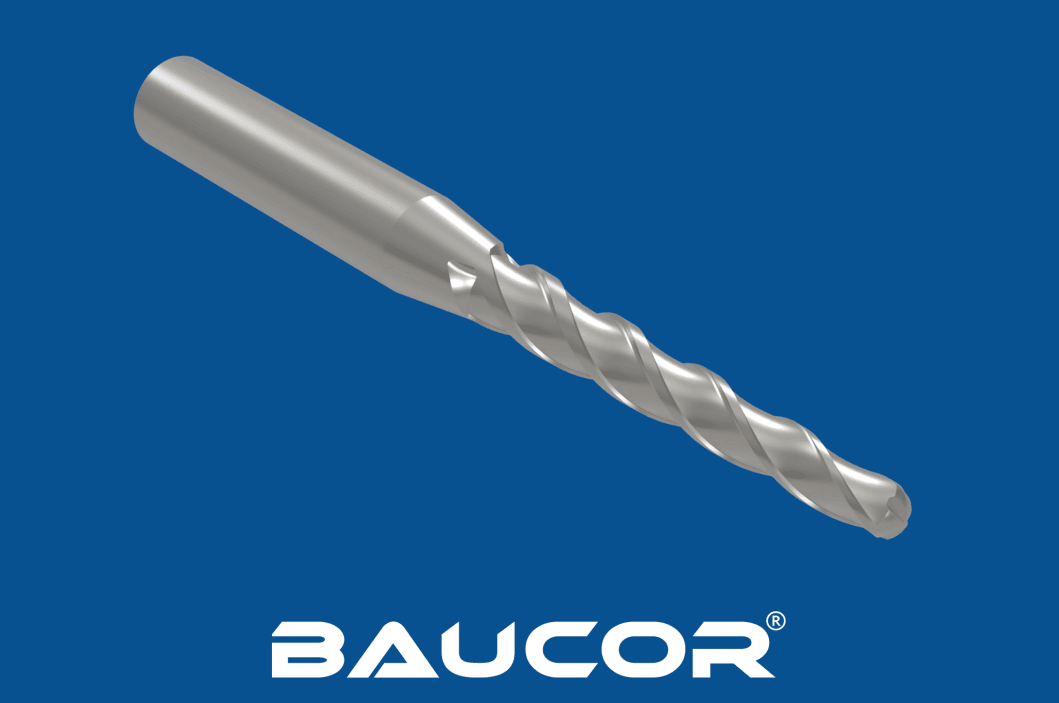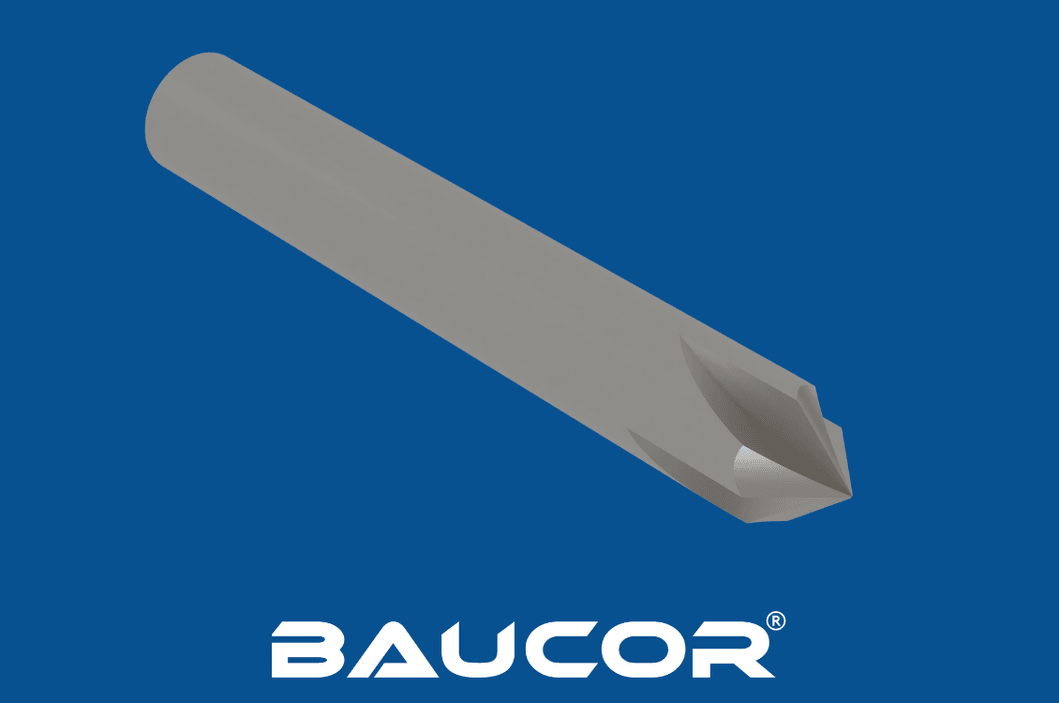


How are Ball Nose End Mills manufactured?
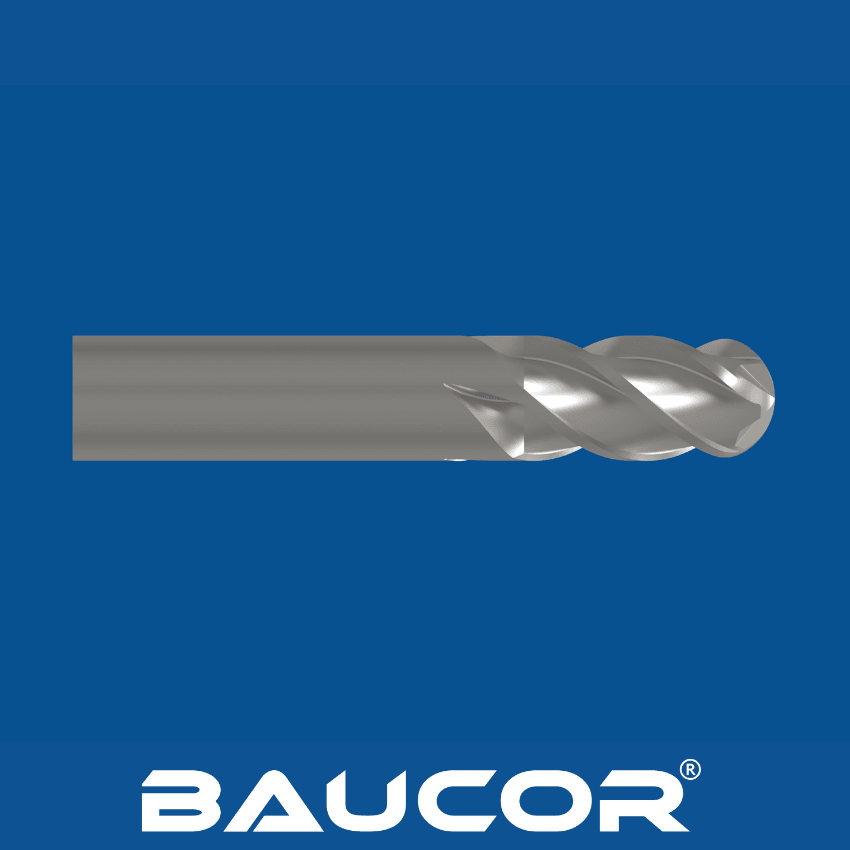
Ball nose end mills are typically made from high-performance materials like solid carbide, designed to withstand the heat and pressure of machining. The manufacturing process involves several key steps:
Raw Material Preparation:
- Starts with a solid rod of high-speed steel (HSS), cobalt-infused tungsten carbide, or other suitable materials.
- The rod is cut to the approximate size of the finished end mill.
Fluting:
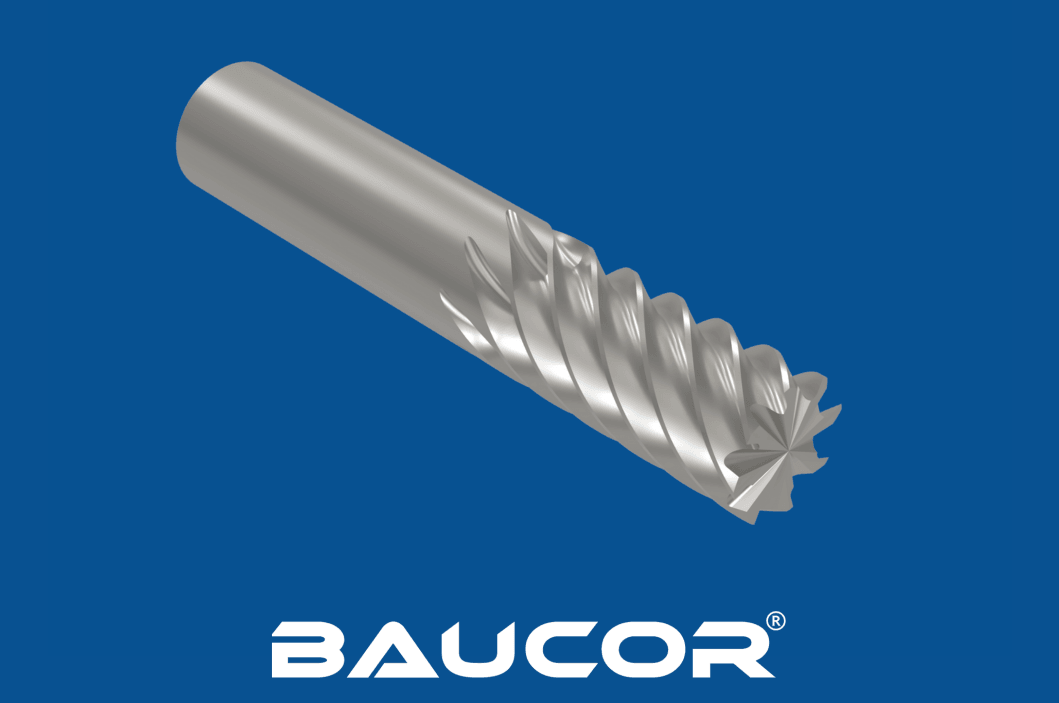
- Specialized grinding machines carve out the helical flutes on the body of the end mill.
- These flutes are crucial for chip removal and waste evacuation during cutting.
Ball Nose Shaping:
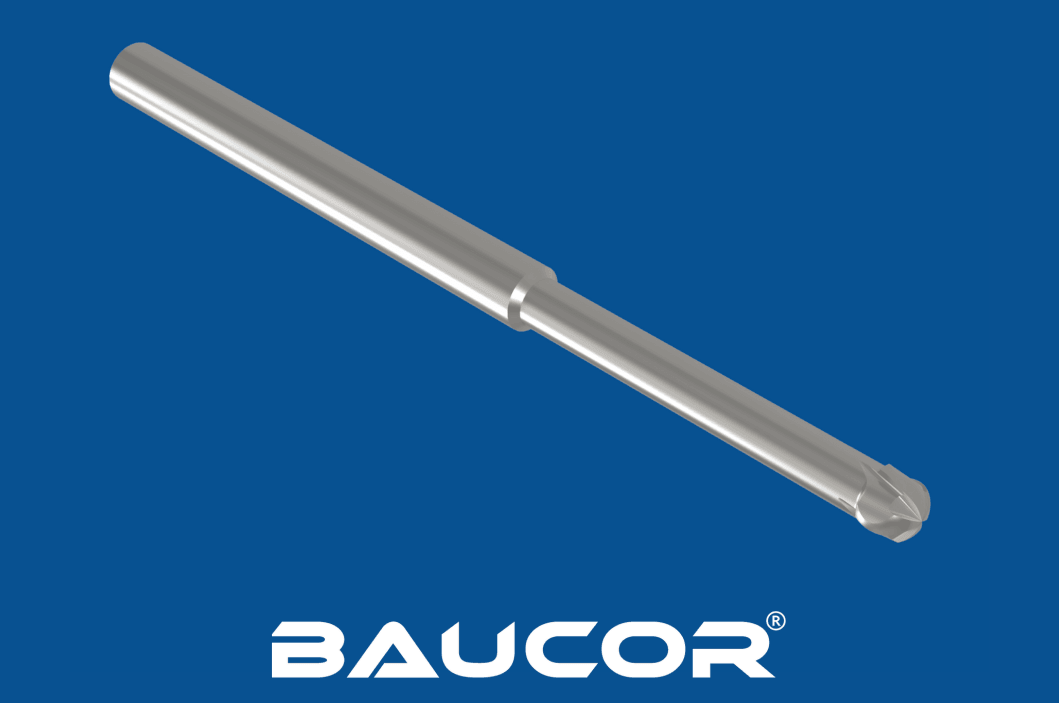
- Precision CNC grinding machines use diamond-coated grinding wheels to meticulously shape the iconic ball-shaped tip.
- This step requires extreme accuracy to ensure the correct radius and smooth surface finish.
Relief Grinding:
- Creates clearance behind the cutting edges of the end mill, preventing friction and heat buildup.
Coating (Optional):
- Many ball nose end mills receive a performance-enhancing coating (e.g., TiN, TiAlN). This coating increases wear resistance and extends tool life.
Quality Inspection:
- Strict quality control checks ensure the dimensions, tolerances, and surface finish meet industry standards.
Key Factors in Ball Nose End Mill Manufacturing
- Material Selection: The type of material (carbide, HSS, etc.) impacts strength, wear resistance, and suitability for different machining applications.
- Precision Grinding: Precision is critical for a smooth and accurately sized ball nose shape.
- Quality Control: Ensures consistency and optimal tool performance.