

How are Chipbreaker End Mill manufactured?
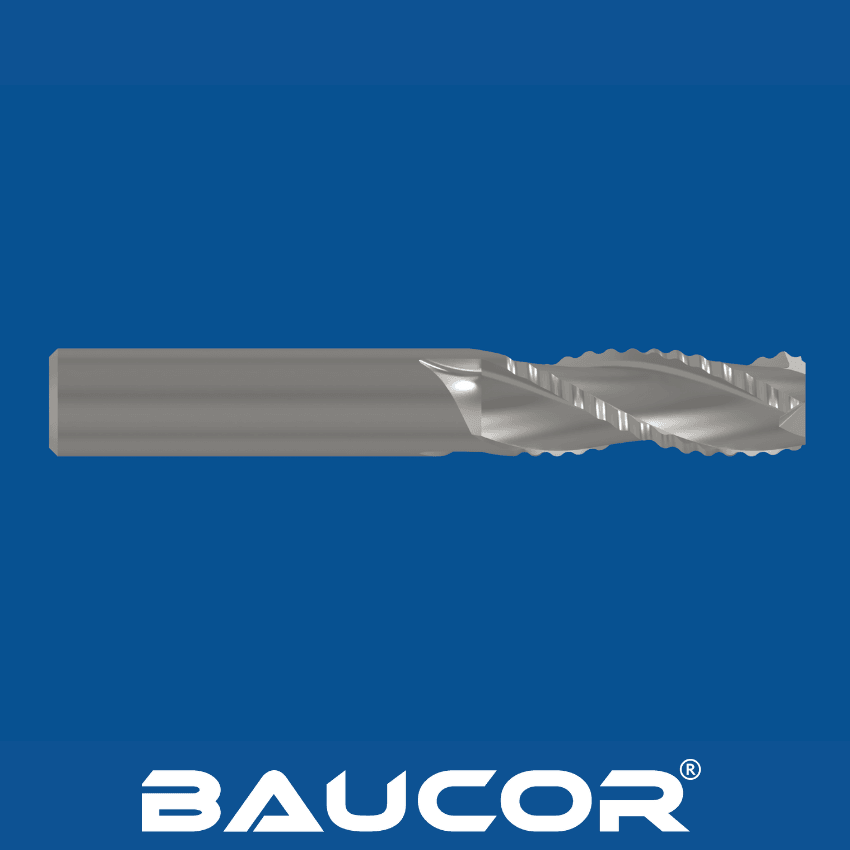
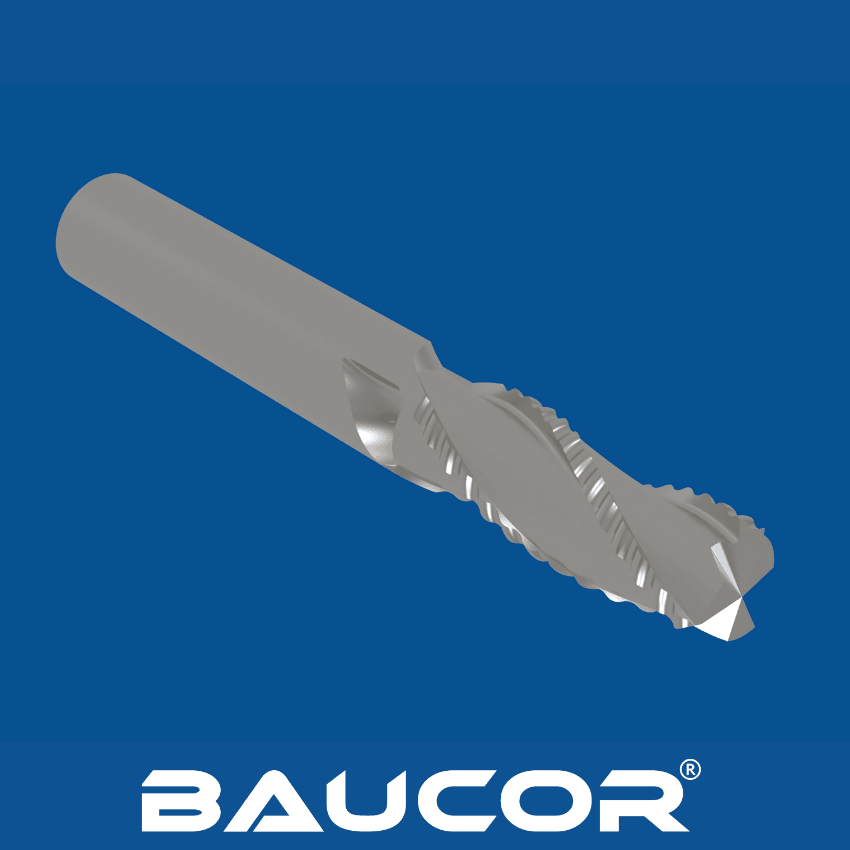
Chipbreaker end mills typically start as standard end mills and undergo additional processes to create the chip-breaking features:
- Blank Preparation: The raw material (carbide or HSS) is cut and roughly shaped into a cylindrical form.
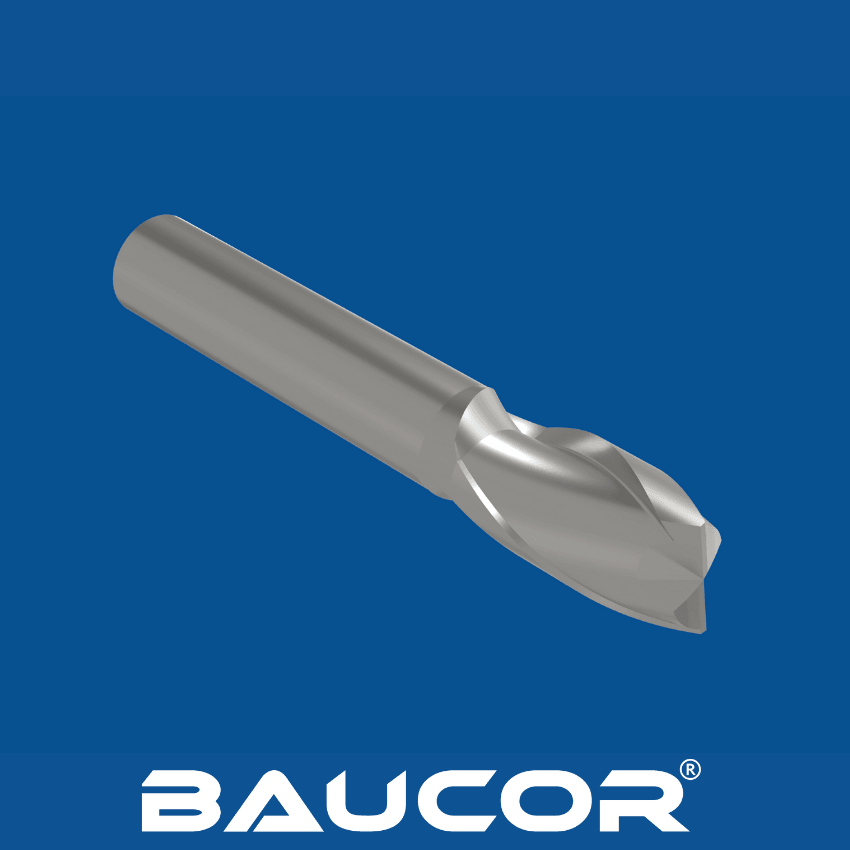
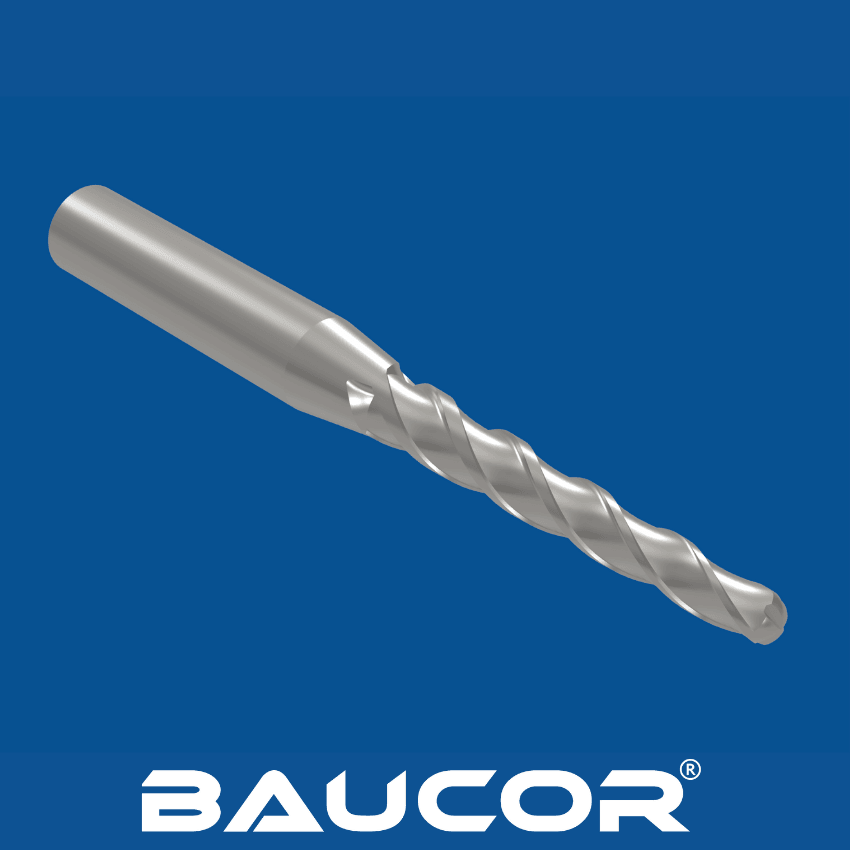
- Flute and Geometry Grinding: The flutes, cutting edges, and overall geometry of the end mill are ground using specialized CNC grinding machines.
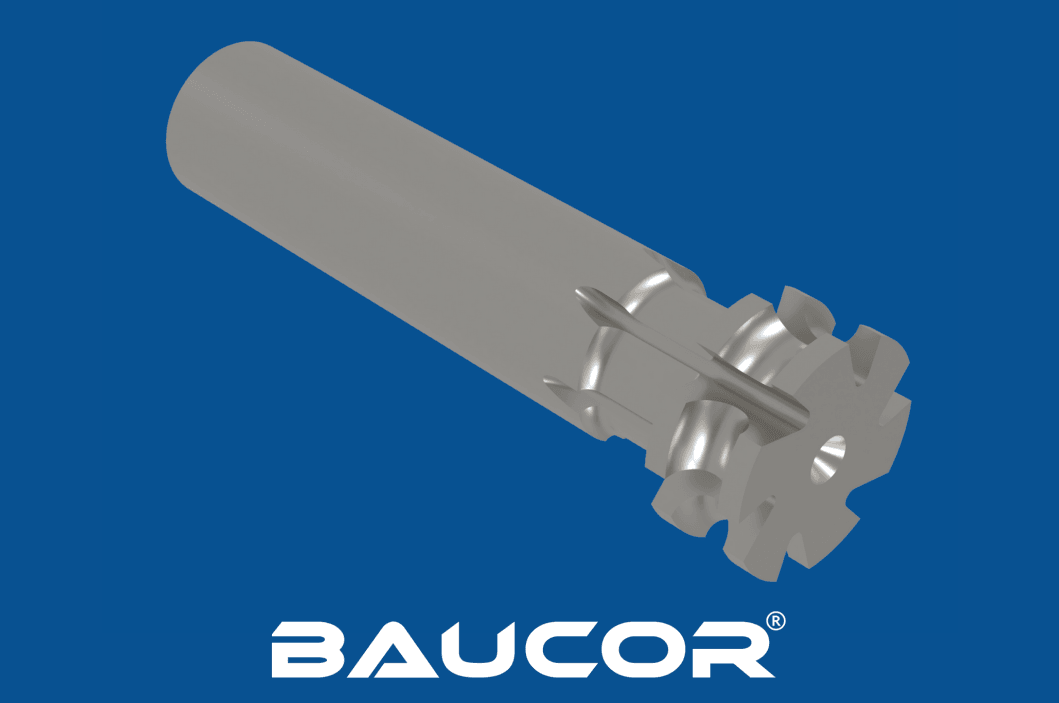
- Chipbreaker Formation: Precision grinding wheels are used to create the notches, grooves, or other chip-breaking geometries along the cutting edges. This step requires high accuracy to ensure consistent chip control.
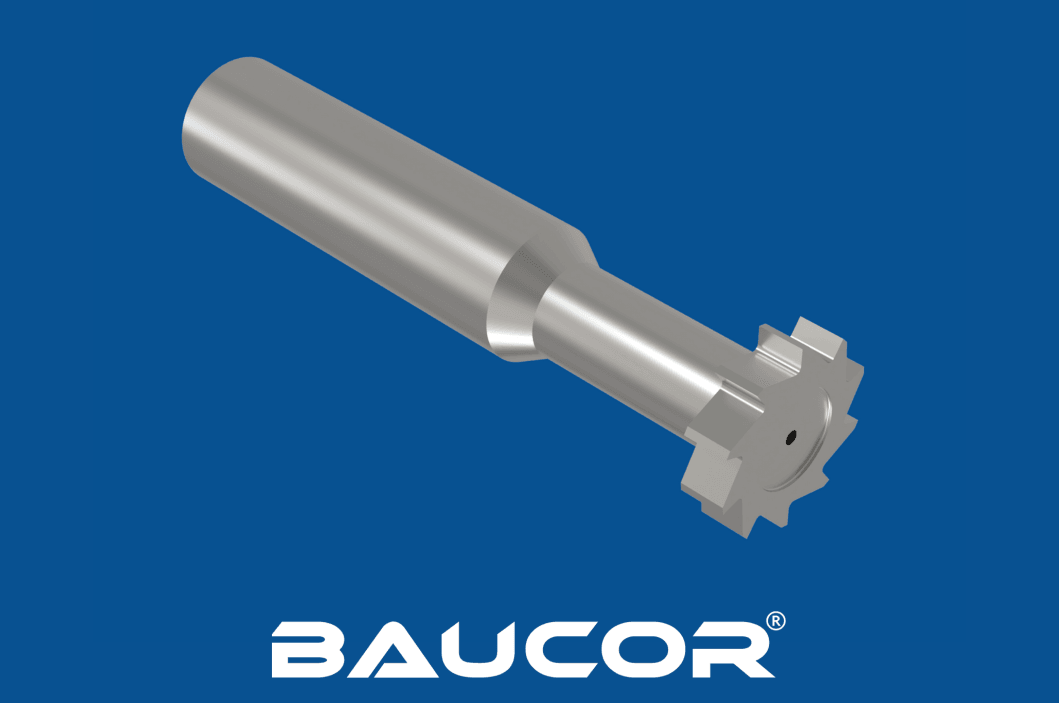
- Shank Formation: The shank is machined to the required shape and size for fitting into tool holders.
- Coating (Optional): Coatings such as TiN or TiAlN may be applied to further improve wear resistance and tool life.
- Finishing and Inspection: The chipbreaker end mill undergoes finishing to achieve a smooth surface and ensure all dimensions, including the chipbreaker features, are within tight tolerances.