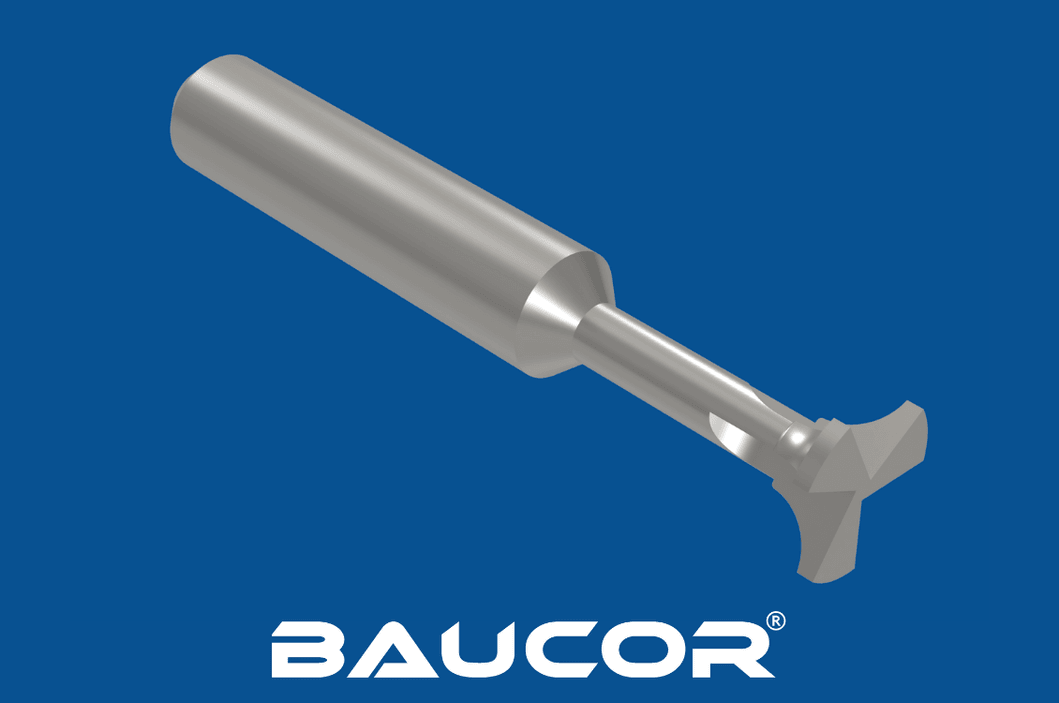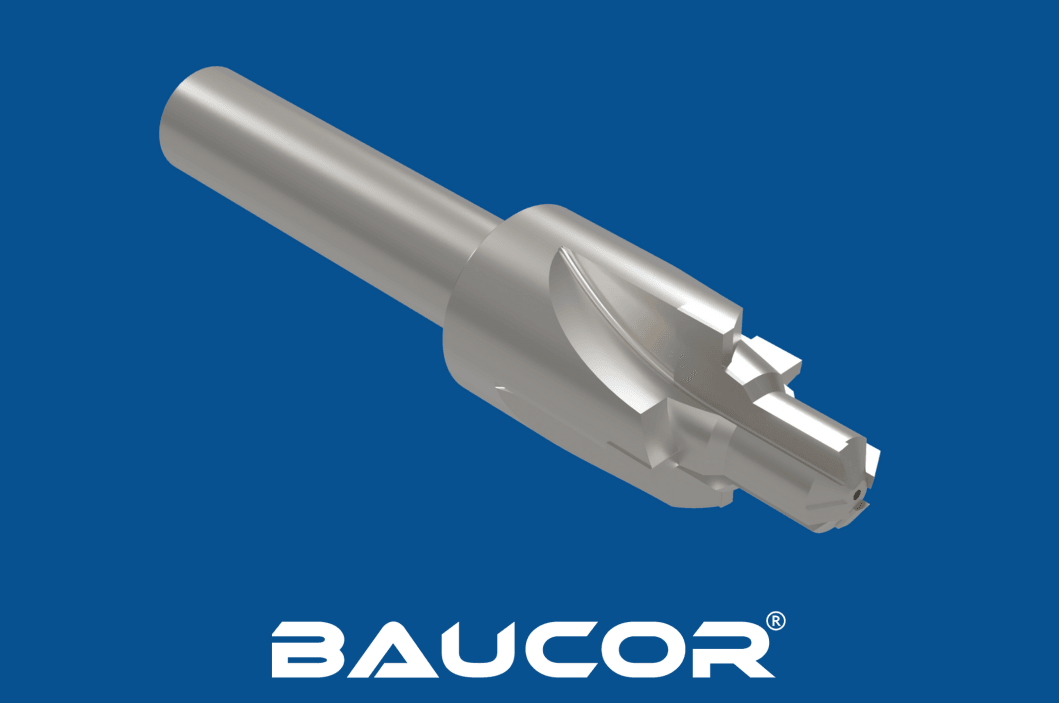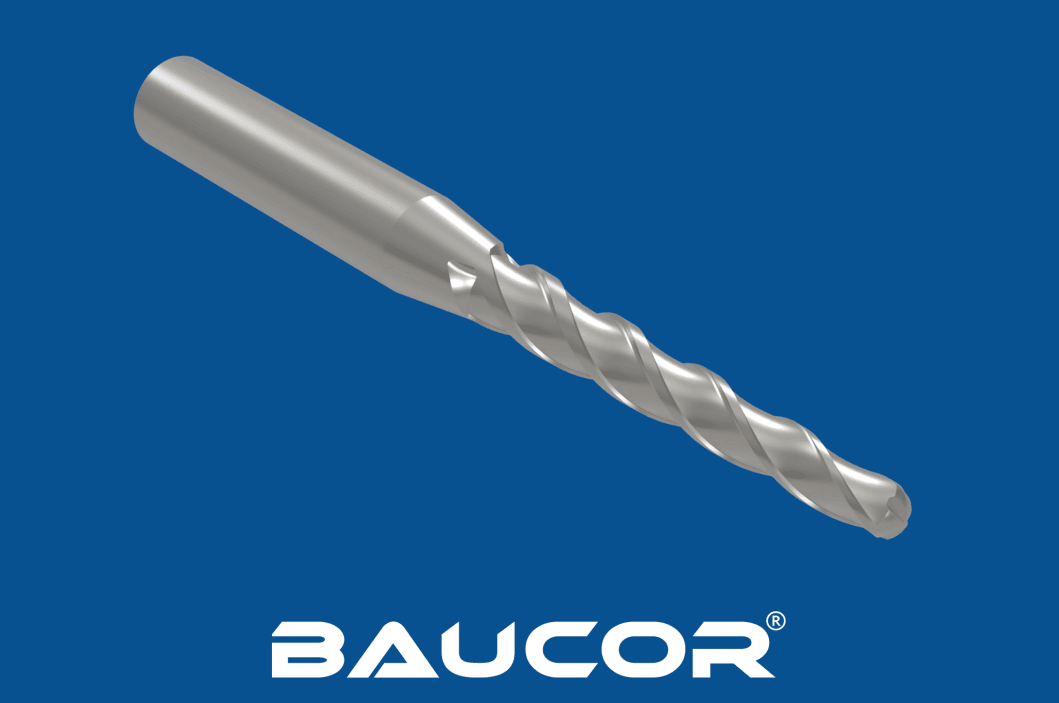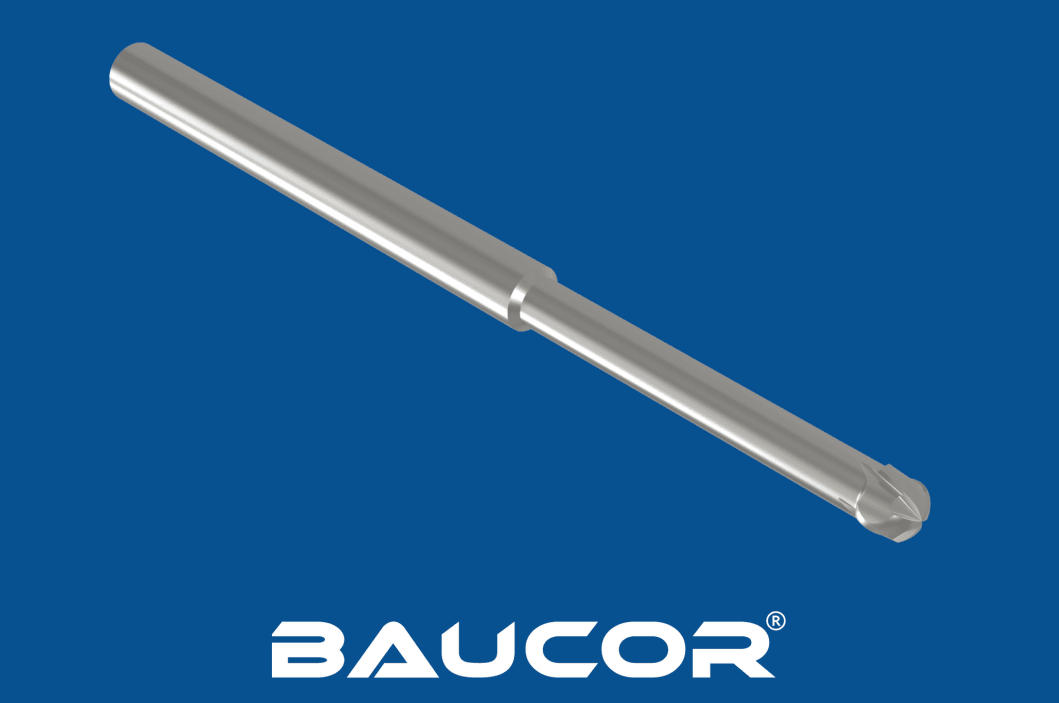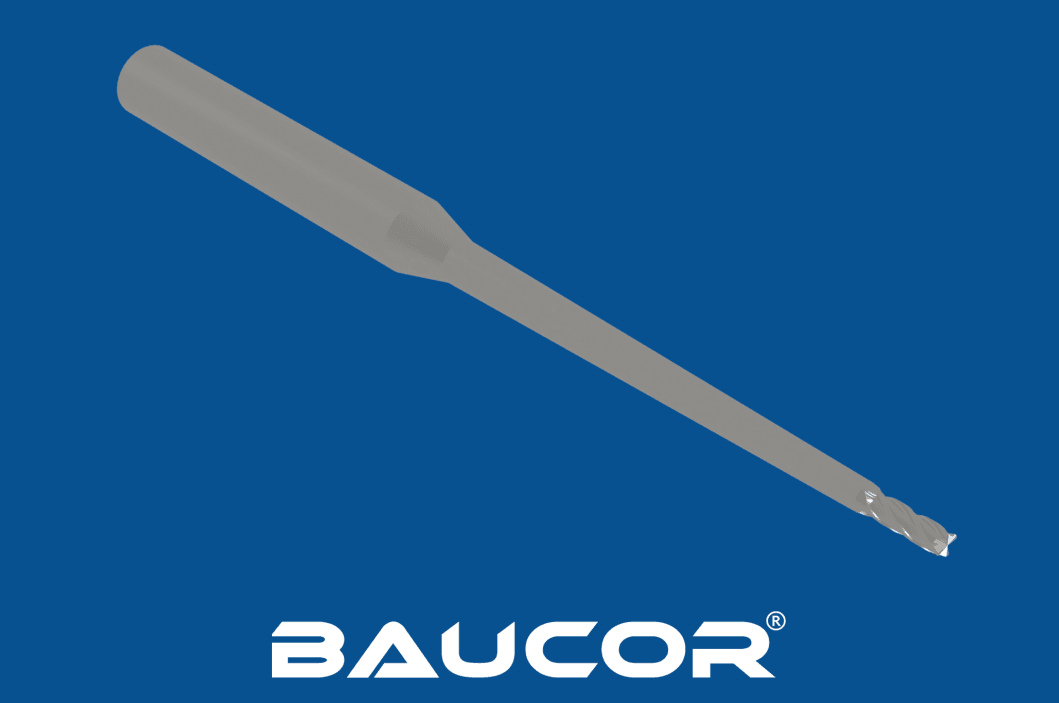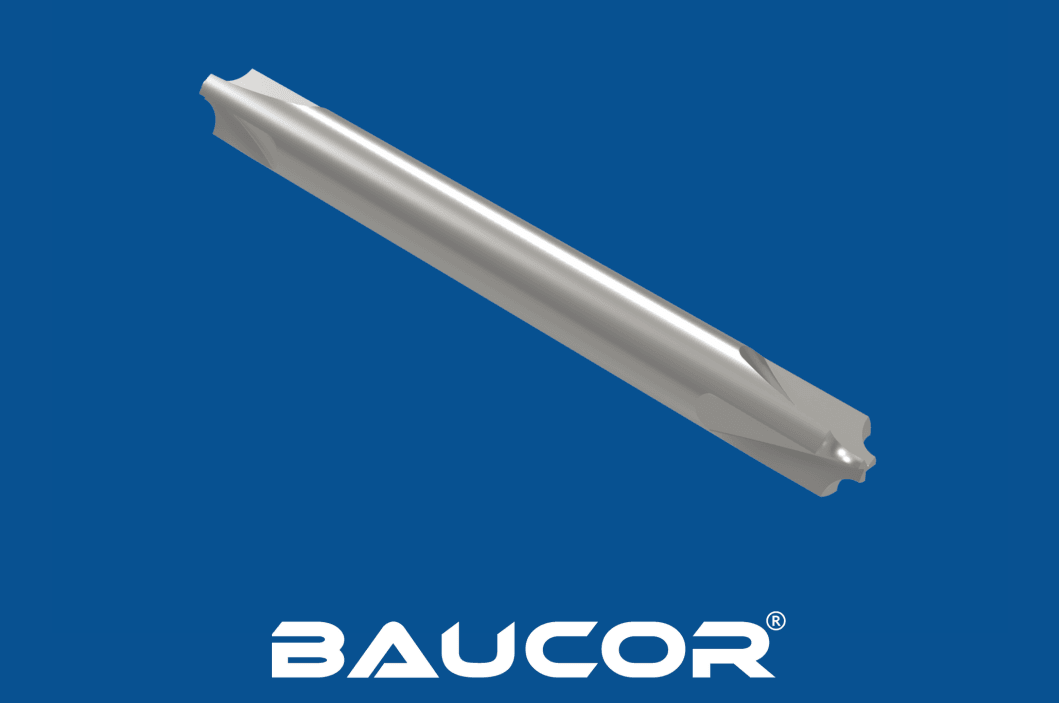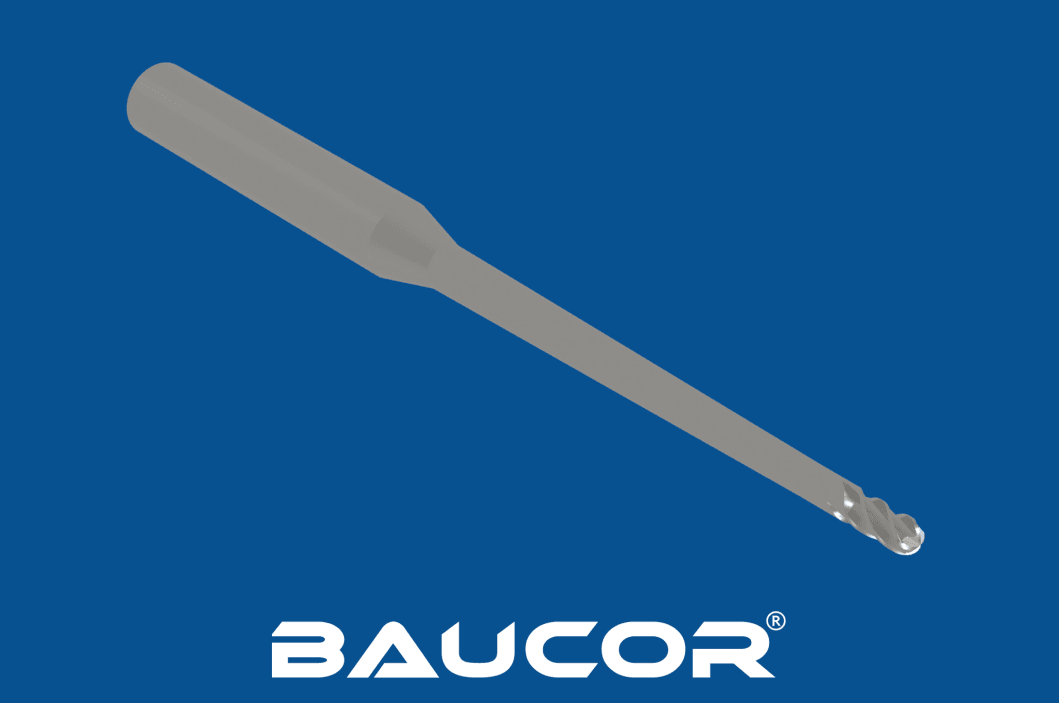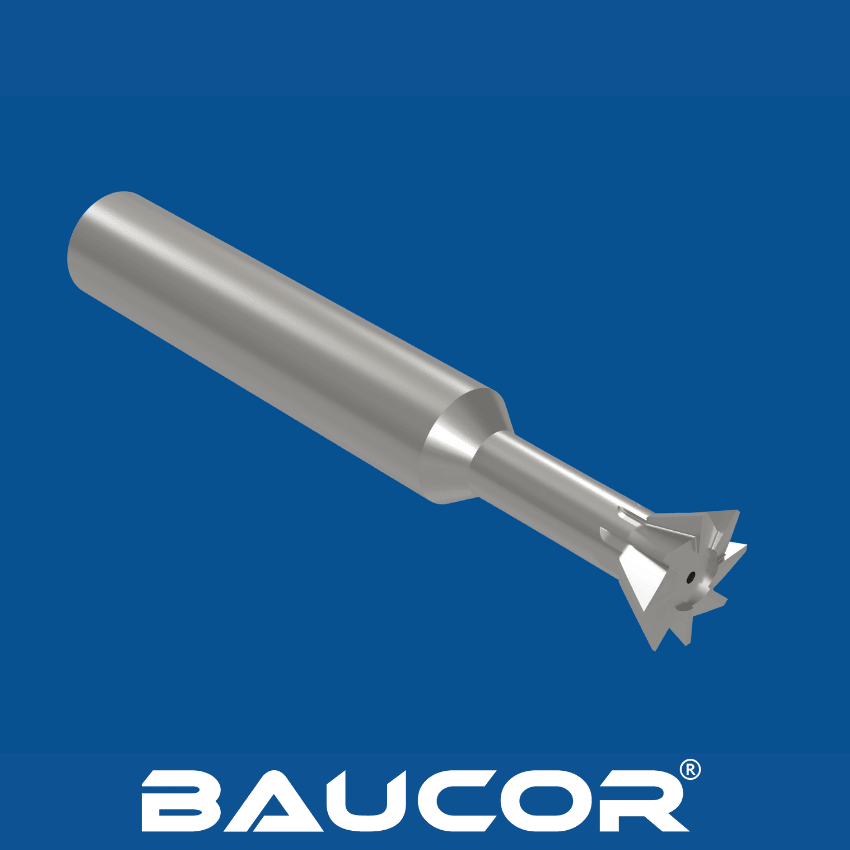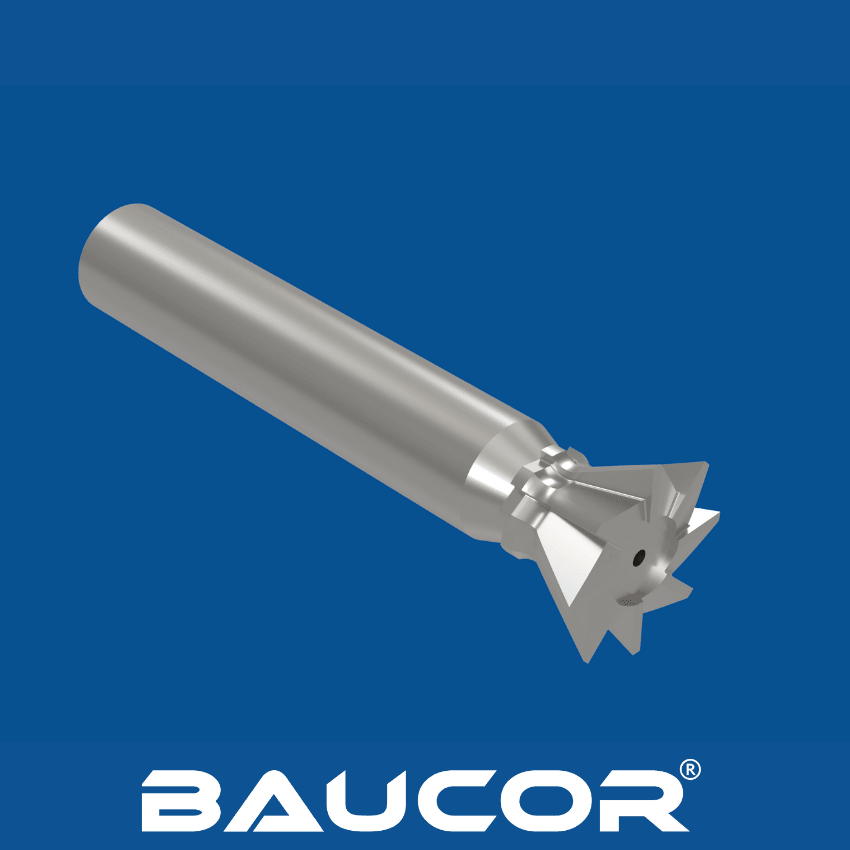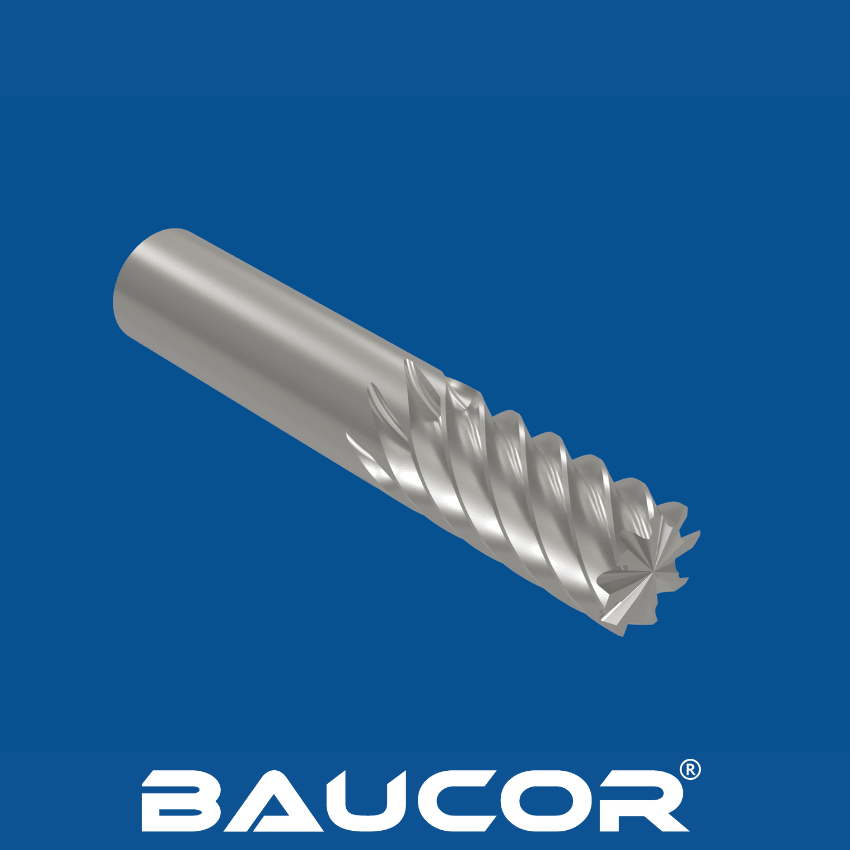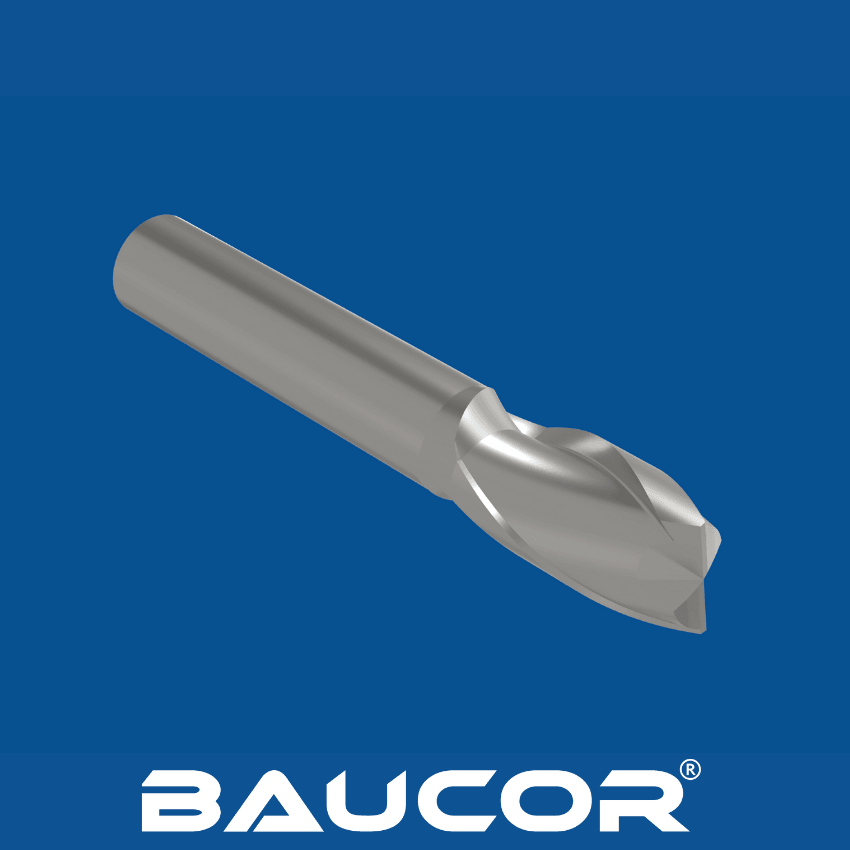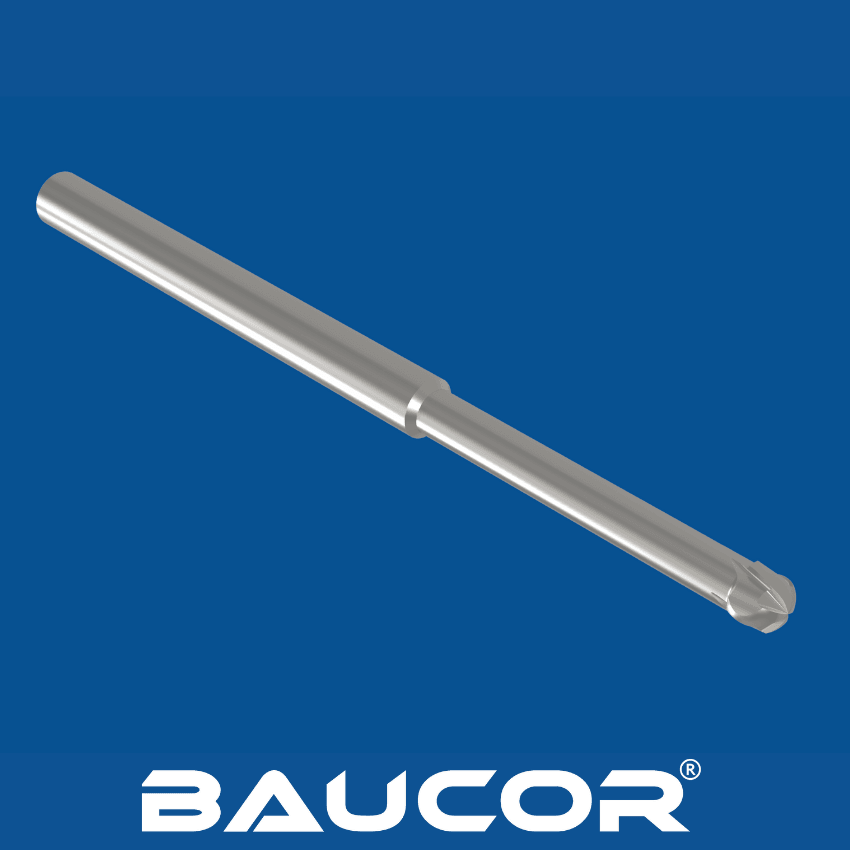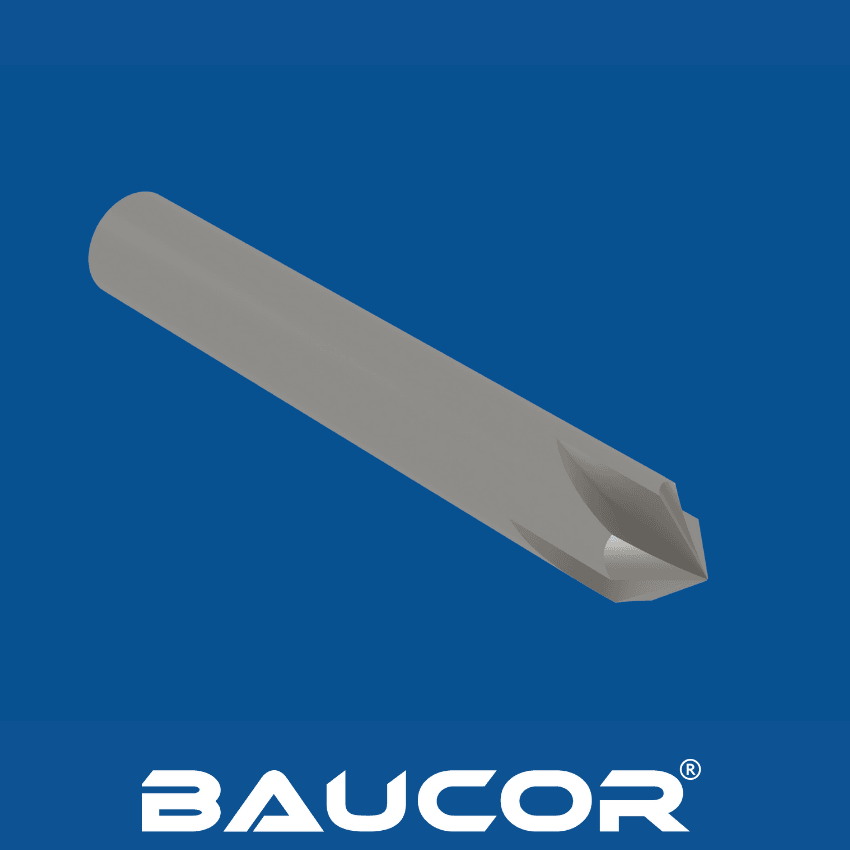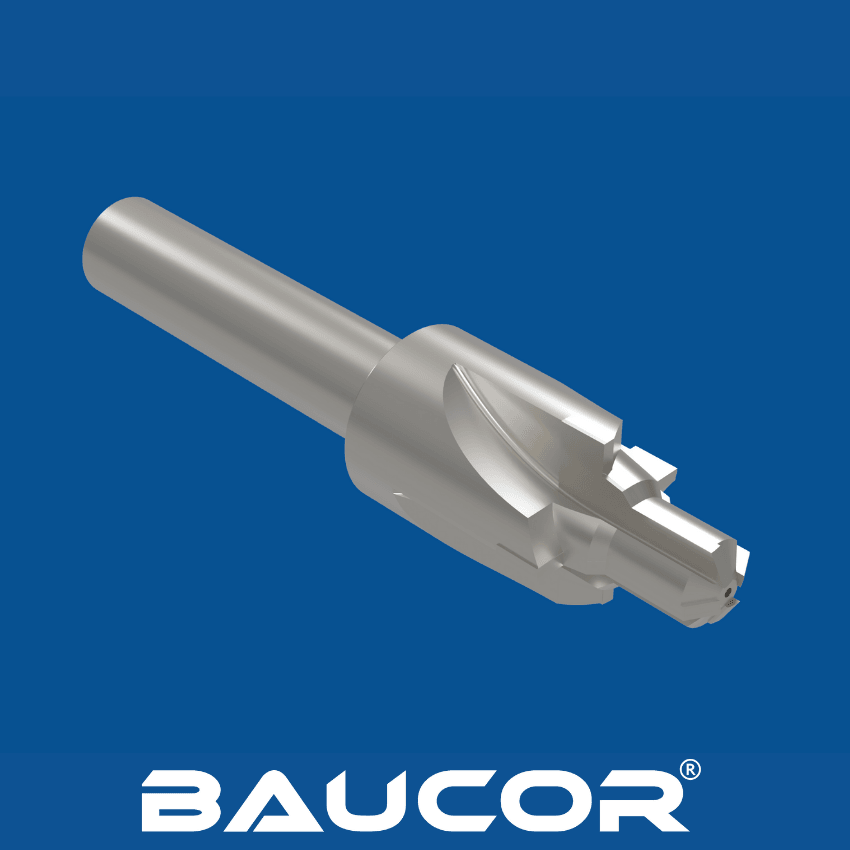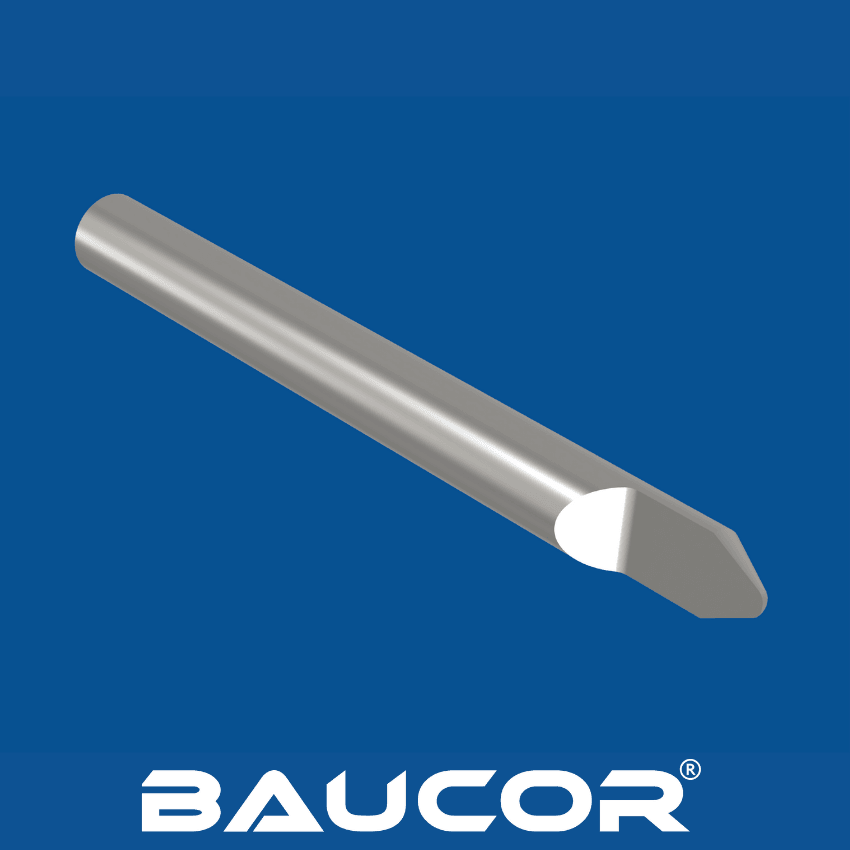


How are Die Sinking Cutters manufactured?
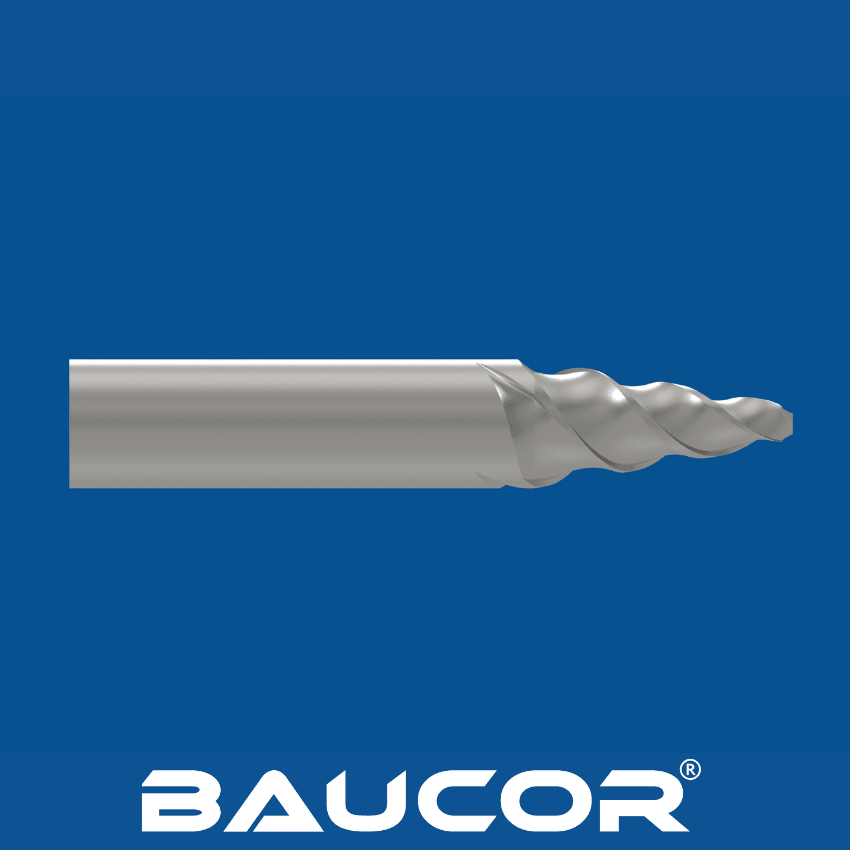
The manufacturing of die sinking cutters, particularly those of high quality like Baucor's, involves a series of intricate steps that demand precision and expertise:
- Material Selection: Die sinking cutters are typically made from solid carbide or high-speed steel (HSS). Carbide offers exceptional hardness and wear resistance, making it ideal for machining tough materials. HSS, while softer, provides good toughness and flexibility, making it suitable for less demanding applications.
- Blank Preparation: The selected material is cut into cylindrical blanks of the desired diameter and length. These blanks serve as the starting point for the cutter's shape.
- Roughing: The blanks are subjected to rough machining operations, such as turning and milling, to remove excess material and create the basic shape of the cutter. CNC machines are often used for this step to ensure accuracy and consistency.
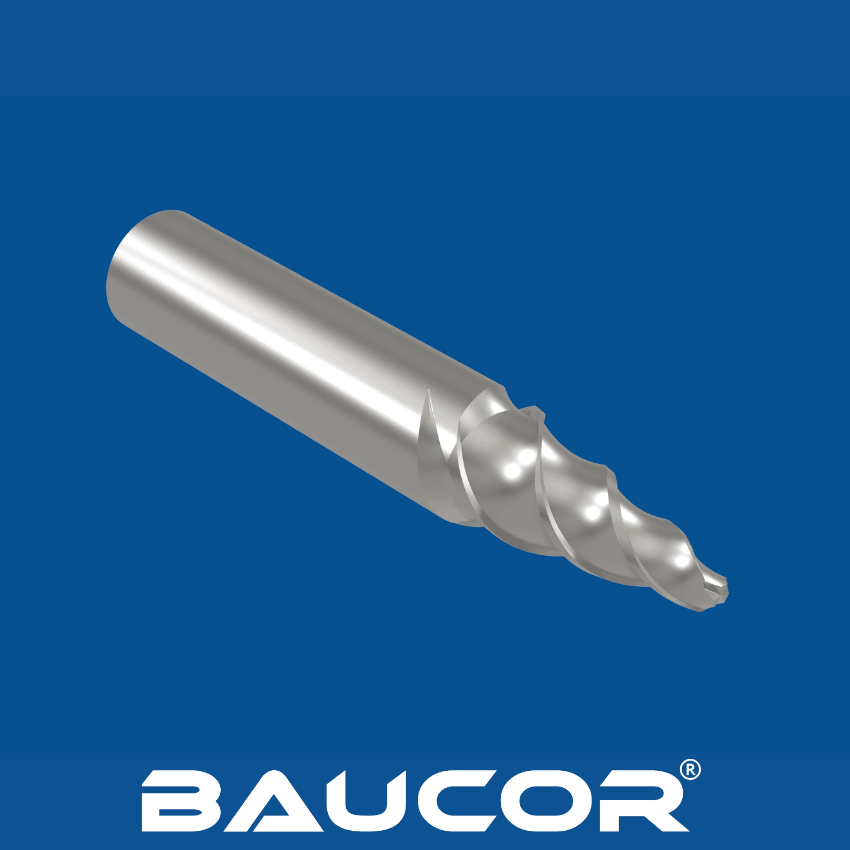
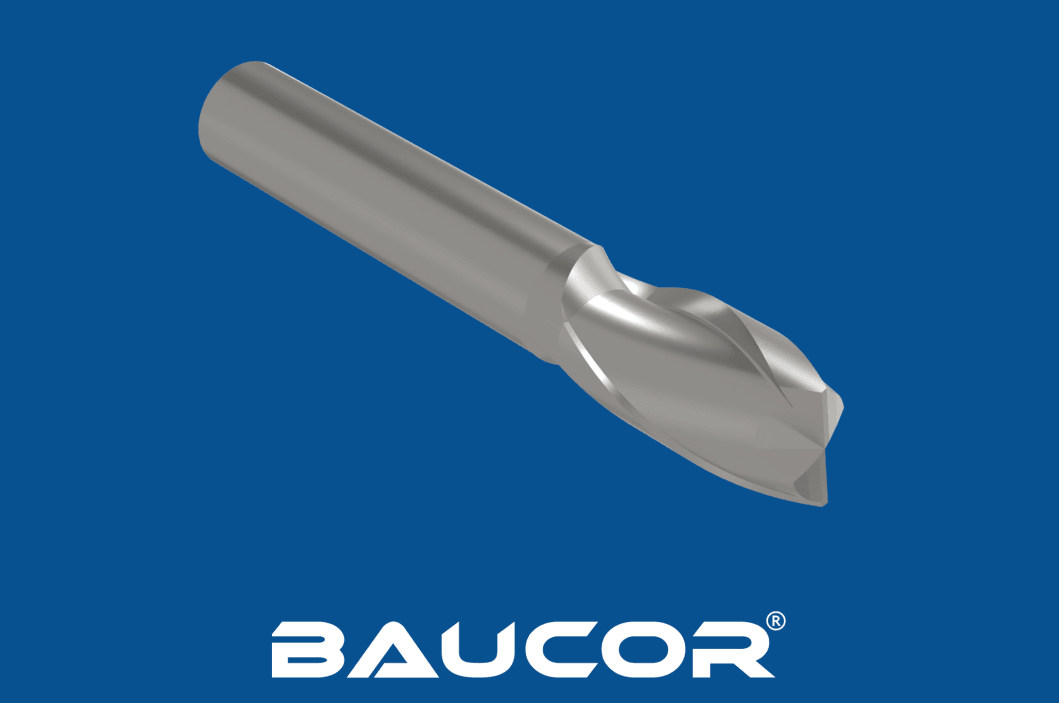
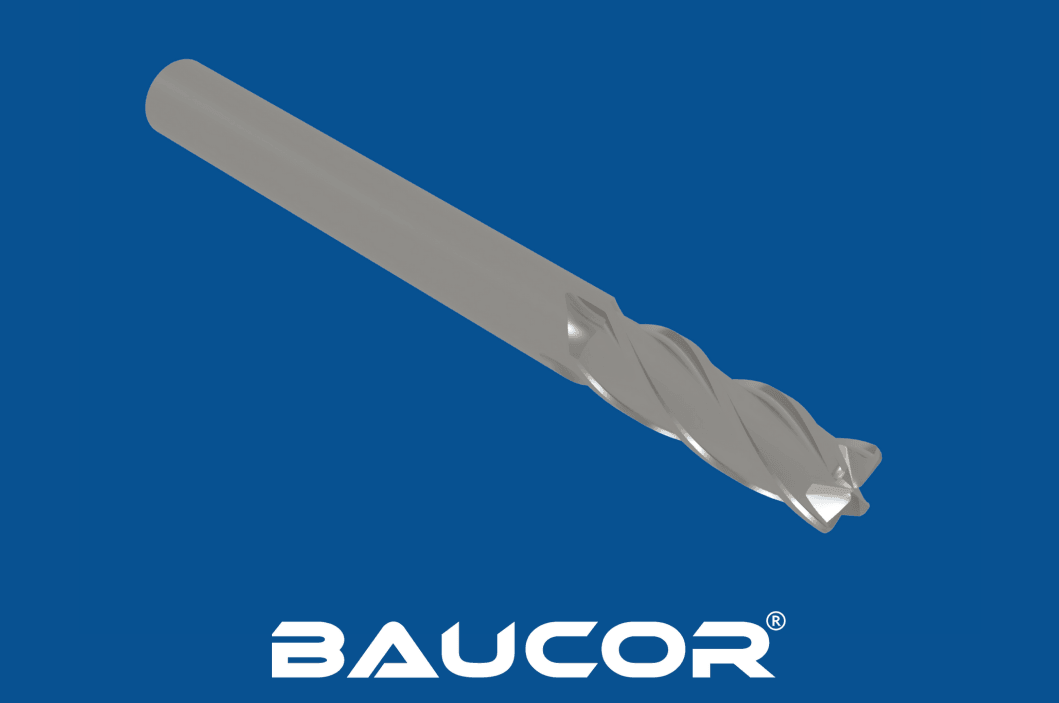
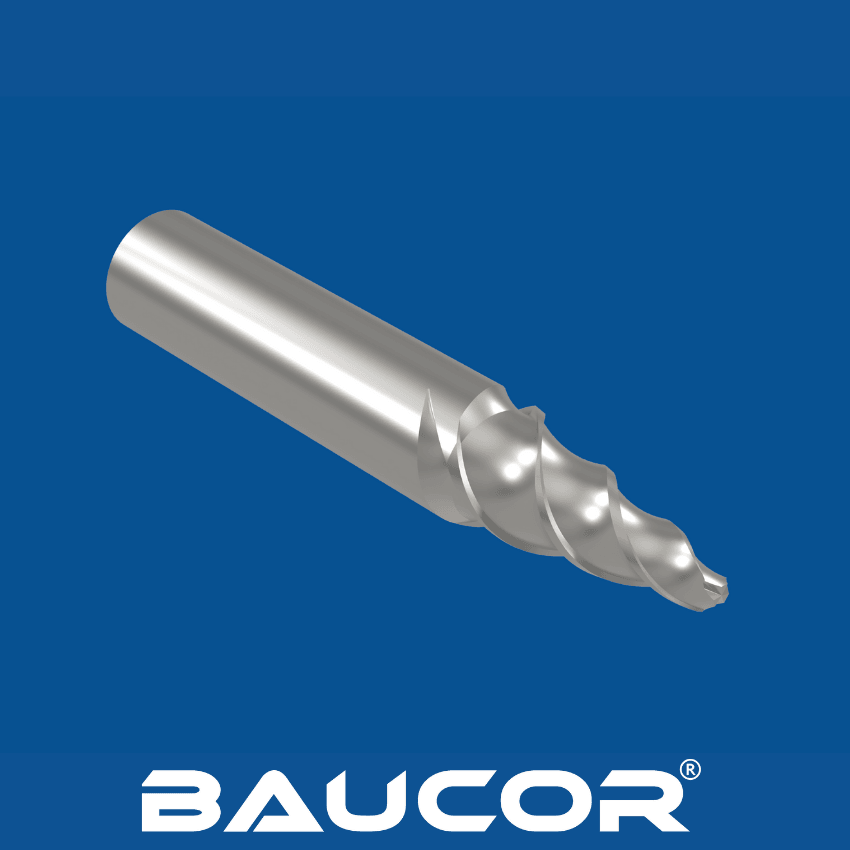
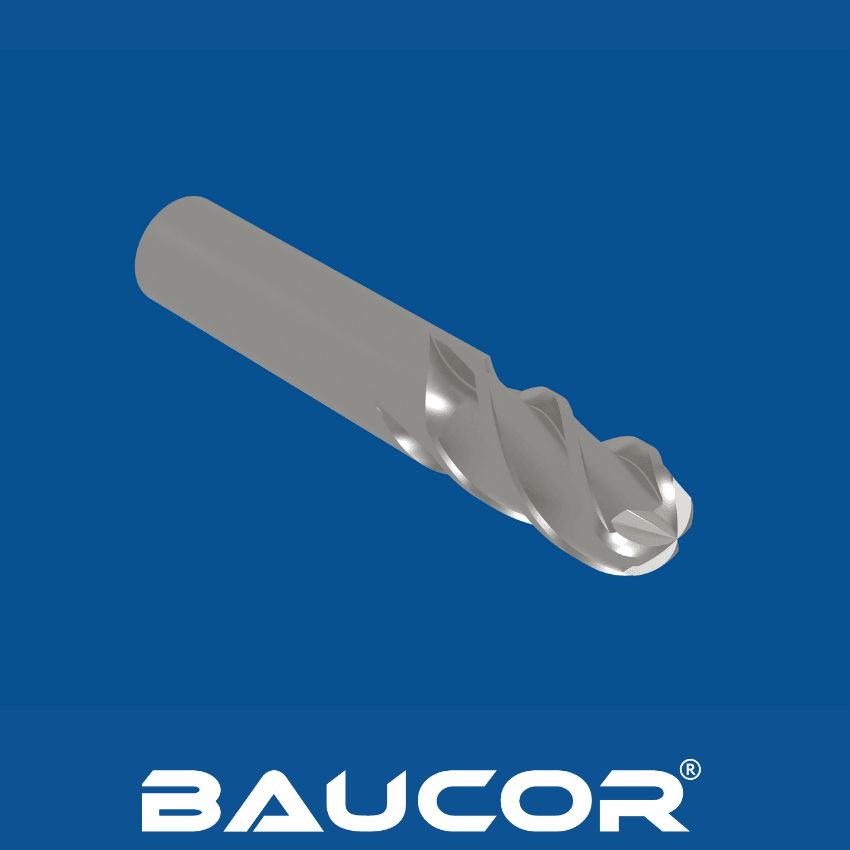
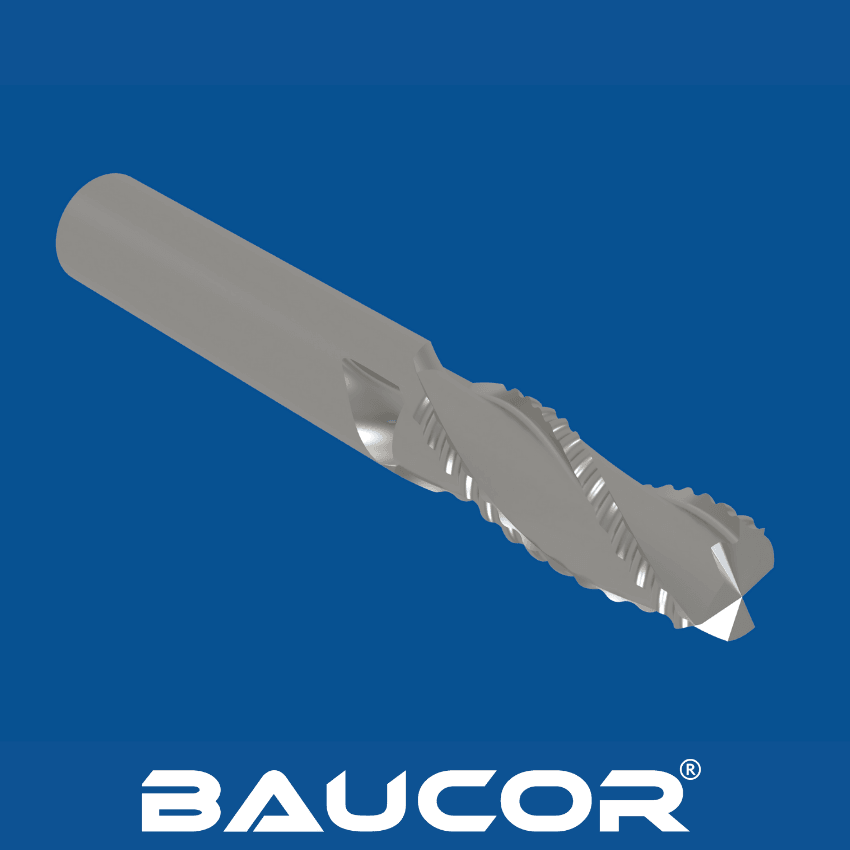
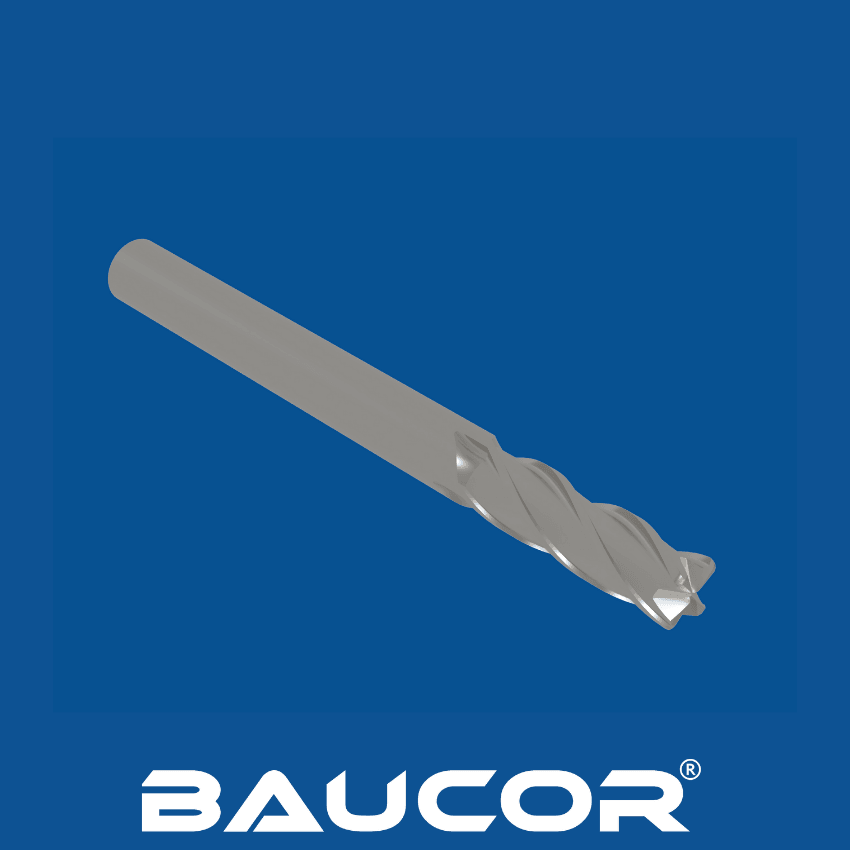
- Fluting: Specialized grinding machines are used to create the helical flutes on the cutter's body. These flutes are crucial for chip evacuation, which prevents the cutter from clogging and ensures efficient machining. The number of flutes and their geometry can be tailored to specific applications.
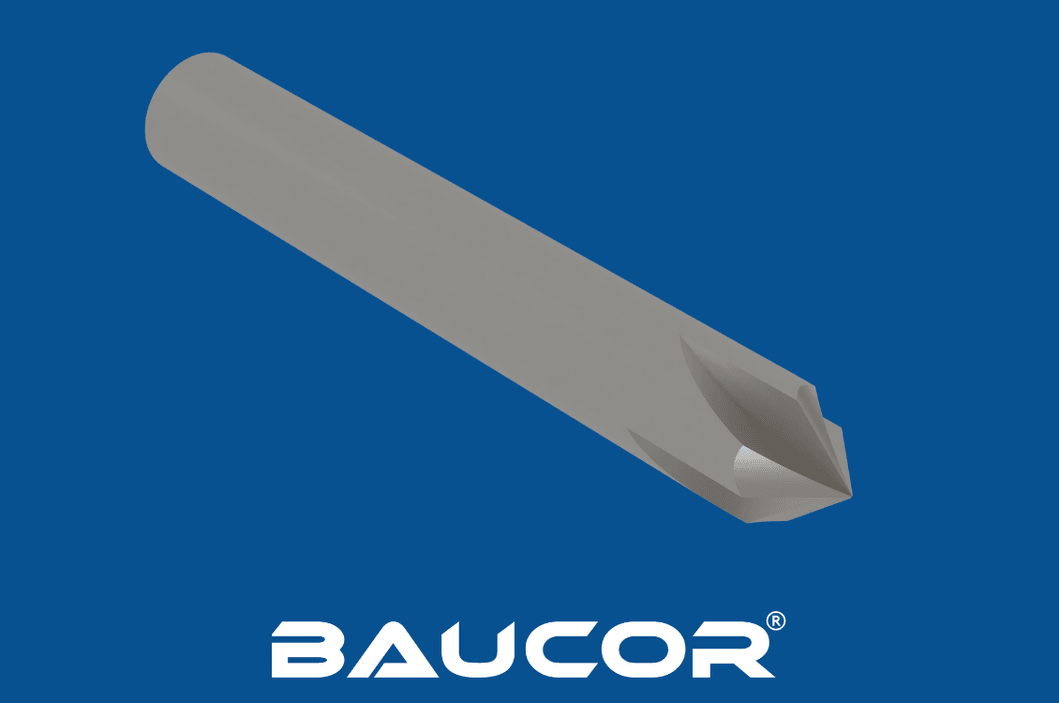
- End Face Grinding: The end face of the cutter is ground to achieve the desired shape and clearance angles. This step is critical for determining the cutter's cutting performance and the type of surface finish it produces.
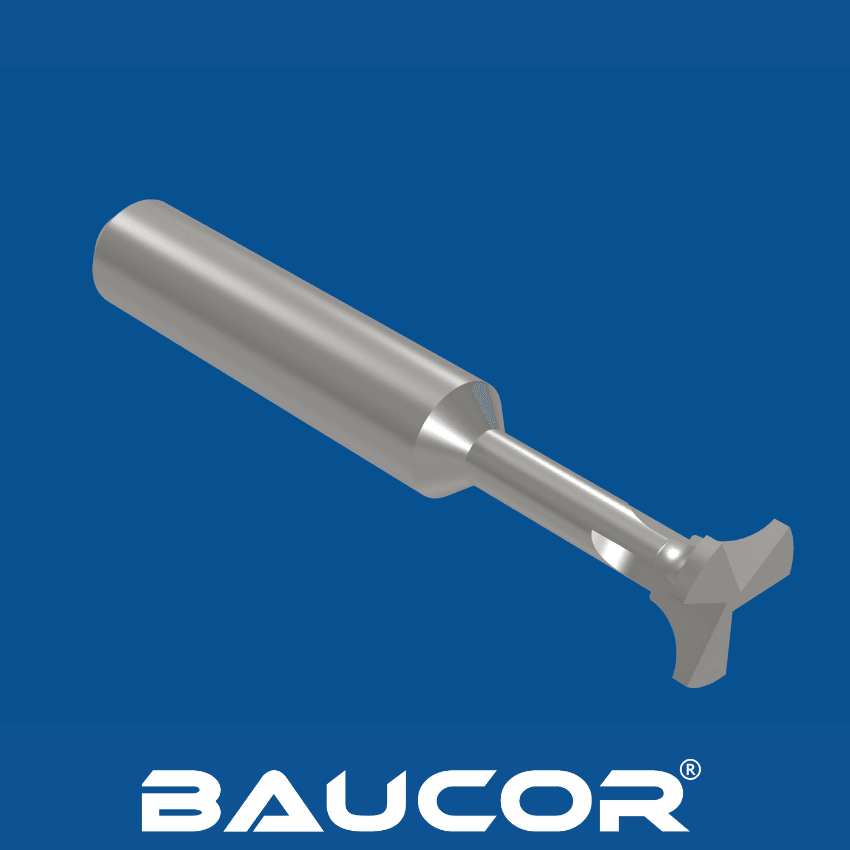
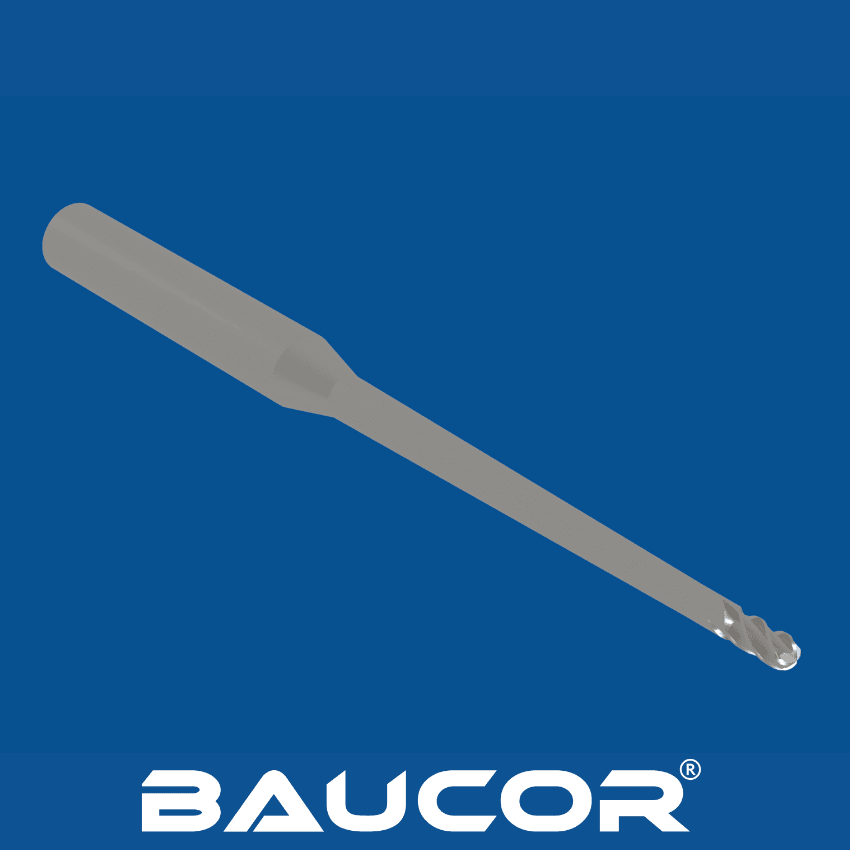
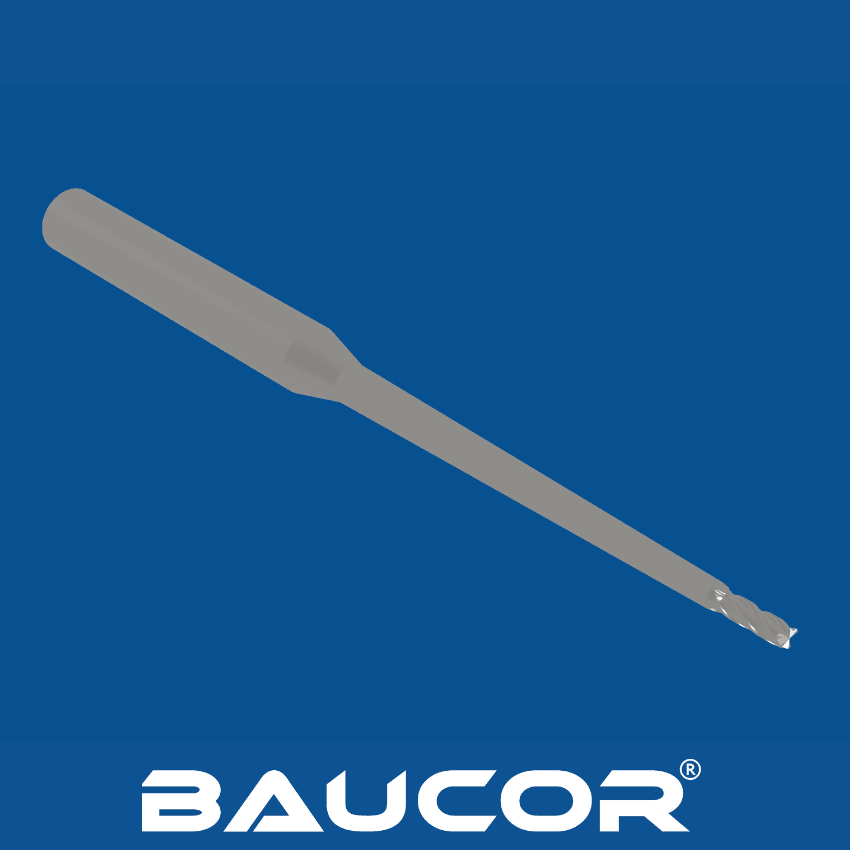
- Neck Relief Grinding: The neck of the cutter (the portion below the cutting edges) is ground to create a relief angle. This relief prevents rubbing and ensures that only the cutting edges engage with the workpiece.
- Coating (Optional): Depending on the application, the cutter may be coated with a thin layer of material like titanium nitride (TiN), titanium aluminum nitride (TiAlN), or aluminum titanium nitride (AlTiN). These coatings enhance hardness, reduce friction, and extend tool life.
- Final Grinding: The cutter undergoes a final grinding process to achieve the precise dimensions and tolerances required for optimal performance. This step involves grinding the cutting edges to their final sharpness and ensuring the concentricity of the tool.
- Quality Control: Rigorous quality control measures are implemented throughout the manufacturing process to ensure that each die sinking cutter meets or exceeds Baucor's stringent standards for precision, performance, and durability. This includes dimensional inspection, runout checks, and cutting performance tests.